
Technical Guide to Rheology and Reduction in Superplasticiser Using GGBFS
Understand how GGBS particle morphology and surface chemistry enable a reduction in superplasticiser while enhancing workability and concrete durability.
Read More
Loading...
Home / GBFS
Understand how GGBS particle morphology and surface chemistry enable a reduction in superplasticiser while enhancing workability and concrete durability.
Read More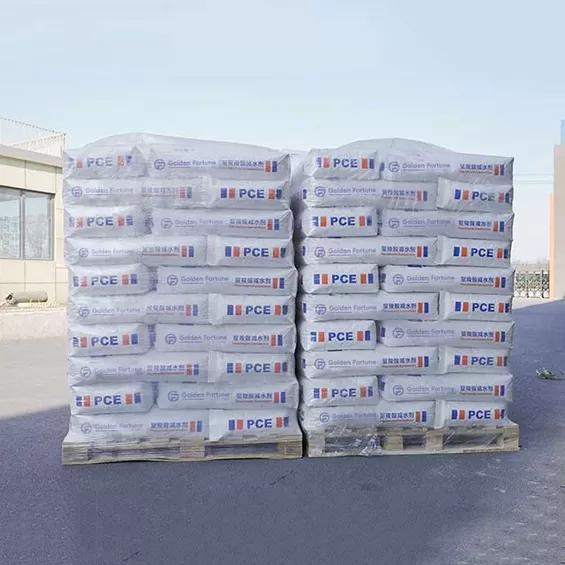
Explore how GGBS/GGBFS enhances anti-seepage and anti-carbonation ability in concrete. A technical deep-dive into pore refinement, durability, and service life extension for B2B specifiers.
Read More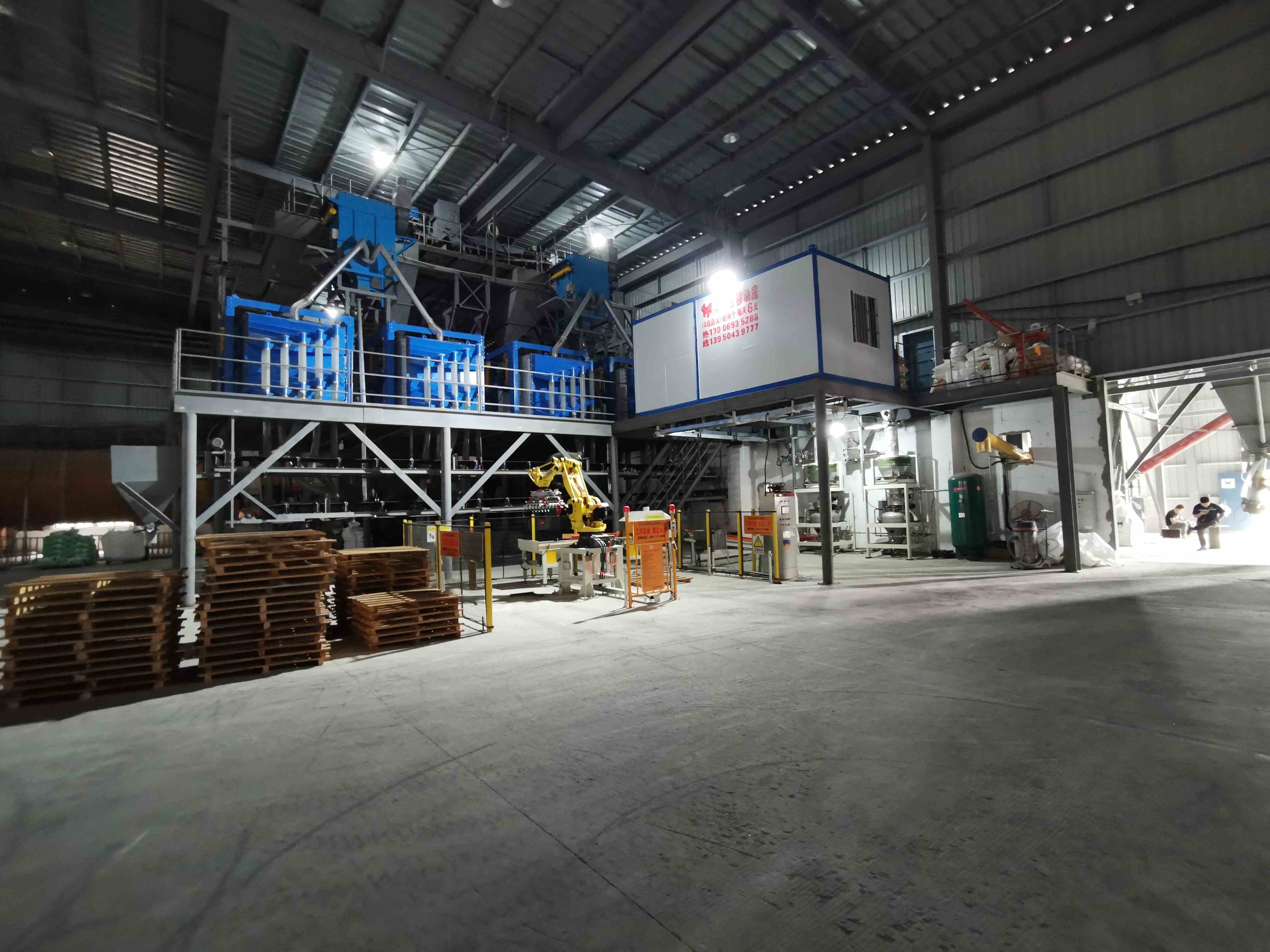
For over a century, portland cement type 1t has served as the backbone of modern infrastructure, from skyscrapers to bridge substructures. As a general-purpose hydraulic binder conforming to ASTM C150 (Type I) and equivalent international standard
Read More
In the domain of high-performance construction materials, the strategic combination of traditional Portland cement with alumina-rich components—collectively referred to as aluminum portland binders—represents a paradigm shift in concrete durabilit
Read More
Industrial flooring contractors and concrete specifiers face a persistent challenge: cement on floor systems that crack, curl, or deteriorate under heavy loads and chemical exposure. Traditional ordinary Portland cement (OPC) floors often fall sh
Read More
Specifying concrete for demanding industrial environments—chemical plants, heavy-load warehouses, or marine structures—requires more than standard OPC. The industry has moved toward high-performance composite binders. One such advanced material is
Read More
For civil engineers, ready-mix producers, and infrastructure contractors, the choice between type 1 and 2 portland cement directly impacts crack control, sulfate durability, and life‑cycle costs. While both conform to ASTM C150 specifications, the
Read More
Whether it is a high-rise foundation, a wastewater treatment plant, or a bridge deck exposed to deicing salts, the statement we do concrete implies more than just batching and pouring. It means controlling heat of hydration, mitigating alkali-sili
Read More
For general construction applications ranging from foundations to pavements, 1 concrete refers to concrete produced using ASTM C150 Type I Portland cement – the most widely specified cement in the industry. This article provides a quantitative ana
Read More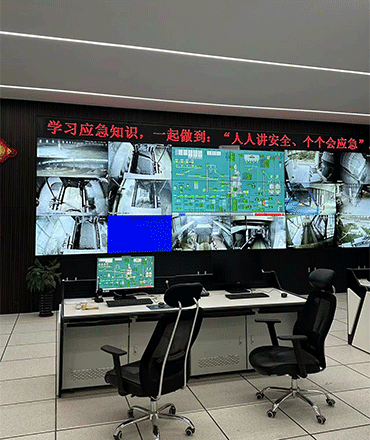
For construction material engineers and specifiers, understanding the precise chemical and mineralogical makeup of ordinary Portland cement (OPC) is not merely academic—it directly influences concrete durability, heat of hydration, and long-term p
Read More
For construction material engineers, project specifiers, and ready-mix producers, understanding the full production chain of ordinary Portland cement (OPC) is not just a matter of quality control—it directly influences concrete durability, heat of
Read More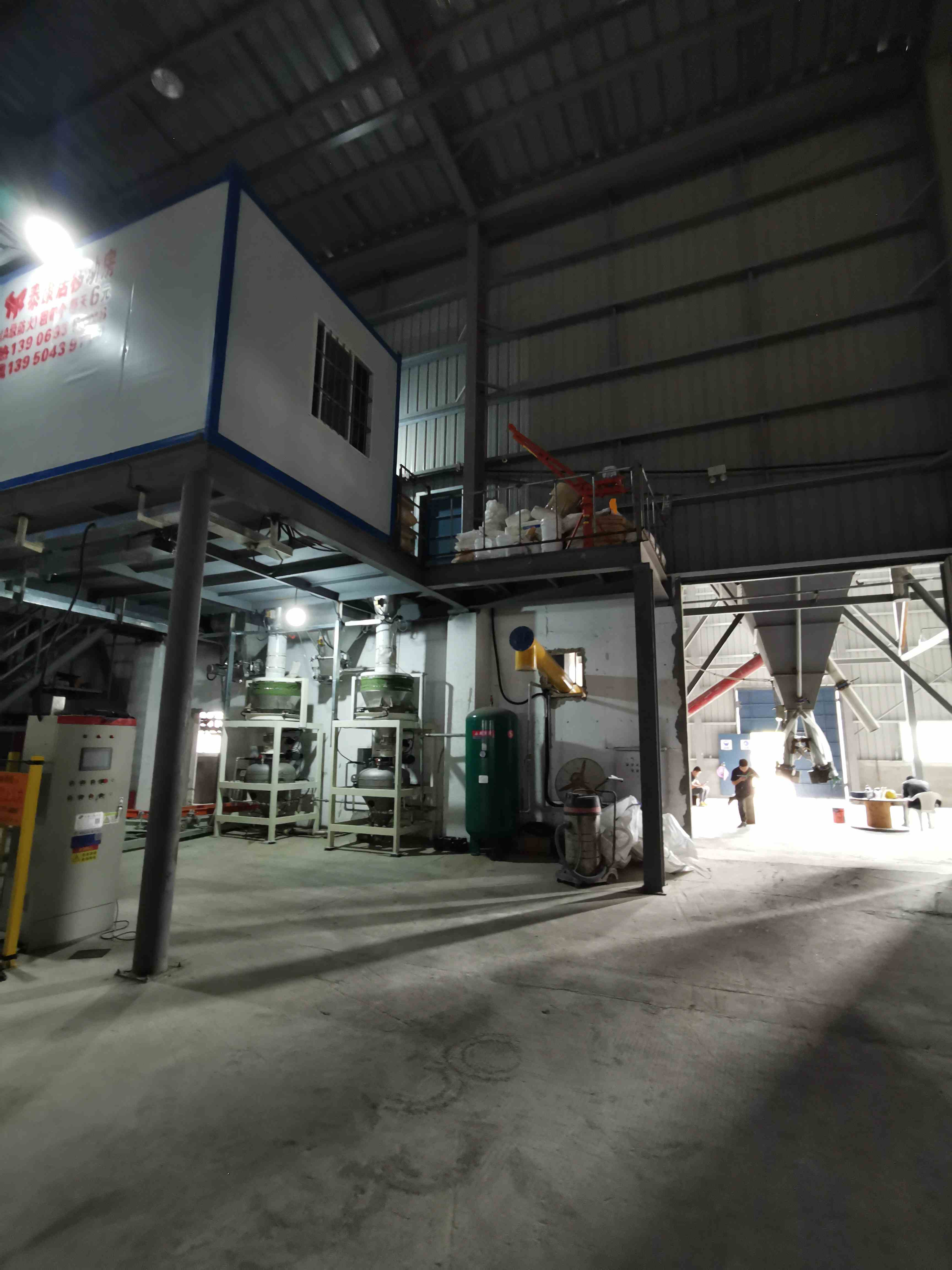
The term portland chemical refers to the complex mineralogy of Portland cement clinker. Understanding these phases is important for concrete mix design, especially when blending with supplementary cementitious materials (SCMs) like ground granulat
Read More
Cement is the most consumed material on earth after water. Understanding how cement made from raw materials to finished binder helps engineers optimize concrete performance. The process involves quarrying, crushing, raw milling, pyroprocessing, cl
Read More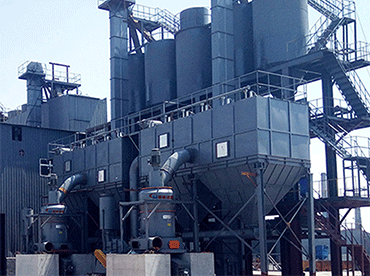
Industrial warehouses, distribution centers, and manufacturing plants rely on concrete on ground slabs that resist cracking, curling, and abrasion from heavy forklift traffic. Yet many projects suffer from premature joint deterioration, plastic sh
Read More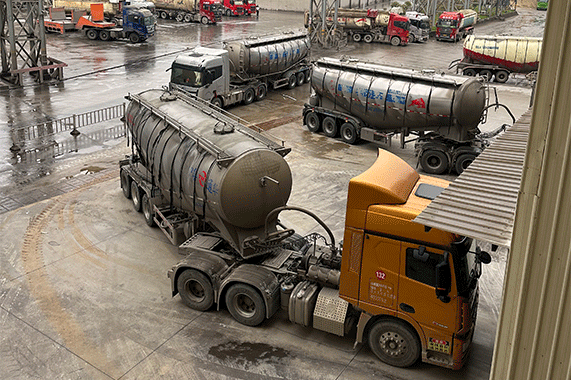
As the primary binder in concrete, portland tsement provides the strength and durability required for foundations, pavements, and precast elements. However, standard portland tsement alone may exhibit limitations in aggressive environments—high he
Read More
Selecting the right binder is critical for achieving specified early strength, durability, and workability. Cement 52.5 R is a high-strength Portland cement conforming to EN 197‑1, with a 28‑day compressive strength of at least 52.5 MPa and rapid
Read More
Portland type I cement, conforming to ASTM C150, is the most widely used general‑purpose hydraulic binder in the world. It is suitable for concrete structures where no special sulfate resistance or low heat of hydration is required. Typical applic
Read More
In modern concrete technology, the term white powder on cement frequently appears in technical specifications, quality control reports, and job site discussions. This is not a contaminant or a surface efflorescence issue. Instead, it refers to Gro
Read More
For general construction projects worldwide, type I cement portland remains the most widely specified hydraulic binder. Defined by ASTM C150 and AASHTO M85, this general‑purpose cement is suitable for concrete where special properties (sulfate res
Read More
Architectural concrete has moved beyond structural function to become a design statement. Achieving a consistent white color for concrete is challenging because ordinary gray concrete contains iron-rich cement and dark aggregates. True white concr
Read More