Cement is the most consumed material on earth after water. Understanding how cement made from raw materials to finished binder helps engineers optimize concrete performance. The process involves quarrying, crushing, raw milling, pyroprocessing, clinker cooling, finish grinding, and quality control. Golden Fortune supplies high-performance GGBFS (Ground Granulated Blast Furnace Slag) to cement plants and ready-mix producers across 40 countries. This guide explains each stage with technical parameters and common industry challenges.
1. Raw Material Extraction and Preparation
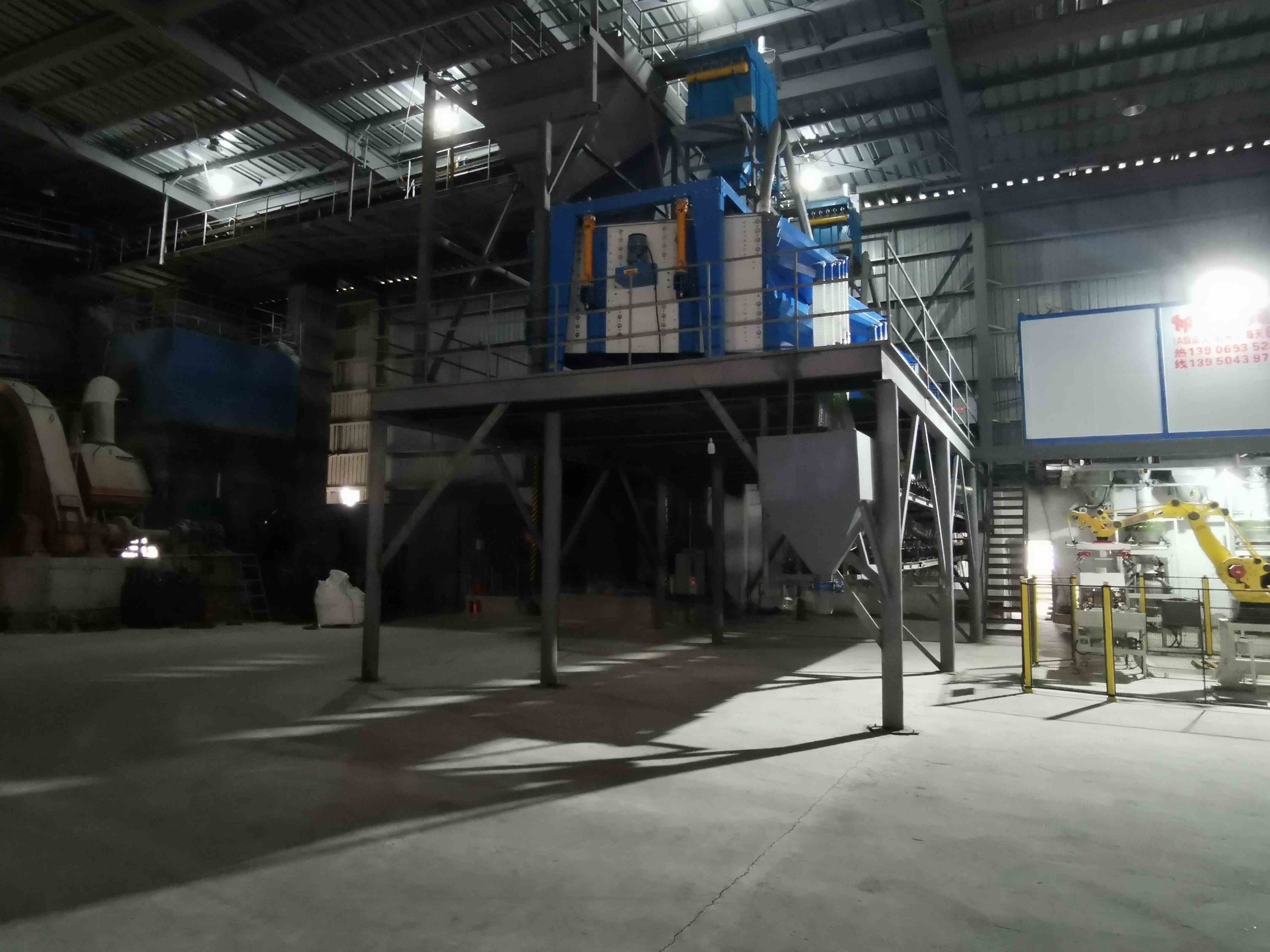
The first step in how cement made is sourcing limestone (calcium carbonate), clay, shale, or marl. These materials provide calcium, silicon, aluminum, and iron. Key considerations:
Limestone purity: CaCO₃ content ≥ 80% for efficient clinker formation. Lower purity increases fuel consumption.
Clay composition: Silica (SiO₂) 55–70%, alumina (Al₂O₃) 10–20%, iron oxide (Fe₂O₃) 5–10%.
Quarrying method: Drilling and blasting for hard limestone; ripping for soft marl.
Pre-homogenization: Stacker-reclaimer systems blend raw materials to reduce chemical variation (coefficient of variation ≤ 5%).
Golden Fortune advises cement plants to monitor trace elements (MgO, K₂O, Na₂O) in raw feed, as they affect clinker quality and compatibility with slag.
2. Crushing and Raw Material Grinding
After quarrying, materials are reduced to <25mm using jaw or hammer crushers. The next stage of how cement made involves raw milling to produce raw meal (fineness: 15–20% residue on 90µm sieve).
Raw mill types: Ball mills (older), vertical roller mills (VRM – energy efficient), or roller presses.
Drying: Hot gases from the preheater or a dedicated hot gas generator reduce moisture from 10% to <0.5%.
Blending silos: Compressed air homogenization ensures raw meal chemistry stable (Lime Saturation Factor 92–96%).
Typical energy consumption: 12–15 kWh/ton for VRM; 20–25 kWh/ton for ball mills.
Golden Fortune's ultrafine GGBFS (650 m²/kg Blaine) complements raw meal by improving later-age strength when blended at the finish mill.
3. Preheating and Calcination
The raw meal enters a multi-stage cyclone preheater (4–6 stages) where it exchanges heat with exhaust gases from the rotary kiln. This stage of how cement made raises temperature from ambient to 800–900°C, calcining CaCO₃ to CaO (quicklime).
Calcination reaction: CaCO₃ + heat → CaO + CO₂. Approximately 540 kg CO₂ per ton of clinker.
Preheater exit temperature: 300–350°C. Waste heat recovery can generate power.
Decomposition degree: >90% before entering kiln. Low decomposition increases kiln fuel demand.
Cyclone efficiency: 95% dust collection, with return to feed.
Modern preheaters reduce heat consumption to 2,900–3,200 kJ/kg clinker (compared to 5,000 kJ/kg for wet process).
4. Clinkerization in the Rotary Kiln
The kiln is the heart of how cement made. Here, calcined material reaches 1,450–1,500°C, forming clinker nodules (25–50mm).
Kiln dimensions: Diameter 3–6m, length 50–100m, slope 3–4%.
Fuel types: Pulverized coal, petcoke, natural gas, or alternative fuels (tires, biomass).
Clinker phases formed: Alite (C₃S) 50–70%, Belite (C₂S) 15–30%, Aluminate (C₃A) 5–10%, Ferrite (C₄AF) 5–15%.
Residence time: 20–30 minutes from feed to discharge.
Burning zone temperature: 1,400–1,500°C, measured by infrared camera or thermocouple.
Golden Fortune's GGBFS is produced from blast furnace slag, which is a byproduct of iron making. Using slag in cement reduces clinker factor and CO₂ emissions.
5. Clinker Cooling and Storage
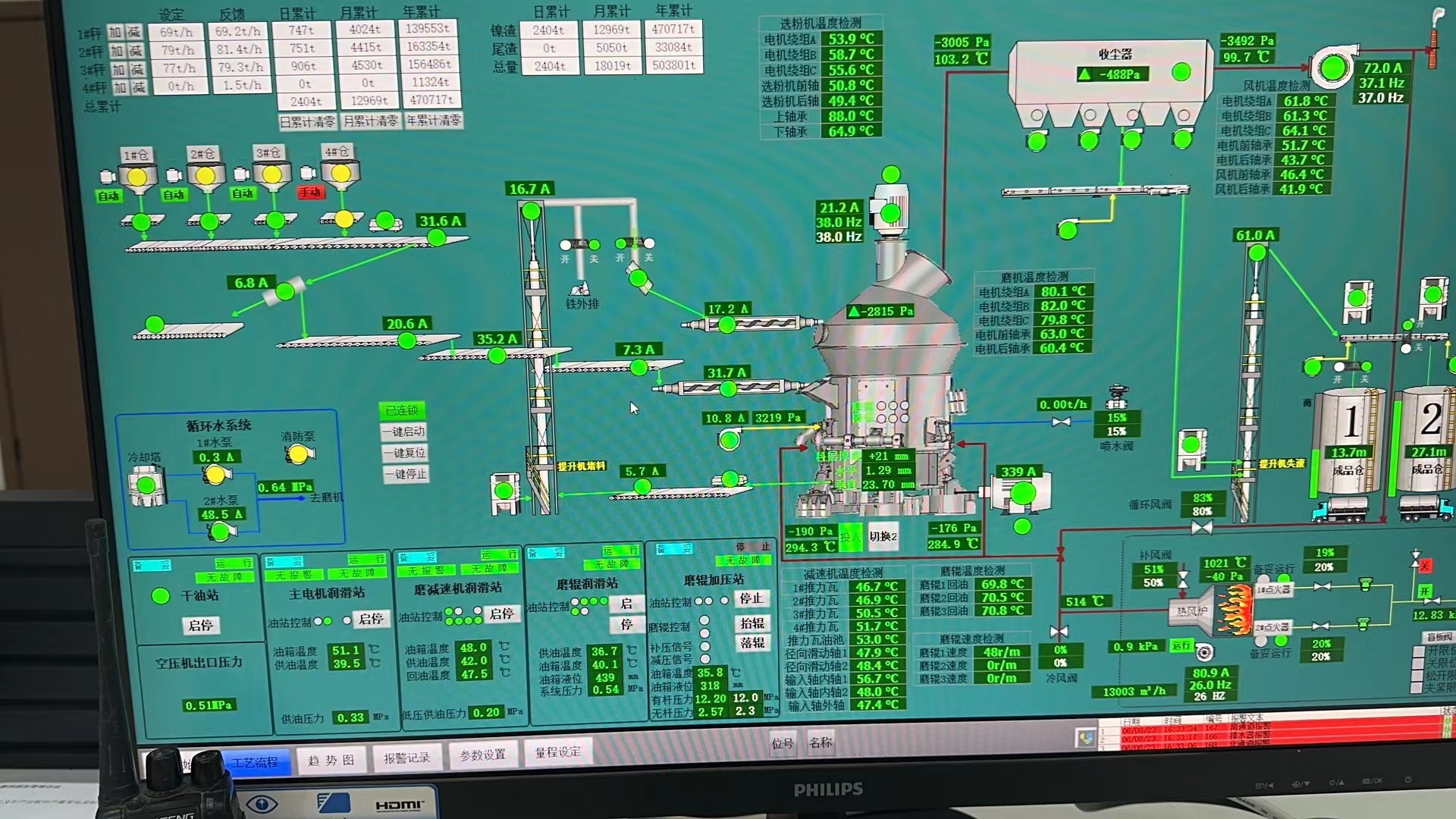
Hot clinker (1,400°C) must be rapidly cooled to preserve reactive phases and grindability. The cooling stage of how cement made uses:
Grate coolers: Moving grates with forced air quenching. Reduces temperature to 100–200°C within 5 minutes.
Recovery air: Preheated secondary air (800–900°C) returns to kiln, improving thermal efficiency.
Clinker storage: Covered silos or domes with reclaim system. Storage capacity typically 7–30 days of production.
Quality check: Free lime (CaO) < 1.5% ensures soundness; C₃S content determines early strength.
Rapid cooling produces smaller alite crystals and higher hydraulic reactivity. Golden Fortune recommends blending cooled clinker with slag in the finish mill.
6. Finish Grinding: Cement Made with Additives
The final step in how cement made is intergrinding clinker with gypsum (3–5%) and optional SCMs like GGBFS, fly ash, or limestone. Finish mills produce cement powder (Blaine 300–500 m²/kg).
Grinding aids: Triethanolamine or glycols increase mill throughput by 15–25% and reduce agglomeration.
Gypsum role: Regulates setting time by forming ettringite with C₃A.
GGBFS addition: 30–70% replacement improves sulfate resistance, reduces heat, and lowers CO₂. Golden Fortune supplies ultrafine slag (D90 <16µm) for higher reactivity.
Typical cement types: Ordinary Portland Cement (OPC), Portland Slag Cement (PSC), Portland Pozzolana Cement (PPC).
Energy consumption: 30–40 kWh/ton for finish grinding.
Golden Fortune provides GGBFS that meets ASTM C989 Grade 100 or EN 15167. Using our slag in cement made blends reduces clinker factor by up to 50% while maintaining 28-day strength.
7. Quality Control and Certification
Every batch of cement made undergoes rigorous testing per ASTM C150, EN 197, or equivalent standards. Key tests:
Chemical analysis: XRF for oxide composition (SiO₂, Al₂O₃, Fe₂O₃, CaO, MgO, SO₃).
Fineness: Blaine air permeability or laser diffraction.
Setting time: Vicat apparatus – initial set ≥45 min, final set ≤375 min.
Compressive strength: Mortar cubes at 2, 7, 28 days.
Soundness: Le Chatelier or autoclave expansion.
Golden Fortune's GGBFS is tested for activity index (≥95% at 28 days for Grade 100), moisture (<1%), and glass content (>90% by XRD).
Common Industry Challenges and Solutions
Challenge: High CO₂ emissions from clinker production (0.8–0.9 tons CO₂ per ton clinker). Solution: Replace 40–60% clinker with GGBFS. Golden Fortune's slag reduces carbon footprint by 0.6 tons CO₂ per ton used.
Challenge: Variable clinker quality causing strength fluctuations. Solution: Use a homogenizing silo and real-time online XRF. Blend with consistent GGBFS to stabilize performance.
Challenge: High heat of hydration leading to thermal cracking. Solution: Use Portland slag cement with 50% GGBFS; heat reduction of 40–60%.
Why Golden Fortune Is a Preferred GGBFS Supplier for Cement Plants
Golden Fortune has supplied over 2 million tons of GGBFS to cement manufacturers and construction firms worldwide. We support how cement made with slag blends through:
Consistent quality: Daily sampling and third-party certification (SGS, Intertek).
Ultrafine grinding: Blaine 650–700 m²/kg for faster strength gain.
Bulk logistics: Pneumatic tankers, 1.5MT jumbo bags, or 40kg bags.
Technical support: On-site mix design optimization and trial production assistance.
Frequently Asked Questions (FAQ)
Q1: What is the difference between OPC and PSC cement made with
GGBFS?
A1: OPC contains 95–100% clinker. PSC (Portland Slag Cement)
contains 30–70% GGBFS. PSC has lower heat of hydration, higher sulfate
resistance, and better chloride ingress resistance. Golden Fortune's GGBFS
produces PSC meeting ASTM C595 or EN 197-1.
Q2: How does the fineness of GGBFS affect cement made with
slag?
A2: Finer slag (Blaine >600 m²/kg) reacts faster with
calcium hydroxide from cement hydration. This improves early strength (3–7 days)
while maintaining long-term durability. Golden Fortune's ultrafine slag achieves
28-day activity index >110%.
Q3: Can I use GGBFS in all types of cement
production?
A3: Yes, but optimize replacement level based on
application. For mass concrete, use 50–70% slag. For precast requiring early
demolding, limit to 30%. Golden Fortune provides trial mixes to determine
optimum.
Q4: What is the maximum allowable chloride content in cement made
with GGBFS?
A4: Per ASTM C150, chloride ≤0.10% by mass for
prestressed concrete. GGBFS typically contains <0.02% chloride, well below
limit. Golden Fortune provides chloride analysis with each shipment.
Q5: How does GGBFS affect the color of cement made
products?
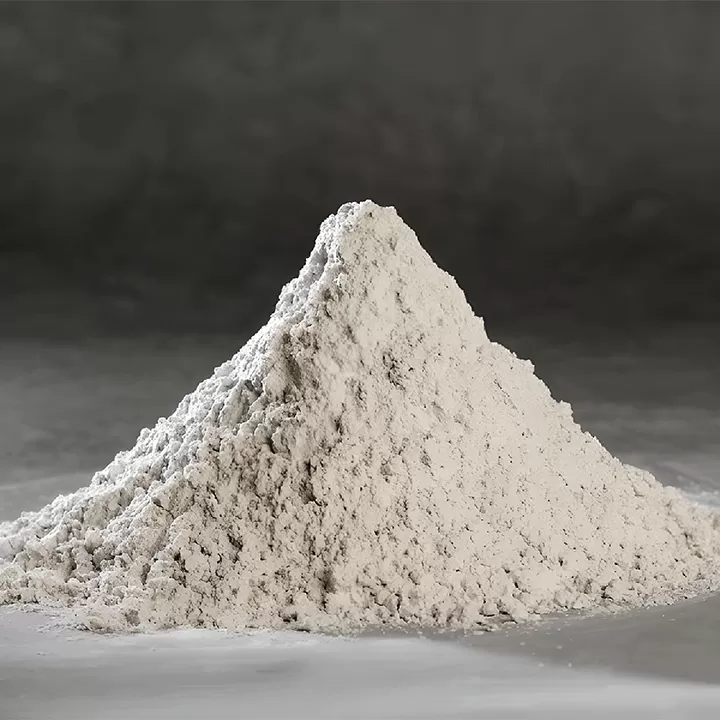
A5: GGBFS is off-white to light gray. Replacing 50%
clinker with slag produces a lighter-colored concrete compared to OPC. For
architectural concrete, Golden Fortune offers whitened slag with minimal iron
content.
Request a Sample or Technical Consultation for Your Cement Plant
Understanding how cement made with GGBFS can improve your product performance and reduce costs. Golden Fortune offers free 5kg samples of ultrafine GGBFS for laboratory testing. We also provide a detailed report on optimum replacement levels based on your clinker chemistry.
Contact Golden Fortune's cement
division:
Website: https://www.ultrafineggbs.com/
Email:sales@ultrafineggbs.com
Phone: 0086-18065065515
Send your clinker analysis (XRF) and target cement type. Golden Fortune will respond with a customized blend proposal and cost savings calculation within 3 business days.