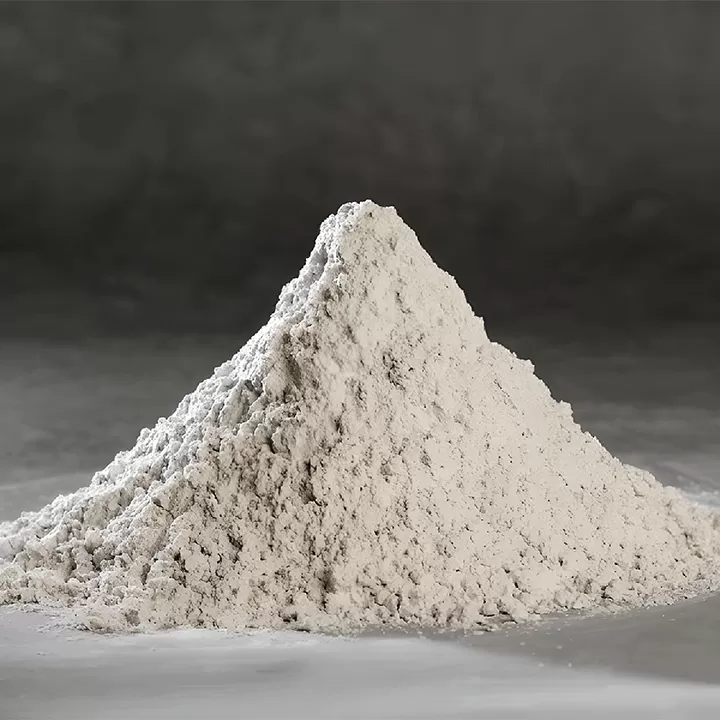
In the specification of hydraulic binders for precast elements, rapid construction cycles, and cold-weather concreting, the choice of cement type directly influences formwork turnaround and early load-bearing capacity. Portland cement 42.5 R represents a high-early-strength category according to EN 197-1, where the “R” denotes rapid strength gain at 2–3 days. For concrete producers and civil contractors, understanding the precise reactivity parameters, compatibility with supplementary cementitious materials (SCMs), and quality control measures is essential to avoid thermal cracking or false set. This article provides a detailed examination of Portland cement 42.5 R, covering its phase composition, mechanical behavior, field applications, and common mitigation strategies for handling and placement challenges.

1. Defining Portland Cement 42.5 R under EN 197-1
The European standard EN 197-1 classifies common cements into strength classes: 32.5, 42.5, and 52.5, each with subclasses N (normal early strength) and R (high early strength). Portland cement 42.5 R must achieve a minimum compressive strength of 10 MPa at 2 days (or 20 MPa at 3 days) and 42.5 MPa at 28 days, with no maximum limit for 28-day strength. Typical values from rotary kiln production range from 48 to 58 MPa at 28 days. The high early strength originates from increased tricalcium silicate (C3S) content (typically above 55%) and finer grinding (Blaine specific surface between 380 and 450 m²/kg). Compared to 42.5 N, the R version shows a finer particle size distribution, leading to faster hydration heat release—a factor that requires careful thermal management in mass concrete elements.
For global projects, note that ASTM C150 Type III cement approximates the high-early-strength behavior of 42.5 R, although sulfate resistance and alkali limits differ. Producers like Golden Fortune supply consistent 42.5 R meeting both EN and select national annex requirements, with strict control over grinding aids and clinker source.
2. Phase Composition and Hydration Kinetics
The performance of Portland cement 42.5 R is determined by four main clinker phases and gypsum content:
Alite (C3S, 55-65%): Responsible for early strength (up to 28 days). Higher C3S directly accelerates heat evolution.
Belite (C2S, 15-25%): Contributes to later strength (after 28 days).
Tricalcium aluminate (C3A, 6-10%): Reacts vigorously with water; high C3A increases risk of flash set and sulfate attack vulnerability.
Tetracalcium aluminoferrite (C4AF, 6-12%): Minor effect on strength, influences color.
Gypsum (SO3, 2.5-3.5%): Controls setting time. For 42.5 R, gypsum addition is optimized to balance early hydration without false set.
Hydration at 20°C: After 10 hours, C3S hydration degree exceeds 40%, generating heat of hydration around 350 J/g at 72 hours. This rapid heat output demands specific cold-weather procedures and formwork removal planning. A common industry challenge is thermal differential cracking when 42.5 R is placed in thick sections (depth > 0.8 m) without temperature control.
3. Application Domains for Portland Cement 42.5 R
Based on field experience across bridge girders, tunnel segments, and high-rise cores, the following applications benefit most from this cement class.
3.1 Precast Concrete Elements
Formwork cycles reduce from 16 hours to 10 hours when switching from 32.5 N to 42.5 R in identical mix designs, provided that ambient temperature stays above 10°C. Precast stairs, wall panels, and railway sleepers achieve demolding strength (≥15 MPa) within 18–22 hours. Steam curing further shortens cycles to 6–8 hours.
3.2 Cold-Weather Concreting (Below 5°C)
Traditional cements delay setting and strength gain below 5°C. Portland cement 42.5 R compensates for low temperature through its higher fineness and C3S content, achieving 5 MPa at 24 hours even at 2°C (with adequate curing blankets). No calcium chloride accelerators are required, reducing corrosion risk to embedded steel.
3.3 Fast-Track Paving and Repair Mortars
For highway repairs and airport runway patches, opening to traffic within 24 hours is mandatory. A mixture using 42.5 R with a w/c ratio of 0.40 reaches 25 MPa at 24 hours, allowing light vehicle traffic. Adding silica fume (5-8%) increases abrasion resistance without delaying set.
3.4 High-Rise Concrete Pumping
Despite rapid setting, 42.5 R can be pumped to heights exceeding 200 m when combined with polycarboxylate superplasticizers. The key is to control the slump retention through set retarders (e.g., gluconates at 0.1% by cement mass).
4. Common Technical Pain Points and Engineering Solutions
Even with superior strength properties, Portland cement 42.5 R introduces specific challenges that require proactive mix design and placement adjustments.
4.1 False Set or Flash Set During Mixing
Observation: Premature stiffening within 5–10 minutes after mixing, without significant heat generation. Root cause: Inadequate gypsum dehydration during grinding or high C3A content (above 10%). Solution: Adjust the sulfate balance by increasing total SO3 to 3.2–3.6%, or blend with 15-20% ground limestone. At Golden Fortune, every batch of Portland cement 42.5 R is tested for false set using the Vicat needle method (ASTM C451) before dispatch.
4.2 Thermal Cracking in Thick Sections
Problem: Peak temperature differential between core and surface exceeding 25°C leads to cracking. Quantitative impact: For a 1.2 m thick foundation, 42.5 R produces adiabatic temperature rise of 55–65°C within 48 hours. Mitigation: Replace 25–35% of cement with ground granulated blast-furnace slag (GGBFS) or 15% fly ash. This reduces early heat while still achieving target 28-day strength. Another measure: Use Type II (moderate heat) cement blended with 42.5 R clinker? Not standard, but cool aggregates to 10°C and use liquid nitrogen cooling in extreme cases.
4.3 Incompatibility with Certain Admixtures
Some naphthalene-based superplasticizers show high slump loss (from 200 mm to 80 mm in 30 minutes) when used with 42.5 R of high alkali content (Na2Oeq > 0.9%). Solution: Pre-qualify admixture-cement combinations using mortar flow tests. Prefer polycarboxylate ether (PCE)-based superplasticizers with a dedicated slump retention polymer. Documentation of compatibility should be provided by the admixture supplier.
4.4 Reduced Workability in Hot Weather (Above 30°C)
Setting time shortens to under 60 minutes, making transportation and compaction difficult. Solution: Incorporate retarding admixtures at 0.2–0.5% by cement weight. Additionally, use chilled mixing water (maintain concrete temperature below 28°C). For long hauls (over 45 minutes), consider adding a set retarder dosage that is temperature-corrected.
5. Quality Control and Conformity Testing for 42.5 R
To guarantee consistent performance, the producer must maintain a rigorous quality plan covering:
Daily compressive strength testing (2, 7, 28 days): Minimum 3 samples per 500 tonnes. For 42.5 R, the 2-day strength must exceed 15 MPa (EN 196-1).
Setting time (Vicat): Initial set ≥ 60 minutes, final set ≤ 150 minutes. Faster setting indicates potential false set or excessive gypsum.
Blaine fineness and particle size distribution (laser diffraction): Residue on 45 µm sieve ≤ 12% for R-class.
Heat of hydration (isothermal calorimetry): 72-hour heat ≤ 370 J/g to prevent thermal cracking in moderate mass elements.
Hexavalent chromium (Cr(VI)) reduction: EN 197-1 mandates Cr(VI) ≤ 2 ppm; ferrous sulfate treatment is applied at the mill.
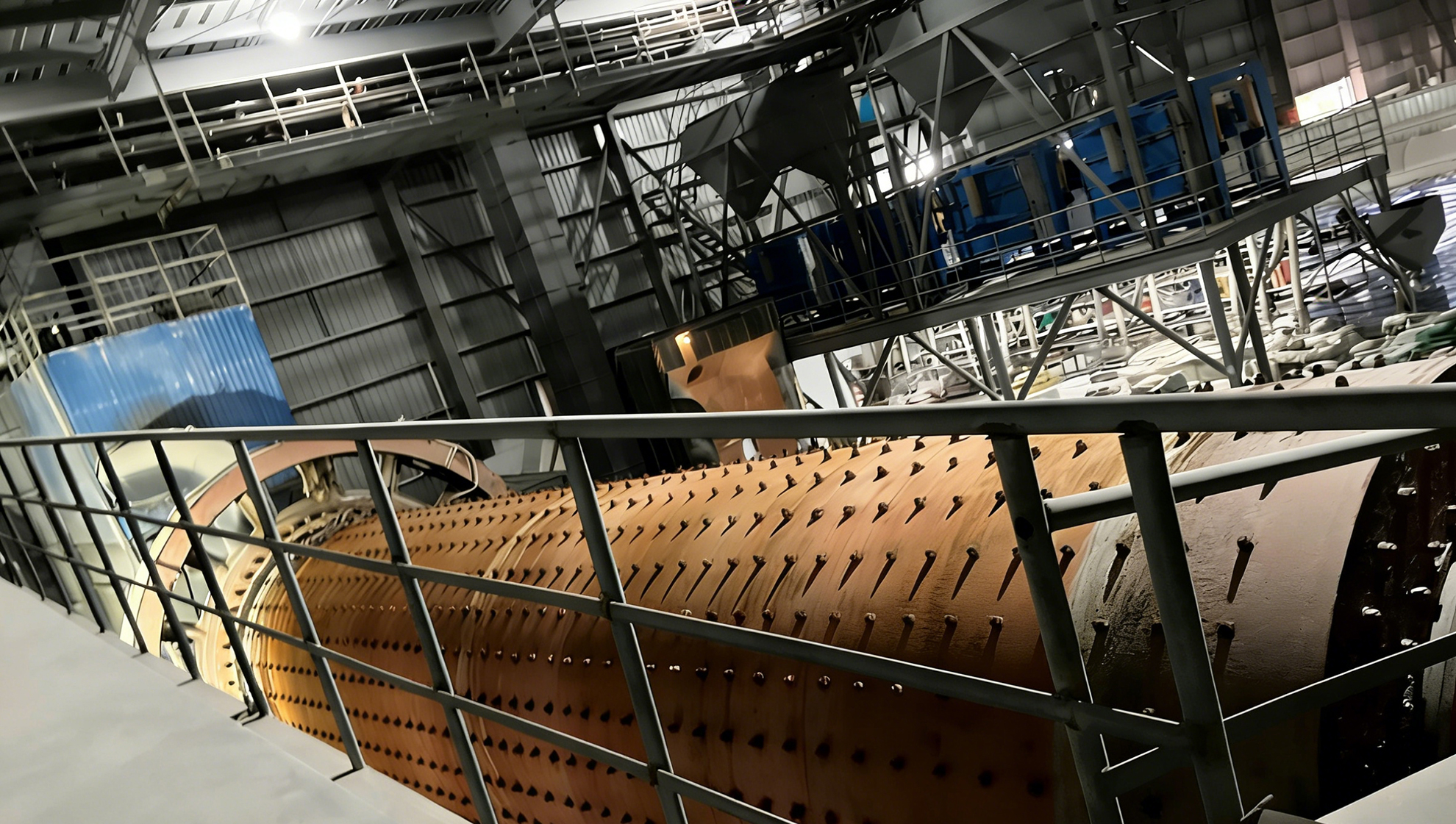
Golden Fortune operates an ISO 17025-accredited laboratory for these tests, and each shipment of Portland cement 42.5 R includes a certificate of analysis with 2-day and 28-day strength curves.
6. Compatibility with Supplementary Cementitious Materials (SCMs)
In sustainable construction, 42.5 R is often blended with SCMs to lower carbon footprint and improve durability. However, incompatibility can arise due to changes in pore water chemistry.
GGBFS (Ground granulated blast-furnace slag): Replacement levels up to 40% maintain 28-day strength above 42.5 MPa. Activation of slag requires alkalis from cement; 42.5 R with Na2Oeq > 0.7% is preferred. Slag fineness ≥ 400 m²/kg improves early strength compensation. Golden Fortune offers ultrafine GGBFS specifically engineered for 42.5 R blends.
Fly ash (Class F): Replacement limited to 20% for high-early-strength applications; higher levels reduce 2-day strength significantly.
Silica fume: 5-10% addition increases 24-hour strength by up to 30% but increases water demand; superplasticizer dosage must be adjusted.
A recommended blended mix for a precast beam: 70% Portland cement 42.5 R + 30% GGBFS, w/c=0.38, PCE superplasticizer 1.2%. This yields 24-hour strength of 28 MPa and reduces heat rise by 30% compared to neat 42.5 R.
7. Storage, Handling, and Moisture Sensitivity
Due to its fine grinding, 42.5 R absorbs atmospheric moisture faster than lower-strength cements. Silo storage should maintain relative humidity below 50% and use aeration with dry air (dew point ≤ -10°C). If cement is stored for more than 4 weeks in humid conditions, pre-use testing for loss on ignition (LOI) and setting time is mandatory. LOI exceeding 5% indicates carbonation and partial hydration—do not use for structural concrete. Bagged 42.5 R must be stacked on pallets with plastic wrapping and used within 45 days of production.
Frequently Asked Questions (FAQ) About Portland Cement 42.5 R
Q1: What is the difference between Portland cement 42.5 R and 42.5 N
in terms of 2-day strength?
A1: 42.5 R achieves a minimum 2-day
compressive strength of 10 MPa (EN 197-1) while 42.5 N only guarantees 7-day
strength (no 2-day requirement). In practice, 42.5 R typically delivers 15–22
MPa at 2 days, whereas 42.5 N reaches 10–14 MPa at the same age. This rapid gain
allows earlier formwork stripping.
Q2: Can I use Portland cement 42.5 R for mass concrete
foundations?
A2: Direct use without modifications is not advised due
to high heat evolution. To avoid thermal cracking, replace 25–40% of the
Portland cement 42.5 R with GGBFS or fly
ash. Also, use formwork insulation and limit placement lifts to 500 mm. For very
thick sections (> 1.5 m), select a low-heat cement (Type LH) instead.
Q3: How should I adjust my mix when switching from 32.5 N to 42.5
R?
A3: Reduce total cementitious content by 8–12% to maintain equal
28-day strength, because 42.5 R has higher specific activity. For example,
replace 350 kg/m³ of 32.5 N with 310 kg/m³ of 42.5 R. Also, increase the
superplasticizer dosage by 15–20% to maintain slump due to higher fineness.
Verify setting time with a trial batch.
Q4: Does Portland cement 42.5 R have lower sulfate resistance than
lower-strength cements?
A4: In general, 42.5 R has moderate sulfate
resistance only if the C3A content is controlled below 8%. For high sulfate
exposure (soil or water with SO4 > 1500 ppm), specify a sulfate-resisting
cement (SRPC) rather than standard 42.5 R. However, blending with 50% GGBFS
improves sulfate resistance significantly.
Q5: What standard tests should I request from my cement supplier
before accepting a shipment of 42.5 R?
A5: Mandatory tests: 2-day
and 28-day compressive strength (EN 196-1), initial and final setting time
(Vicat), fineness (Blaine), loss on ignition, and SO3 content. For projects
requiring thermal modeling, request heat of hydration at 41 hours and 72 hours
(isothermal calorimetry). Reputable suppliers like Golden
Fortune provide these certificates automatically.
Selecting the correct cement class for high-early-strength applications demands a complete evaluation of strength targets, element geometry, and curing conditions. Portland cement 42.5 R offers distinct advantages in turnover speed and cold-weather performance, but must be managed with appropriate SCM blends and admixture strategies to avoid heat or workability issues. For detailed technical data sheets, customized mix design assistance, or to request a quotation for bulk supply of Portland cement 42.5 R, contact the Golden Fortune team today.
Send your inquiry now — specify your required strength class, monthly volume, and delivery location. Our engineers will respond with a product datasheet and logistics proposal within 48 hours.
Request a quote or technical consultation from Golden Fortune