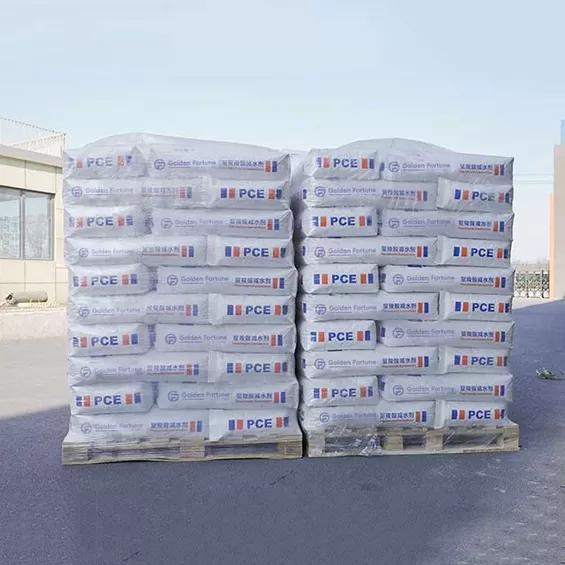
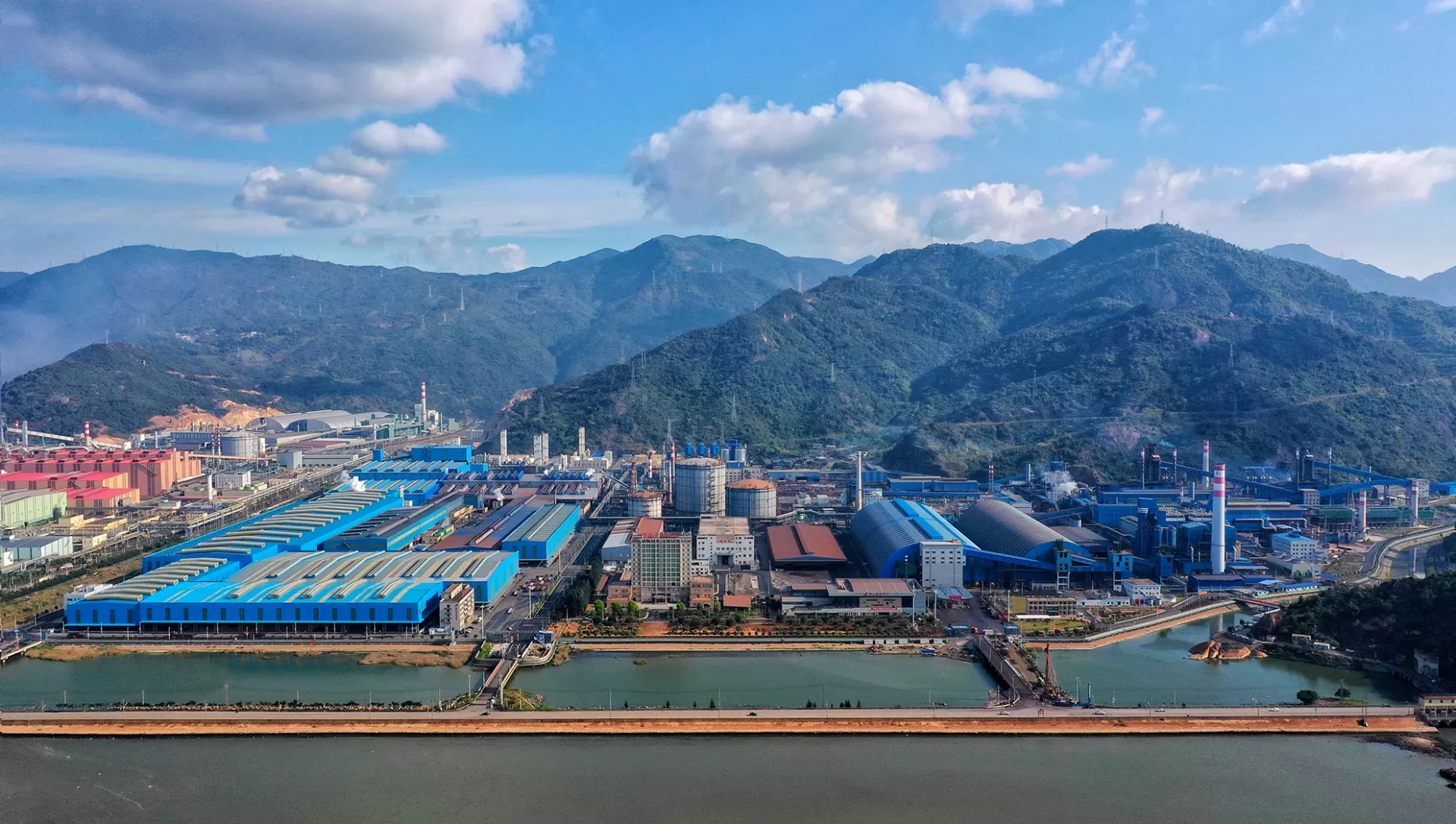
In contemporary construction, the specification of facade and internal wall finishes demands more than aesthetic appeal. Engineers and architects increasingly turn to cementitious plaster for its superior mechanical properties and long-term durability. Unlike conventional gypsum-based alternatives, hydraulic cement-based plasters offer a dense, water-resistant matrix that excels in high-humidity and high-traffic environments. This article dissects seven technical facets where modern formulations, particularly those enhanced with ground granulated blast furnace slag (GGBS), outperform traditional renders. As a partner in sustainable construction, Golden Fortune provides the ultrafine GGBS that elevates these plasters to meet stringent performance criteria.
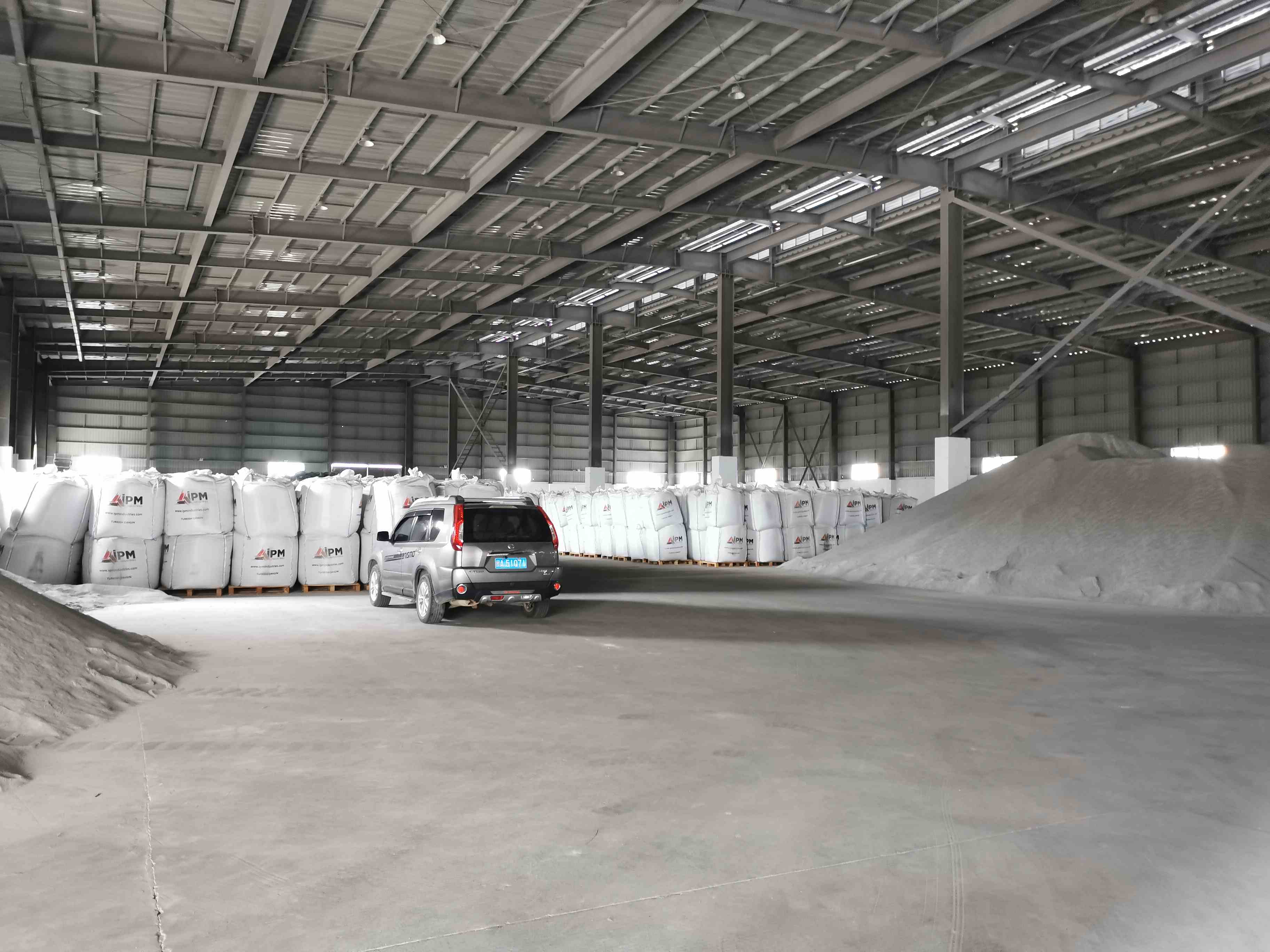
1. Hydraulic binding & enhanced microstructure
Traditional lime-cement renders often suffer from efflorescence and micro-cracking due to free lime. Advanced cementitious plaster relies on a balanced hydraulic system. When blended with supplementary cementitious materials (SCMs) like GGBS, the pore structure refines significantly. The latent hydraulic reaction of slag consumes calcium hydroxide, converting it into additional calcium silicate hydrate (C-S-H) gel—the primary strength-giving phase. This densification reduces capillary porosity, which directly correlates with lower water absorption and higher resistance to chloride ingress. Data from marine exposure sites indicate that plasters with 50% GGBS replacement exhibit a 40% reduction in capillary suction compared to plain OPC plasters.
1.1 The role of ultrafine particles
The particle size distribution of the binder dictates packing density. Golden Fortune’s ultrafine GGBS (specific surface area >800 m²/kg) acts as a microfiller, further densifying the interfacial transition zone between aggregate and binder. This results in a cementitious plaster that not only gains higher early strength but also exhibits self-healing characteristics in micro-cracks due to continued pozzolanic activity.
2. Sulfate & chemical resistance in aggressive environments
Specifying cementitious plaster for wastewater treatment plants or industrial floors requires meticulous attention to binder chemistry. GGBS-based systems are inherently resistant to sulfate attack because the reduced tricalcium aluminate (C₃A) content and the absence of free lime eliminate the formation of expansive ettringite and thaumasite. In accelerated laboratory tests per ASTM C1012, mortars containing 70% GGBS show expansion values below 0.05% after 6 months in 5% sodium sulfate solution—well within the high-resistance classification. This chemical stability ensures that the plaster matrix remains intact even when exposed to mild acid attacks or aggressive groundwater.
2.1 Mitigating alkali-silica reaction (ASR)
Another durability benefit arises from the reduced permeability. By lowering the mobility of alkalis, GGBS-enriched cementitious plaster minimizes the risk of deleterious ASR when reactive aggregates are inadvertently used. For contractors working in regions with uncertain aggregate quality, this provides an added safety margin.
3. Optimized workability & reduced plastic shrinkage
One practical challenge with traditional cement renders is plastic shrinkage cracking during hot weather. The smooth, glassy morphology of GGBS particles improves the rheology of the fresh mix, allowing a reduction in mixing water by up to 10% while maintaining the same slump. This lower water-to-binder ratio, combined with the slower hydration kinetics of slag, extends the open time and reduces the evaporation rate from the surface. Consequently, applicators can achieve a smoother finish with fewer cold joints. Field trials by Golden Fortune across Southeast Asia have demonstrated that GGBS-modified cementitious plaster exhibits 30% less plastic shrinkage crack area compared to straight OPC controls under identical drying conditions.
4. Carbon footprint & life cycle assessment
Environmental product declarations (EPDs) are now mandatory for major infrastructure projects. Replacing 50–70% of Portland cement with GGBS in a cementitious plaster formulation reduces the embodied CO₂ by approximately 40–55%, since GGBS is a by-product of the iron industry with minimal intrinsic carbon. Furthermore, the extended service life due to improved durability means fewer repairs and replacements over a building's life. For LEED v4.1 and BREEAM certifications, specifying such low-carbon plasters contributes directly to credit categories like "Life Cycle Assessment" and "Material Ingredients."
4.1 Circular economy contribution
Using industrial by-products aligns with circular economy principles. Golden Fortune sources high-quality GGBS that meets EN 15167-1 and ASTM C989 standards, ensuring that the plaster not only performs but also meets the growing regulatory demand for sustainable sourcing.
5. Application versatility: from high-rise to heritage
The mechanical flexibility of modern cementitious plaster allows it to be used in diverse scenarios:
High-rise facades: Its high bond strength ( >1.0 MPa) prevents delamination under wind load.
Refurbishment of heritage buildings: Low-salt formulations prevent damage to original masonry.
Waterproofing layers in wet rooms: With suitable admixtures, capillary absorption drops below 0.2 kg/m²·h⁰·⁵.
Fire-resistant cladding: The incombustible mineral matrix offers Euroclass A1 reaction to fire.
Each application demands specific binder proportions, and GGBS content can be tuned between 20% and 70% to achieve the desired setting time and final strength.
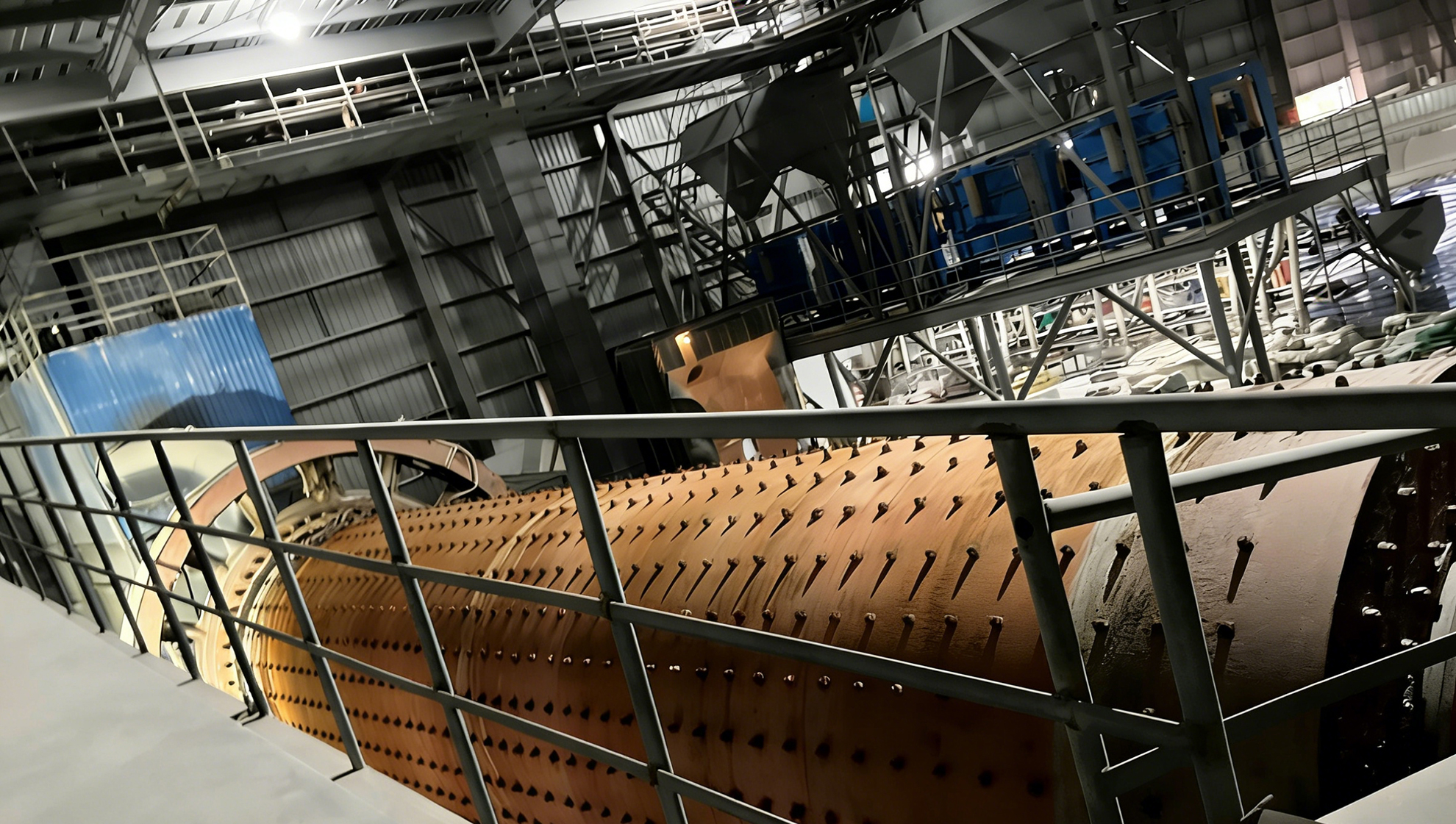
6. Engineering parameters & quality control
For specifiers, the following technical benchmarks define a high-performance cementitious plaster:
Compressive strength (28d): Typically between 10 MPa and 25 MPa depending on the mix design. GGBS enhancement often pushes values to the upper bound.
Flexural strength: >4 MPa ensures resistance to substrate movement.
Water vapor permeability (μ value): Should remain below 20 to allow wall breathability, which is maintained even with dense GGBS mixes.
Adhesion to substrate: Pull-off tests should exceed 0.8 N/mm². The latent hydraulic reaction improves long-term adhesion as the slag continues to react over months.
Quality control in the batching plant is critical. The precise dosing of GGBS requires accurate weigh hoppers and moisture sensors, as the ultrafine material has a higher water demand if not compensated with superplasticizers.
7. Economic analysis: lower total cost of ownership
While the initial material cost of GGBS-blended cementitious plaster may be comparable to standard mixes, the total cost of ownership is significantly lower. A 25-year life cycle cost model for a commercial tower in a coastal environment showed that the maintenance interval for GGBS plaster extends from 7 years to 12 years, halving the expenditure on patch repairs and recoating. Moreover, the higher early strength allows faster formwork stripping and subsequent trades to begin earlier, shaving days off the construction schedule. For large-scale projects, this time saving directly impacts the bottom line.
Frequently asked questions (FAQ)
Q1: What exactly is cementitious plaster and how is it different from
stucco?
A1: Cementitious plaster refers to a blend of hydraulic cement (Portland or blended), graded aggregates,
and often additives that set and harden by chemical reaction with water. Stucco
is essentially a subset—typically a lime-cement plaster used on exteriors.
Modern cementitious plasters include performance modifiers like polymers or GGBS
to enhance flexibility, adhesion, and durability, whereas traditional stucco
relies primarily on a simple cement-lime-sand mixture.
Q2: Can cementitious plaster be applied over painted surfaces or
gypsum boards?
A2: Direct application over painted surfaces is not
recommended without proper mechanical keying or a bonding bridge. For gypsum
boards, a dedicated basecoat or a bonding slurry is required. However, a
well-formulated cementitious plaster containing GGBS typically
exhibits superior adhesion to properly prepared concrete and masonry substrates.
Always consult the manufacturer’s technical data sheet; Golden Fortune provides
detailed application guidelines for its GGBS-enhanced systems to ensure
substrate compatibility.
Q3: How does the addition of GGBS affect the setting time of
cementitious plaster?
A3: GGBS hydrates more slowly than Portland
cement, which can extend the initial setting time by 30–60 minutes depending on
dosage and ambient temperature. This is often an advantage in hot climates as it
reduces the risk of flash setting and allows more time for finishing. For
projects requiring early turnaround, accelerators or a higher OPC ratio can be
used. Golden Fortune’s technical team can help optimize the mix to balance
workability and schedule.
Q4: Is cementitious plaster breathable? Will it trap moisture in
walls?
A4: Yes, cementitious plasters are generally breathable, but
the degree depends on the binder density. Traditional cement renders can be
quite impermeable, leading to moisture buildup behind the plaster. By contrast,
GGBS-based cementitious plaster can be designed to have a
balanced pore structure—fine enough to resist liquid water but open enough to
allow water vapor diffusion. When combined with proper drainage and capillary
breaks, it actually helps regulate indoor humidity.
Q5: What thickness is typically applied, and is reinforcement
needed?
A5: Typical thicknesses range from 10 mm to 20 mm per coat.
For single-coat applications up to 15 mm, reinforcement is usually not needed if
the substrate is stable. For thicker builds or over dissimilar materials, a
galvanized steel mesh or fiberglass mesh embedded in the basecoat is recommended
to control cracking. The use of GGBS reduces shrinkage, so the risk of map
cracking is lower even at slightly higher thicknesses.
Q6: How does Golden Fortune’s GGBS specifically improve the plaster’s
performance?
A6: Golden Fortune specializes in
ultrafine GGBS (specific surface area typically >800 m²/kg). This
ultra-fineness accelerates the pozzolanic reaction at early ages compared to
standard GGBS, while still delivering the long-term durability benefits. In
plaster applications, this translates to better surface finish (fewer bug
holes), higher early bond strength (by 7 days), and a denser matrix that resists
efflorescence. Our product is rigorously tested for consistent chemical
composition, ensuring every batch of plaster performs as engineered.
Q7: Are there any special curing requirements for GGBS-based
cementitious plaster?
A7: Proper curing is even more critical for
GGBS blends because the latent hydraulic reaction requires moisture to continue.
For the first 3 to 7 days, the plaster should be kept damp—either by water
spraying, covering with wet burlap, or using a curing compound that retains
moisture. When specified by Golden Fortune’s team, the curing regime ensures the
plaster reaches its designed strength and durability potential.
In summary, the evolution of cementitious plaster from a simple protective layer to a high-performance engineered system is driven by the intelligent use of SCMs like GGBS. The data confirms improvements in mechanical strength, durability, and sustainability—all while maintaining cost competitiveness. For engineers and contractors aiming to meet modern building codes and green certifications, collaborating with a knowledgeable supplier such as Golden Fortune ensures that the plaster specified is not just a coating, but a long-term investment in structural integrity.