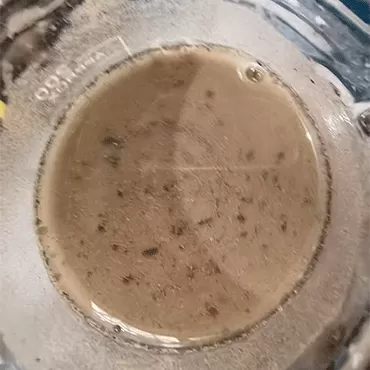
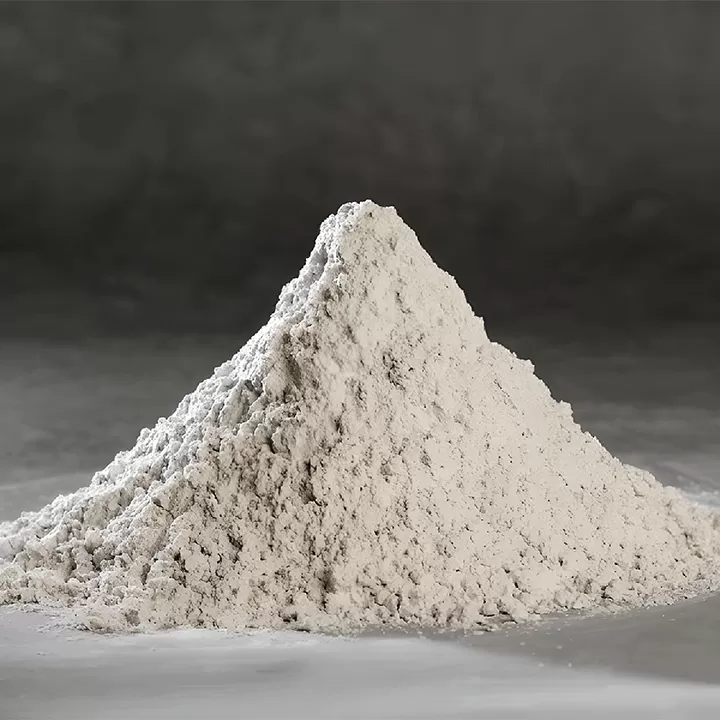
In any multi‑layer construction system—whether industrial flooring, waterproofing membranes, or exterior wall coatings—the performance of the final finish depends almost entirely on the quality of the substrate preparation. A high‑performance cementitious primer acts as the molecular bridge between the base concrete and subsequent layers, ensuring mechanical interlock, chemical compatibility, and long‑term durability. This article examines the formulation, application, and benefits of modern cementitious primer systems, with a focus on how supplementary materials—particularly ultrafine GGBS from Golden Fortune—can elevate performance to meet the most stringent specifications.
1. What is a Cementitious Primer and Why is it Essential?
A cementitious primer is a low‑viscosity, cement‑based coating applied to prepared concrete, masonry, or screed surfaces prior to the main topping, coating, or adhesive. Its primary functions include:
Consolidating loose particles: Penetrates into surface pores, binding dust and friable material to create a sound base.
Regulating suction: Prevents rapid water loss from subsequent layers, which can cause poor hydration, curling, or blistering.
Enhancing adhesion: Provides a chemically compatible surface for epoxy, polyurethane, cementitious overlays, or tile adhesives.
Blocking moisture and salts: Reduces the risk of efflorescence and acts as a partial vapour barrier.
Without a properly formulated primer, even the most advanced topcoats can fail prematurely—delamination, peeling, and surface staining are common consequences. A well‑engineered cementitious primer mitigates these risks through a combination of physical penetration and chemical bonding.
2. Composition and Chemistry of Advanced Cementitious Primers
Traditional primers were simple dilute cement slurries, but modern formulations are sophisticated blends designed for specific substrates and exposure conditions. Typical constituents include:
Hydraulic binders: Portland cement (often white or grey) and/or calcium aluminate cement for rapid hardening.
Polymer modifiers: Acrylic, styrene‑acrylic, or vinyl acetate‑ethylene (VAE) dispersions that improve film formation, flexibility, and adhesion.
Fine fillers: Microsilica, limestone powder, or ultrafine GGBS to optimise particle packing and reduce permeability.
Additives: Dispersants to aid penetration, set retarders for extended working time, and re‑emulsifiable powders for dry‑mix products.
The key to high performance lies in the balance between binder and polymer. A cementitious primer must have low enough viscosity to penetrate micro‑cracks (down to 0.1 mm), yet sufficient solid content to leave a continuous film after water evaporation. Typical application rates range from 0.2 to 0.5 kg/m², depending on substrate porosity.
3. The Role of Ultrafine GGBS in Cementitious Primers
Ground granulated blast furnace slag (GGBS) is well known for its contribution to concrete durability. When incorporated into cementitious primer formulations—particularly at replacement levels of 20–40%—it offers unique advantages:
3.1 Micro‑filling and Pore Blocking
Ultrafine GGBS (specific surface >800 m²/kg) particles are smaller than cement grains, allowing them to penetrate deeper into substrate pores and create a denser interface. This reduces the effective water‑to‑cement ratio in the primer layer and limits capillary absorption. Tests show that primers containing ultrafine GGBS can reduce water absorption (ASTM C1585) by up to 40% compared to plain cement primers.
3.2 Enhanced Bond Strength
The latent hydraulic reaction of GGBS consumes calcium hydroxide at the interface, forming additional C‑S‑H gel that bridges the primer and the substrate. Pull‑off adhesion tests (ASTM D7234) on concrete substrates prepared with GGBS‑modified primers often exceed 1.5 MPa, significantly higher than the 0.8 MPa typical of unmodified systems.
3.3 Mitigation of Efflorescence
Efflorescence—the unsightly white deposit of calcium carbonate—occurs when soluble salts migrate to the surface. GGBS binds alkalis and reduces the permeability of the primer layer, hindering salt transport. This is particularly valuable when the primer is used under decorative coatings or in architectural concrete.
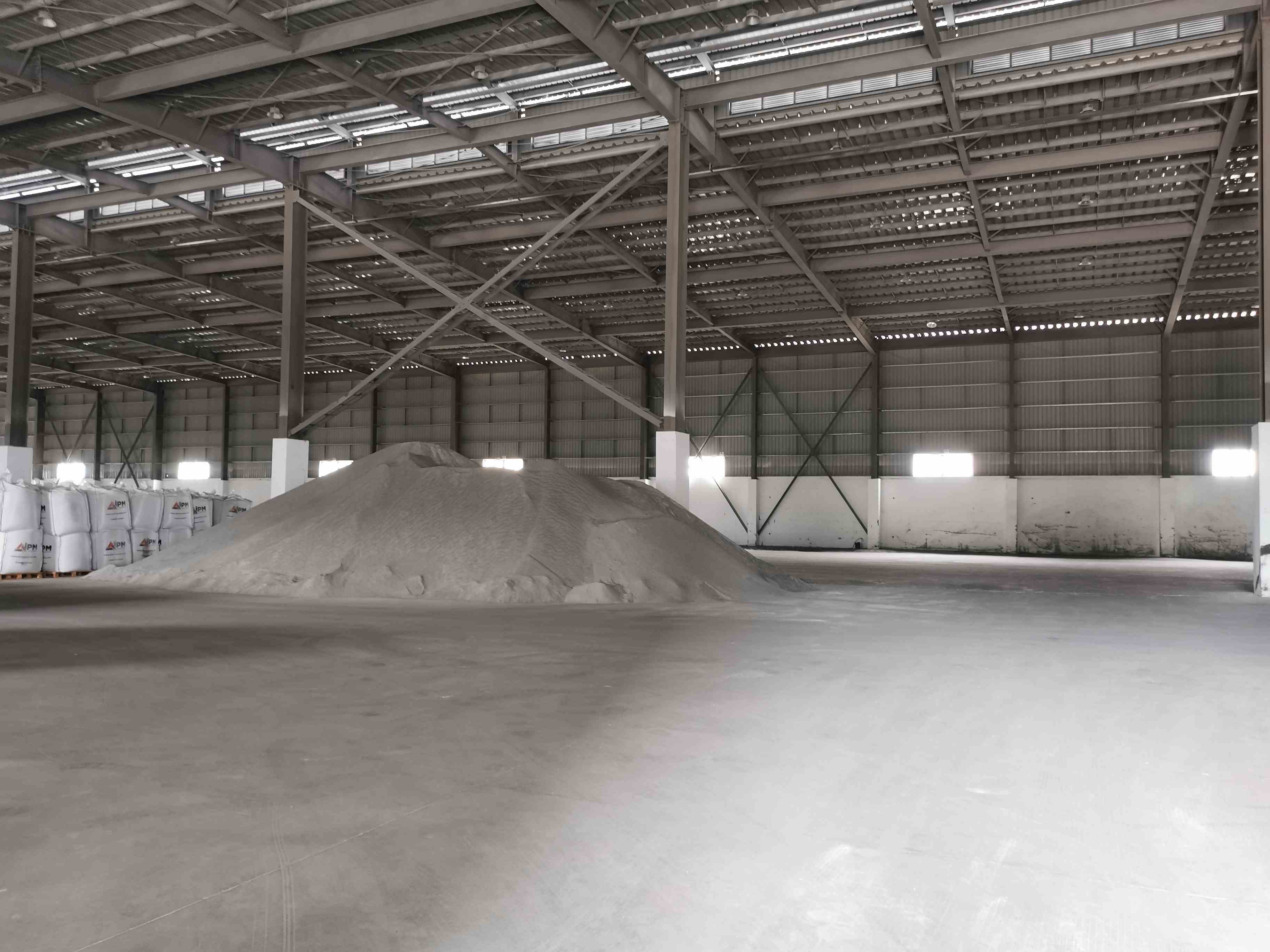
Golden Fortune supplies ultrafine GGBS with consistent fineness and chemical stability, allowing primer manufacturers to achieve these performance gains without compromising workability. Our technical team provides guidance on optimal dosage and mixing protocols to suit both ready‑to‑use liquid primers and powder‑based systems.
4. Application Scenarios and Technical Solutions
The versatility of cementitious primer makes it indispensable across multiple construction segments. Below we analyse three demanding applications and how advanced formulations address specific challenges.
4.1 Industrial Flooring Systems
In warehouses and factories, epoxy or polyurethane toppings are applied over concrete. The primer must not only bond but also resist hydrostatic pressure and chemical spills. A polymer‑modified cementitious primer containing GGBS provides a flexible, crack‑bridging layer that prevents the migration of plasticisers from the topping. Field data indicate a 30% reduction in edge lifting when such primers are used under heavy‑duty resin coatings.
4.2 Waterproofing and Below‑Grade Structures
For basement walls and tunnels, cementitious primers are used as a preparatory coat for sheet membranes or crystalline waterproofing. Here, low permeability and high bond to green concrete are critical. GGBS‑enriched primers excel because they continue to hydrate in damp conditions, sealing micro‑cracks that develop during curing. Projects utilising Golden Fortune GGBS have reported zero water leakage through primer‑coated substrates after 12 months of monitoring.
4.3 External Wall Coatings and Tile Fixing
On façades, temperature cycles and UV exposure test the primer’s durability. A cementitious primer with acrylic polymer and GGBS provides a breathable yet water‑repellent layer, reducing the risk of tile detachment or coating blistering. The fine GGBS particles also lighten the colour of the primer, minimising heat absorption in warm climates.
5. Industry Pain Points and Evidence‑Based Solutions
Despite the availability of advanced materials, many projects still suffer from primer‑related failures. The following table outlines common problems and the mechanisms by which modern formulations overcome them.
| Pain Point | Consequence | Solution via Advanced Cementitious Primer |
|---|---|---|
| High substrate porosity variation | Uneven suction → patchy appearance, weak spots | Primer with controlled viscosity and wetting agents penetrates uniformly; GGBS refines pore structure. |
| Alkali‑silica reaction (ASR) risk | Gel formation cracks the substrate | GGBS consumes alkalis, reducing ASR potential; primer acts as a barrier to moisture. |
| Dusting/friable surfaces | Poor adhesion of subsequent layers | Deep‑penetrating primer with polymer binds loose particles; ultrafine GGBS fills micro‑voids. |
| Rapid drying in hot climates | Premature setting, weak film | Retarder additives combined with GGBS slow hydration; polymer maintains film integrity. |
| Efflorescence under tiles | White stains, tile tenting | Dense GGBS‑modified primer reduces water transport; hydrophobic agents block capillary rise. |
These solutions are not theoretical—they are backed by laboratory testing and field experience. Golden Fortune collaborates with primer manufacturers to validate performance through standardised tests such as bond strength (EN 1542), water permeability (EN 1062‑3), and resistance to thermal shock.
6. Performance Metrics and Quality Assurance
When specifying a cementitious primer, engineers should look for quantifiable properties. Typical requirements for a high‑grade polymer‑modified primer containing GGBS include:
Tensile adhesion strength: ≥ 1.0 MPa after 28 days (EN 1542).
Capillary absorption: ≤ 0.1 kg·m⁻²·h⁻⁰·⁵ after 24 h (EN 1062‑3).
Water vapour permeability: Class I or II (breathable) according to EN ISO 7783.
Crack bridging ability: ≥ 0.1 mm at 23°C (if required for dynamic substrates).
Alkali resistance: No blistering or loss of adhesion after 14 days in saturated Ca(OH)₂ solution.
Formulations that incorporate ultrafine GGBS consistently achieve higher adhesion and lower permeability compared to those without, as demonstrated in comparative studies. For critical infrastructure—bridges, water treatment plants, tunnels—these metrics translate into extended service life and reduced maintenance costs.
7. Why Partner with Golden Fortune for Your Cementitious Primer Needs
With a focus on ultrafine GGBS production and technical innovation, Golden Fortune supports the construction chemicals industry with:
Consistent, high‑purity GGBS (fineness >800 m²/kg, activity index >105% at 28 days).
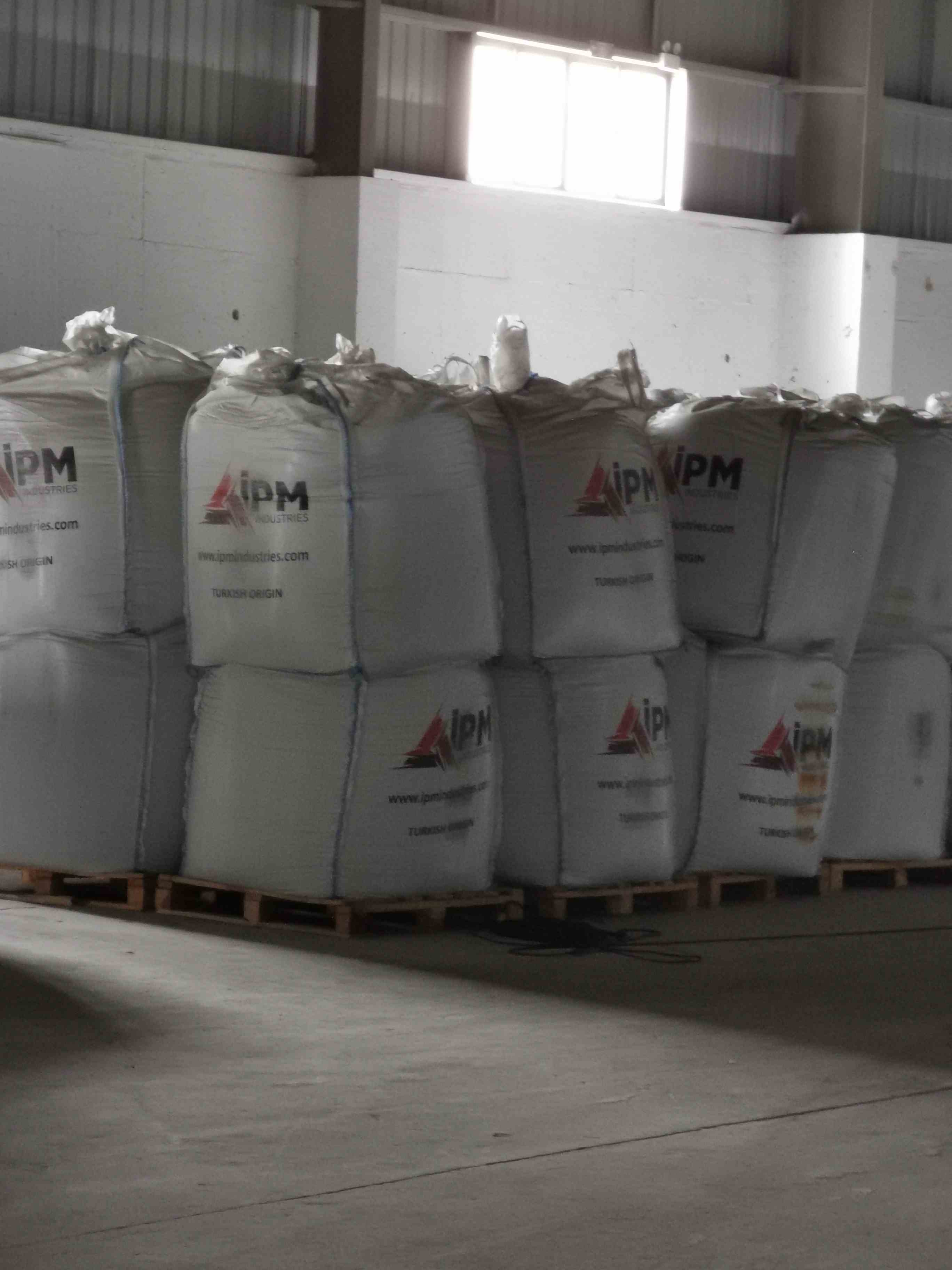
Customised logistics and packaging solutions for primer manufacturers worldwide.
Formulation support: our R&D team can help optimise your primer recipe for specific substrates or climatic conditions.
Sustainability credentials: GGBS is a low‑carbon material, contributing to LEED and BREEAM points for your projects.
Whether you produce powder‑based primers that require only on‑site mixing or ready‑to‑use liquid primers, Golden Fortune provides the raw material and expertise to ensure your cementitious primer outperforms expectations.
Frequently Asked Questions (FAQ)
Q1: What exactly is a cementitious primer, and how does it differ from a concrete sealer?
A1: A cementitious primer is a coating designed to prepare the substrate for subsequent layers—it typically contains hydraulic binders and polymers that penetrate and react with the surface. A concrete sealer, by contrast, forms a protective film on the surface to resist water and chemical ingress but does not necessarily improve adhesion for toppings. Primers are often used under sealers, but sealers are not substitutes for primers when bonding is critical.
Q2: Can I apply a cementitious primer over old paint or existing coatings?
A2: Generally, no. Cementitious primer relies on mechanical interlock with a porous, clean substrate. Old paint or coatings must be completely removed (by shot‑blasting, grinding, or chemical stripping) to expose the concrete. The primer can then bond directly to the mineral surface. In some cases, a specially designed bonding bridge may be used, but it is not a universal solution.
Q3: How does GGBS improve the performance of a cementitious primer?
A3: Ultrafine GGBS particles fill the capillary pores of both the primer and the substrate, reducing permeability and increasing density. Chemically, GGBS reacts with calcium hydroxide to form additional binder, strengthening the interface. This leads to higher adhesion, lower water absorption, and better resistance to efflorescence. Golden Fortune supplies GGBS with precisely controlled fineness to maximise these benefits without compromising workability.
Q4: What is the typical curing time before applying a topcoat over a cementitious primer?
A4: Curing time depends on the primer formulation, ambient conditions, and the type of topcoat. For water‑based polymer‑modified primers, a minimum of 4–6 hours at 20°C is common, but overnight curing is often recommended to ensure complete film formation. Solvent‑based primers may dry faster. Always refer to the manufacturer’s data sheet and conduct a moisture test (e.g., ASTM D4263) before proceeding.
Q5: Can a cementitious primer be used on green (fresh) concrete?
A5: Yes, many cementitious primer formulations are designed for application on concrete that is 1–3 days old, as soon as it can support foot traffic. This is particularly useful in fast‑track projects. However, care must be taken to avoid sealing in excessive moisture that could lead to blistering of impervious topcoats. Primers containing GGBS have lower heat of hydration, reducing the risk of thermal shock on young concrete.
Q6: How do I calculate the required quantity of cementitious primer for a given substrate?
A6: The consumption depends on substrate porosity and surface profile. As a rule, a rough substrate (e.g., shot‑blasted concrete) may require 0.3–0.5 kg/m², while a smooth, dense surface might need only 0.2 kg/m². It is advisable to apply a test area to determine actual coverage. For porous or uneven substrates, two thin coats may be more effective than one thick coat.
Q7: Does using a cementitious primer with GGBS contribute to green building certifications?
A7: Absolutely. GGBS is a recycled industrial by‑product with a significantly lower carbon footprint than Portland cement. Using a primer that incorporates GGBS can contribute to LEED v4 credits (e.g., MR Credit: Building Product Disclosure and Optimization – Sourcing of Raw Materials) and BREEAM criteria for life cycle assessment. Golden Fortune provides environmental product declarations (EPD) and test data to support certification.
For detailed technical datasheets, application guidelines, or to discuss your specific project requirements with our specialists, visit www.ultrafineggbs.com. Let Golden Fortune help you engineer the perfect cementitious primer solution.