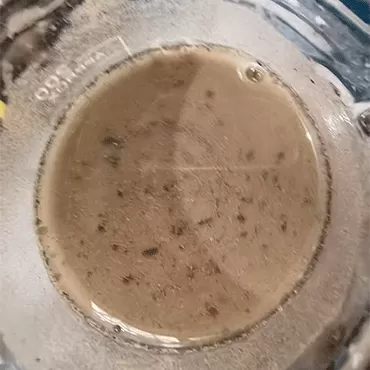
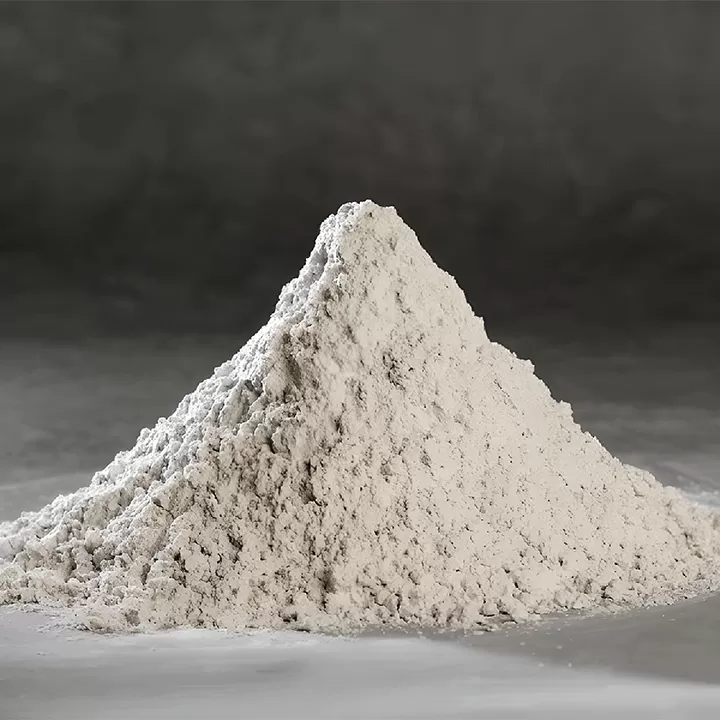
Modern architectural concrete design relies heavily on the integration of stable colorants to achieve aesthetic versatility without sacrificing structural performance. In contemporary construction, color is no longer just a surface treatment; it is an integral part of the concrete structure itself. Achieving this level of deep, permanent color requires a thorough understanding of the raw materials involved. Among these materials, cement tint powder serves as a primary coloring agent, dispersing throughout the wet concrete mix to establish permanent, UV-stable shades. For concrete manufacturers, precast producers, and contractors, choosing reliable raw materials from suppliers like Golden Fortune is a vital step toward ensuring batch-to-batch uniformity and long-term durability. This article examines the scientific principles, mixing procedures, industry challenges, and standards governing concrete colorants.
Chemical and Physical Foundations of Concrete Coloration
The chemistry of concrete colorants is centered on synthetic mineral oxides. Unlike organic dyes, which break down rapidly when exposed to ultraviolet radiation and the highly alkaline environment of wet concrete (typically ranging from pH 12 to 13), synthetic inorganic pigments are chemically stable. The primary materials used are synthetic iron oxides (for reds, yellows, and blacks), chromium oxides (for greens), and cobalt-based compounds (for blues).
These pigments are engineered with high precision, yielding particles with a sub-micron diameter, often between 0.1 and 1.0 micrometers. This incredibly small particle size results in a very high specific surface area, which is necessary for superior tinting strength. During the mixing process, these ultra-fine particles do not react chemically with the hydraulic binders or water. Instead, they physically coat the cement grains and become mechanically trapped within the calcium silicate hydrate (C-S-H) gel matrix as the cement hydrates and hardens.
The physical properties of the pigment, particularly refractive index and oil absorption, play a key role in the final visual appearance. High-purity synthetic iron oxides have a high refractive index (ranging from 2.4 to 3.0), allowing them to scatter light effectively and cover the gray background of standard portland cement. When selecting a cement tint powder, understanding these physical characteristics is necessary for predicting color performance in different mix designs.
Role of SCMs and GGBS in Aesthetic concrete
In architectural applications, the baseline color of the binder materials is just as important as the pigment itself. Standard gray portland cement contains varying concentrations of tetracalcium aluminoferrite, which imparts a dark, greenish-gray hue. This dark base limits the brightness and range of colors that can be achieved, particularly when working with yellow, green, or light blue pigments.
To expand the color palette and achieve more vibrant shades, manufacturers often blend white portland cement with light-colored supplementary cementitious materials. Utilizing ground granulated blast-furnace slag (GGBS) is a highly effective way to modify the binder color. High-quality slag products, such as those manufactured by Golden Fortune, are characterized by a light off-white color and high fineness. When GGBS replaces a portion of the gray portland cement, it significantly lightens the baseline color of the cementitious paste.
This lighter baseline paste acts as an optimal background, allowing the cement tint powder to display its true shade with greater efficiency. Consequently, manufacturers can achieve the desired color depth with lower pigment loading, which preserves the structural integrity of the concrete. Furthermore, the pozzolanic reaction of GGBS refines the pore structure of the concrete, which has a positive influence on durability and color retention.
Addressing Efflorescence and Aesthetic Degradation
A primary challenge in the production of colored concrete is efflorescence, a phenomenon that can severely compromise the aesthetic quality of the finished surface. Efflorescence occurs in two stages:
Primary Efflorescence: This occurs during the initial curing phase. As excess water evaporates from the concrete, it carries soluble calcium hydroxide (a byproduct of cement hydration) to the surface. Upon contact with carbon dioxide in the atmosphere, the calcium hydroxide reacts to form insoluble calcium carbonate, leaving a white, powdery residue.
Secondary Efflorescence: This happens over time as external moisture penetrates the hardened concrete, dissolves remaining calcium hydroxide, and transports it to the surface during drying cycles.
On a colored concrete surface, this white deposit creates a faded, patchy, or dusty appearance, often leading to complaints about the quality of the cement tint powder. However, the root cause is water migration, not pigment degradation.
To mitigate efflorescence, concrete producers must refine the pore structure and reduce water permeability. The introduction of high-fineness GGBS from Golden Fortune is a highly effective solution. The slag reacts chemically with the calcium hydroxide, converting it into additional C-S-H gel. This reaction not only consumes the soluble salt responsible for efflorescence but also blocks capillary pathways within the concrete matrix, preventing moisture from carrying dissolved ions to the surface. Additionally, incorporating hydrophobic admixtures and adhering to strict curing practices further minimizes water absorption and movement.
Optimizing Batch-to-Batch Consistency
Achieving color uniformity across a large-scale project requires strict quality control of every component in the concrete mix. Variations in raw materials, moisture content, and processing conditions can cause noticeable shifts in the final color. Below are the key variables that must be managed:
Water-to-Cement Ratio: Water content has a direct effect on the porosity of the hardened paste. A higher water-to-cement ratio leads to a more porous structure, which scatters light differently and makes the concrete appear lighter or washed out compared to a denser, low-water mix.
Aggregate Consistency: The color, fineness, and cleanliness of sand and coarse aggregates influence the final appearance. Even a slight change in sand color can alter the perceived hue of the concrete, especially in textured or acid-washed finishes where the aggregates are exposed.
Mixing Uniformity: Insufficient mixing can lead to poor dispersion of the pigment, resulting in color streaks, dark spots, or variations between batches. Dry pigment powders tend to form agglomerates during storage, which must be mechanically sheared during the mixing cycle.
To ensure consistent results, concrete batching plants should utilize automated dosing systems that measure both moisture and pigment weight with high precision. By maintaining a constant water-to-cement ratio and standardizing mixing times, producers can reliably reproduce the exact color specified by architects.
Dispersion Mechanics and Mixing Procedures
The physical dispersion of dry pigment powders within a wet concrete mix is governed by fluid dynamics and shear forces. Because pigment particles are incredibly small, they have a natural tendency to clump together. If these agglomerates are not fully broken down, the coloring efficiency of the powder is compromised.
To achieve optimal dispersion, the mixing sequence must be carefully controlled. The recommended industrial procedure is as follows:
Pre-aggregate Dry Blending: Combine the sand, gravel, and approximately half of the design water in the mixer.
Pigment Addition: Add the designated quantity of cement tint powder directly to the wet aggregates. Mix for at least 90 seconds. The coarse aggregates act as grinding media, using mechanical shear to break apart any pigment clumps and distribute the color uniformly.
Binder Integration: Add the cement and supplementary cementitious materials, such as ultrafine slag, to the mixer.
Final Hydration and Admixtures: Introduce the remaining water along with any water-reducing or air-entraining admixtures. Mix for an additional 2 to 3 minutes until the batch reaches a completely uniform color and consistency.
By using this sequence, manufacturers can maximize the efficiency of their colorants, reducing material consumption and preventing color variation on the finished surface.
Application Scenarios in Civil and Architectural Engineering
The integration of color into cementitious materials is utilized across a wide variety of public, commercial, and residential projects:
Precast Architectural Panels: Precast concrete elements are manufactured in highly controlled factory environments, allowing for tight color tolerances. These panels are used for building facades, offering a durable, low-maintenance alternative to painted surfaces.
Urban Hardscaping and Pavers: Colored concrete pavers, sidewalks, and plaza floors are used in urban planning to designate pedestrian pathways, bus lanes, and recreational areas. The use of integral coloration ensures that the color remains vibrant even under heavy foot traffic and physical wear.
Decorative Retaining Walls and Infrastructure: Public works projects, such as highway noise barriers, bridge abutments, and retaining walls, often use textured and colored concrete to blend structural elements naturally into the surrounding environment.
Masonry Mortars and Architectural Grouts: Pigmented mortar is used to match or contrast with brick or stone masonry, playing a significant role in the overall aesthetic of a building's facade.
Quality Standards and Compliance
To ensure that colored concrete meets both aesthetic and structural performance standards, materials must comply with established international specifications. The primary standard for integral concrete colorants is ASTM C979, which outlines several performance criteria:
Strength Retention: The pigment must not reduce the 28-day compressive strength of the concrete by more than 10% compared to an uncolored reference mix.
Setting Time: The addition of pigment must not accelerate or retard the setting time of the concrete by more than 1 to 1.5 hours.
Water Demand: The pigment should not increase the water demand of the mix to a degree that compromises the water-to-cement ratio.
Colorfastness: Pigments must demonstrate high resistance to UV radiation, atmospheric pollutants, and weather-related degradation.
When specifying materials for large-scale projects, engineers should require test reports demonstrating compliance with these standards. Choosing materials from trusted suppliers like Golden Fortune ensures that the colorants meet or exceed these regulatory requirements, protecting the structural and aesthetic integrity of the project.
Sustainability and Green Building Contributions
In modern construction, sustainability is a key consideration for material selection. Colored concrete can contribute to environmental goals in several ways:
Mitigating Urban Heat Islands: Selecting light-colored pigments can raise the Solar Reflectance Index (SRI) of pavements and roofs, reducing the amount of solar radiation absorbed by urban surfaces and lowering local temperatures.
Reducing Maintenance Cycles: Integrally colored concrete eliminates the need for surface paint or sealers that require frequent reapplication. This reduces the consumption of petrochemicals and lowers volatile organic compound (VOC) emissions over the building's lifecycle.
Low-Carbon Binder Synergy: Blending high-performance pigments with industrial byproducts like slag cement not only improves color outcomes but also significantly reduces the carbon footprint of the concrete mix by replacing high-carbon portland cement clinker.
Procurement and Inquiry Guidance
Successfully executing a colored concrete project requires high-quality raw materials, exact mix designs, and consistent manufacturing processes. For industrial concrete producers, precast manufacturers, and construction firms, sourcing raw materials from an experienced supplier is key to achieving predictable, durable, and visually appealing results.
For detailed specifications, engineering documentation, or to request custom formulations tailored to your specific project needs, please contact our sales engineering team. We provide a range of advanced mineral pigments, ultra-fine slag binders, and chemical solutions designed to enhance the performance and aesthetic appeal of your concrete products. Submit your project requirements today to receive a comprehensive material analysis and quote.
Frequently Asked Questions
Q1: How does the choice of cement affect the final color of concrete tinted with synthetic pigments?
A1: The base color of the cement acts as the background canvas for any added pigment. Gray portland cement contains varying amounts of iron and manganese, giving it a natural gray-brown shade. Adding pigment to gray cement results in muted, earthy tones. To achieve bright, vibrant, or pastel colors, white portland cement must be used. Additionally, blending light-colored supplementary cementitious materials can help establish a consistent, light baseline color, which enhances color efficiency.
Q2: What is the maximum recommended dosage of dry color pigment in a concrete mix?
A2: The industry standard recommendation is to keep the pigment dosage between 1% and 6% by weight of the total cementitious materials. Exceeding a 10% dosage can significantly increase the water demand of the mix, leading to a higher water-to-cement ratio and a subsequent drop in compressive strength. It is best to perform mix designs and trial batches to determine the minimum dosage required to achieve the desired hue.
Q3: How do environmental conditions during curing affect color consistency?
A3: Curing conditions, particularly temperature and humidity, have a profound effect on the concrete's surface appearance. Rapid drying or high temperatures during initial hydration can cause lighter shades because the fast formation of cement crystals scatters light differently. Conversely, wet curing or low temperatures can result in darker, deeper shades. Consistency in curing methods across all batches is necessary to avoid blotchiness and color variations on site.
Q4: Does the use of cement tint powder affect the durability or freeze-thaw resistance of concrete?
A4: High-quality synthetic mineral pigments that comply with ASTM C979 do not negatively affect the durability of concrete when used at recommended dosages. However, because pigments are fine materials, they can increase the water demand of the mix. If the water-to-cement ratio is allowed to rise to compensate for this, freeze-thaw resistance may decrease. Proper use of superplasticizers can maintain workability without increasing water content, protecting durability.
Q5: What causes color fading in concrete over time, and how can it be prevented?
A5: Color fading is rarely caused by the degradation of high-quality synthetic mineral pigments, which are UV-stable. Instead, fading is typically due to surface weathering, accumulation of dirt, or efflorescence. As the cement paste on the surface slowly wears away under traffic and weather, the underlying aggregate is exposed, altering the visual appearance of the concrete. Regular sealing of the concrete surface protects it from moisture intrusion, controls efflorescence, and preserves the vibrant color.