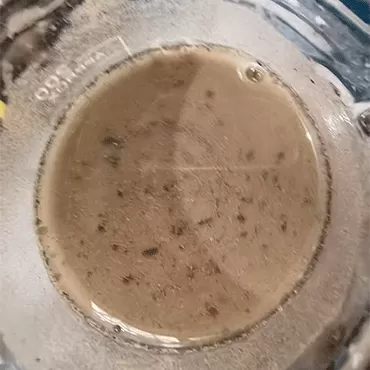
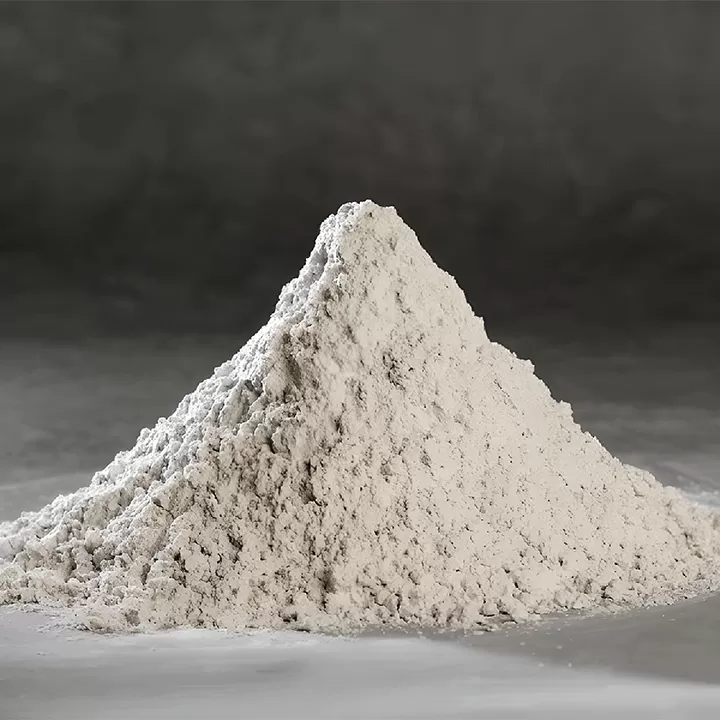
In modern industrial engineering, understanding the foundational materials of infrastructure design is a prerequisite for achieving structural longevity. Among these materials, hydraulic binders represent the primary component of civil engineering projects globally. Developing a comprehensive understanding about portland cement is necessary for structural designers, quality assurance professionals, and procurement officers who oversee massive concrete placements.
This analysis examines the scientific properties, chemical compositions, and specific industrial standards governing Portland cement. It also explores practical solutions to durability challenges through supplementary cementitious materials, ensuring high-performance outcomes for major infrastructure projects.
1. The Raw Material Composition and Clinkerization Process
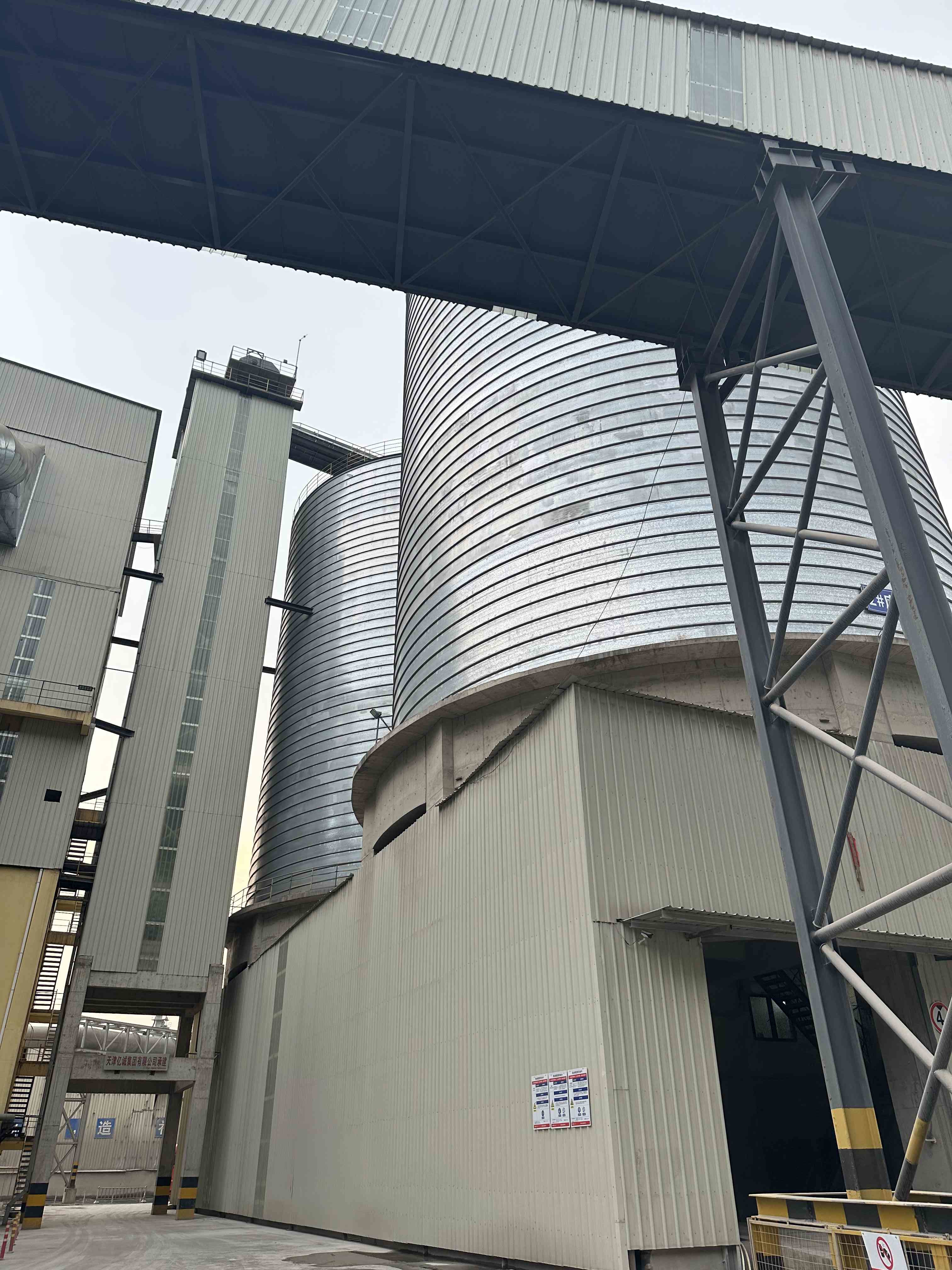
The manufacturing process of Portland cement is a precise pyropreparation system. It begins with the extraction and fine grinding of raw materials, primarily calcareous rocks (such as limestone) and argillaceous materials (such as clay, shale, or bauxite). These materials supply the necessary oxides: calcium oxide (CaO), silicon dioxide (SiO₂), aluminum oxide (Al₂O₃), and iron oxide (Fe₂O₃).
These raw materials are carefully proportioned and introduced into a rotary kiln operating at temperatures reaching 1400°C to 1450°C. At this temperature, decarbonation occurs, followed by partial sintering. This thermochemical process triggers a series of reactions that rearrange the chemical bonds, forming nodules known as clinker. When examining the raw material selection and kiln optimization about portland cement, engineering teams must monitor the Lime Saturation Factor (LSF) to prevent excess uncombined calcium oxide, which can cause soundness issues in the hardened concrete paste.
The Key Oxides and Their Ratios
Calcium Oxide (CaO): Comprising 60% to 67% of the mix, it is the primary constituent responsible for the formation of silicate phases.
Silicon Dioxide (SiO₂): Ranging between 17% and 25%, silica reacts with calcium to form compounds that dictate long-term compressive strength.
Aluminum Oxide (Al₂O₃): Making up 3% to 8% of the composition, alumina acts as a flux during burning, lowering the clinkerization temperature.
Iron Oxide (Fe₂O₃): Present at 0.5% to 6%, iron oxide assists as a fluxing agent and imparts the characteristic gray coloration to the finished binder.
2. Mineralogical Phases and Their Impact on Structural Performance
Once the clinker cools, it is interground with a small amount of calcium sulfate (typically gypsum) to regulate the setting time. The resulting powder consists of four primary mineralogical phases, commonly calculated using Bogue's equations. Understanding these phases is a key aspect of learning about portland cement performance characteristics under diverse load conditions.
Alite (Tricalcium Silicate - C₃S)
Alite typically constitutes 50% to 70% of the cement. It hydrates rapidly, providing the initial strength development within the first 7 to 28 days. Higher concentrations of Alite are desired in applications requiring rapid formwork removal or accelerated construction schedules.
Belite (Dicalcium Silicate - C₂S)
Belite represents 15% to 30% of the mineral composition. It hydrates at a much slower rate compared to Alite, contributing to the gradual, long-term strength gain beyond 28 days. Concrete formulations containing high Belite content exhibit lower heat generation, which is highly beneficial for massive foundation pours.
Aluminate (Tricalcium Aluminate - C₃A)
Aluminate makes up 5% to 10% of the binder. It is the most reactive phase, undergoing rapid hydration that can lead to flash set if gypsum is not added during grinding. Aluminate is highly vulnerable to sulfate attack, making its control a major focus for marine and subterranean infrastructure designs.
Ferrite (Tetracalcium Aluminoferrite - C₄AF)
Ferrite constitutes 5% to 15% of the composition. While it contributes minimally to the mechanical strength of the concrete matrix, it acts as an effective processing aid in the kiln and provides resistance to sulfate environments.
3. Standard ASTM Classifications and Application Guidelines
To match specific structural and environmental demands, standard specifications categorize the binder into distinct types. In North America, ASTM C150 defines these categories, and understanding these classifications helps designers make informed decisions about portland cement selection:
Type I (General Purpose): Used when the concrete is not subject to specific exposures, such as sulfate attack from soil or severe heat rise from hydration. Typical applications include pavements, floors, reinforced concrete buildings, and bridges.
Type II (Moderate Sulfate Resistance): Formulated with a maximum C₃A limit of 8%. This reduces susceptibility to sulfate attack and generates moderate hydration heat, making it suitable for drainage structures, retaining walls, and large piers.
Type III (High Early Strength): Ground to a higher fineness, this type accelerates hydration. It is suitable for cold-weather concreting, precast concrete manufacturing, and rapid highway repairs.
Type IV (Low Heat of Hydration): Designed with minimized C₃S and C₃A phases to limit thermal output. This type is used in massive concrete structures, such as gravity dams, where thermal cracking from internal heat accumulation is a serious concern.
Type V (High Sulfate Resistance): Formulated with a maximum C₃A limit of 5%. It is used in soils or groundwater with extremely high sulfate concentrations, such as wastewater treatment facilities and marine foundations.
Applying the correct type prevents premature concrete degradation, ensuring that structures meet their intended design lives without requiring early maintenance interventions.
4. The Hydration Phase and C-S-H Gel Formation
When mixed with water, the dry cement powder undergoes an exothermic chemical reaction known as hydration. Analyzing the precise steps about portland cement hydration reveals how a fluid slurry transforms into a dense, load-bearing artificial stone.
The primary reaction product responsible for the mechanical strength and low permeability of the concrete is Calcium Silicate Hydrate (C-S-H) gel. This gel forms a continuous network that binds the aggregates together. However, the hydration of C₃S and C₂S also produces a major byproduct: Calcium Hydroxide (Ca(OH)₂, also known as portlandite).
Unlike the stable C-S-H gel, portlandite is highly soluble, crystalline, and structurally weak. It constitutes up to 20% to 25% of the hydrated cement paste volume. Portlandite is susceptible to leaching by acidic waters, leaving behind empty voids that increase the permeability of the concrete matrix. This increased porosity allows harmful ions, such as chlorides and sulfates, to penetrate the concrete, leading to the corrosion of internal steel reinforcement. Reputable industrial suppliers like Golden Fortune provide high-activity mineral admixtures that mitigate this issue by converting soluble portlandite into secondary, stable C-S-H gel.
5. Mitigating Durability Vulnerabilities with Supplementary Binders
While Portland cement is an exceptionally versatile binder, it faces physical and chemical vulnerabilities when exposed to harsh environments. Industrial operations face several durability challenges, including:
Alkali-Silica Reaction (ASR): A chemical reaction between the highly alkaline pore solution of the cement paste and reactive silica present in certain aggregates. This reaction forms an expansive gel that absorbs water, causing internal pressure and map cracking.
Sulfate Attack: External sulfates from groundwater react with hydrated C₃A and calcium hydroxide to form expansive minerals like ettringite and gypsum. This leads to cracking, softening, and gradual loss of structural concrete integrity.
Thermal Cracking: In mass concrete, the temperature difference between the rapidly heating core and the cooler exterior surface creates tensile stresses that exceed the early-stage tensile capacity of the concrete.
To overcome these challenges, contemporary engineering specifications recommend replacing a portion of Portland cement with supplementary cementitious materials (SCMs). By integrating high-activity ground granulated blast furnace slag from Golden Fortune, engineers can refine the pore structure of the concrete matrix. This substitution limits the transport of moisture and aggressive chemical agents, significantly improving concrete durability under aggressive marine and underground conditions.
The inclusion of slag cement also lowers the heat of hydration, reducing the risk of thermal cracking in massive structural elements. This mineral interaction consumes the vulnerable calcium hydroxide byproducts, replacing them with stable calcium silicate hydrates that resist chemical attacks.
Optimizing Your Next Civil Engineering Project
Selecting the appropriate binding system is a key factor in ensuring the structural longevity and environmental compliance of major projects. For high-demand infrastructure, utilizing premium-grade supplementary materials alongside conventional cement is a reliable method for minimizing permeability and extending the lifecycle of concrete assets. Utilizing materials provided by Golden Fortune ensures that your concrete mixtures are formulated to withstand severe physical and chemical challenges.
Frequently Asked Questions
Q1: What is the primary difference between concrete and Portland
cement?
A1: Cement is a fine mineral powder that acts as the binding
agent within concrete. Concrete, on the other hand, is a composite material
produced by mixing cement, water, fine aggregates (sand), and coarse aggregates
(gravel or crushed stone).
Q2: Why is gypsum added during the final grinding stage of Portland
cement production?
A2: Gypsum (calcium sulfate) is added to control
the hydration rate of tricalcium aluminate (C₃A). Without gypsum, mixing cement
with water would cause an instantaneous reaction known as flash set, preventing
proper placement, compaction, and finishing of the concrete mixture.
Q3: How does the particle size (fineness) of cement influence its
performance?
A3: Finer cement particles have a larger surface area
per unit mass, which accelerates the hydration reaction. This results in faster
strength development (as seen in Type III cements), but it also increases the
rate of heat generation during the initial curing phase.
Q4: How does using Ground Granulated Blast Furnace Slag (GGBS)
improve concrete durability?
A4: GGBS acts as a supplementary
cementitious material. It reacts chemically with the calcium hydroxide byproduct
of cement hydration to produce additional calcium silicate hydrate (C-S-H) gel.
This process refines the pore structure, decreases permeability, lowers
hydration heat, and increases resistance to chemical attacks such as sulfate
exposure and chloride penetration.
Q5: What environmental factors should be considered when selecting a
cement type for marine structures?
A5: Marine structures are exposed
to high concentrations of chlorides and sulfates. To protect the concrete from
sulfate attack and to shield internal steel reinforcement from chloride-induced
corrosion, engineers typically specify cements with low C₃A content (such as
Type V or Type II) or blended cements incorporating high-quality slag or
pozzolanic materials.
Submit an Inquiry for Your Structural Material Needs
Developing robust infrastructure requires high-quality materials and precise design. If you are designing high-durability concrete mixes, managing mass concrete placements, or sourcing high-activity mineral admixtures for severe exposure environments, our team of materials experts is ready to assist. Reach out to Golden Fortune today to receive detailed technical specifications, product data sheets, and custom-tailored formulations for your specific project requirements.