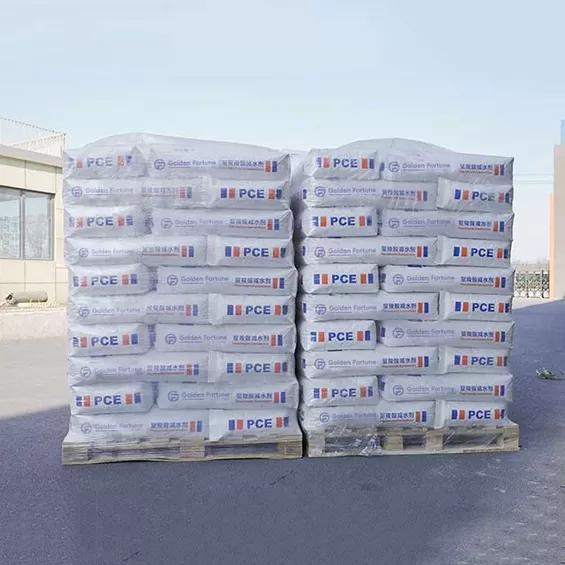
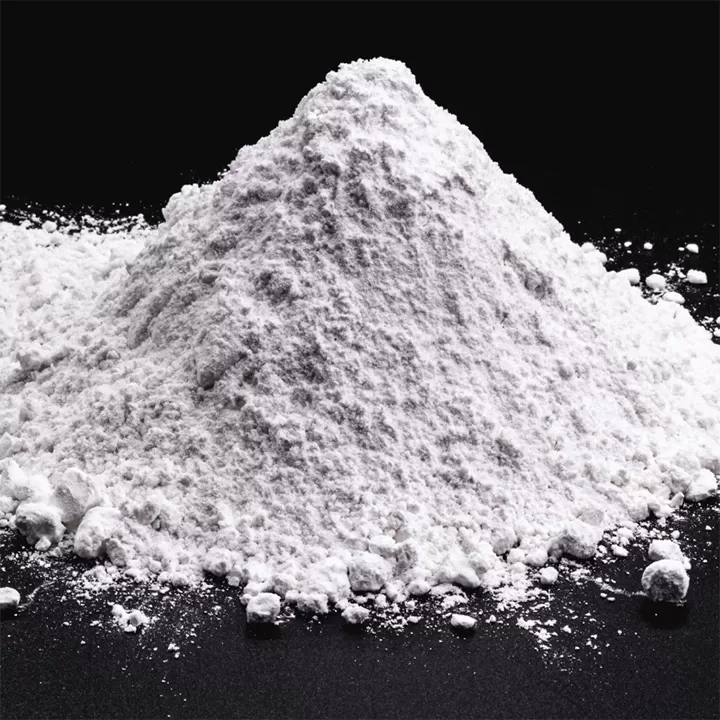
Selecting the right GGBS manufacturers is a critical decision for construction projects aiming for durability, strength, and a reduced environmental footprint. Ground Granulated Blast-furnace Slag (GGBS) is no longer just a supplementary cementitious material; it is a cornerstone of modern, sustainable concrete design. Its ability to enhance long-term performance while significantly cutting CO2 emissions makes the choice of supplier paramount. Reliable ggbs manufacturers do more than just sell a product. They provide consistent quality, technical expertise, and logistical support that ensures the material performs as specified on site. Companies like Golden Fortune have built their reputation on this foundation of reliability and quality, serving as trusted partners in major infrastructure projects worldwide.
When you partner with expert ggbs manufacturers, you are investing in the longevity and sustainability of your build. This guide explores the key aspects of the industry and what to look for in a supplier.
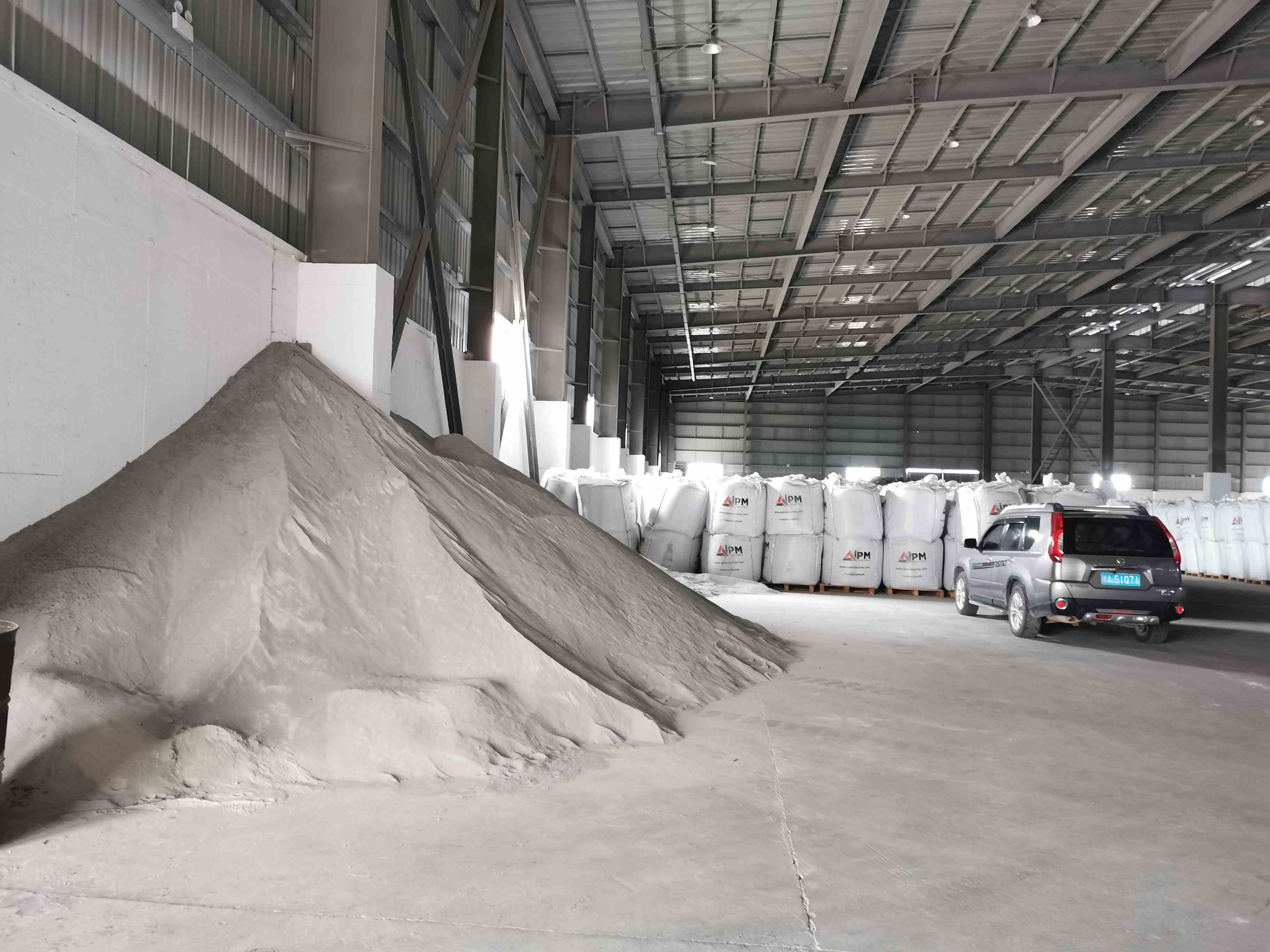
Understanding GGBS and Its Strategic Importance
GGBS is a by-product of the iron-making industry. When blast furnace slag is rapidly quenched with water and then ground to a fine powder, it becomes a highly reactive pozzolan. This process, carefully controlled by skilled ggbs manufacturers, transforms an industrial by-product into a valuable construction resource.
The strategic use of GGBS in concrete delivers measurable benefits:
- Enhanced Durability: It dramatically improves resistance to chemical attacks, including sulfates and chlorides, which is crucial for marine structures, foundations, and wastewater treatment plants.
- Higher Long-Term Strength: While early strength development may be slower, GGBS-concrete achieves greater ultimate strength and reduces permeability, leading to a denser, more resilient matrix.
- Thermal Control: The reduced heat of hydration minimizes the risk of thermal cracking in large pours like dams, raft foundations, and mass concrete units.
- Aesthetic Finish: It often provides a smoother, more consistent finish with a lighter color, which is desirable for architectural concrete.
The Production Process: A Mark of Quality
Not all slag is suitable for high-performance GGBS. Leading GGBS manufacturers begin with strict raw material selection from trusted iron producers. The granulation and grinding stages are where expertise matters most. The fineness of the final product, typically measured by its specific surface area (Blaine), is tightly controlled. Consistent fineness ensures predictable performance in concrete mix designs. Manufacturers employ advanced process control and continuous testing to guarantee every batch meets international standards like EN 15167-1 or ASTM C989.
How to Choose the Right GGBS Manufacturer
Your project's success depends on the supply chain. Selecting a manufacturer is not merely a procurement task; it is a technical partnership. Here are the core factors to evaluate.
Proven Experience and Industry Reputation
Look for manufacturers with a long-term presence in the market. Experience translates into process mastery, the ability to handle large and complex orders, and a deep understanding of regional application challenges. A strong reputation among specifiers, ready-mix companies, and major contractors is a reliable indicator of quality and service. A company like Golden Fortune, for instance, has established its position through decades of consistent operation and a portfolio of completed projects.
Commitment to Quality and Certification
Certifications are non-negotiable. Reputable ggbs manufacturers will have their production facilities and products certified to relevant international and national standards. Key certifications to look for include:
- ISO 9001 (Quality Management)
- ISO 14001 (Environmental Management)
- Product-specific marks (e.g., CE Marking in Europe)
- Regular third-party test reports from independent laboratories.
Always request mill test certificates for each shipment to verify chemical composition and physical properties.
Logistical Capabilities and Technical Support
A premium product is useless if it cannot be delivered reliably. Assess the manufacturer's logistical network:
- Production Capacity: Can they meet your project's volume demands?
- Storage & Handling: Do they offer silo solutions or bulk shipping options?
- Transportation: Do they have a reliable fleet or partnerships for timely delivery?
- Technical Service: The best manufacturers provide direct technical support to help with mix design optimization and on-site troubleshooting.
Sustainability: The Core Driver for GGBS Adoption
The environmental argument for GGBS is compelling. By replacing a significant portion of Portland cement clinker, it directly addresses the construction industry's carbon challenge.
GGBS manufacturers play a vital role in the circular economy. They divert a non-metallic slag from landfill and upcycle it into a high-value material. The carbon footprint of GGBS production is a fraction of that of Portland cement. Using it in concrete can typically reduce the embodied CO2 of the mix by 40-50%, and sometimes much more. This makes it a first-choice material for projects targeting green building certifications like LEED, BREEAM, or Green Mark. Sustainable ggbs manufacturers actively quantify and report these savings, providing Environmental Product Declarations (EPDs) to support their clients' sustainability goals.
Navigating the Global GGBS Supply Chain
The market for GGBS manufacturers is global, but supply is often regional due to the economics of transporting a bulk material. Major steel-producing regions naturally host the largest producers. When sourcing, consider the balance between local availability and imported material. While local sourcing reduces transport emissions and cost, consistent quality from a distant, highly specialized producer might be preferable for critical applications. Established international ggbs manufacturers have navigated these complexities, often setting up grinding plants or storage terminals in key markets to ensure stable supply. Partners like Golden Fortune understand these global dynamics, helping clients secure material that balances performance, cost, and sustainability regardless of location.
Choosing the right GGBS manufacturers is a strategic decision with long-term implications for your project's structural integrity, cost-effectiveness, and environmental credentials. It requires looking beyond price to evaluate technical capability, quality systems, and a genuine commitment to sustainable practice. By partnering with a reputable and experienced supplier, you gain more than a material; you gain expertise that contributes directly to project success. As the demand for low-carbon construction grows, the role of trusted industry leaders becomes ever more central to building a resilient future.
Frequently Asked Questions (FAQs)
Q1: What is the main difference between GGBS and fly ash?
A1: Both are supplementary cementitious materials, but they originate from different industries. GGBS is a by-product of iron production, while fly ash comes from coal-fired power stations. GGBS generally offers higher chloride resistance and later-age strength development. The choice depends on the project's specific technical requirements and local availability.
Q2: What are the key factors to check when evaluating GGBS manufacturers?
A2: Focus on their quality certifications (like ISO standards and product marks), the consistency of their mill test certificates, their production capacity and experience with projects of your scale, and the level of technical support they offer. Their commitment to sustainable practices, verified by EPDs, is also increasingly important.
Q3: Can GGBS be used in all types of concrete?
A3: GGBS is highly versatile and used in everything from ready-mix concrete to precast elements and mass concrete. However, its use in cold weather conditions requires careful planning due to its slower early strength gain. Consultation with the manufacturer and your concrete technologist is essential for specific applications.
Q4: How does sourcing from global vs. local ggbs manufacturers affect my project?
A4: Local sourcing typically offers lower transportation costs and a smaller logistics carbon footprint. Global or regional manufacturers might provide specific quality grades or consistent supply for very large projects. A reliable manufacturer will have a logistics strategy to ensure timely delivery regardless of distance.
Q5: What is a typical replacement level for cement with GGBS in a concrete mix?
A5: Replacement levels commonly range from 30% to 70% of the cement content, depending on the performance requirements. For general durability enhancement, 50% is a standard figure. In aggressive environments like marine settings, levels of 70% or higher can be specified. The optimal percentage should be determined through mix design trials.