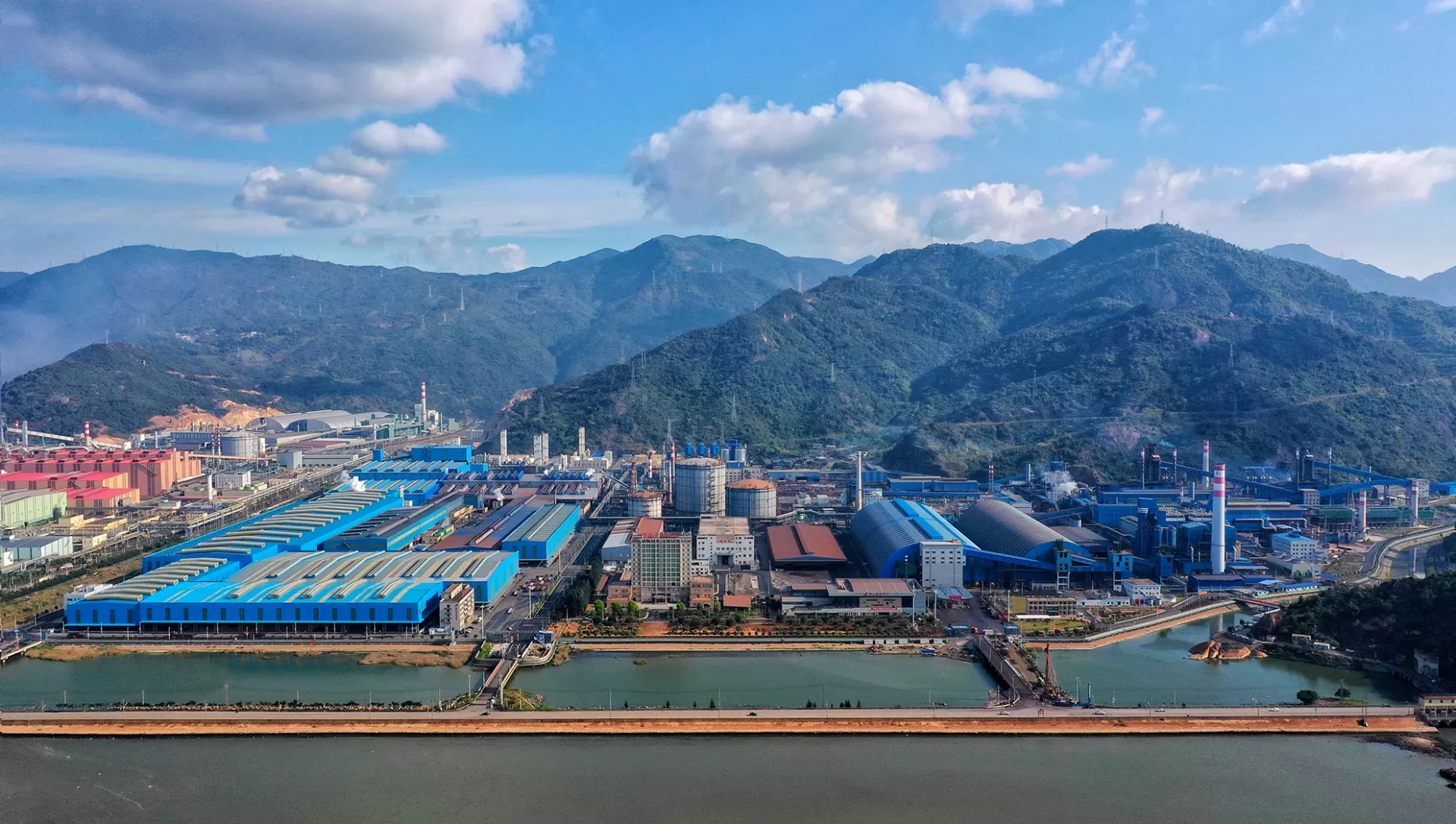
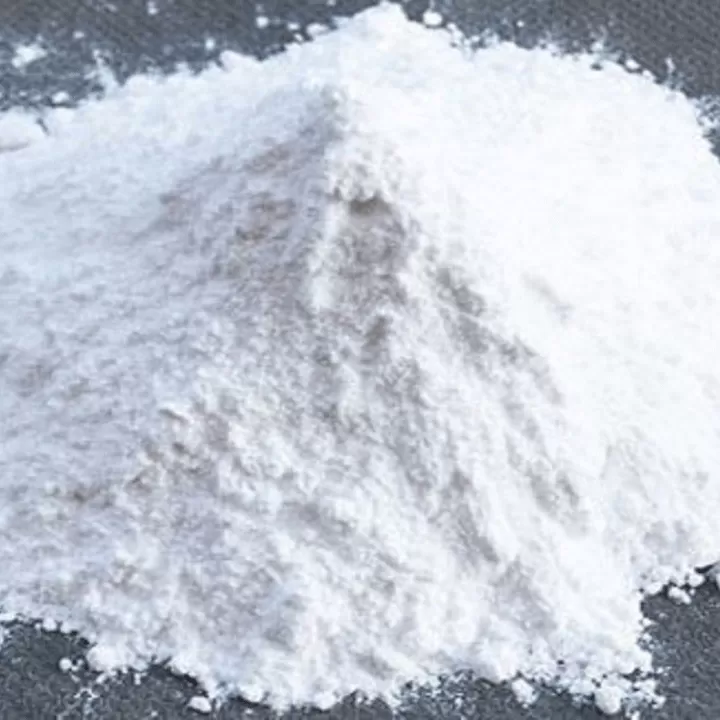
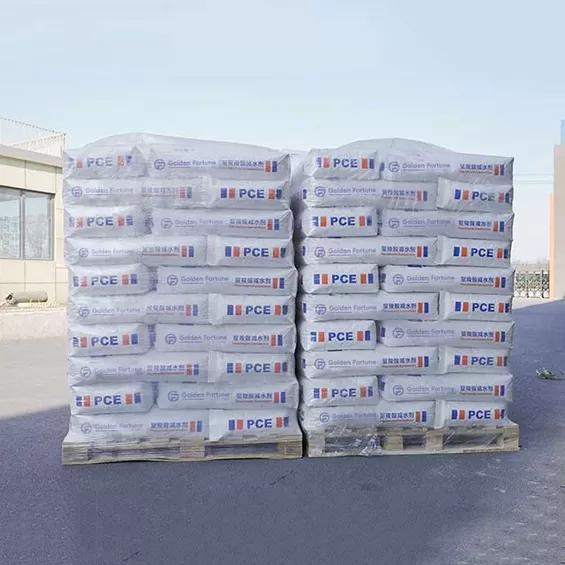
The quest for more durable, sustainable, and high-performance concrete drives continuous innovation. One significant advancement is the use of polymer admixture in blends containing Ground Granulated Blast-furnace Slag (GGBS or GGBFS). These chemical additives modify the properties of fresh and hardened concrete, offering solutions to common challenges. When combined with supplementary cementitious materials like GGBFS, polymer admixtures can unlock superior performance. Companies like Golden Fortune are at the forefront, developing specialized formulations that cater to the demanding needs of modern infrastructure. This article examines the role of polymer admixture in optimizing concrete that uses GGBS, a key material for sustainable construction.
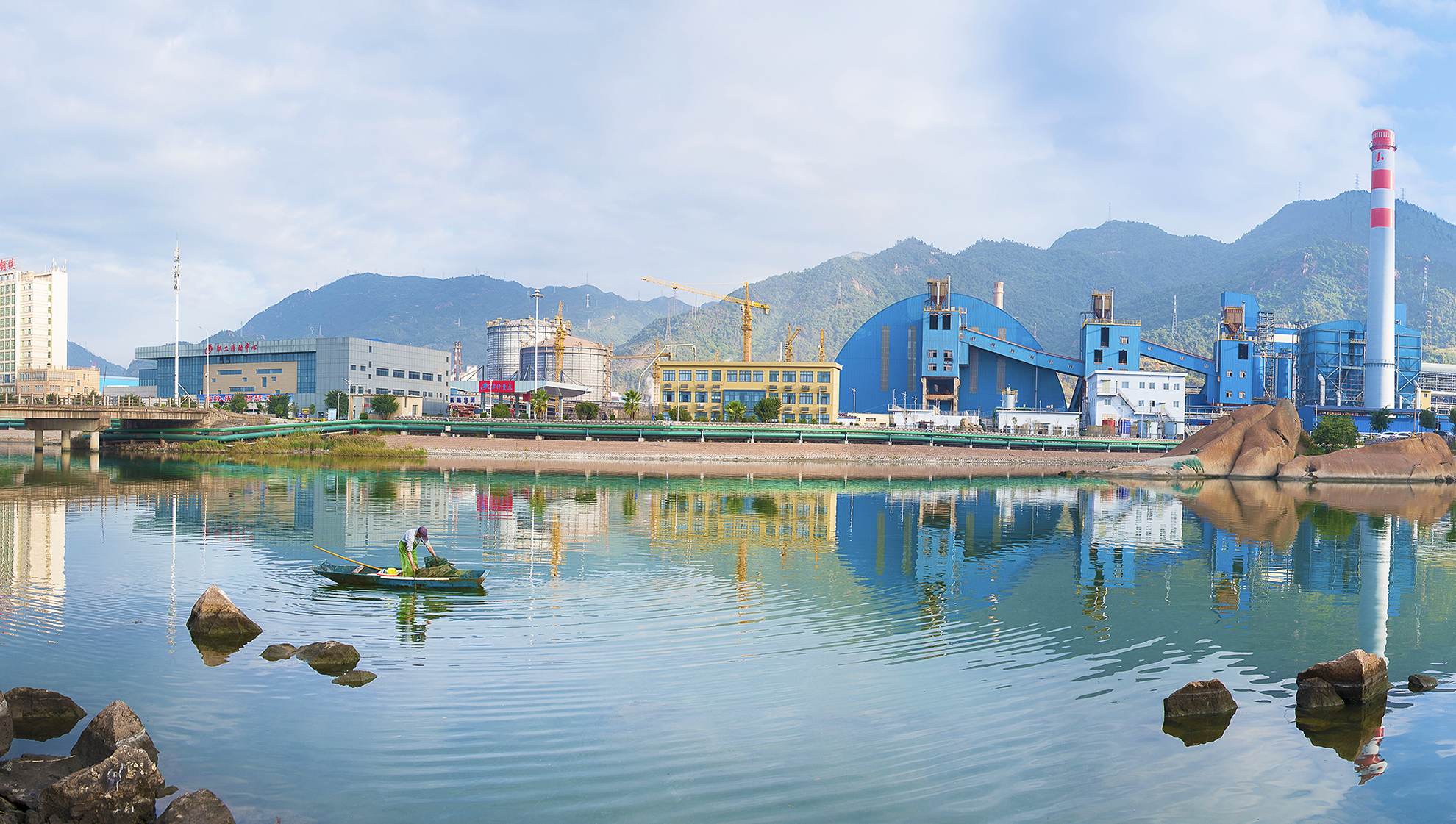
Understanding Polymer Admixture and Its Core Functions
A polymer admixture is a water-soluble organic compound added to concrete in small doses. It fundamentally alters the mix's behavior. Unlike traditional admixtures, polymers form a flexible film within the concrete matrix. This action provides several key benefits.
Improved Workability and Cohesion: They act as dispersants, reducing water demand while maintaining easy placement and finish.
Enhanced Bond Strength: The polymer film increases adhesion to existing substrates and within the mix itself.
Reduced Permeability: By filling micro-cracks and pores, they create a barrier against water and chloride ingress.
Increased Flexibility and Crack Resistance: The polymer network allows slight deformation, mitigating shrinkage and thermal cracking.
These functions make polymer admixture a valuable tool for engineers. Golden Fortune's research in this area focuses on tailoring these core functions to work in synergy with industrial by-products like GGBFS.
The Synergy Between Polymer Admixture and GGBS/GGBFS
GGBFS is celebrated for its environmental benefits and long-term strength gain. However, it can sometimes slow early strength development and affect workability. Introducing a well-formulated polymer admixture addresses these points directly. The combination creates a complementary system.
The polymer improves the early-age rheology of the GGBFS-concrete. It ensures smooth placement even with high slag content. Furthermore, the reduced permeability from the polymer admixture protects the reinforcing steel. This is critical as GGBFS concretes gain their durability from dense, low-permeability microstructures over time. The polymer accelerates this protective benefit.
This synergy results in a material that is not only greener but also more robust and durable. It meets the high specifications for marine structures, wastewater plants, and foundations. Brands like Golden Fortune have developed specific polymer admixture products designed to maximize this interaction, ensuring consistent and reliable performance.
Key Application Areas in Construction
The combination of polymer admixture and GGBFS finds use in numerous demanding applications. Its properties solve specific engineering challenges.
Repair and Rehabilitation Mortars: The excellent bond strength and flexibility are perfect for patching and overlaying existing structures.
Waterproofing Systems: Used in coatings, slurries, and renders for basements, tunnels, and water-retaining structures.
High-Performance Flooring: Provides dust-proofing, chemical resistance, and abrasion resistance for industrial floors.
Precast Concrete Elements: Improves surface finish, early strength for demolding, and durability of GGBFS-based precast units.
Marine and Offshore Constructions: The duo offers exceptional resistance to sulfate attack and chloride penetration, prolonging service life.
Selection and Quality Considerations
Choosing the right polymer admixture requires careful thought. Not all products are compatible with every cement-GGBFS blend. The chemical composition, molecular weight, and dosage of the admixture must align with the project's goals. Inconsistent quality can lead to unpredictable setting times or strength issues.
It is advisable to source materials from reputable suppliers. Golden Fortune, for instance, provides technical data sheets and support for mix design. Trial batches with the specific GGBFS source and cement are essential. This practice verifies performance regarding workability retention, setting time, and final strength before full-scale application.
Future Trends and Sustainable Development
The future of construction leans heavily on materials that reduce carbon footprint without compromising quality. GGBFS is central to this shift. The role of polymer admixture will grow as we push the limits of concrete performance. Research is ongoing into bio-based polymers and admixtures that further enhance the self-healing properties of slag-containing concrete.
These innovations aim to create more resilient and maintenance-free infrastructure. The continuous development by companies, including Golden Fortune, in advanced polymer admixture technology supports the global move towards sustainable and high-durability construction. The intelligent use of these additives makes high-volume GGBFS concrete not just viable but preferred for critical applications.
In conclusion, the integration of a specialized polymer admixture into GGBS/GGBFS concrete mixes represents a significant technical advance. It overcomes potential limitations of slag usage while amplifying its inherent benefits. The result is concrete that meets modern demands for speed, strength, durability, and sustainability. For project success, partnering with experienced providers like Golden Fortune ensures access to optimized admixture solutions and expert guidance, making the most of this powerful material combination.
Frequently Asked Questions (FAQs)
Q1: What is the primary benefit of using a polymer admixture with GGBFS concrete?
A1: The primary benefit is the significant improvement in durability and early-age performance. While GGBFS enhances long-term strength and sustainability, a polymer admixture improves workability, reduces early shrinkage, and creates a less permeable barrier. This combination yields a concrete that is both eco-friendly and exceptionally resistant to harsh environments.
Q2: Can polymer admixture be used with all types of GGBFS?
A2: While generally compatible, the reactivity and fineness of GGBFS can vary. It is crucial to conduct compatibility tests with your specific cement and GGBFS source. Suppliers like Golden Fortune can assist in selecting the correct polymer admixture type and dosage to ensure optimal performance with your chosen materials.
Q3: Does a polymer admixture affect the setting time of high-GGBFS concrete?
A3: It can, depending on the polymer's chemistry. Some are designed to retard set, which can be beneficial for hot weather or long haul times, while others have minimal effect. The key is to select an admixture formulated for use with slag cements and to determine the correct dosage through testing to achieve the desired setting profile.
Q4: How does polymer admixture contribute to the sustainability of a concrete project?
A4: It contributes in two main ways. First, it allows for higher, more effective use of GGBFS, reducing the Portland cement clinker content and the project's overall carbon footprint. Second, by dramatically increasing the concrete's durability and service life, it reduces the need for repairs or replacement, leading to lower long-term resource consumption and waste.
Q5: For what kind of project is the combination of polymer admixture and GGBFS most critical?
A5: This combination is most critical for projects exposed to aggressive environments. This includes marine structures, bridges, wastewater treatment facilities, and industrial flooring. In these applications, the enhanced resistance to chlorides, sulfates, and chemical attack provided by the polymer-modified, GGBFS-rich concrete is essential for achieving a long, maintenance-free service life.