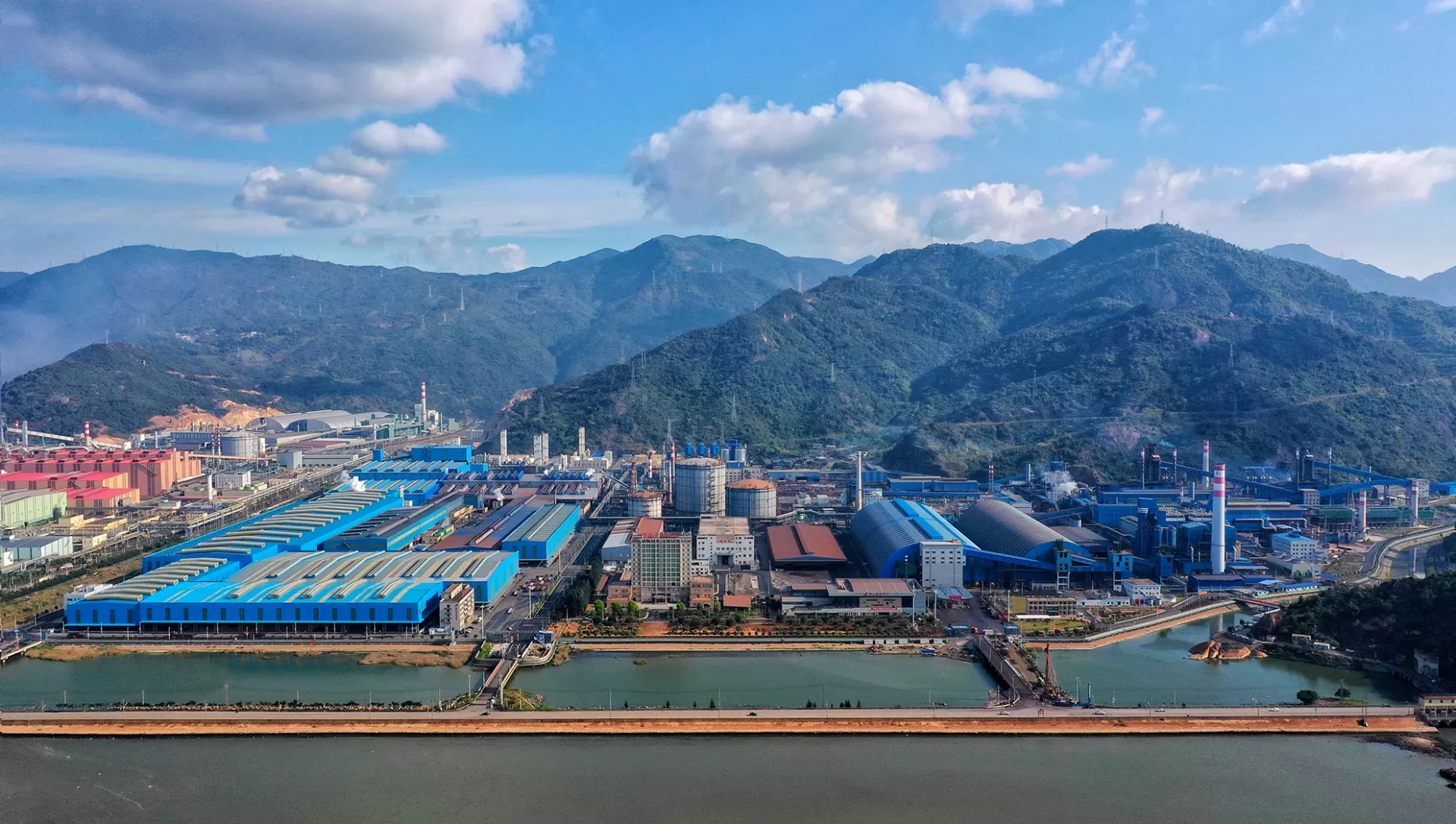
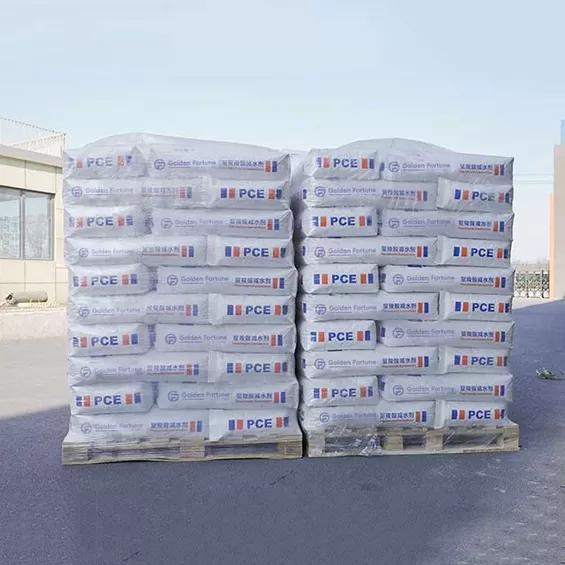
Modern construction demands materials that can withstand extreme pressures and harsh environments. Standard concrete mixes often fall short when engineers require exceptional durability or ultra-high strength. This is where silica fume cement enters the equation. It is a material that has quietly revolutionized how we build bridges, tunnels, and skyscrapers.
Engineers and contractors prioritize silica fume cement because it modifies the microstructure of concrete in ways standard cement cannot. It creates a denser, stronger, and more impermeable binder. For suppliers like Golden Fortune, providing high-quality silica fume is about ensuring the longevity of infrastructure around the globe. This article explores the science, benefits, and practical applications of this essential additive.
Understanding the Basics of Silica Fume Cement
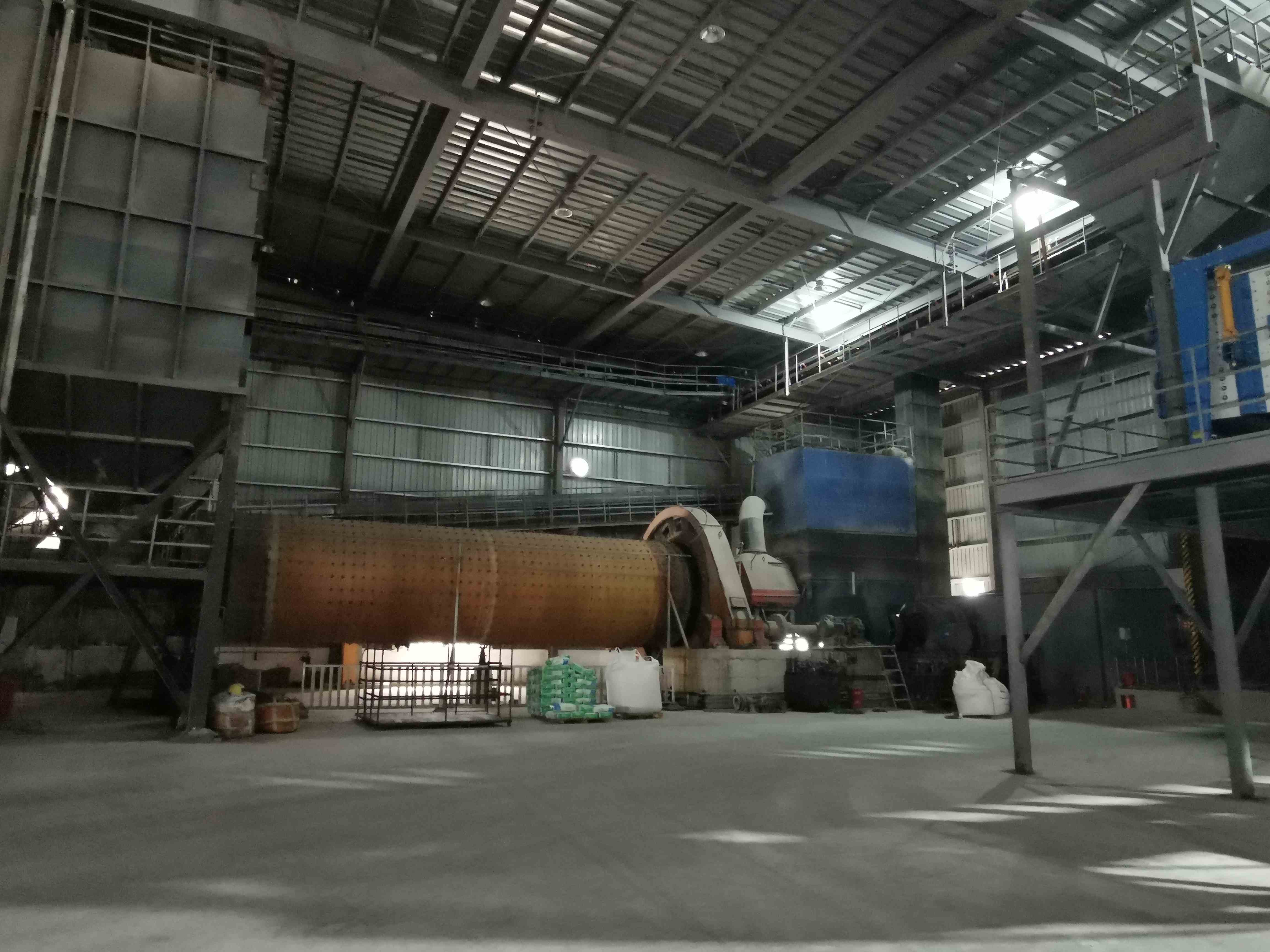
Before we look at the benefits, we must define what this material actually is. Silica fume is a by-product of producing silicon metal or ferrosilicon alloys. It is collected from the flue gases of electric arc furnaces.
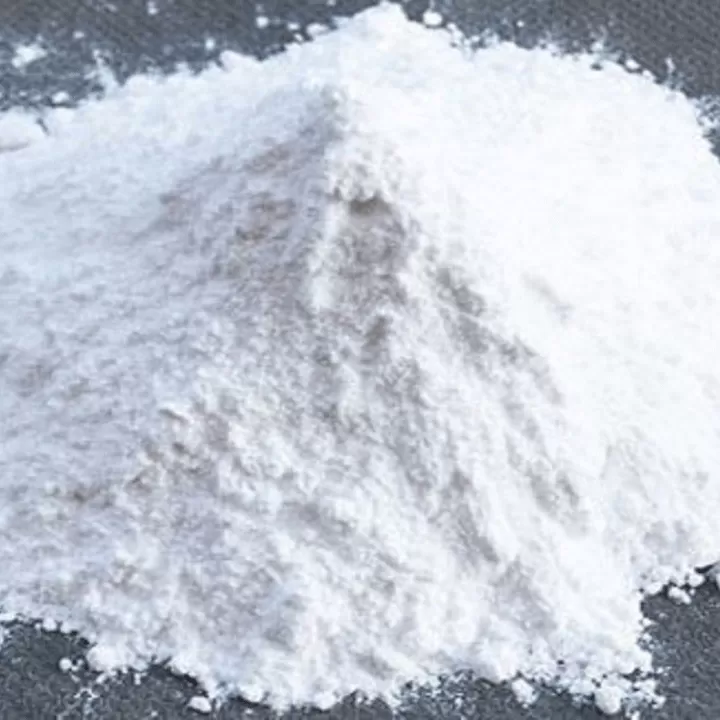
When this ultrafine powder is added to concrete mixtures, the result is often referred to as silica fume cement. The particles are spherical and extremely small.
Particle Size: It is roughly 100 times finer than an average grain of Portland cement.Composition: It consists primarily of amorphous silicon dioxide (SiO2).Surface Area: The high surface area allows for high reactivity with calcium hydroxide.
Because of its fineness, it acts as a "pozzolan." This means it does not harden on its own when mixed with water. Instead, it reacts with the by-products of cement hydration to form a stronger binding compound.
The Science: How Silica Fume Cement Works
The effectiveness of silica fume cement comes from two distinct mechanisms: the pozzolanic reaction and the micro-filler effect. Understanding these helps contractors explain the value to their clients.
The Micro-Filler Effect
Imagine a jar filled with marbles. There are gaps between them. Now, fill those gaps with sand. There are still smaller gaps. Silica fume acts like fine dust that fills the microscopic voids between cement grains.
It reduces the void space in the fresh concrete.It packs the particles tightly together.It reduces the amount of water needed to achieve a certain flow, provided a superplasticizer is used.
This physical packing creates a denser matrix. A denser matrix means fluids and gases have a much harder time penetrating the concrete.
The Chemical Pozzolanic Reaction
When Portland cement hydrates, it produces Calcium Silicate Hydrate (CSH) gel, which provides strength. However, it also produces Calcium Hydroxide (CH). CH is a weak link. It is soluble and prone to chemical attack.
Silica fume cement changes this. The amorphous silica reacts with the weak Calcium Hydroxide.
This reaction converts the weak CH into more of the strong CSH gel. This transforms the weakest part of the concrete paste into the strongest part.
Major Advantages of Using Silica Fume Cement
Why do engineers specify this material? The benefits are measurable and significant.
Exceptional Compressive Strength
If you need concrete that exceeds 60 MPa or even 100 MPa, you almost certainly need silica fume cement. The bond between the aggregate and the cement paste is usually the weakest point in concrete. This is called the Interfacial Transition Zone (ITZ).
Silica fume strengthens this zone. By filling the voids around the aggregate, it eliminates weak spots. This allows the concrete to bear significantly higher loads. This is crucial for high-rise columns where reducing column size maximizes floor space.
Superior Permeability Resistance
Water is the enemy of reinforced concrete. Water carries chlorides (from salt) and sulfates into the structure. These chemicals rust the steel reinforcement.
Silica fume cement creates a structure that is virtually waterproof.
It blocks the microscopic channels that water uses to travel.It significantly slows down chloride ion diffusion.It protects the steel bars from corrosion, extending the structure's life by decades.
Enhanced Bond Strength for Shotcrete
In tunneling and mining, contractors spray concrete onto walls (shotcrete). A major cost issue is "rebound"—concrete that bounces off the wall and falls to the floor.
Using silica fume cement makes the mix "stickier" (more cohesive). It bonds better to the rock face and to itself. This enables thicker layers to be sprayed in a single pass and drastically reduces waste from rebound.
Practical Applications in Modern Infrastructure
Because of its high performance, this material is found in the most demanding projects.
Marine Structures
Sea water is aggressive. Bridges, piers, and sea walls face constant wetting and drying cycles with salty water. Silica fume cement is standard in these environments. It prevents the salt from reaching the rebar, preventing the concrete from spalling (breaking off) later on.
High-Speed Railway Bridges
Vibration and heavy loads require a rigid, high-strength material. Suppliers like Golden Fortune frequently supply materials for these large-scale infrastructure projects where failure is not an option. The high modulus of elasticity in silica fume concrete ensures the bridge deck remains stable under fast-moving trains.
Chemical Processing Plants
Floors and tanks in industrial plants often face acid spills. While no concrete is fully acid-proof, the low permeability of silica fume cement slows down the rate of acid attack. This buys time for cleanup and reduces the depth of damage.
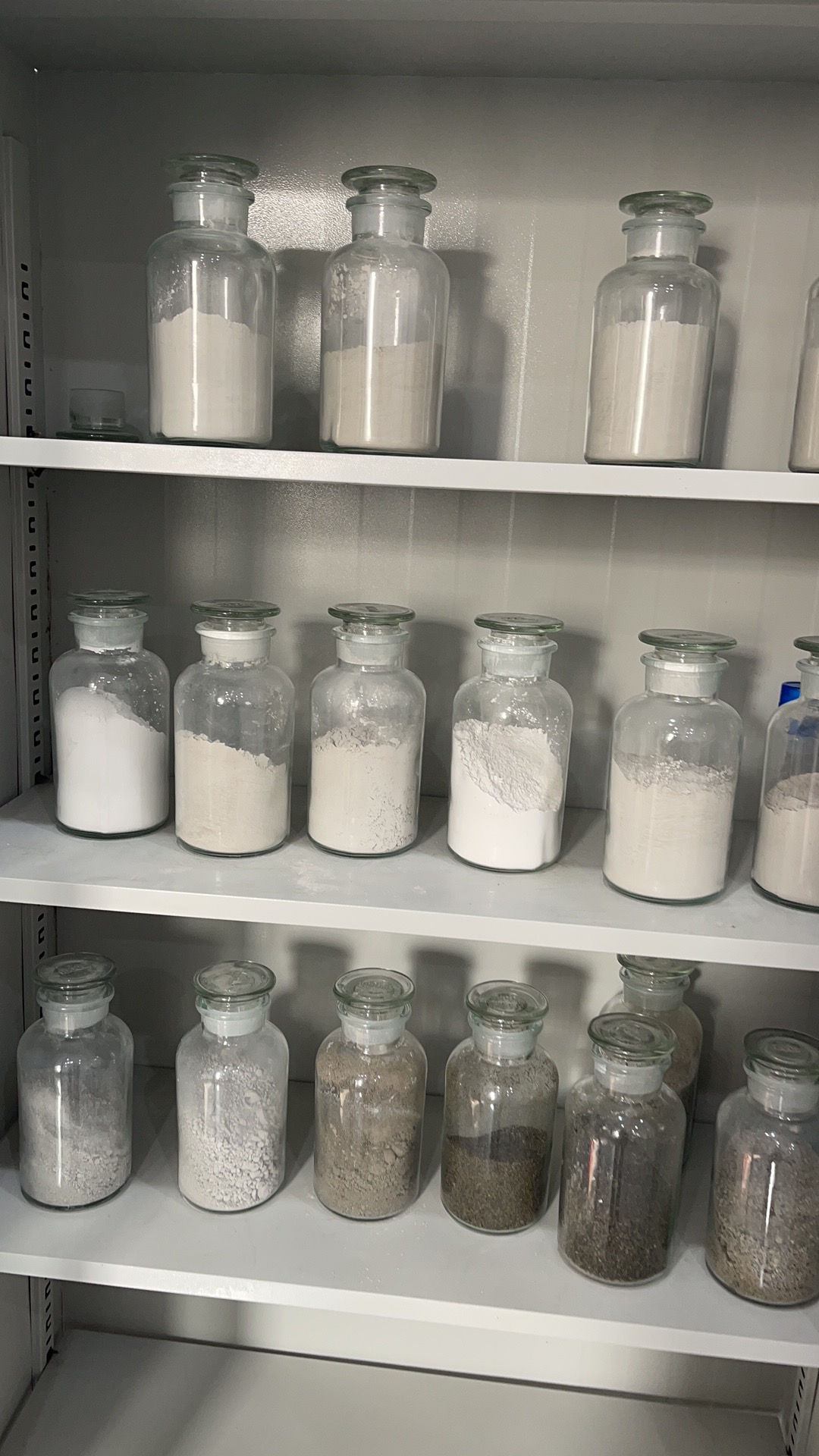
Best Practices for Mixing and Handling
To get the best results, you must handle the material correctly. It behaves differently than plain cement.
Dosing and Mixing
The typical dosage for silica fume cement ranges between 5% and 10% by weight of cement. You rarely need more than 15%.
Because the powder is so fine, it increases the water demand. You simply cannot add water to make it workable, or you will ruin the strength.
Superplasticizers: You must use high-range water-reducing admixtures (superplasticizers). This disperses the particles and makes the concrete flow.Mixing Time: The mix requires more energy to disperse the fine powder. You generally need to mix it longer than standard concrete to break up clumps.
Curing Challenges
This is the most critical part. Standard concrete "bleeds" water to the surface as it sets. This bleed water helps keep the surface moist.
Silica fume cement does not bleed. The water is locked inside the dense structure. This means the surface dries out incredibly fast. If you do not cure it immediately, you will get "plastic shrinkage cracks."
Contractors must apply a curing compound or cover the wet concrete with plastic sheets immediately after finishing.
Comparing Silica Fume Cement with Other SCMs
It is common to compare silica fume with other Supplementary Cementitious Materials (SCMs) like Fly Ash or GGBS (Ground Granulated Blast-furnace Slag).
Reactivity: Silica fume is far more reactive than fly ash or GGBS. It provides early strength, whereas the others contribute more to long-term strength.Dosage: You use small amounts of silica fume (5-10%). You use large amounts of GGBS (30-70%) or fly ash (20-40%).Cost: Silica fume is generally more expensive per ton than cement, while fly ash and GGBS are often cheaper.
However, many advanced mix designs use "ternary blends." This means they mix cement, silica fume cement, and fly ash together. This captures the benefits of all three materials.
The Economic Perspective
Some contractors hesitate because silica fume costs more than standard cement. However, a smart analysis looks at the total project cost.
If you use silica fume cement, you can build slimmer columns. This saves money on concrete volume and increases rentable space.
Furthermore, consider maintenance. A parking garage deck built with standard concrete might need major repairs in 15 years due to salt damage. A deck built with silica fume cement might last 40 years without major repairs. The initial premium is a tiny fraction of the repair costs saved later.
Safety and Quality Control
Since silica fume is an industrial by-product, quality can vary. It is vital to buy from established brands. Golden Fortune ensures that the material meets international standards like ASTM C1240 or EN 13263.
Consistent carbon content and surface area are vital. Poor quality silica fume can cause color variations or inconsistent setting times.
Safety is also a priority. The particles are respirable. Workers must wear proper dust masks and eye protection when handling the dry powder. Once it is mixed into the wet concrete, it poses no respiratory hazard.
The construction industry is constantly pushing boundaries. We are building higher, deeper, and in more aggressive environments than ever before. Silica fume cement is the material that makes this possible. It transforms ordinary concrete into a high-performance composite.
By densifying the microstructure and reacting with weak calcium hydroxide, it provides unmatched strength and durability. Whether you are shotcreting a tunnel or casting a bridge piling in the ocean, this additive is essential.
However, success depends on quality. Using reliable sources like Golden Fortune ensures that the silica fume cement you use will perform exactly as the engineers calculated. When handled correctly, it allows us to build infrastructure that will serve future generations for decades to come.
Frequently Asked Questions (FAQ)
Q1: What is the correct mixing ratio for silica fume cement?
A1: The standard dosage is typically between 5% and 10% by weight of the cement. For example, if you have 100kg of cement, you would add 5kg to 10kg of silica fume. Dosages above 15% are rarely used as they make the concrete difficult to work with and can lead to brittleness without proper care.
Q2: Can I use silica fume cement without chemicals?
A2: It is highly unadvisable. Silica fume cement has a very high surface area, which absorbs a lot of water. If you try to mix it without a superplasticizer (water reducer), the mix will be dry and clumpy. Adding extra water to fix this will destroy the strength benefits. You almost always need a chemical admixture.
Q3: Is silica fume the same as silica sand or silica flour?
A3: No, they are completely different. Silica sand and flour are crystalline silica and act as inert fillers (aggregates). Silica fume is amorphous (non-crystalline) and is chemically reactive. Silica fume is also thousands of times finer than silica sand. Using sand instead of fume will not provide the same strength or durability.
Q4: How does silica fume cement affect the color of concrete?
A4: Silica fume cement is typically dark grey or black. Consequently, adding it to your mix will make the concrete significantly darker than standard grey concrete. This is often preferred in industrial settings, but architects should be aware of the color change for exposed surfaces.
Q5: Why does concrete with silica fume crack easily?
A5: It is prone to "plastic shrinkage cracking" because it does not bleed water to the surface. The surface dries out before the concrete sets. To prevent this, you must start curing (misting with water or covering with plastic) immediately after the concrete is placed and finished. You cannot wait as you would with normal concrete.