Concrete technology has advanced significantly over the last few decades. Builders and engineers no longer rely solely on Ordinary Portland Cement (OPC). Instead, they look for materials that offer better durability and sustainability. This is where ggbs powder comes into play.
Ground Granulated Blast-furnace Slag, commonly known as ggbs powder, is a cementitious material that has reshaped the construction industry. It acts as a partial replacement for Portland cement, offering superior strength and protection against environmental attacks.
For industry leaders and suppliers like Golden Fortune, understanding the specific advantages of this material is crucial for delivering high-quality infrastructure. This article explores everything you need to know about this essential construction material.
What is GGBS Powder Exactly?
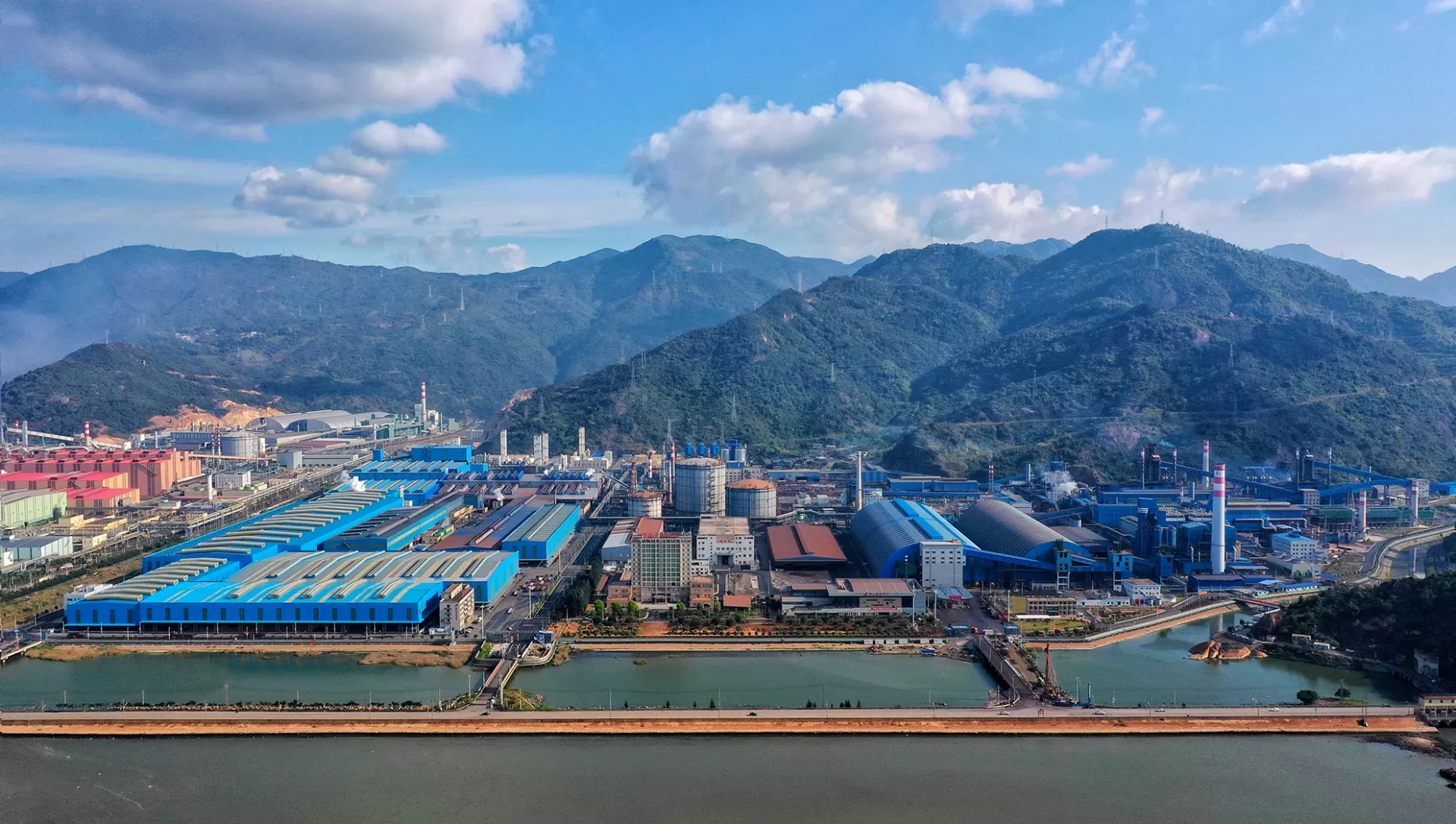
To understand the benefits, we must first understand the origin of ggbs powder. It is a by-product of the iron-making industry. When iron ore, limestone, and coke get heated in a blast furnace at roughly 1500°C, two products emerge: molten iron and molten slag.
The molten slag is lighter and floats to the top. Operators tap this slag and rapidly quench it with large volumes of water. This rapid cooling prevents crystallization, resulting in a granular, glassy material.
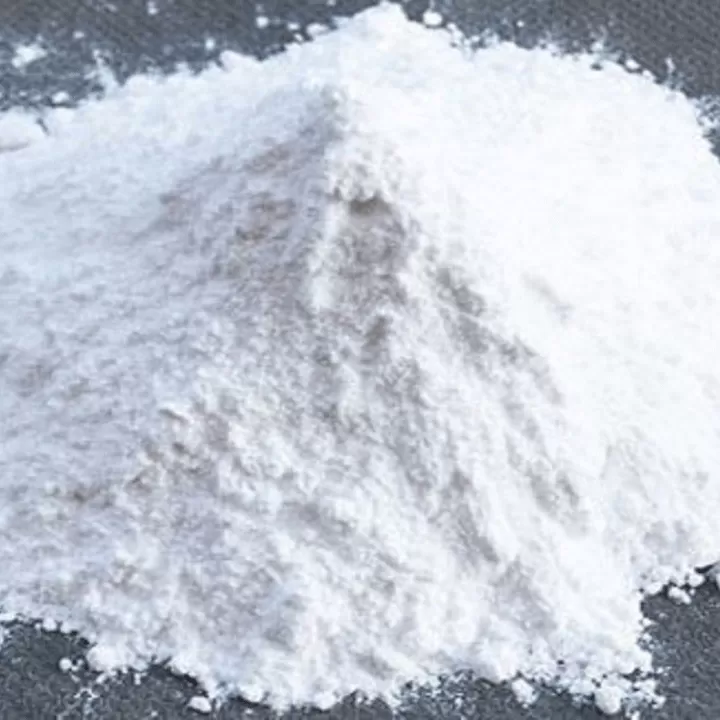
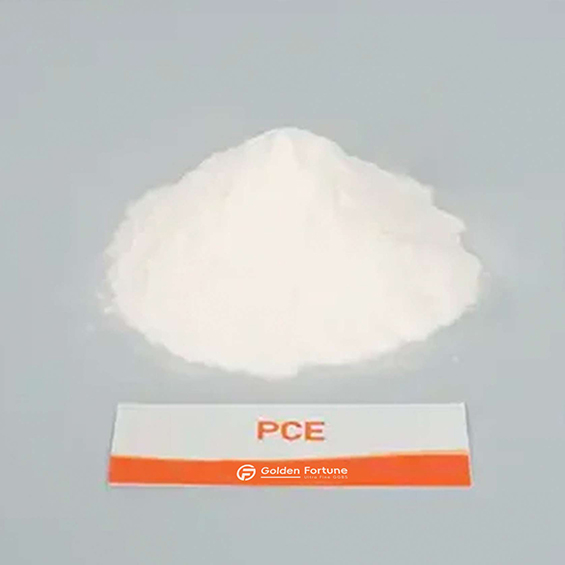
Manufacturers then dry and grind this granulated slag into a fine white powder. The final product is ggbs powder.
Chemical Composition: It contains silicates and aluminates of calcium.Reactivity: It is a latent hydraulic binder, meaning it activates when mixed with water and cement.
The Science: How GGBS Powder Strengthens Concrete
The chemistry behind ggbs powder is what makes it so valuable. When you mix water with Portland cement, it hydrates to form Calcium Silicate Hydrate (CSH) gel. This gel is the "glue" that holds concrete together.
However, this reaction also produces Calcium Hydroxide, which adds no strength and can actually weaken the concrete over time.
When you add ggbs powder to the mix, it reacts with that excess Calcium Hydroxide. This secondary reaction produces more CSH gel.
Denser Microstructure: The extra CSH gel fills the microscopic voids in the concrete.Reduced Permeability: With fewer voids, water and chemicals cannot penetrate the structure easily.
This chemical synergy creates a stronger, denser final product than OPC alone could achieve.
Key Benefits of Using GGBS Powder in Construction
Engineers choose ggbs powder for performance, not just cost. The material improves the physical properties of concrete in several measurable ways.
Enhanced Durability and Longevity
Durability is the primary reason engineers specify this material. Concrete structures face constant attacks from the environment.
GGBS powder significantly increases resistance to:
Chloride Ingress: This is vital for structures near the ocean. Chlorides cause steel reinforcement to rust.Sulfate Attack: Sulfates in soil or groundwater can crack concrete. GGBS provides a chemical shield.Alkali-Silica Reaction (ASR): This internal chemical reaction causes expansion and cracking. GGBS suppresses it.
Lower Heat of Hydration
When concrete sets, it generates heat. In massive pours, like dams or thick foundations, this heat causes thermal gradients. If the center is hot and the surface is cool, the concrete cracks.
Using ggbs powder reduces this heat generation. The reaction is slower and more controlled. This prevents thermal cracking in large-scale projects.
Improved Workability and Finish
Contractors notice a difference when pouring the mix. The particles of ggbs powder are smoother and finer than cement grains.
Easier Pumping: The mix flows better through pump lines.Better Compaction: It settles into formwork with less vibration.Superior Finish: The resulting surface is smoother and lighter in color (off-white), which architects often prefer for exposed concrete.
Environmental Impact and Sustainability
The construction industry faces pressure to reduce its carbon footprint. Cement production is a major contributor to global CO2 emissions.
Producing one ton of Portland cement releases roughly one ton of CO2. In contrast, ggbs powder is an industrial by-product. It does not require quarrying new raw materials or heating kilns to extreme temperatures specifically for its creation.
By replacing 50% or even 70% of cement with ggbs powder, builders drastically cut the "embodied CO2" of their concrete. It is one of the most effective ways to achieve LEED certification or meet green building standards.
Why Sourcing Matters: The Golden Fortune Standard
Not all slag is created equal. The quality of the final concrete depends heavily on the fineness and reactivity of the powder. This is why sourcing from reputable suppliers like Golden Fortune is essential.
Inconsistent grinding or poor raw material selection leads to varying setting times. A reliable supplier ensures:
Consistent Fineness: Ensuring the surface area meets technical standards.Chemical Stability: Verifying the glass content is high enough for proper reactivity.Reliable Supply Chain: ensuring material is available for large, continuous pours.
When you buy ggbs powder, you are buying the assurance that your concrete will perform as calculated by the structural engineers.
Applications: Where Can You Use GGBS Powder?
You can use this material in almost any setting where concrete is required. However, certain applications benefit more than others.
Marine and Coastal Structures
Saltwater is the enemy of reinforced concrete. The chloride ions penetrate the pores and corrode the steel bars inside.
Since ggbs powder creates a much denser matrix, it blocks these ions. Ports, docks, sea defenses, and bridges over saltwater almost always use a high percentage of GGBS (often 50% to 70%).
High-Rise Skyscrapers
Tall buildings require high-strength concrete. They also involve massive foundations and thick columns.
The low heat of hydration prevents cracks in these thick sections. Additionally, the high ultimate strength allows engineers to design slimmer columns, increasing the usable floor space inside the building.
Water and Sewage Treatment Plants
Sewage is highly aggressive. It contains acids and sulfates that eat away at standard concrete.
The chemical resistance of ggbs powder extends the lifespan of treatment tanks and pipes. This reduces maintenance costs significantly for municipalities.
Economic Advantages of GGBS Powder
While technical benefits drive specification, cost drives procurement. Fortunately, this material often provides a dual advantage.
Direct Material Cost: In many regions, GGBS is cheaper than Portland cement.Lifecycle Cost: This is the bigger saving. A structure built with GGBS lasts longer and requires fewer repairs.
If a bridge lasts 100 years instead of 50, the economic value is massive. Owners and developers now look at these long-term numbers rather than just the upfront price of a bag of cement.
Handling and Mixing GGBS Powder Correctly
Using ggbs powder requires slight adjustments to standard site practices. It is not difficult, but it requires awareness.
Storage
You must store it in a dry, weatherproof silo. It flows more freely than cement, so silos must have good seals to prevent leakage. Moisture is the enemy; if the powder gets wet before mixing, it becomes useless.
Mixing Ratios
The replacement level depends on the application:
General construction: 30% to 50% replacement.Marine environments: 50% to 70% replacement.Mass concrete (dams/foundations): Up to 80% replacement to control heat.
Curing Process
Concrete containing ggbs powder sets more slowly than pure OPC concrete, especially in cold weather.
This slow set is good for strength development, but it means you must keep the concrete moist (cured) for longer. Premature drying can lead to dusting on the surface. Contractors should leave formwork in place slightly longer to ensure adequate strength before exposure.
Technical Specifications to Watch
When ordering ggbs powder, you should check the datasheet for specific parameters.
Fineness (Blaine): usually between 400 and 600 m²/kg. Finer powder reacts faster.Glass Content: Should be above 85% to ensure it is reactive.Specific Gravity: Typically around 2.9, which is lighter than cement (3.15). This affects the volume calculations for the mix design.
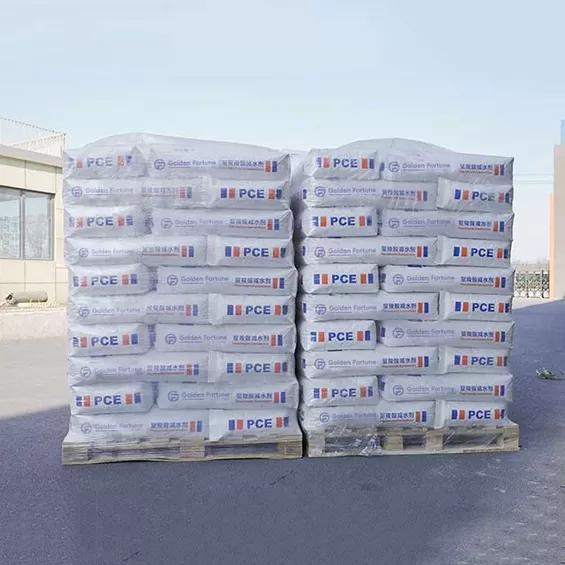
Suppliers like Golden Fortune provide detailed mill test certificates. These documents verify that the batch meets international standards like BS EN 15167 or ASTM C989.
The construction industry is moving toward materials that offer durability without sacrificing the environment. GGBS powder sits right at the center of this shift. It turns industrial waste into a high-performance building asset.
From preventing steel corrosion in bridges to reducing the carbon footprint of skyscrapers, the utility of this powder is undeniable. It improves strength, lowers heat, and creates a beautiful finish.
However, the quality of the material dictates the quality of the result. Whether you are a contractor or a developer, choosing a partner like Golden Fortune ensures that you receive ggbs powder that meets rigorous global standards. By integrating this material into your supply chain, you build structures that stand the test of time.
Frequently Asked Questions (FAQ)
Q1: Does adding ggbs powder change the color of the concrete?
A1: Yes, it does. GGBS powder is off-white in color. When mixed with grey cement, it produces a much lighter, brighter concrete finish. This is often desirable for architectural concrete as it looks cleaner and more uniform.
Q2: Does concrete with GGBS take longer to set?
A2: Generally, yes. The setting time is slightly extended compared to 100% Portland cement mixes, particularly in cold temperatures. However, this slower reaction is beneficial as it reduces thermal stress and results in higher long-term strength.
Q3: Can I use ggbs powder for small DIY projects?
A3: While possible, it is typically sold in bulk for industrial use. For small projects, getting the mixing ratios correct can be difficult without a batching plant. However, if you can measure it accurately, it will provide the same durability benefits to a garden wall or driveway.
Q4: What is the maximum percentage of cement I can replace with GGBS?
A4: You can replace up to 85% of the cement in specific mass concrete applications where heat control is critical. However, for most structural applications like beams and columns, the replacement level typically ranges between 40% and 50%.
Q5: Is ggbs powder toxic or hazardous to handle?
A5: It is considered a non-hazardous material. However, like any fine powder used in construction (including cement), you should wear a dust mask and protective eyewear to prevent inhalation and eye irritation. It can be slightly alkaline when wet, so gloves are recommended.