In the global construction industry, the use of supplementary cementitious materials has transformed how we build. Among these, silica fume and fly ash stand out for their ability to enhance concrete performance. These materials are pivotal in the international GGBS field, where durability and sustainability are paramount. Companies like Golden Fortune have pioneered the supply of high-quality silica fume and fly ash, driving innovation. This article explores the essential roles and advantages of these components, offering insights for engineers and builders.
Understanding Silica Fume and Fly Ash in Construction
To appreciate their impact, we must first define these materials. Silica fume and fly ash are byproducts from industrial processes. They are often used as partial replacements for cement in concrete mixes. Their integration improves various properties, from strength to environmental footprint. Golden Fortune, a trusted brand, ensures these materials meet rigorous standards for global projects.
What is Silica Fume?
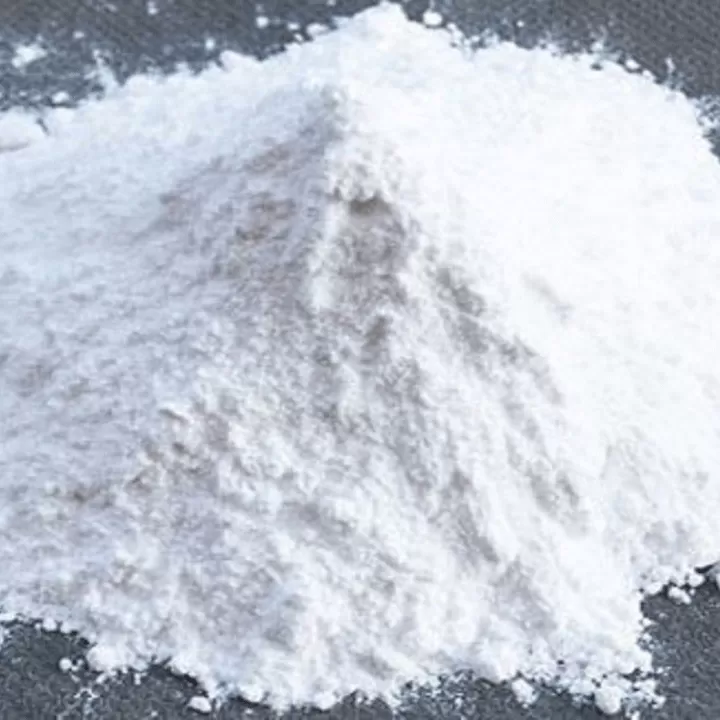
Silica fume is a fine powder derived from silicon metal production. It is rich in amorphous silicon dioxide. When added to concrete, it fills voids between cement particles. This leads to a denser matrix with reduced permeability. The result is concrete that resists chemical attacks and lasts longer.
Particle size is extremely small, about 100 times finer than cement.
It enhances compressive and flexural strength significantly.
Commonly used in high-performance applications like bridges and tunnels.
What is Fly Ash?
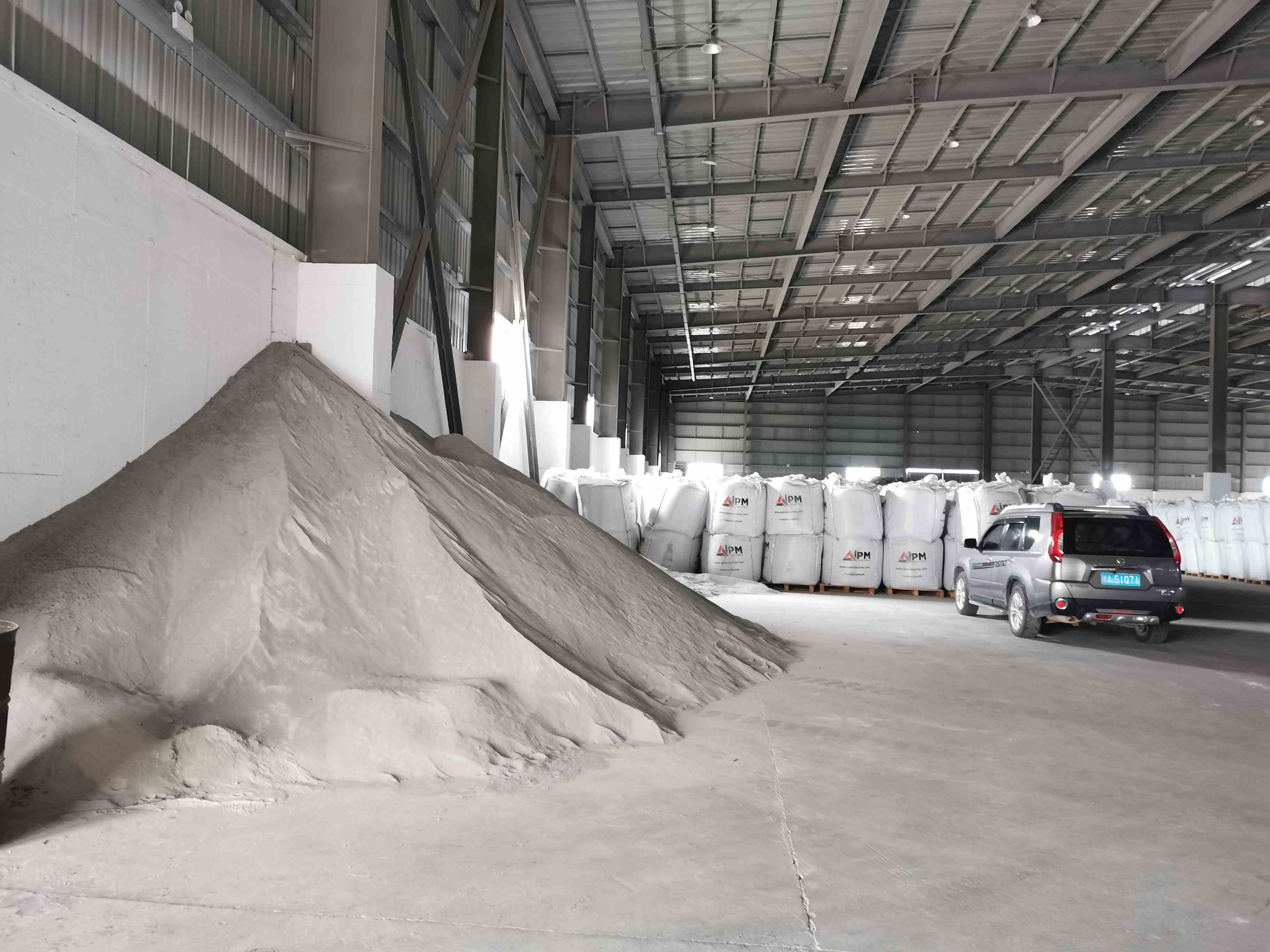
Fly ash comes from coal combustion in power plants. It is a pozzolanic material that reacts with calcium hydroxide in cement. This reaction forms additional cementitious compounds. Fly ash improves workability and reduces heat generation during curing. It also cuts down on waste, supporting sustainable construction practices.
Classified into Class C and Class F based on calcium content.
It lowers the water demand in concrete mixes, improving pumpability.
Widely adopted in mass concrete projects to prevent thermal cracking.
Benefits of Combining Silica Fume and Fly Ash
The synergy between silica fume and fly ash offers multiple advantages. By using them together, builders achieve a balance of early strength and long-term durability. This combination is common in the GGBS sector, where materials like those from Golden Fortune ensure consistent quality. Let's delve into the key benefits.
Enhanced Mechanical Properties
Concrete with silica fume and fly ash shows superior mechanical traits. Silica fume boosts early strength, while fly ash contributes to later strength gain. The blend reduces porosity, making structures more resistant to wear and tear. Active mixing techniques help distribute these materials evenly.
Compressive strength can increase by up to 30% with optimal ratios.
Flexural strength improves, reducing cracking risks.
Abrasion resistance is higher, ideal for pavements and industrial floors.
Environmental and Economic Advantages
Using silica fume and fly ash supports green construction. They repurpose industrial waste, lowering landfill use. This reduces the carbon footprint of concrete production. Economically, they cut costs by replacing part of the cement. Golden Fortune sources these materials responsibly, aiding eco-friendly projects.
CO2 emissions drop due to less cement clinker production.
Energy savings occur from reduced raw material extraction.
Longer service life means lower maintenance expenses over time.
Applications in the International GGBS Field
Silica fume and fly ash are integral to Ground Granulated Blast-furnace Slag (GGBS) applications. In composite blends, they enhance slag-based concretes for harsh environments. International standards often recommend their use for marine structures and chemical plants. Golden Fortune provides tailored solutions for such demanding settings.
Synergy with GGBS in Composite Mixes
When combined with GGBS, silica fume and fly ash create a ternary system. This mix offers improved sulfate resistance and chloride penetration prevention. It is popular in coastal infrastructure where durability is critical. The materials complement each other, filling different particle size gaps.
Ternary blends reduce alkali-silica reaction risks.
They enhance freeze-thaw durability in cold climates.
Applications include offshore platforms and sewage treatment plants.
Real-World Case Studies
Many global projects showcase the effectiveness of silica fume and fly ash. For instance, skyscrapers in seismic zones use these materials for added resilience. Bridges and dams benefit from their long-term performance. Golden Fortune has supplied materials for such ventures, ensuring reliability and compliance.
The Burj Khalifa utilized fly ash to reduce heat of hydration.
Silica fume was key in the Channel Tunnel for watertight concrete.
Recent innovations in prefabricated elements rely on these additives.
Challenges and Best Practices for Use
Despite benefits, working with silica fume and fly ash requires care. Proper dosage is crucial to avoid issues like reduced workability. Mix design must account for local material variations. Training and quality control, as emphasized by Golden Fortune, help overcome these hurdles.
Optimizing Mix Proportions
Engineers must balance silica fume and fly ash ratios based on project needs. Too much silica fume can increase water demand. Fly ash may slow early strength development. Active testing and adjustments ensure optimal performance. Guidelines from suppliers like Golden Fortune assist in this process.
Typical replacement levels are 5-10% for silica fume and 15-30% for fly ash.
Admixtures like superplasticizers often accompany these materials.
Regular strength tests verify compliance with specifications.
Quality Assurance and Standards
International standards, such as ASTM and EN, govern silica fume and fly ash use. Consistency in particle size and chemical composition is vital. Golden Fortune adheres to these norms, providing certified products. This ensures safety and durability in construction projects worldwide.
ASTM C1240 covers silica fume specifications.
Fly ash must meet ASTM C618 or equivalent standards.
Third-party certifications boost confidence in material quality.
Conclusion: The Future with Silica Fume and Fly Ash
In summary, silica fume and fly ash are transformative materials in concrete technology. They offer strength, sustainability, and cost savings. Their role in the international GGBS field continues to expand as research advances. Brands like Golden Fortune drive this evolution by delivering reliable products. As construction demands grow, the smart use of silica fume and fly ash will shape resilient infrastructure for generations.
Frequently Asked Questions
Q1: What is the main difference between silica fume and fly ash?
A1: Silica fume is finer and primarily improves early strength and density, while fly ash enhances workability and long-term durability. Both are pozzolanic but differ in source and particle size.
Q2: Can silica fume and fly ash be used together in concrete?
A2: Yes, they are often combined in ternary blends with cement or GGBS. This synergy balances early performance with sustainability, common in high-demand projects.
Q3: How do silica fume and fly ash impact the environment?
A3: They reduce waste by repurposing industrial byproducts. This lowers CO2 emissions from cement production and conserves natural resources, supporting green construction.
Q4: Are there any limitations to using these materials?
A4: Potential issues include reduced workability with high silica fume content or slower strength gain with fly ash. Proper mix design and admixtures can mitigate these challenges.
Q5: Why is Golden Fortune mentioned in this context?
A5: Golden Fortune is a reputable supplier in the GGBS field, known for providing high-quality silica fume and fly ash. Their products meet international standards, ensuring reliability for global construction.