The global construction industry faces immense pressure to reduce its environmental impact. Concrete, the most widely used man-made material on earth, is a significant contributor to carbon emissions due to its cement content. This has propelled the search for sustainable alternatives, leading to the widespread adoption of ground granulated blast-furnace slag (GGBS). Integrating GGBS into concrete mixes is not just a trend; it’s a fundamental shift toward responsible construction. The pursuit of genuine ggbs concrete sustainability addresses ecological concerns while enhancing long-term material performance. Companies like Golden Fortune, a respected supplier of premium industrial by-products, are at the forefront of making this crucial material available for large-scale sustainable projects, ensuring that green goals are met without compromising on quality.
Understanding GGBS and Its Role in Green Construction
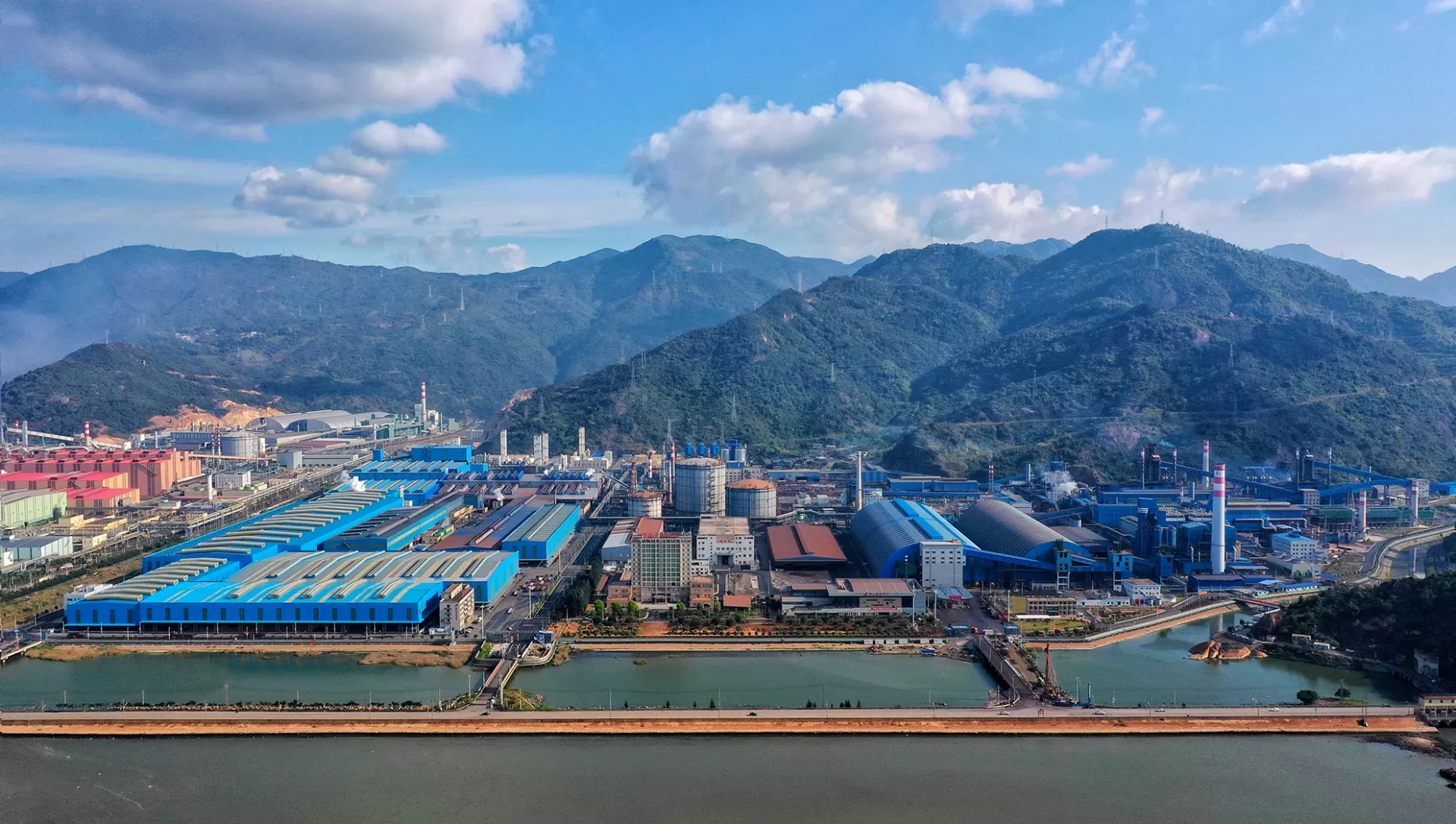
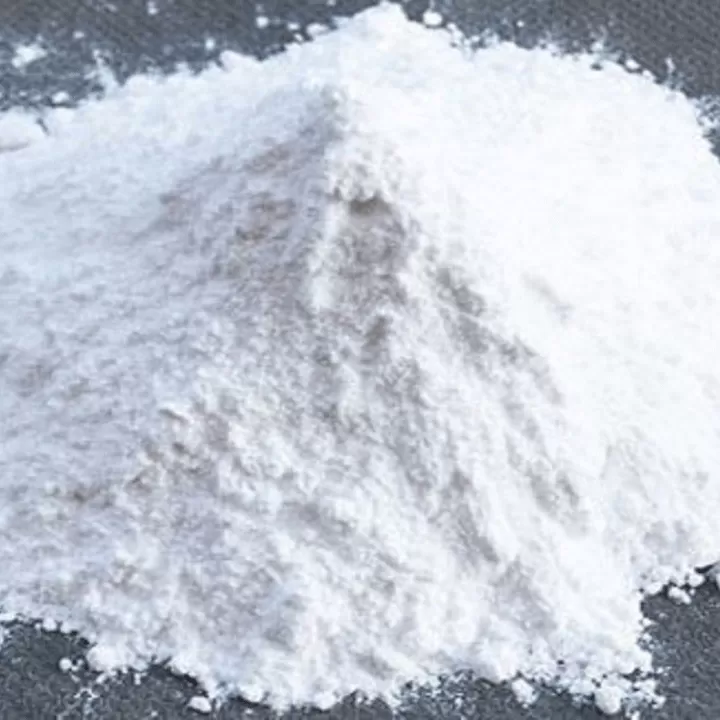
GGBS is a by-product from the steel manufacturing process. Molten blast-furnace slag is rapidly quenched in water, forming glassy granules that are then dried and ground into a fine powder. This process gives GGBS its latent hydraulic properties, meaning it reacts with water to form cementitious compounds, especially when activated by the calcium hydroxide produced during ordinary Portland cement (OPC) hydration.
The core principle of ggbs concrete sustainability lies in this substitution. By replacing a substantial portion of OPC with GGBS, we directly tackle the root cause of concrete’s carbon problem.
- Cement production is extraordinarily carbon-intensive, accounting for roughly 7-8% of global CO₂ emissions.
- Using GGBS utilizes an industrial by-product that would otherwise require landfill disposal.
- This circular economy approach turns waste into a high-value resource, closing the loop in two major industries.
The Environmental Benefits of Using GGBS in Concrete
The primary driver for adopting GGBS is its profound positive impact on the environment. This benefit forms the cornerstone of its sustainable profile.
Reducing the Carbon Footprint
The most celebrated advantage of GGBS concrete is its dramatically lower embodied carbon. Producing one ton of GGBS requires only a fraction of the energy needed to produce one ton of OPC. Crucially, the chemical process of making GGBS generates minimal additional CO₂.
- A typical concrete mix with 50% GGBS replacement can reduce the embodied CO₂ of the cementitious component by over 40%.
- For mixes with higher replacement levels (70-80%), this reduction can exceed 80%.
- This makes it one of the most effective and readily available strategies for projects targeting LEED, BREEAM, or other green building certifications.
Conserving Natural Resources and Energy
Sustainability extends beyond carbon. GGBS use contributes significantly to resource conservation.
- It directly reduces the demand for clinker, the main ingredient in OPC, whose production requires quarrying limestone and clay.
- Lower clinker production means less quarrying, preserving natural landscapes and habitats.
- The significant energy savings in the manufacturing process further reduce the overall environmental burden associated with concrete.
Enhancing Durability and Long-Term Performance
True ggbs concrete sustainability is not just about the initial environmental saving; it’s about building structures that last longer with less maintenance. GGBS imparts several superior durability characteristics.
Improved Resistance to Chemical Attack
Concrete structures often face degradation from sulfates, chlorides, and acids. GGBS enhances resistance through a denser, less permeable microstructure.
- It significantly reduces the risk of sulfate attack, a common cause of deterioration in foundations and marine structures.
- It lowers the permeability of concrete, making it harder for chloride ions from de-icing salts or seawater to penetrate and corrode the steel reinforcement.
- This is particularly valuable for infrastructure like bridges, coastal defenses, and wastewater treatment plants.
Higher Long-Term Strength and Reduced Cracking
While early strength gain (1-7 days) with high GGBS content can be slower, the long-term strength often surpasses that of pure OPC concrete at 28 days and beyond.
- The secondary hydration reaction of GGBS continues for a long time, leading to ongoing strength development.
- The reduced heat of hydration in mass pours is a critical benefit. It minimizes thermal cracking, leading to more integral and watertight structures.
- This results in lower lifetime repair costs and a longer service life, which is the ultimate expression of sustainable design.
Applications and Mix Design Considerations
GGBS concrete is versatile and suitable for a wide range of applications. Its use, however, requires careful planning and understanding of its unique properties.
Common Applications
GGBS concrete has proven its worth in numerous demanding environments:
- Marine and Coastal Structures: Piers, seawalls, and offshore platforms.
- Critical Infrastructure: Bridges, tunnels, and dams.
- Below-Ground Construction: Foundations, basements, and piles due to its sulfate resistance.
- Large-Scale Slabs and Pavements: Where thermal cracking control is essential.
Key Mix Design and Curing Factors
To fully realize the benefits of GGBS concrete, specific site practices are important.
- Curing is Critical: The slower strength development necessitates extended and effective curing. Moist curing for at least 7 days is strongly recommended.
- Cold Weather Concreting: Special precautions are needed in cold weather (<5°C) as the slower reactions can be further delayed. Insulation and protection are vital.
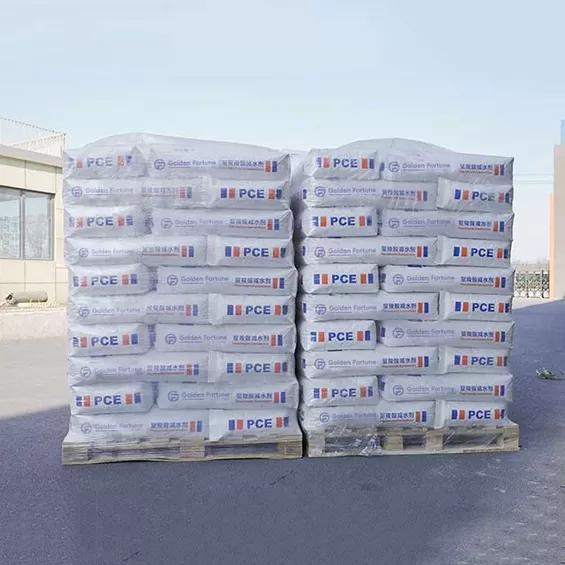
- Supplier Partnership: Working with a reliable supplier like Golden Fortune ensures consistent GGBS quality. Their technical support can be invaluable for optimizing mix designs for specific project requirements and local materials, ensuring the intended sustainability and performance outcomes are achieved.
Economic and Sustainable Cost Analysis
The economic case for GGBS concrete is compelling when viewed holistically. While the unit cost of GGBS can vary, its use often leads to overall project savings and value.
- Material Cost: In many regions, GGBS is cost-competitive with or slightly cheaper than OPC, offering direct savings.
- Durability Dividend: The vastly reduced risk of deterioration translates into enormous savings on repair, maintenance, and rehabilitation over a structure’s 50-100 year lifespan.
- Compliance Value: It helps meet regulatory carbon targets and achieve green building certification points, which can have financial incentives and enhance asset value.
- Waste Reduction Costs: Using GGBS diverts material from landfills, potentially saving on associated waste levies for steel producers and society at large.
The Future of Sustainable Concrete with GGBS
The future of ggbs concrete sustainability looks robust. As global carbon regulations tighten and net-zero targets become law, the demand for low-carbon concrete solutions will only grow. GGBS is a proven, available, and scalable technology ready to meet this demand today.
Innovation continues, with research focusing on optimizing particle size, developing ternary blends with other supplementary cementitious materials like fly ash, and improving activation methods. The consistent supply of high-quality GGBS from partners in the steel and distribution chain, such as Golden Fortune, will be essential to support the industry’s green transition. By specifying GGBS, engineers and developers are not just making a material choice; they are investing in a more durable, resilient, and environmentally responsible built environment.
Frequently Asked Questions (FAQs)
Q1: Is GGBS concrete suitable for all types of construction projects?
A1: GGBS concrete is highly versatile and suitable for most applications, especially where durability or thermal control is key. It is excellent for marine works, foundations, large pours, and infrastructure. For projects with very fast early strength requirements (e.g., precast elements with quick turnaround), the mix design needs careful adjustment, possibly using a lower replacement ratio.
Q2: How does GGBS affect the setting time and early strength of concrete?
A2: Concrete with high GGBS content (e.g., >50%) typically has a longer initial setting time and develops early strength more slowly than pure OPC concrete. This is manageable with proper planning. At 28 days and beyond, the strength often equals or exceeds that of OPC concrete. Adequate curing is non-negotiable to ensure this strength development.
Q3: Is GGBS concrete more expensive than traditional concrete?
A3: Not necessarily. The cost is often comparable. While material prices fluctuate, any potential premium is usually offset by longer-term savings. These savings come from reduced maintenance, extended structure lifespan, and potential incentives for meeting sustainability benchmarks. A lifecycle cost analysis almost always favors GGBS concrete.
Q4: What is the typical replacement percentage for GGBS in concrete?
A4: Common replacement levels range from 30% to 70% of the total cementitious content. For general use, 50% is a standard, effective benchmark. In aggressive environments like marine exposure, levels of 70% or higher are often specified. The optimal percentage depends on the project requirements, ambient conditions, and desired performance characteristics.
Q5: How can I ensure I am getting quality GGBS for my project?
A5: Source your GGBS from established and reputable suppliers who provide consistent product quality and full technical data sheets. Look for suppliers who adhere to international standards like BS EN 15167-1 or ASTM C989. Companies with a strong reputation, such as Golden Fortune, invest in quality control and offer technical support to ensure their GGBS performs as expected in your specific concrete mix.