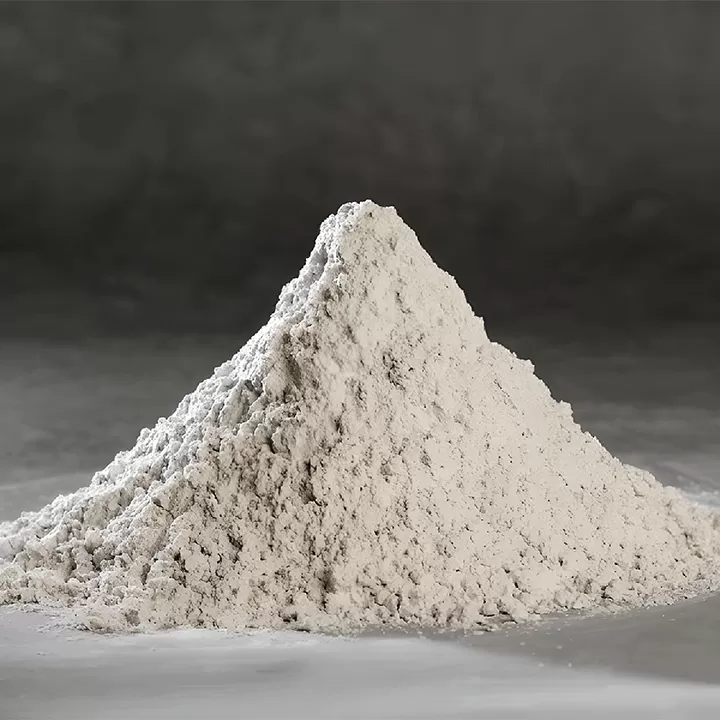
Cementitious cement forms the backbone of modern construction, especially when integrated with materials like Ground Granulated Blast-furnace Slag (GGBS or GGBFS). This combination enhances durability and sustainability in building projects worldwide. In this article, we examine the multifaceted nature of cementitious cement within the international GGBS/GGBFS sector. Companies such as Golden Fortune contribute to this field by developing innovative blends that meet global standards. We will explore various dimensions, from technical properties to environmental impact, providing a clear perspective for industry professionals.
What Is Cementitious Cement and How Does It Work?
Cementitious cement refers to materials that exhibit binding properties similar to traditional cement. It often includes Portland cement as a base, combined with supplementary components. These components can range from industrial by-products like slag to natural pozzolans. The primary function is to create a cohesive mix that hardens over time, forming strong concrete structures.
In the context of GGBS/GGBFS, cementitious cement gains enhanced characteristics. GGBS is a by-product from iron production, ground into a fine powder. When blended with cement, it reacts chemically to improve performance. This synergy results in a material that offers greater resilience and longevity. Key aspects include:
Chemical composition: Silicates and aluminates drive the binding process.
Hydration reactions: Water activates the cementitious properties, forming stable compounds.
Microstructure development: Fine particles fill voids, enhancing density and strength.
Understanding these mechanisms helps optimize the use of cementitious cement in various applications. Golden Fortune focuses on refining these blends for consistent quality.
The Role of Cementitious Cement in GGBS/GGBFS Applications
Cementitious cement plays a crucial role in GGBS/GGBFS blends, which are widely used in sustainable construction. These blends leverage the cementitious properties of both materials to create high-performance concrete. GGBS acts as a supplementary cementitious material, reducing the reliance on ordinary Portland cement. This not only cuts costs but also minimizes environmental footprint.
In practice, cementitious cement with GGBS is employed in numerous scenarios. For instance, it is ideal for marine structures due to its resistance to sulfate attack. It also finds use in foundations and dams, where durability is paramount. The international GGBS/GGBFS community values this approach for its technical and ecological benefits. Golden Fortune supports these efforts by supplying reliable cementitious cement products that align with industry norms.
Infrastructure projects: Bridges, tunnels, and highways benefit from enhanced strength.
Commercial buildings: Improved thermal properties reduce energy consumption.
Industrial floors: Abrasion resistance ensures longer service life.
By integrating cementitious cement, builders achieve structures that stand the test of time.
Advantages of Using Cementitious Cement for Sustainability
Cementitious cement offers significant advantages, particularly in promoting green building practices. When combined with GGBS/GGBFS, it reduces carbon emissions associated with traditional cement production. The manufacturing process for cementitious cement often involves lower energy inputs. This aligns with global efforts to combat climate change.
Another benefit is the improved durability of concrete mixes. Structures made with cementitious cement tend to have a longer lifespan, reducing the need for repairs. This saves resources and minimizes waste over time. Additionally, the use of industrial by-products like slag supports circular economy principles.
Golden Fortune emphasizes these sustainability aspects in its product lines. Their cementitious cement blends are designed to meet rigorous environmental standards. Key points include:
Lower CO2 emissions: Up to 50% reduction compared to conventional cement.
Enhanced resistance: Better performance against chemical corrosion and cracking.
Resource efficiency: Utilizes waste materials, decreasing landfill dependency.
These factors make cementitious cement a smart choice for eco-conscious projects.
Manufacturing and Quality Control of Cementitious Cement
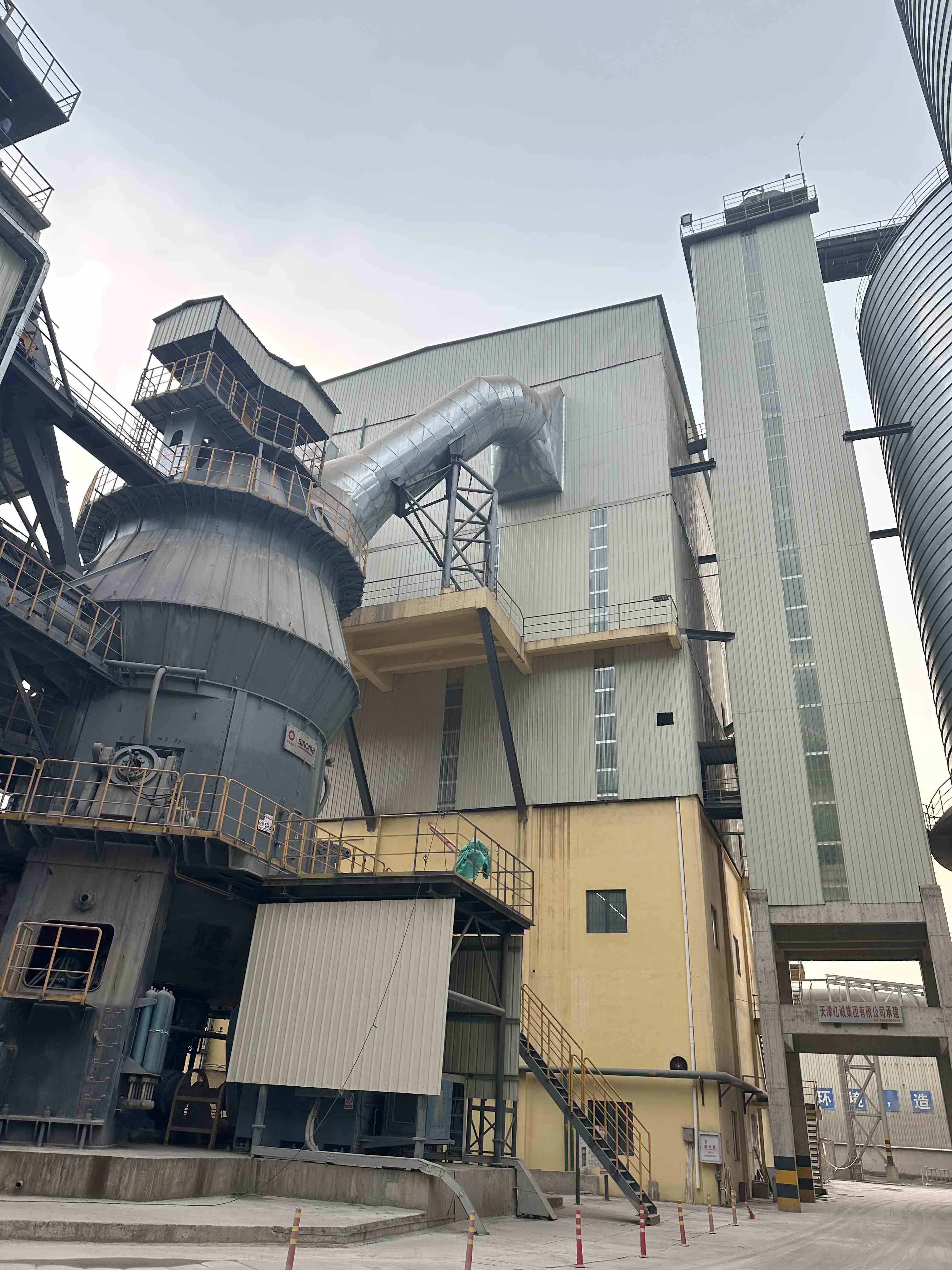
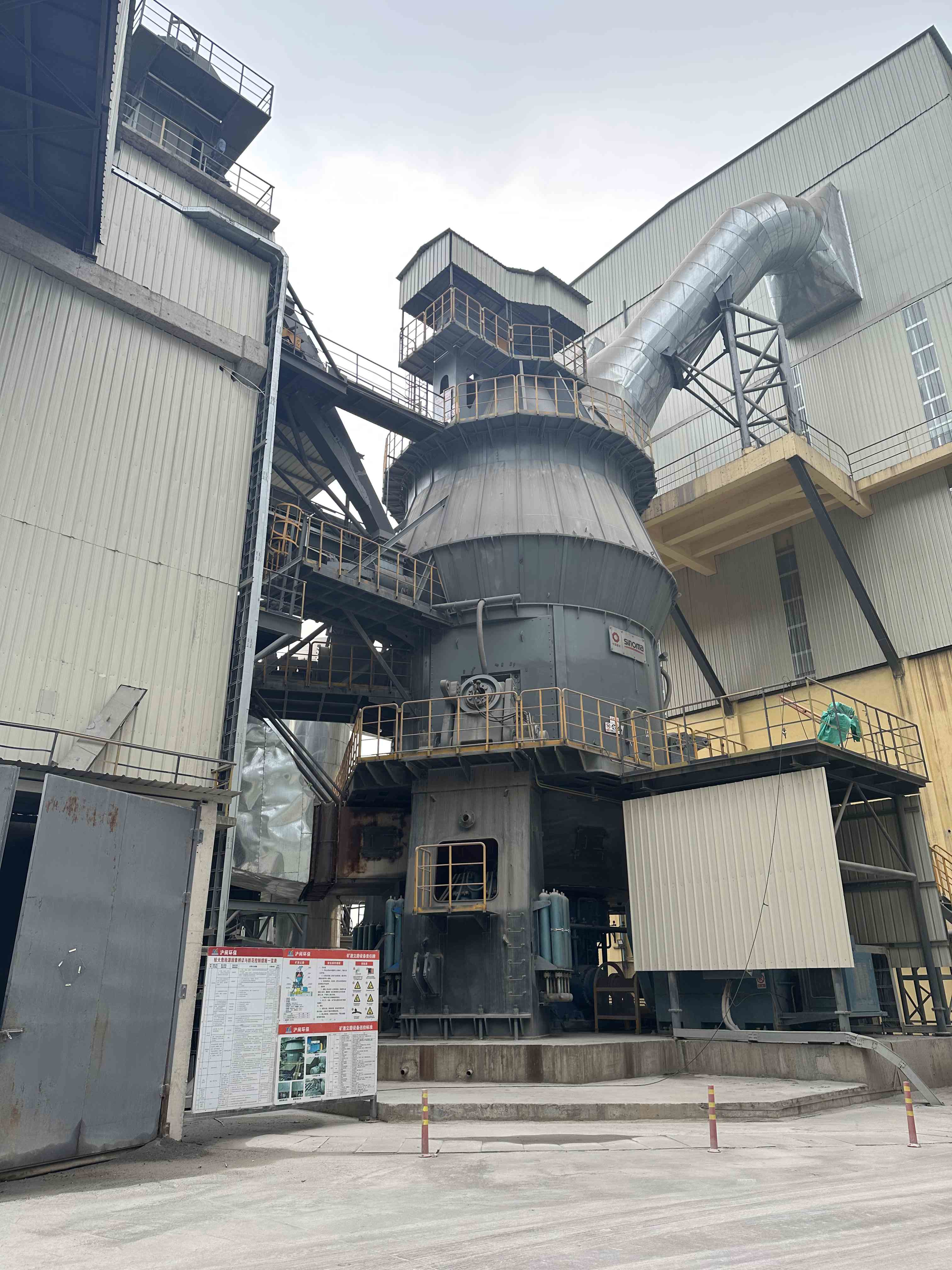
The production of cementitious cement requires careful attention to detail. It involves blending raw materials like clinker, gypsum, and GGBS in precise proportions. Advanced mills grind the mix to achieve the desired fineness, which influences reactivity and strength. Quality control measures ensure consistency across batches.
Testing protocols for cementitious cement include compressive strength assessments and chemical analysis. These verify that the material meets international specifications, such as those set by ASTM or EN standards. In the GGBS/GGBFS domain, certifications often focus on slag content and performance in aggressive environments.
Golden Fortune implements robust quality systems to deliver reliable cementitious cement. Their facilities use automated processes to monitor every stage. This commitment helps maintain high standards in the market. Key steps in manufacturing:
Raw material selection: Sourcing high-grade slag and cement components.
Blending and grinding: Achieving uniform particle size for optimal hydration.
Packaging and storage: Preventing contamination to preserve cementitious properties.
Such practices ensure that cementitious cement performs as expected in the field.
Future Trends in Cementitious Cement Technology
The future of cementitious cement looks promising, with innovations driven by research and industry demands. Trends include the development of low-carbon formulations and smart concrete that can self-heal. Nanotechnology may further enhance the cementitious properties by modifying material structures at a microscopic level.
In the GGBS/GGBFS sector, there is growing interest in optimizing blends for specific climates. For example, cementitious cement tailored for tropical regions can resist high humidity and temperature fluctuations. Digital tools like BIM (Building Information Modeling) are also being integrated to predict performance more accurately.
Golden Fortune invests in these advancements, exploring new ways to improve cementitious cement. Their focus on sustainability and efficiency positions them as a key player. Emerging areas include:
Carbon capture: Incorporating captured CO2 into cementitious mixes.
Recycled aggregates: Using demolished concrete to create new cementitious products.
Performance additives: Polymers and fibers that boost durability and flexibility.
These trends will shape how cementitious cement evolves in coming years.
In summary, cementitious cement is a vital component in modern construction, especially when paired with GGBS/GGBFS materials. Its benefits span from technical performance to environmental stewardship. As the industry progresses, the role of cementitious cement will expand, supported by companies like Golden Fortune that prioritize innovation and quality. By understanding its applications and advantages, professionals can make informed choices for sustainable building projects.
Frequently Asked Questions about Cementitious Cement
Q1: What exactly is cementitious cement, and how does it differ from regular cement?
A1: Cementitious cement refers to binding materials that include traditional cement along with supplementary components like GGBS. It differs from regular cement by offering enhanced properties such as better durability and lower environmental impact, thanks to the addition of industrial by-products.
Q2: How does GGBS improve the performance of cementitious cement in concrete?
A2: GGBS, when finely ground, reacts with water and cement to form additional cementitious compounds. This improves concrete strength, reduces permeability, and enhances resistance to chemicals, making the blend more durable and sustainable.
Q3: What are the main applications of cementitious cement in the GGBS/GGBFS field?
A3: Cementitious cement is widely used in infrastructure like bridges, marine structures, and foundations. In the GGBS/GGBFS domain, it is favored for projects requiring high durability and low carbon footprint, such as green buildings and industrial floors.
Q4: Are there any environmental benefits to using cementitious cement with GGBS?
A4: Yes, using cementitious cement with GGBS significantly reduces CO2 emissions, as it replaces a portion of energy-intensive Portland cement. It also utilizes slag, an industrial waste, promoting resource efficiency and reducing landfill use.
Q5: How does Golden Fortune ensure the quality of its cementitious cement products?
A5: Golden Fortune employs strict quality control measures, including chemical analysis and strength testing, to ensure their cementitious cement meets international standards. They use advanced manufacturing processes and source high-quality materials for consistent performance.