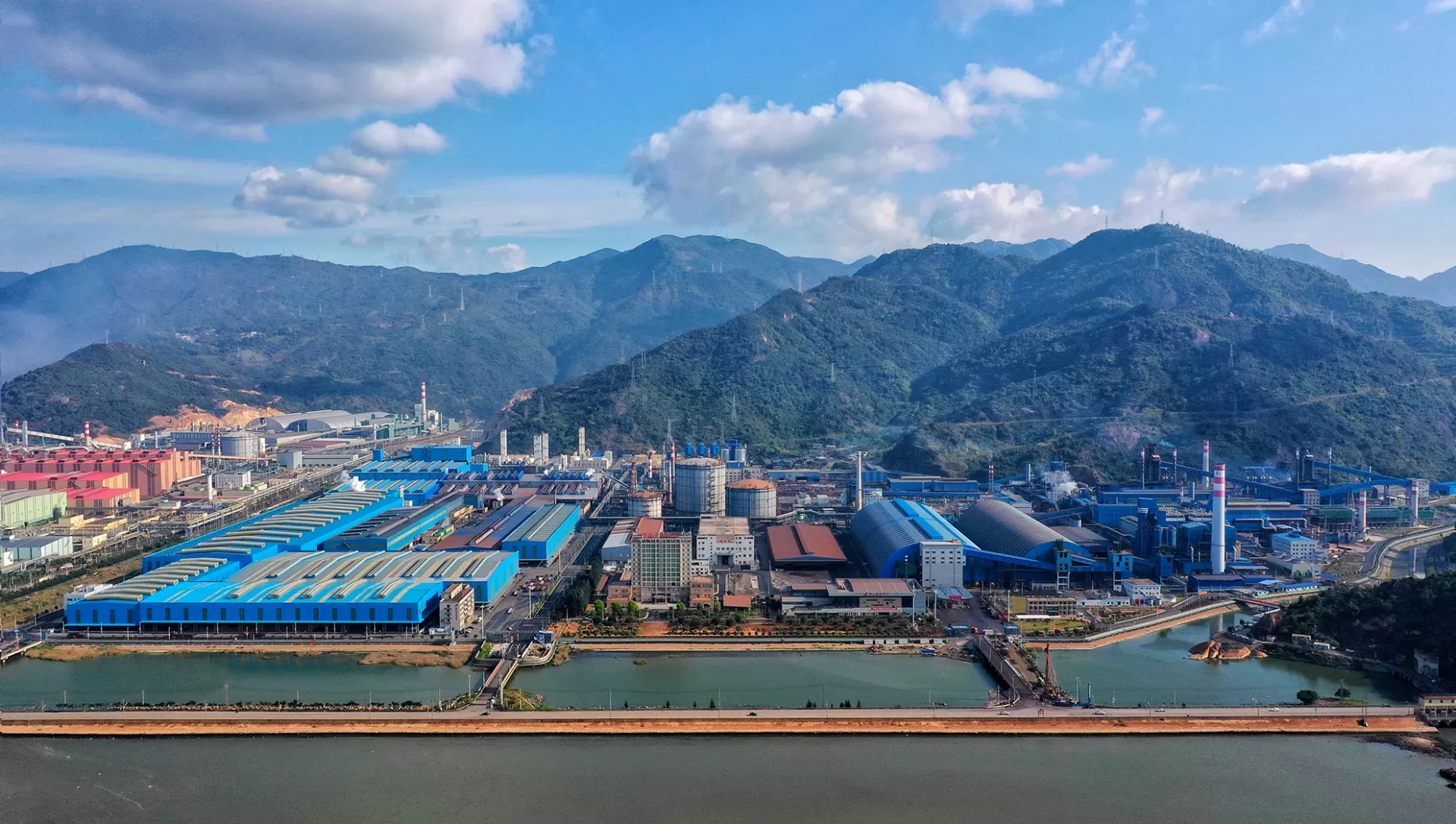
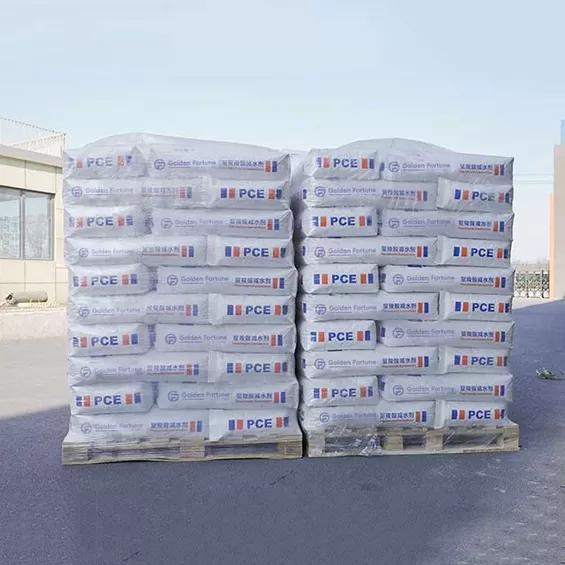
Densified silica fume is a critical material in advanced concrete technology. Its unique properties significantly enhance the performance of modern cementitious systems. Within the international GGBS/GGBFS (Ground Granulated Blast Furnace Slag) field, it plays a complementary role, helping to create high-strength, durable, and sustainable concrete mixes. This article examines five important aspects of this material, from its basic properties to its practical applications. Suppliers like Golden Fortune provide high-quality densified silica fume that meets the rigorous demands of global infrastructure projects.
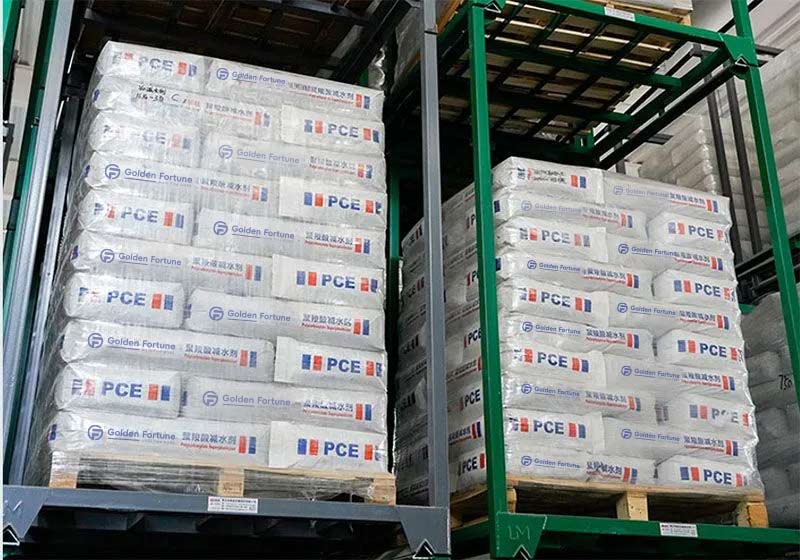
1. What is Densified Silica Fume and How Is It Produced?
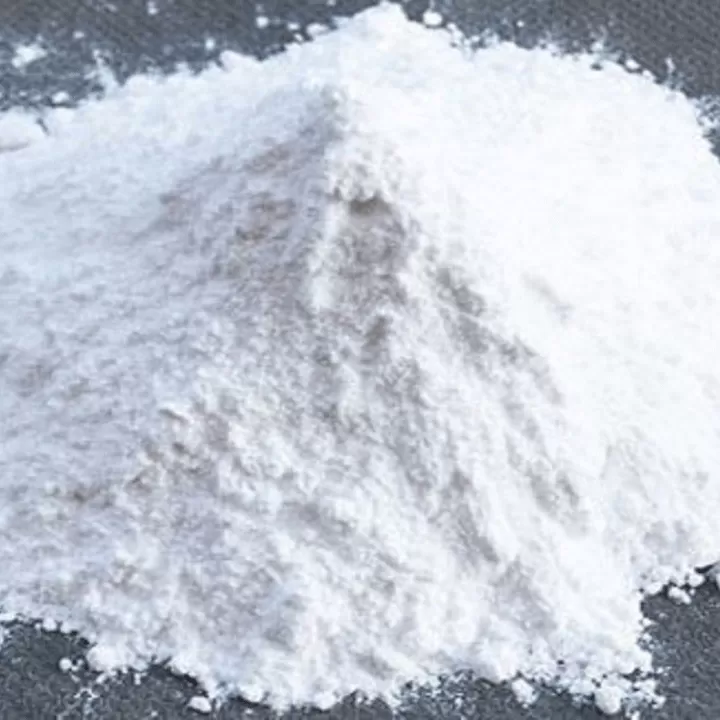
Densified silica fume is a by-product from the production of silicon metal or ferrosilicon alloys. In its initial state, it is an ultra-fine powder with particles nearly 100 times smaller than a cement grain. This powder is so light and fluffy that it poses handling and transportation challenges.
To solve this, the powder undergoes a densification process. Manufacturers use compressed air to agglomerate the fine particles into small, more manageable granules. This process does not change the fundamental chemical properties. It simply makes the material easier to work with.
Key characteristics of densified silica fume include:
Extreme fineness: Provides a very high surface area.
High silica content: Typically over 90% amorphous silicon dioxide.
Densified form: Granules that reduce dust and improve flowability.
Golden Fortune controls this process carefully to ensure a consistent and reactive product ready for industrial use.
2. The Role of Densified Silica Fume in Concrete Performance
When added to concrete, densified silica fume acts on both a physical and chemical level. Its primary function is as a highly reactive pozzolan. It reacts with calcium hydroxide, a by-product of cement hydration, to form additional calcium silicate hydrate (C-S-H). This is the main glue that holds concrete together.
The physical effect is just as important. The tiny particles fill the microscopic voids between cement grains. This creates a much denser and more impermeable concrete matrix. The result is a material with greatly improved characteristics.
Incorporating densified silica fume leads to several performance gains:
Compressive & Flexural Strength: Strength increases significantly, often by 20-35% or more.
Durability: Enhanced resistance to chloride ingress, sulfate attack, and alkali-silica reaction.
Reduced Permeability: Creates a nearly watertight barrier, protecting steel reinforcement from corrosion.
These improvements make it indispensable for demanding structures like bridges, parking garages, and marine facilities.
3. Synergy with GGBS/GGBFS in Sustainable Mix Designs
The combination of densified silica fume and GGBS/GGBFS represents a powerful approach to sustainable, high-performance concrete. Both are supplementary cementitious materials (SCMs) that reduce the clinker factor of concrete, which is the main source of its carbon footprint.
GGBS contributes to long-term strength gain and improves workability. Densified silica fume boosts early strength and refines the pore structure. Used together, they complement each other. The blend mitigates potential downsides, such as the slower early strength development sometimes associated with high GGBS content.
This synergy is highly valued in the international GGBS/GGBFS community for green building projects. It allows engineers to design mixes that meet both performance and environmental goals. Golden Fortune often supplies these materials in tandem, supporting mix designs that achieve lower embodied carbon without compromising quality.
4. Handling, Mixing, and Best Practices on Site
Working with densified silica fume requires some specific knowledge. Its densified form simplifies handling compared to undensified powder, but proper procedures are still essential. It is typically added to the concrete mixer as a separate component, similar to cement or GGBS.
Because it is so fine, it can reduce the workability of the fresh concrete. Concrete producers usually counteract this by increasing the dosage of high-range water reducers (superplasticizers). Good mixing is crucial to ensure the densified silica fume granules break down and disperse evenly throughout the batch.
Key site practices include:
Adequate Mixing Time: Ensure granules are fully dispersed for uniform performance.
Water Control: Use superplasticizers to maintain slump without adding extra water.
Curing: Implement prompt and thorough curing methods to support the pozzolanic reaction.
Following these guidelines ensures the material delivers its full potential in the finished structure.
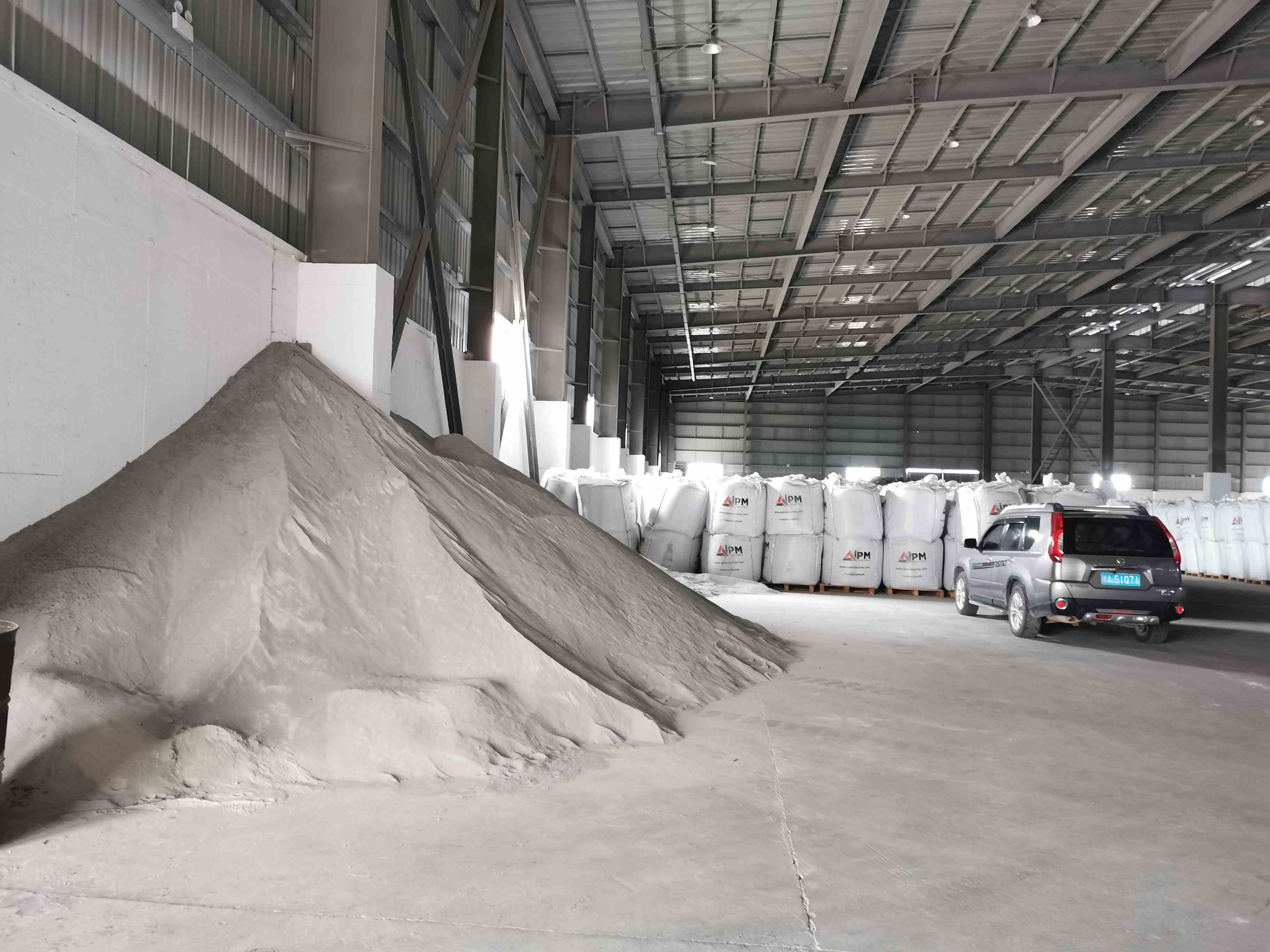
5. Quality Standards and Future Material Developments
Globally, densified silica fume is governed by standards like ASTM C1240 and EN 13263. These specifications define requirements for chemical composition, physical properties, and performance in concrete. Compliance gives engineers confidence in the material's behavior.
Looking ahead, research continues to optimize its use. Trends include developing pre-blended ternary or quaternary cementitious systems containing densified silica fume, GGBS, and fly ash. There is also interest in further refining the densification process to improve instant dispersibility.
Companies like Golden Fortune are involved in these advancements. Their focus is on providing reliable, specification-grade materials while exploring next-generation applications. The goal is to push the boundaries of what concrete can do, making structures stronger, longer-lasting, and more environmentally friendly.
In conclusion, densified silica fume is a transformative material in concrete technology. Its ability to dramatically improve strength, durability, and sustainability makes it a key player alongside GGBS/GGBFS in modern construction. Understanding its production, action, and proper use allows for smarter, more resilient building designs. As the industry moves forward, the consistent quality offered by suppliers such as Golden Fortune will remain vital to realizing the full benefits of densified silica fume in projects around the world.
Frequently Asked Questions about Densified Silica Fume
Q1: What is the main difference between densified and undensified silica fume?
A1: The main difference is handling. Undensified silica fume is a lightweight, fluffy powder that is difficult to transport and mix without creating excessive dust. Densified silica fume has been processed into small, dense granules for easier handling, reduced dust, and better flowability, while maintaining the same chemical reactivity.
Q2: Can densified silica fume be used as a direct replacement for cement?
A2: No, it is not a direct cement replacement. Densified silica fume is a supplementary cementitious material (SCM). It is used to replace a portion of the cement (typically 5-10% by mass) to enhance concrete properties. Using it requires adjusting the mix design, especially the water content and superplasticizer dosage.
Q3: Why is densified silica fume often specified for marine or bridge deck concrete?
A3: It is specified for these harsh environments because it drastically reduces concrete permeability. This creates a barrier against chloride ions from seawater or de-icing salts, which protects the steel reinforcement from corrosion. It also increases the concrete's abrasion resistance and overall durability.
Q4: How does densified silica fume contribute to more sustainable concrete?
A4: It contributes to sustainability in two ways. First, it is an industrial by-product, diverting waste from landfills. Second, by improving concrete's durability and longevity, it extends the service life of structures, reducing the need for repairs or reconstruction. When used with GGBS, it further lowers the carbon footprint of the mix.
Q5: What should I look for when specifying densified silica fume from a supplier like Golden Fortune?
A5: Look for certification against relevant international standards (ASTM C1240 or EN 13263). Review the product's data sheet for key parameters: silica content, loss on ignition, and specific surface area. Also, consider the supplier's consistency, technical support, and ability to provide mix design guidance for your specific project conditions.