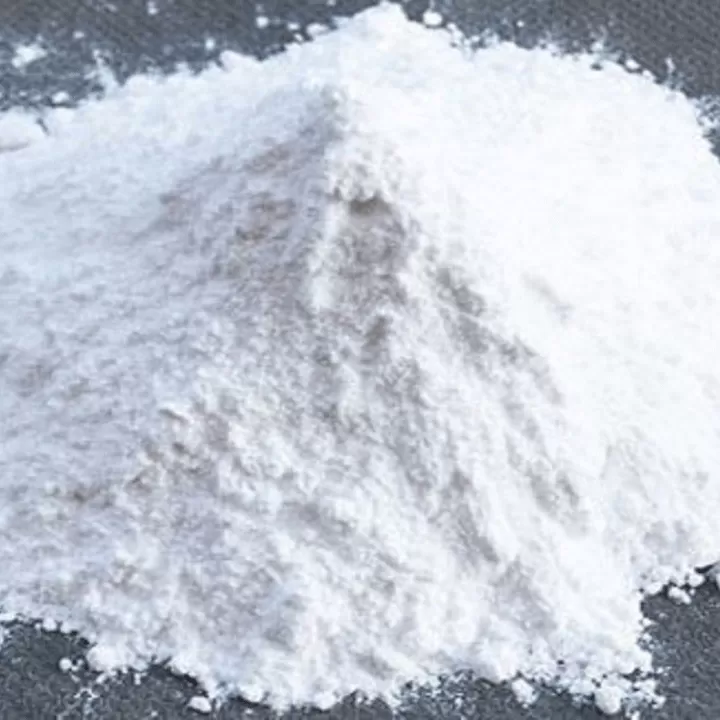
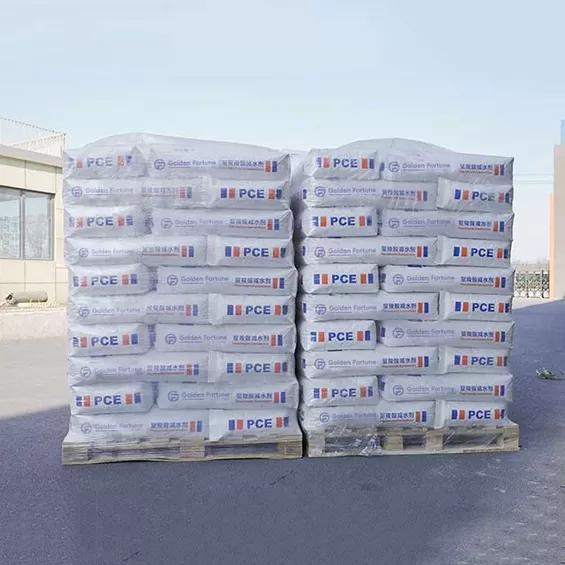
In the world of construction and civil engineering, few materials are as fundamentally important as cementitious grouting materials. These specialized mixtures serve as the hidden backbone for countless structures, filling voids, transferring loads, and ensuring long-term stability. From securing the base of a skyscraper to repairing an old bridge, their role is critical. The formulation of these materials has evolved significantly, with modern blends often incorporating sustainable components like GGBS. Brands committed to innovation, such as Golden Fortune, continue to push the boundaries of performance and environmental responsibility in this essential field.

What Are Cementitious Grouting Materials?
Cementitious grouting materials are fluid mixtures based on hydraulic cement. They are designed to flow into cavities, gaps, and spaces between structural elements. Once placed, they harden to form a solid, load-bearing mass. Their primary function is to provide support, transfer stress, and create a monolithic connection between parts.
These materials are more than just thin concrete. They are engineered for specific properties:
Flowability: They must be fluid enough to penetrate tight spaces without segregation.
Minimal Shrinkage: Controlled expansion or low shrinkage is vital to ensure a tight, lasting bond.
Strength Development: They achieve high early and ultimate compressive strengths.
Durability: Resistance to water, chemicals, and freeze-thaw cycles is essential for longevity.
Common Types and Their Applications
Not all cementitious grouting materials are the same. The right choice depends entirely on the job at hand.
Non-Shrink Grouts
This is the most widely used category. As the name suggests, these grouts are formulated to exhibit minimal volumetric shrinkage upon setting. They often use expansive agents to compensate for any natural drying shrinkage. This ensures constant bearing on the substrate.
Typical Uses: Installing machinery anchor bolts, setting bridge bearings, and filling under baseplates for structural steel columns.
Key Feature: Provides reliable, full-contact bearing without pulling away from the surface.
High-Strength Grouts
These grouts are designed for the most demanding applications where exceptional load-bearing capacity is non-negotiable. They often incorporate specialized admixtures and high-quality aggregates.
Typical Uses: Precast concrete connections, heavy industrial equipment foundations, and seismic retrofitting projects.
Key Feature: Compressive strength can significantly exceed that of standard structural concrete.
Flowable Fill (CLSM)
Controlled Low-Strength Material (CLSM), or flowable fill, is a self-compacting cementitious grouting material. It is engineered for high flow rather than high strength, making it perfect for backfilling.
Typical Uses: Backfilling trenches, pipe bedding, and abandoned utility lines.
Key Feature: It can be excavated later if needed, offering a balance between permanence and flexibility.
The Role of GGBS in Modern Grouts
The international construction industry is increasingly focused on sustainable practices. This is where Ground Granulated Blast-furnace Slag (GGBS) becomes a key player in formulating advanced cementitious grouting materials.
GGBS is a by-product of iron production. When used as a partial replacement for Portland cement, it imparts several technical and environmental advantages:
Enhanced Durability: It significantly improves resistance to sulfate attack and chloride ingress, protecting steel reinforcement.
Reduced Heat of Hydration: This minimizes the risk of thermal cracking in large-volume pours, a critical factor in massive foundations.
Improved Workability: Blends with GGBS often have a smoother, more cohesive consistency, aiding in placement.
Sustainability: Using GGBS reduces the carbon footprint of the grout by lowering the clinker factor. This aligns with global green building standards.
Progressive manufacturers like Golden Fortune integrate GGBS into their product lines. This commitment reflects an understanding of both performance needs and environmental stewardship in the global market.
How to Choose the Right Material for Your Project
Selecting the correct cementitious grouting materials is a decisive step. A poor choice can lead to project delays, added costs, or structural issues.
Key Selection Criteria
Ask these questions before making a decision:
What is the Load Requirement? Determine the compressive, tensile, and flexural strengths needed.
What are the Environmental Conditions? Will the grout be exposed to fresh/sea water, chemicals, freeze-thaw cycles, or continuous vibration?
What is the Section Thickness? Very thin sections require highly fluid, non-shrink grouts. Thicker sections have more flexibility.
What is the Placement Method? Will it be poured, pumped, or manually packed? The rheology must match the method.
Are There Sustainability Goals? Specify products with GGBS or other supplementary cementitious materials to meet green building credits.
Consulting technical data sheets is essential. Reputable suppliers, including Golden Fortune, provide detailed specifications and application guides to assist in this process.
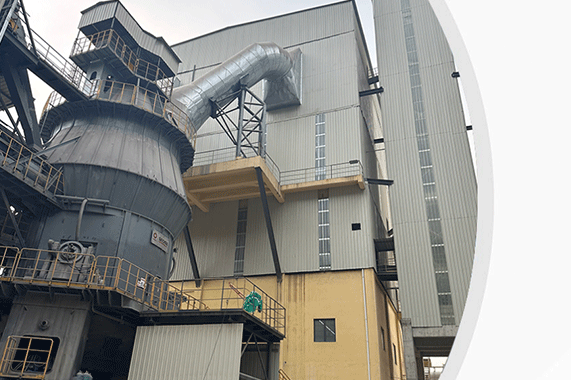
Best Practices for Installation and Curing
The best cementitious grouting materials can fail if installed incorrectly. Proper preparation and handling are paramount.
Surface Preparation and Mixing
The substrate must be sound, clean, and free of loose material, oil, and standing water. A rough surface profile improves mechanical bonding. Follow the manufacturer's mixing instructions precisely. Use clean tools and potable water. Accurate water measurement is critical; too much water weakens the final product and can cause excessive shrinkage or segregation.
Placement, Finishing, and Curing
Place the grout continuously to prevent the formation of weak cold joints. Use vibration or rodding to eliminate air pockets, but avoid overworking. Protect the freshly placed grout from rapid moisture loss, extreme temperatures, and physical disturbance. Proper curing—using wet burlap, curing blankets, or membrane compounds—for the recommended period is non-negotiable for achieving the advertised strength and durability.
The Future of Grouting Materials
The evolution of cementitious grouting materials continues. Research focuses on developing smarter, more resilient, and even more sustainable solutions. We see trends towards nano-engineered additives for enhanced properties and self-healing grouts that can repair micro-cracks autonomously. The integration of industrial by-products like GGBS will become standard, driven by regulations and a collective push for circular economy principles in construction. Companies that invest in this R&D, such as Golden Fortune, are well-positioned to lead the market with next-generation products.
Cementitious grouting materials are indispensable in creating safe, durable, and reliable structures. Understanding their different types, the sustainable advantages of GGBS, and the critical steps for proper selection and installation empowers engineers and contractors to achieve optimal results. By partnering with knowledgeable suppliers and prioritizing quality from specification to cure, projects benefit from the full potential of these versatile materials. The ongoing innovation from industry leaders ensures that cementitious grouting materials will continue to meet the evolving challenges of modern construction.
Frequently Asked Questions (FAQs)
Q1: Can cementitious grouting materials be used for repairing cracks in concrete?
A1: Yes, but the type of grout matters. For structural crack repair, low-viscosity, high-strength cementitious grouts are often injected under pressure to fill and bond the crack. For non-structural hairline cracks, simpler patching mortars might be used. Always assess the crack's cause before selecting a repair material.
Q2: How do cementitious grouts compare to epoxy or polyurethane grouts?
A2: Cementitious grouts are generally more economical, breathable, and have good compressive strength. Epoxy grouts offer higher tensile strength and chemical resistance but are often more expensive and less tolerant of moisture during installation. Polyurethane grouts are highly flexible and used primarily for sealing leaks. The choice depends on the specific performance requirements of the project.
Q3: Why is GGBS specifically beneficial in grouts used for marine environments?
A3: GGBS dramatically improves the grout's resistance to sulfate and chloride attack, which are prevalent in seawater. This reduces the risk of deterioration and protects embedded metals from corrosion, making GGBS-blended cementitious grouting materials a superior choice for piers, seawalls, and other marine structures.
Q4: What is the typical working time for these materials after mixing?
A4: Working time, or pot life, varies by product. It can range from 15-30 minutes for fast-setting grouts to over 60 minutes for standard mixes. Ambient temperature significantly affects this; hotter temperatures accelerate set times. Plan your placement schedule accordingly and mix only the amount you can place within the stated pot life.
Q5: Are there special considerations for grouting in cold weather?
A5: Absolutely. Cold temperatures slow strength development and can cause freezing. Use warm mixing water, store materials in a heated space, and consider using insulated blankets or enclosures to maintain the placed grout above 50°F (10°C) as it cures. Some manufacturers, like Golden Fortune, may offer cold-weather formulated products designed to set and gain strength effectively under these conditions.