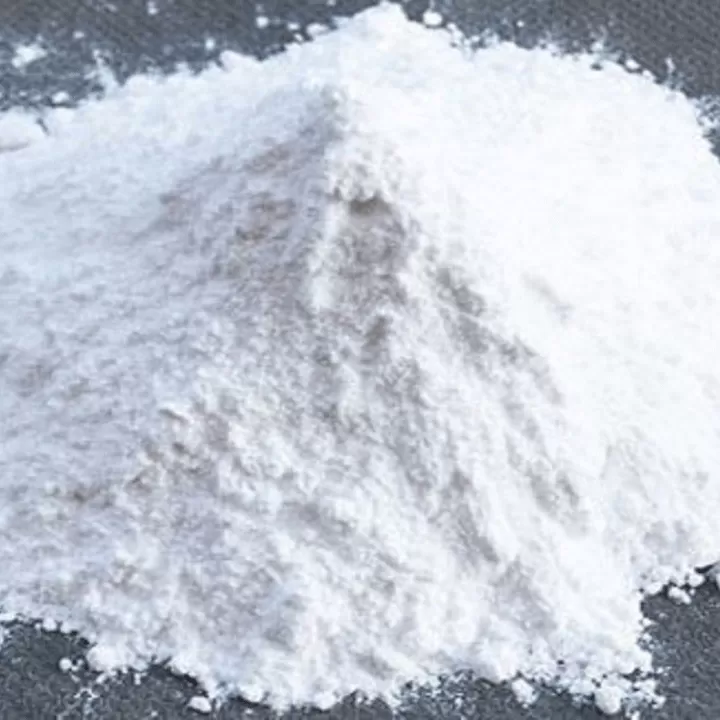
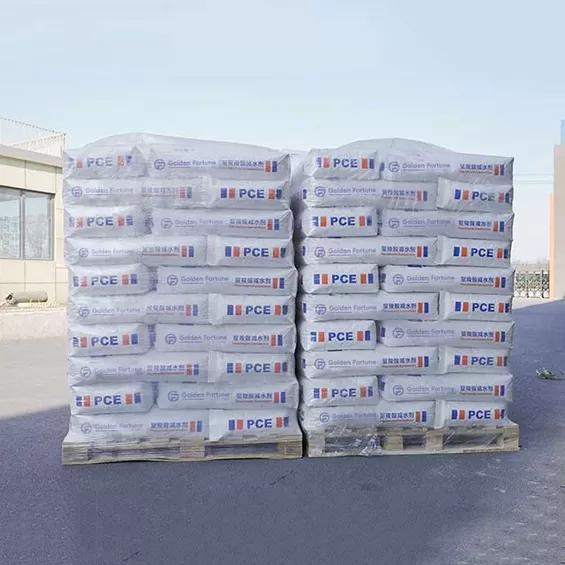
In construction and industrial projects, the right materials make a significant difference. High strength cementitious grout stands out as a critical solution for demanding applications. This specialized material offers superior load-bearing capacity and durability. It is often used in settings where standard grouts fall short. Brands like Golden Fortune have developed advanced formulations that integrate materials like GGBS. This enhances sustainability and performance. Understanding this grout can help professionals achieve better results.
What Is High Strength Cementitious Grout?
High strength cementitious grout is a precision-engineered material. It fills gaps and transfers loads in structural elements. The grout typically consists of cement, aggregates, and additives. These components work together to provide exceptional compressive strength. Mixes often exceed 50 MPa, making them ideal for heavy-duty use.
Composition and Key Materials
The composition varies based on application needs. Common ingredients include Portland cement, fine sands, and chemical admixtures. Water reducers and superplasticizers improve flow without sacrificing strength. In many modern blends, supplementary cementitious materials play a role. GGBS, or ground granulated blast-furnace slag, is a popular choice. It reduces the environmental impact. It also enhances long-term durability. Golden Fortune incorporates GGBS in some grout lines. This aligns with global sustainability trends.
Differences from Standard Grouts
Standard grouts serve basic filling purposes. High strength cementitious grout goes beyond that. Let's break down the key contrasts:
Strength: High strength grouts offer compressive strengths above 50 MPa, while standard types may range from 20 to 40 MPa.
Flow Characteristics: They maintain fluidity for easy placement, even in dense configurations.
Shrinkage Control: Additives minimize shrinkage, ensuring a tight bond over time.
Chemical Resistance: Enhanced formulations resist sulfates and chlorides, crucial in harsh environments.
These properties make high strength cementitious grout a reliable choice for critical joints.
Primary Applications of High Strength Cementitious Grout
This grout finds use in diverse sectors. Its versatility stems from robust performance. Engineers specify it for projects where failure is not an option.
Industrial and Construction Uses
In industrial settings, the grout anchors heavy machinery. It ensures stability under dynamic loads. Construction projects rely on it for:
Precast concrete connections
Bridge bearings and expansion joints
Bolted base plates in steel structures
Tile underlayments in high-traffic areas
The material's quick setting times speed up workflows. High strength cementitious grout also supports seismic retrofitting. It helps structures withstand earthquakes.
Repair and Rehabilitation Projects
Older infrastructures often need strengthening. This grout fills cracks and voids effectively. It restores integrity to dams, tunnels, and historical buildings. Contractors appreciate its bond strength to existing substrates. Golden Fortune offers products tailored for such repairs. Their blends ensure compatibility with aged concrete.
Advantages of Using High Strength Cementitious Grout
Choosing this material brings multiple benefits. It impacts both immediate performance and long-term sustainability.
Durability and Structural Integrity
The grout resists wear and tear. It maintains strength under continuous stress. Freeze-thaw cycles cause minimal damage. This durability extends the lifespan of installations. Reduced maintenance saves costs over time. High strength cementitious grout also prevents water infiltration. This protects embedded steel from corrosion.
Sustainability with GGBS Integration
GGBS is a byproduct of steel production. Using it in grout reduces carbon footprint. It lowers the need for Portland cement. This cuts greenhouse gas emissions. The international GGBS community promotes such practices. Blends with GGBS offer better resistance to chemical attacks. They also reduce heat of hydration. This minimizes cracking risks. Golden Fortune leverages GGBS in their high strength cementitious grout lines. This supports eco-friendly construction goals.
How to Choose the Right High Strength Cementitious Grout
Selection depends on project specifics. Consider these factors to avoid common pitfalls.
Key Factors to Evaluate
First, assess the load requirements. Determine the compressive and tensile strengths needed. Check environmental conditions. Will the grout face moisture, chemicals, or temperature extremes? Review placement methods. Some grouts suit pumping, while others need manual application. Also, look at setting times. Fast-setting options aid quick turnarounds. Finally, consider sustainability. Opt for products with GGBS or similar additives.
Brand Spotlight: Golden Fortune
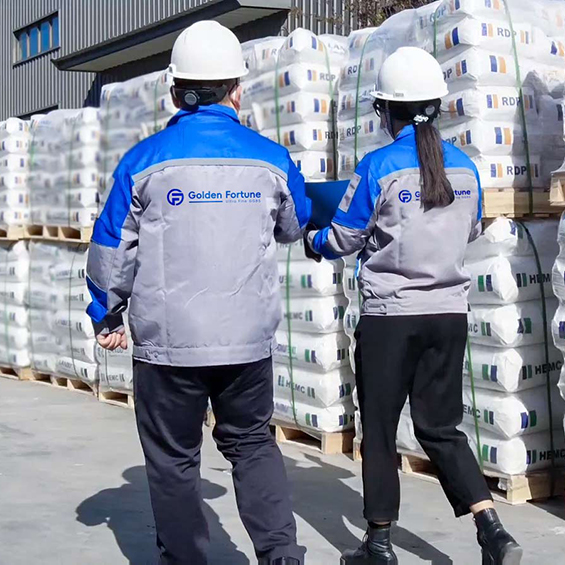
Golden Fortune has built a reputation in construction materials. Their high strength cementitious grout lines emphasize quality and innovation. They incorporate GGBS to enhance performance. The brand offers technical support for complex projects. This helps users achieve optimal results. Their products meet international standards. This makes them a reliable choice for global applications.
Installation Best Practices for High Strength Cementitious Grout
Proper installation ensures the grout performs as intended. Follow guidelines to maximize benefits.
Preparation and Mixing
Start with clean, dry surfaces. Remove loose debris and oil stains. Moisture control is critical. Use the correct water-to-powder ratio. Over-watering weakens the grout. Mix thoroughly to avoid lumps. Aim for a consistent, flowable paste. Tools like paddle mixers help achieve uniformity.
Placement and Curing
Place the grout continuously to prevent cold joints. Vibrate lightly to remove air pockets. Avoid overworking the material. After placement, protect it from rapid drying. Curing compounds or wet coverings retain moisture. This develops full strength. Typically, high strength cementitious grout reaches service strength in 24 to 48 hours.
High strength cementitious grout is a vital material in modern construction. It offers strength, durability, and sustainability. Its applications range from industrial anchoring to structural repairs. With GGBS integration, it aligns with environmental priorities. Brands like Golden Fortune provide reliable options for professionals. By understanding its properties and uses, you can make informed decisions. This ensures project success and longevity.
Frequently Asked Questions About High Strength Cementitious Grout
Q1: What sets high strength cementitious grout apart from epoxy grout?
A1: High strength cementitious grout is based on hydraulic cement. It provides excellent compressive strength and is more breathable. Epoxy grout offers higher chemical resistance but can be brittle. Cementitious grout often incorporates GGBS for sustainability, making it preferred for many structural applications.
Q2: Can high strength cementitious grout be used in underwater applications?
A2: Yes, specific formulations are designed for underwater use. They resist washout and set properly in moist conditions. Always check the product data sheet. Brands like Golden Fortune may offer specialized blends for such environments.
Q3: How does GGBS improve high strength cementitious grout?
A3: GGBS enhances durability and sustainability. It reduces permeability, increasing resistance to sulfates and chlorides. It also lowers heat during curing, minimizing thermal cracks. This makes the grout more eco-friendly and long-lasting.
Q4: What is the typical shelf life of high strength cementitious grout?
A4: When stored in a cool, dry place, unopened bags can last up to 12 months. Avoid exposure to moisture. Always check the manufacturer's recommendations, as variations exist between products.
Q5: How do I calculate the quantity needed for a project?
A5: Estimate based on volume to fill. Measure the gap dimensions and calculate cubic meters or feet. Account for waste and overflow. Most suppliers provide coverage rates per bag. Consult with experts like those at Golden Fortune for accurate estimates.