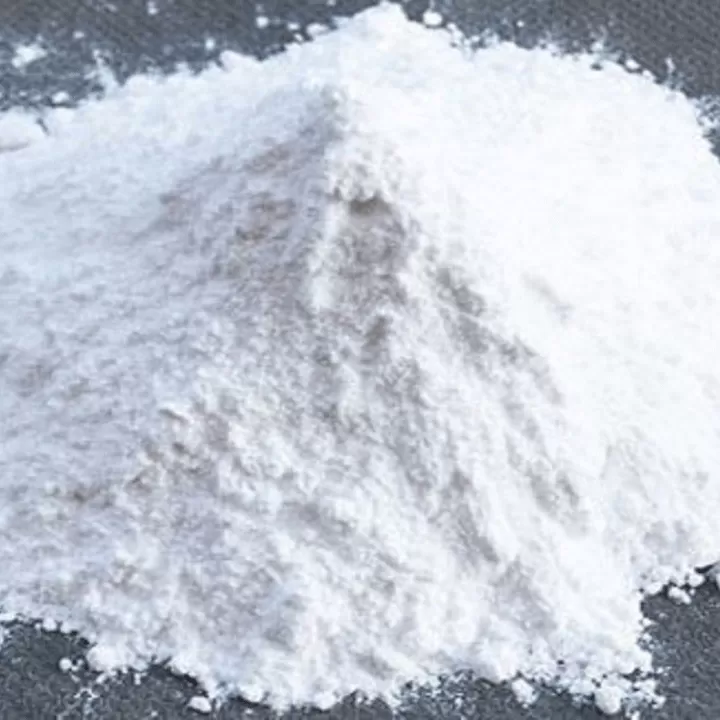
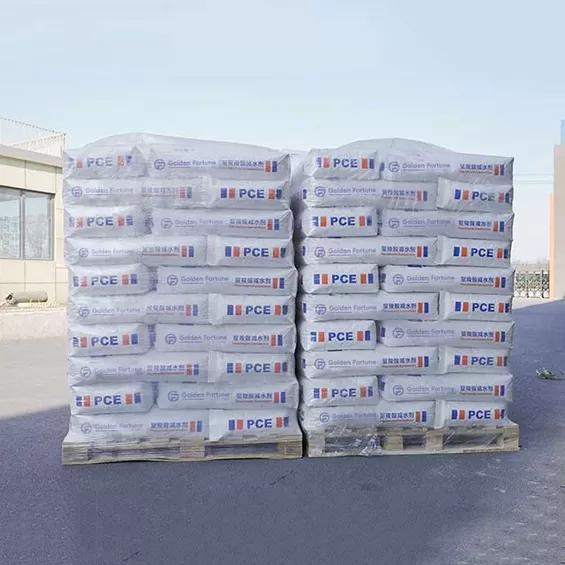
In heavy construction and precision engineering, the integrity of connections is paramount. This is where high strength non shrink cementitious grout proves its worth. It is a specialized material designed to fill gaps, anchor machinery, and transfer heavy loads without losing volume or strength. Modern formulations often include supplementary cementitious materials like GGBS, enhancing durability and sustainability. Companies like Golden Fortune have refined these grouts to meet the rigorous demands of global infrastructure projects, ensuring reliability from the ground up.
Understanding High Strength Non Shrink Cementitious Grout
This grout is more than just a filler. It is a precisely engineered composite. The "high strength" denotes its ability to bear extreme compressive loads, often exceeding 10,000 psi. The "non-shrink" characteristic is vital. It ensures the material maintains its volume during setting and hardening, creating a full, bearing contact with the substrate. This combination makes high strength non shrink cementitious grout indispensable for critical structural applications.
Key Components and the Role of GGBS
The performance stems from its composition. Portland cement provides the base strength. A carefully graded aggregate system ensures density and reduces voids. Expansive agents counteract the natural shrinkage of cement. The inclusion of GGBS (Ground Granulated Blast-furnace Slag) is a significant advancement in the international context.
Enhanced Durability: GGBS refines the pore structure, making the grout more resistant to chemical attack from sulfates and chlorides.
Reduced Heat of Hydration: This is crucial in large pours, minimizing thermal cracking.
Sustainable Profile: Using GGBS, an industrial by-product, lowers the overall carbon footprint of the grout.
Golden Fortune leverages these material science principles. Their formulations integrate GGBS to produce a superior high strength non shrink cementitious grout that performs in aggressive environments.
Primary Advantages in Construction and Repair
Choosing the right grout directly impacts a project's longevity and safety. The benefits of using a premium high strength non shrink cementitious grout are clear and measurable.
Structural Integrity and Load Transfer
Its core function is to distribute loads evenly. When machinery is bolted down or structural columns are seated, voids can cause point loads and failure. This grout flows into every cavity, hardening into a monolithic, high-strength mass. It ensures the designed load path is maintained, protecting both the equipment and the foundation.
Durability in Demanding Environments
Industrial settings pose constant challenges. Vibration, thermal cycling, and exposure to oils or chemicals can degrade ordinary materials. The dense, low-permeability matrix of a quality grout, especially one with GGBS, acts as a robust barrier. This durability translates to lower lifecycle costs and less frequent repairs.
Resists constant vibration from turbines, presses, and mills.
Withstands thermal expansion and contraction in forging plants or foundries.
Protects rebar and steel plates from corrosive substances.
Key Applications Across Industries
The versatility of high strength non shrink cementitious grout makes it a go-to solution for numerous scenarios. Its use spans from massive energy projects to delicate historical renovations.
Machinery Anchoring and Baseplates
This is the most common application. Properly grouting a baseplate is critical for operational accuracy and safety. It prevents movement, reduces stress on anchor bolts, and dampens vibrations. From power generation turbines to paper mill rollers, reliable grouting ensures machinery runs smoothly and aligns correctly.
Structural Column and Bearing Installation
In steel-framed buildings and bridges, columns must transfer their load effectively to concrete pedestals. Grout beds under column base plates or bridge bearings provide a perfectly level and uniform bearing surface. The non-shrink property is essential here to avoid creating gaps that compromise stability.
Precast Concrete Element Connection
Modern construction increasingly uses precast elements. The joints between these pieces require a material that can match the strength of the components themselves. This grout is used to bed precast wall panels, seal segmental bridge joints, and fill duct couplers in post-tensioning systems, creating monolithic structures.
Selecting and Using the Right Grout: A Practical Guide
Not all projects have the same needs. Specifying and applying high strength non shrink cementitious grout correctly determines its success.
Critical Selection Criteria
Engineers must consider several factors. The required compressive strength and rate of strength gain are obvious starting points. The flow characteristics must suit the space being filled—whether it's a narrow gap under a baseplate or a deep cavity. Exposure conditions dictate if GGBS-enhanced or chemical-resistant grades are necessary. Golden Fortune provides a range of products to meet these varied specifications, offering technical support to ensure the optimal choice is made.
Best Practices for Installation
Proper installation is as important as the product itself. Surface preparation is the first critical step.
Substrate Preparation: Concrete must be sound, clean, and saturated-surface-dry (SSD). Laitance and weak material must be removed.
Formwork: Build rigid, leak-proof forms to contain the fluid grout.
Mixing: Follow the manufacturer's instructions precisely. Use a drill and paddle for consistent, lump-free batches.
Placement: Pour continuously from one side to allow air to escape. Avoid free-fall drops which can segregate the mix.
Curing: Keep the grout moist and protected from temperature extremes for the recommended period.
Adhering to these steps maximizes the performance of the high strength non shrink cementitious grout, ensuring it delivers on its promises.
The Future: Innovation and Sustainability
The development of grouting materials continues. Research focuses on even higher early strengths for faster project turnarounds and improved rheology for easier placement in complex forms. The sustainable aspect, driven by global GGBS utilization, remains a major trend. Reducing the clinker factor in cementitious products is a key industry goal. Golden Fortune invests in this research, aiming to set new benchmarks for performance and environmental responsibility in the high strength non shrink cementitious grout market.
For ensuring stable, durable, and reliable structural connections, few materials are as crucial as high strength non shrink cementitious grout. Its ability to combine immense load-bearing capacity with volume stability solves fundamental engineering challenges. When enhanced with materials like GGBS, it also meets modern demands for resilience and sustainability. By partnering with knowledgeable suppliers like Golden Fortune and following best practices, engineers and contractors can build with confidence, knowing their foundations and connections are secure for the long term.
Frequently Asked Questions (FAQs)
Q1: What is the main difference between non-shrink grout and standard cement mortar?
A1: The key difference is volumetric stability. Standard mortar can shrink significantly as it cures, leaving gaps and reducing load-bearing contact. Non-shrink grout contains agents that create a slight expansion to compensate for shrinkage, ensuring it remains in full contact with the surfaces it bonds to. It also has a much higher, precisely designed compressive strength.
Q2: How soon can I load or tighten bolts on equipment placed on fresh grout?
A2: This depends entirely on the specific product's strength development. Some fast-setting, high early strength grouts may allow light loading within a few hours. For full operational loads and final bolt torquing, always follow the manufacturer's published guidelines, which typically range from 24 hours to several days. Golden Fortune provides clear data sheets with this critical information.
Q3: Can high strength non shrink grout be used for outdoor applications?
A3: Yes, but the specific formulation must be selected for outdoor use. Look for grouts with excellent freeze-thaw durability and low permeability. Products incorporating GGBS often perform well outdoors due to their refined pore structure, which reduces water ingress and damage from freezing.
Q4: What is the minimum and maximum layer thickness for this type of grout?
A4: Minimum thickness is usually around 1/2 inch (13 mm) to ensure integrity. Maximum thickness for a single pour varies by product; some can go up to 6 inches (150 mm) or more. For very deep sections, a multi-layer pour or a specially designed aggregate-rich mix may be required. Always check the technical data for the product you select.
Q5: Why is GGBS included in some high-performance grouts?
A5: GGBS is included for several performance benefits. It enhances long-term strength and durability, increases resistance to chemical attack (sulfates, seawater), and reduces the heat generated during curing, which minimizes thermal cracking risk in thick sections. From a sustainability angle, it repurposes an industrial by-product and reduces the overall carbon footprint of the cementitious material.