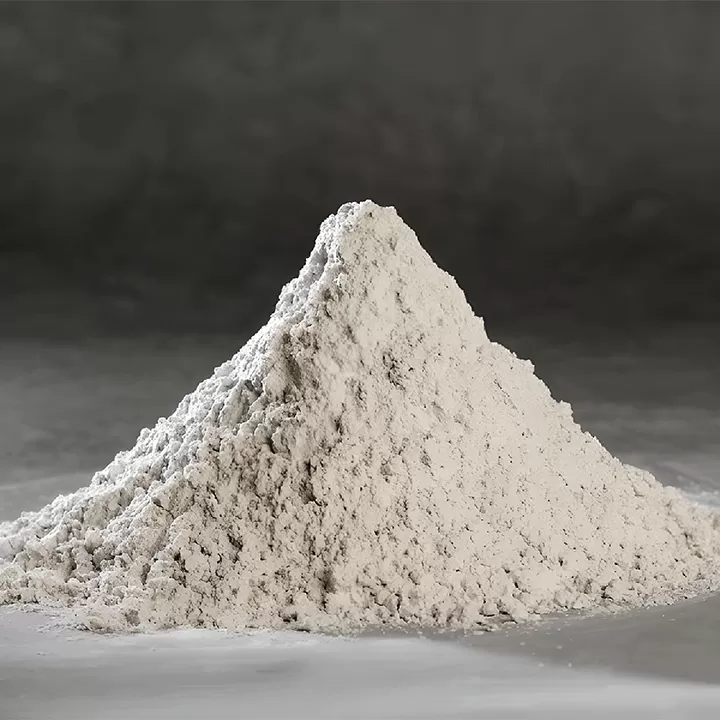
For decades, the construction industry has struggled to reconcile two opposing forces: the need for high-performance binders and the imperative to reduce environmental impact. Portland cement production accounts for nearly 8% of global CO₂ emissions. In response, a new class of supplementary cementitious materials (SCMs) has emerged. Among them, Ground Granulated Blast Furnace Slag (GGBS or GGBFS) stands out not merely as a substitute but as one of the most technically robust and environmentally safe products available today. This article provides a technical deep dive into the material science, application engineering, and lifecycle advantages of GGBS—tailored for procurement managers, civil engineers, and sustainability officers who demand verifiable performance without greenwashing.
1. The Growing Mandate for Environmentally Safe Products in Heavy Industry
Regulatory frameworks such as the EU Taxonomy, LEED v4.1, and BREEAM are increasingly penalizing high-embodied-carbon materials. Meanwhile, end clients require verified Environmental Product Declarations (EPDs). Within this landscape (used descriptively, not as a cliché), low-carbon binders have shifted from a niche preference to a contractual necessity. GGBS directly addresses this by:
Reducing clinker factor – Replacing 50% to 80% of Portland cement with GGBS cuts CO₂ emissions by an equivalent percentage, as GGBS is a byproduct of iron production with no calcination step.
Diverting industrial waste – Over 300 million tons of blast furnace slag are generated annually; using it as a binder prevents landfilling and leverages an existing industrial stream.
Extending service life – Structures built with GGBS-based concrete exhibit significantly lower chloride ingress and sulfate attack, reducing the need for premature replacement.
A recent 2025 study by the Global Cement and Concrete Association confirmed that high-slag blends (70% GGBS) lower the global warming potential (GWP) of concrete by 70–80% compared to plain CEM I. This positions GGBS as a cornerstone material for net-zero infrastructure. Companies adopting such environmentally safe products gain preferential bidding status for green public procurement.
2. Technical Deep Dive: How GGBS Delivers Environmental Safety Without Compromising Strength
From a materials science perspective, the environmental safety of a product is not solely about emission numbers—it also includes long-term durability and non-toxicity. GGBS excels in both. The vitrified, granular slag is ground to a fineness of 4000–5000 cm²/g (Blaine). Its chemical composition (CaO 30-42%, SiO₂ 32-38%, Al₂O₃ 12-18%, MgO 5-10%) activates in the presence of calcium hydroxide and alkalis from cement hydration, forming additional calcium silicate hydrates (C-S-H) with a lower Ca/Si ratio. This refined microstructure provides three measurable benefits:
2.1 Reduced Heat of Hydration – Mitigating Thermal Cracking
In mass concrete foundations (dams, wind turbine bases), the adiabatic temperature rise of Portland cement can exceed 70°C, leading to thermal gradients and cracking. With a 60% GGBS replacement, the peak hydration temperature drops by 15-20°C, due to the slower pozzolanic reaction. This eliminates the need for cooling pipes or expensive low-heat cements. For contractors, this translates to lower risk of defects and reduced rework costs—a direct financial incentive to specify low-carbon binders.
2.2 Superior Resistance to Aggressive Environments
Marine structures, wastewater treatment plants, and soils with high sulfate concentrations rapidly degrade ordinary Portland cement (OPC). The refined pore structure and lower CH content in GGBS blends reduce permeability by up to 60% as measured by rapid chloride permeability tests (RCPT). Furthermore, the aluminum content in GGBS binds chlorides into Friedel’s salt, preventing chloride-induced corrosion of rebar. This makes GGBS an optimal choice for durable infrastructure in coastal zones, with service life extensions from 50 years to over 100 years.
2.3 Complete Absence of Hazardous Leachates
Unlike some chemical admixtures or alternative SCMs that may contain heavy metals, GGBS originates from high-temperature slag (1500°C), which vitrifies and immobilizes trace elements. Leaching tests according to EN 12457 show that GGBS concretes comply with inert waste limits, posing no risk to groundwater. This confirms their classification as environmentally safe products throughout their lifecycle.
3. Addressing Industry Pain Points: Carbon Emissions, Durability, and Lifecycle Costs
Despite the clear advantages, many specifiers hesitate to adopt high-slag blends due to three common misconceptions. Below we address each with quantified solutions.
Pain Point 1: “Slag concrete has slower strength gain, delaying construction.”
Solution: While GGBS exhibits slower early strength development at low temperatures (below 10°C), this can be fully mitigated by using ultra-fine GGBS (specific surface > 6000 cm²/g) or combining it with a small percentage (2-4%) of alkali activators like calcium sulfate or sodium carbonate. Alternatively, adjusting curing protocols (insulated formwork or warm water mixing) maintains 1-day strength comparable to OPC. For most structural applications (floors, columns, precast), a 50% GGBS blend achieves 28-day strength exceeding 45 MPa.
Pain Point 2: “Lack of local supply or inconsistent quality.”
Solution: Premium suppliers like Golden Fortune operate dedicated slag grinding plants with strict quality control per ASTM C989 or BS EN 15167. Their ultra-fine GGBS maintains a consistent activity index (95% at 28 days) and uniform particle size distribution, eliminating batch variation. Long-term supply agreements with logistics networks (bulk tankers, big bags) ensure just-in-time delivery to major infrastructure projects.
Pain Point 3: “Higher initial material cost per ton compared to OPC.”
Solution: While the per-ton price of GGBS may be slightly above OPC in some regions, a true cost analysis must include total lifecycle ownership: reduced cooling pipes, lower formwork pressure, extended service life, and avoided carbon taxes. For example, a bridge pier using 70% GGBS saves €15,000 per 100m³ in thermal control measures and earns carbon credits worth €8/ton of CO₂ saved. Over a 100-year design life, the net present value (NPV) favors slag concrete by 20-25%.
4. Application Scenarios: Where GGBS Functions as a Superior Environmental Solution
The versatility of GGBS extends across virtually all concrete sectors. Key domains where environmentally safe products are not just preferred but mandated include:
Mass concrete foundations and dams – Thermal cracking prevention eliminates post-tensioning repairs. Example: The Three Gorges Dam used 60-80% slag blends in low-heat zones.
Marine and coastal structures – Piers, dry docks, and seawalls. GGBS concrete withstands cyclical tidal zones with minimal rebar corrosion.
Highway pavements and airfield runways – Improved abrasion resistance and reduced alkali-silica reaction (ASR) expansion.
Underground tunnels and sewer systems – Resistance to biogenic sulfuric acid corrosion, extending maintenance intervals from 5 to 20 years.
Precast concrete products – Blocks, pipes, sleepers. The lighter color of GGBS also yields aesthetic architectural finishes.
In each case, the technical committee of the project can specify GGBS based on performance class (e.g., Grade 100 or 120) and replacement ratio, aligning with ISO 14034 environmental technology verification.
5. Why Golden Fortune Leads the Supply of Technical-Grade Ultra-Fine GGBS
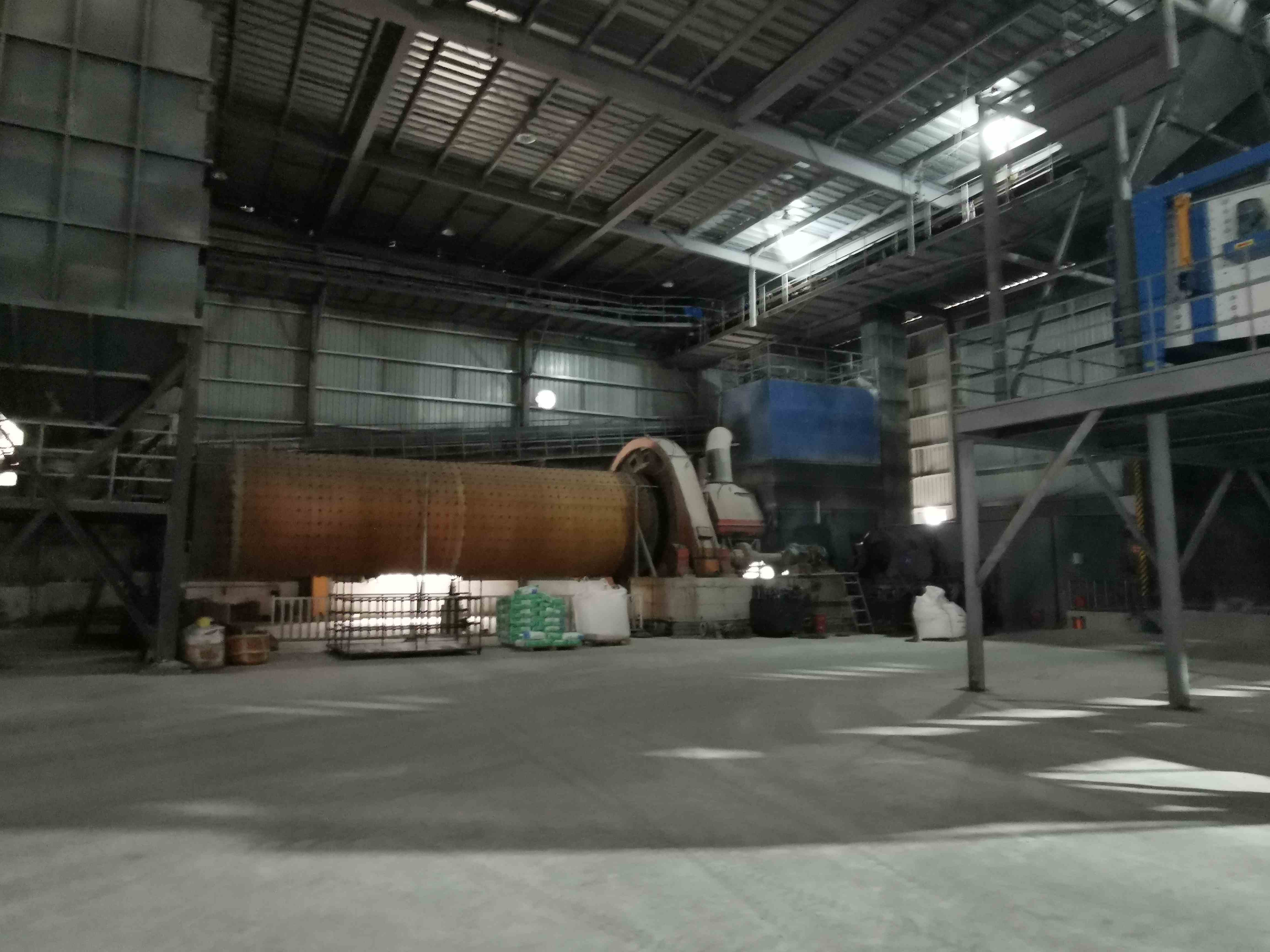
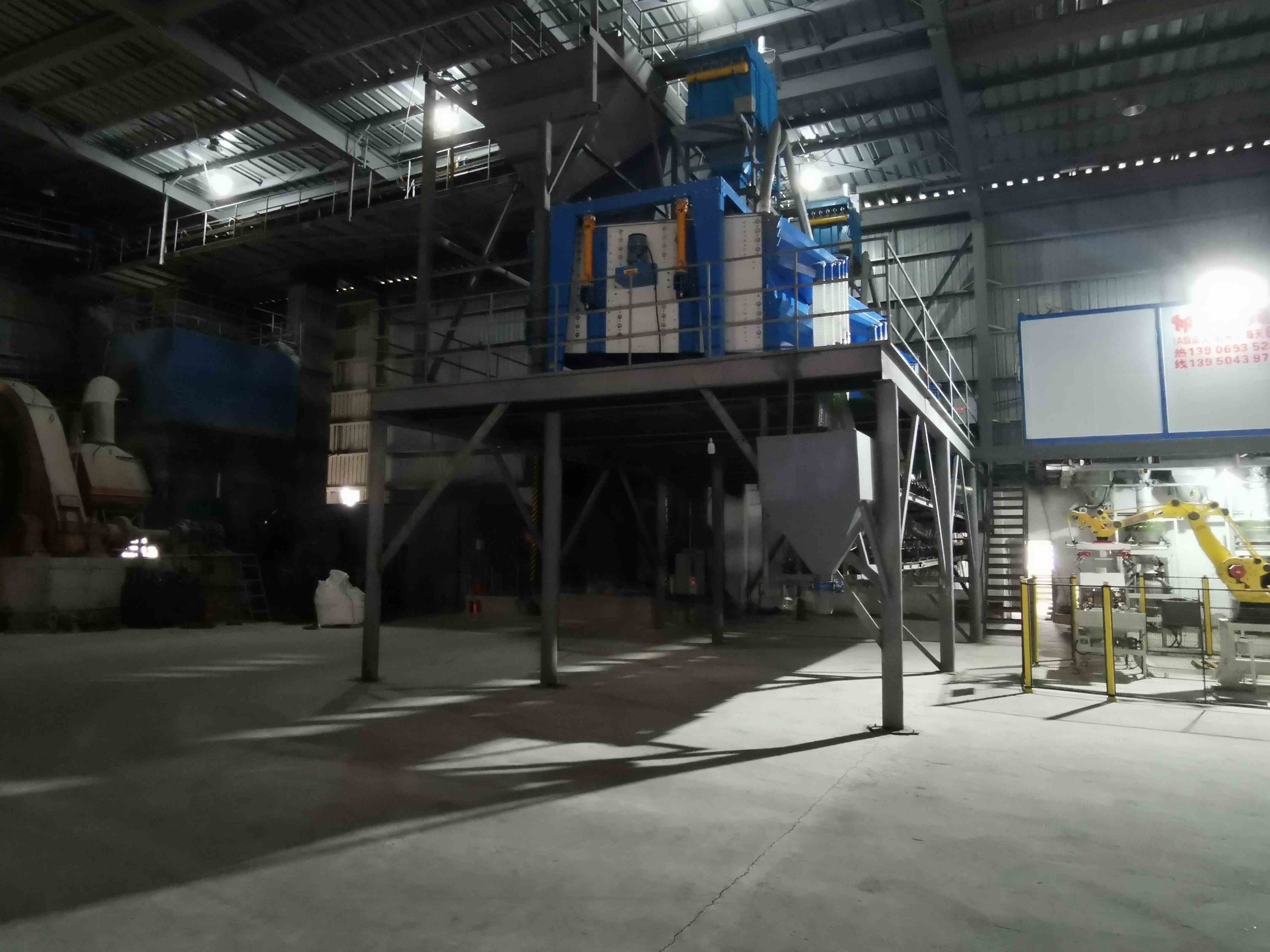
When selecting a partner for high-volume GGBS procurement, engineering firms and ready-mix producers prioritize supply chain security and technical support. Golden Fortune has established itself as a premier supplier of ultra-fine GGBS (specific surface area up to 7,000 cm²/g) designed for maximum reactivity and performance. Their product line is manufactured from virgin slag sourced from modern blast furnaces with complete traceability, followed by proprietary inter-grinding technology that ensures a narrow particle size distribution (d90 < 20 µm). This leads to:
Higher early strength (1-day compressive strength up to 25 MPa at 50% replacement).
Reduced bleeding and segregation in concrete mixes.
Enhanced pumpability for high-rise construction.
Furthermore, Golden Fortune provides pre-shipment laboratory testing (activity index, fineness, density) and on-site technical guidance for mix design optimization. Their commitment to the principles of circular economy is reflected in EPDs and ISO 9001:2025 certification. For large-scale infrastructure projects—from cross-sea bridges to nuclear containment domes—specifying Golden Fortune GGBS ensures both environmental compliance and structural reliability.
6. Frequently Asked Questions (FAQ) on GGBS as an Environmentally Safe Product
Q1: How much CO₂ reduction can I expect by replacing 50% of OPC with
GGBS in a typical concrete mix?
A1: For every ton
of OPC substituted by GGBS, approximately 0.85 tons of CO₂ emissions are avoided
(since OPC emits ~0.85 t CO₂/t, while GGBS emits only ~0.05 t CO₂/t from
grinding and transport). Thus, a 50% replacement in a 30 MPa mix (using 300 kg
binder/m³) reduces carbon footprint by 127 kg CO₂/m³ of concrete. For a 100,000
m³ project, that equals 12,700 tons of CO₂ savings—equivalent to removing 2,700
passenger cars from the road annually.
Q2: Does GGBS concrete have any known durability drawbacks, such as
efflorescence or carbonation?
A2: Efflorescence can
be slightly more visible in light-colored GGBS concrete, but it is purely
aesthetic and does not affect structural integrity. Carbonation depth can be
marginally higher in high-slag blends (70%+ GGBS) under poorly cured conditions.
This is solved by ensuring proper curing (7 days wet) or specifying a lower
replacement ratio (max 50%) for exposed thin sections. For most mass concrete
applications, carbonation is negligible.
Q3: How does the price of ultra-fine GGBS compare with silica fume or
metakaolin?
A3: Silica fume typically costs 3-5x
more than GGBS per ton, while metakaolin is 2-3x more expensive. Ultra-fine GGBS
(6,000-7,000 cm²/g) is only 10-20% above standard GGBS but provides early
strength comparable to silica fume, making it the most cost-effective
high-performance SCM for most applications. Contact Golden Fortune for
current price sheets and volume discounts.
Q4: Are there any restrictions on using GGBS in cold weather
concreting?
A4: Below 5°C, the pozzolanic reaction
of GGBS slows significantly. For winter pours, either reduce the replacement
ratio (max 30%), use heated mixing water, or add a non-chloride accelerator
(e.g., calcium formate). Alternatively, specify ultra-fine GGBS which has higher
early activity even at low temperatures. Always follow ACI 306 guidelines for
cold weather concreting.
Q5: Can GGBS be used in combination with other environmentally safe
products like recycled aggregates or fly ash?
A5: Yes, ternary blends (OPC + GGBS + fly ash) are common in sustainable concrete.
GGBS counteracts the low early strength of fly ash, while fly ash improves
workability. Recycled concrete aggregates (RCA) can also be used, but note that
the higher water absorption of RCA requires additional mix water. With proper
mix design, such blends achieve 50% lower embodied carbon than conventional
concrete while fully complying with EN 206 or ASTM C1157 performance-based
specifications.
Conclusion & Request for Technical Quotations
The transition to low-carbon infrastructure is no longer optional—it is the baseline for competitive bidding and regulatory compliance. GGBS stands validated by decades of field performance and thousands of peer-reviewed studies as one of the most reliable environmentally safe products in the construction materials portfolio. Its ability to reduce CO₂ emissions by up to 80%, extend service life by over 100%, and repurpose industrial byproducts aligns perfectly with the principles of circular economy and ESG investing.
For ready-mix producers, precast manufacturers, and contractors seeking to procure technical-grade ultra-fine GGBS with verified properties, Golden Fortune offers a complete supply and support package. We invite you to submit your project requirements (target replacement level, compressive strength class, delivery location, and monthly volume) for a customized quotation and mix design optimization service.
Start your inquiry now: Send technical specifications to our engineering team. Bulk samples and EPDs available upon request.
For immediate assistance, please use the contact form or email directly: https://www.ultrafineggbs.com/contact.html (mention “GGBS inquiry” for priority handling).