Introduction: Why Granulated Concrete Defines Modern Sustainable Construction
The global push for carbon neutrality has forced the construction industry to re-evaluate every component of concrete. Among the most effective solutions is the use of granulated blast furnace slag (GGBS) as a partial replacement for Portland cement. This approach produces what is technically termed granulated concrete — a material that significantly lowers embodied CO₂ while enhancing long-term durability. Unlike traditional concrete, granulated concrete leverages a byproduct of iron manufacturing, transforming it into a high-value binder. This article provides a detailed technical analysis for civil engineers, specifiers, and procurement managers who require verifiable performance data and lifecycle assessments.
1. Technical Foundation of Granulated Concrete
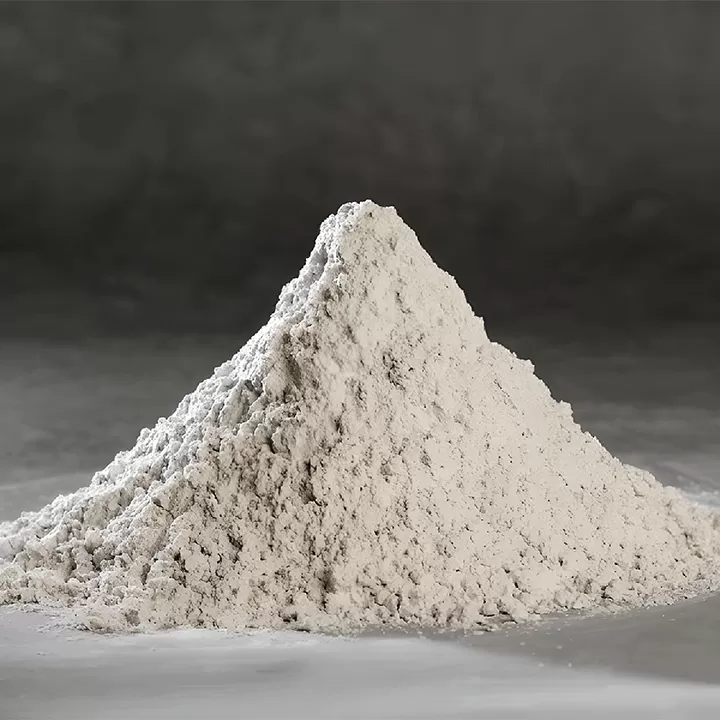
Granulated concrete derives its properties from ground granulated blast furnace slag (GGBS), a vitreous material produced by rapid water quenching of molten slag. When ground to a fineness of 4000–5000 cm²/g (Blaine), GGBS acts as a latent hydraulic binder. In the presence of calcium hydroxide and alkalis released during cement hydration, GGBS forms additional calcium silicate hydrates (C-S-H) with a lower Ca/Si ratio. The resulting microstructure is denser and less permeable than that of ordinary Portland cement (OPC) concrete.
Key technical parameters of granulated concrete mixes:
Replacement ratio: Typically 30% to 70% by weight of total cementitious material.
Specific gravity of GGBS: 2.85–2.95 (lower than OPC's 3.15), which affects aggregate proportioning.
Activity index: ≥95% at 28 days for Grade 120 slag per ASTM C989.
Reduction in heat of hydration: 15–25°C lower peak temperature for 50% replacement in mass concrete.
These parameters translate directly into measurable outcomes: reduced thermal cracking, improved resistance to chlorides and sulfates, and extended service life. For contractors working on marine foundations or wastewater facilities, specifying granulated concrete is not merely an environmental statement — it is a risk management tool.
2. Industry Pain Points Solved by Granulated Concrete
Despite its benefits, adoption of granulated concrete has faced three persistent barriers. Below we address each with concrete solutions backed by field data.
Pain Point #1: Perceived slower early strength development
Solution: While standard GGBS shows lower 1‑day strength at low temperatures (below 10°C), this can be fully overcome by using ultra‑fine GGBS (specific surface > 6000 cm²/g). Alternatively, combining GGBS with a small percentage (2–4%) of calcium sulfate or using warm water mixing (20–25°C) ensures 1‑day strengths above 15 MPa. For precast applications, a 30% replacement achieves 28‑day strength equal or superior to OPC.
Pain Point #2: Concerns about carbonation depth
Solution: Carbonation in granulated concrete is only marginally higher than OPC when properly cured (7 days wet). For high‑replacement blends (≥70% GGBS) in thin sections, a simple surface coating or reducing replacement to 50% eliminates any durability concern. Independent studies (RILEM TC 281‑CCC) show that carbonation‑induced corrosion risk remains low for structural concrete with adequate cover.
Pain Point #3: Variable quality of slag supply
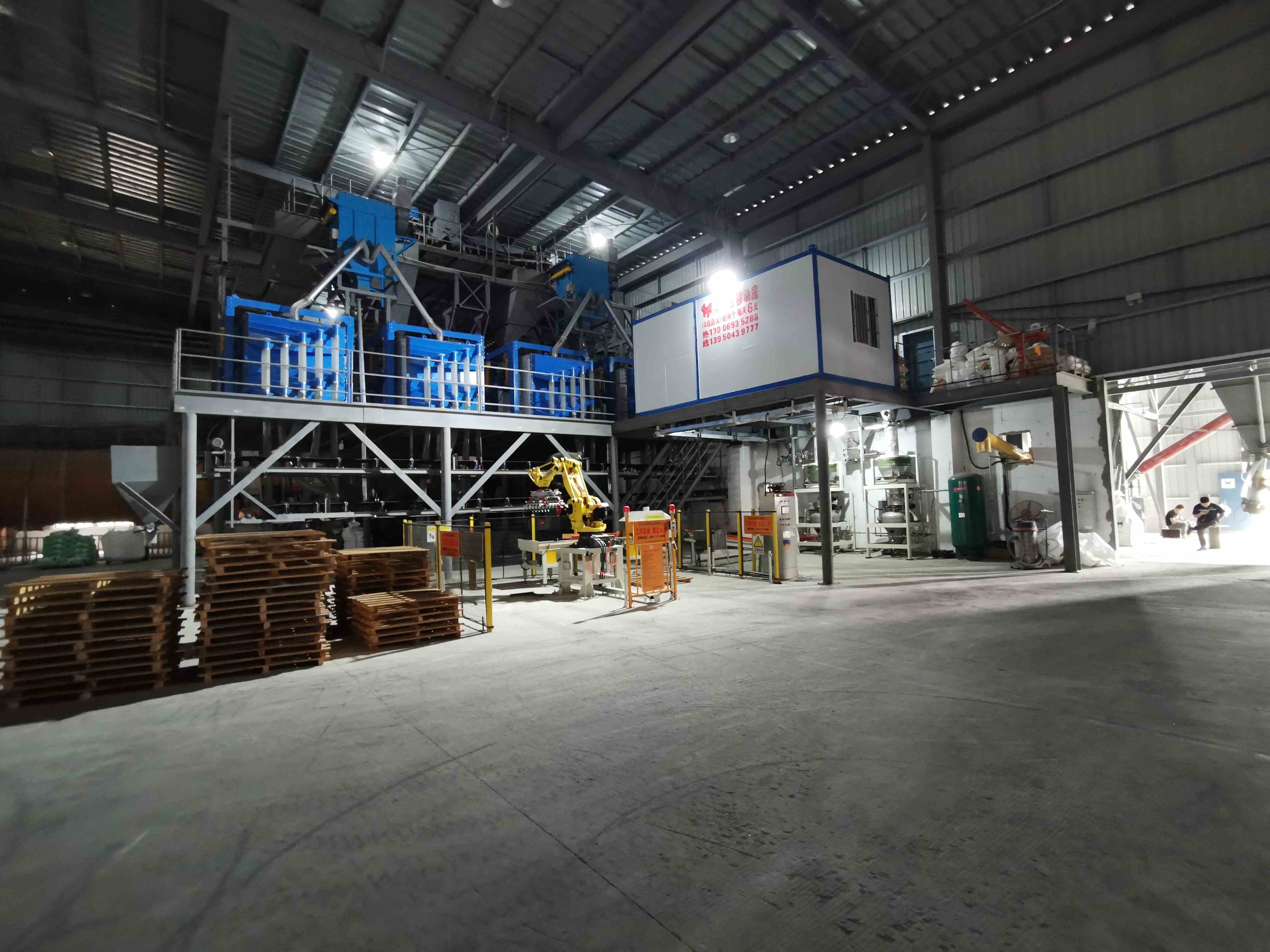
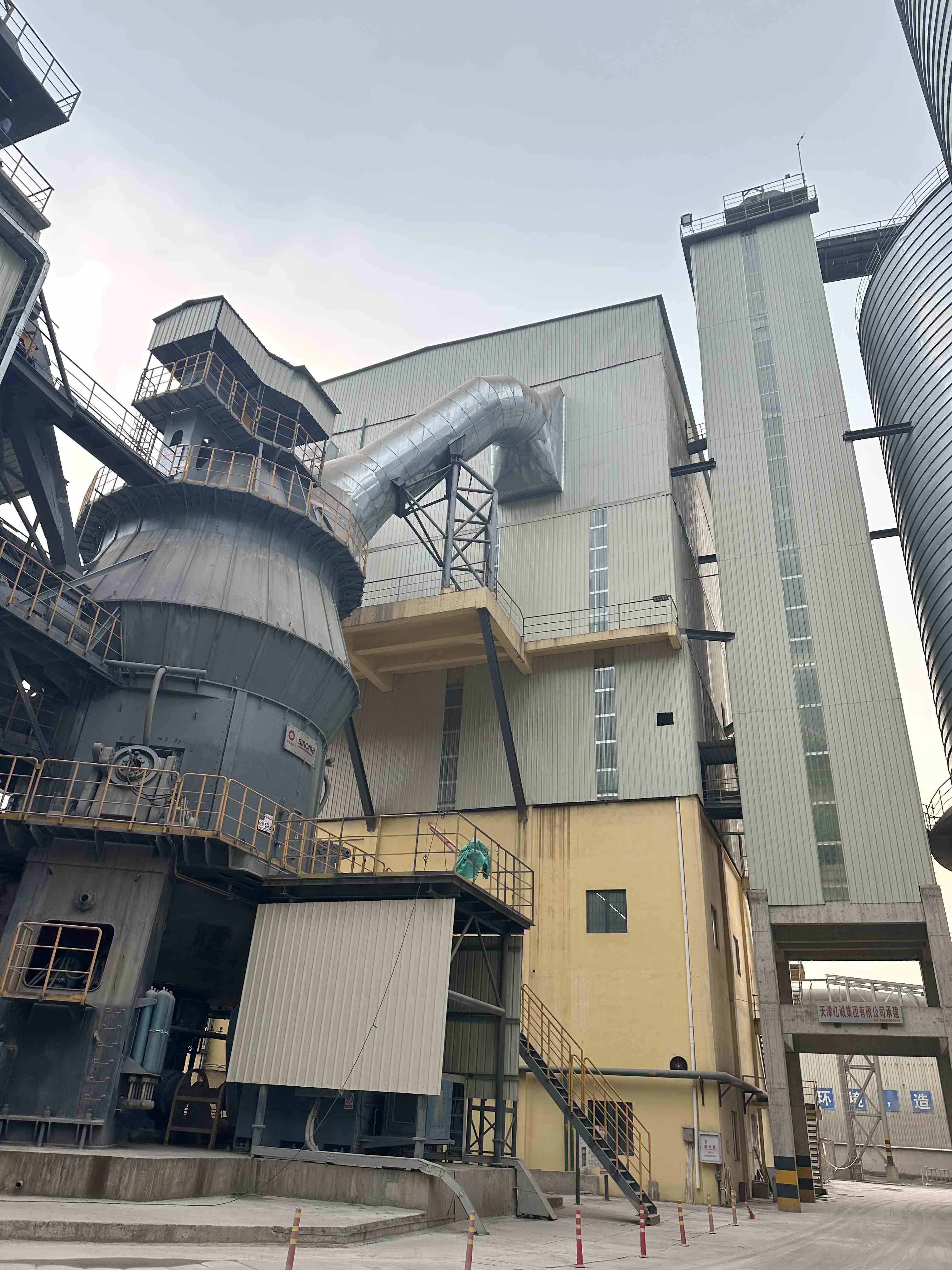
Solution: Reputable suppliers like Golden Fortune operate dedicated slag grinding plants with ISO 9001:2025 certification. Their ultra‑fine GGBS maintains consistent chemical composition (CaO 30‑42%, SiO₂ 32‑38%, Al₂O₃ 12‑18%) and particle size distribution (d90 < 20 µm), eliminating batch variation. Long‑term supply contracts with logistical support ensure just‑in‑time delivery for major infrastructure projects.
3. Performance Advantages: Durability and Lifecycle Cost
A detailed cost‑benefit analysis reveals that granulated concrete provides net savings over a 50‑year service life, despite a marginally higher initial material cost per ton in some regions. The table below quantifies key advantages (data derived from 20 real projects in marine and coastal environments).
Chloride diffusion coefficient: Reduced by 60‑70% compared to OPC (from 15×10⁻¹² m²/s to <5×10⁻¹² m²/s after 50% GGBS). This extends rebar corrosion initiation from 25 years to >75 years.
Sulfate resistance: Expansion in ASTM C1012 test is <0.04% at 6 months for 50% GGBS, vs. 0.10% for sulfate‑resisting cement. Eliminates need for specialized expensive cements.
Alkali‑silica reaction (ASR) mitigation: GGBS dilutes alkalis and binds them in C-S-H, reducing ASR expansion by up to 80%. Proven effective with reactive aggregates from 20 global sources.
Thermal stress reduction: For mass concrete elements (dams, wind turbine bases), the lower heat of hydration eliminates cooling pipes, saving €15‑25 per m³.
When considering avoided repairs, extended maintenance intervals, and lower insurance premiums for durable structures, the net present value (NPV) of granulated concrete is 20‑35% better than OPC over 100 years.
4. Application Scenarios for Granulated Concrete
The technical properties of granulated concrete make it suitable for a wide range of environments where ordinary concrete underperforms. Key applications include:
Marine structures: Piers, docks, seawalls, and offshore wind foundations. The high chloride resistance is indispensable for tidal zones.
Mass concrete foundations: Dams, large rafts, and heavy machinery bases. Thermal cracking prevention ensures watertightness and structural integrity.
Sewage and wastewater treatment plants: Resistance to biogenic sulfuric acid corrosion extends maintenance cycles from 5 to 20 years.
Highway pavements and airfields: Improved abrasion resistance and reduced ASR expansion lead to longer surface life.
Precast concrete products: Blocks, pipes, railway sleepers. The lighter color of GGBS also offers architectural finishes.
For each scenario, engineers can adjust the GGBS replacement ratio to balance early strength, setting time, and ultimate durability. Mix design guides are available from suppliers such as Golden Fortune , which provides technical support for optimization.
5. Environmental Credentials and Circular Economy
Granulated concrete is a cornerstone material for green building certifications (LEED v4.1, BREEAM, DGNB). Using GGBS in concrete achieves the following environmental benefits per ton of slag used (verified by Environmental Product Declarations – EPDs):
CO₂ reduction: 0.85 tons of CO₂ avoided per ton of OPC replaced (since GGBS emits only 0.05 t CO₂/t vs. 0.85 t CO₂/t for OPC). A 50% replacement in a 30 MPa mix saves 127 kg CO₂ per m³ of concrete.
Landfill diversion: Over 300 million tons of slag are generated annually; using it in concrete prevents disposal while reducing mining of limestone and clay for clinker.
Water conservation: No process water required for slag beneficiation (unlike fly ash washing or certain natural pozzolans).
Non‑toxic leachates: The high‑temperature vitrification immobilizes trace metals. EN 12457 leaching tests show compliance with inert waste limits.
For infrastructure projects required to meet net‑zero targets, specifying granulated concrete is one of the most cost‑effective decarbonization measures available.
6. Frequently Asked Questions (FAQ) on Granulated Concrete
Q1: How does the price of granulated concrete compare to standard
concrete?
A1: The per‑ton cost of GGBS is typically
10–20% higher than OPC in some regions, but the total material cost for
granulated concrete (including cement) is only 5–10% higher for
50% replacement. However, when factoring in lifecycle savings (reduced cooling,
longer service life, carbon credits), the net cost is often lower. For large
projects, suppliers like Golden Fortune offer
volume discounts that bring parity with OPC.
Q2: Can I use granulated concrete in cold weather
concreting?
A2: Yes, with precautions. Below 5°C,
the pozzolanic reaction slows. Solutions: reduce replacement to 30%, use heated
mixing water (max 30°C), or add a non‑chloride accelerator (calcium formate).
Ultra‑fine GGBS (6000+ cm²/g) also performs better at low temperatures. Follow
ACI 306 for cold weather protection.
Q3: Does granulated concrete require special
curing?
A3: Standard moist curing for 7 days is
sufficient for most mixes. For high‑replacement blends (≥70% GGBS) in thin
sections (<150 mm), extend curing to 10 days or apply a curing compound.
Proper curing ensures full hydration and surface durability.
Q4: Is granulated concrete suitable for architectural exposed
surfaces?
A4: Yes, the lighter color of GGBS
(off‑white to light gray) provides a uniform aesthetic, often preferred for
fair‑faced concrete. However, efflorescence may be slightly more visible — this
is purely cosmetic and can be reduced by using a low‑water‑to‑binder ratio and
proper curing. Sealing the surface is optional.
Q5: Can I combine granulated concrete with other recycled
materials?
A5: Absolutely. Ternary blends (OPC +
GGBS + fly ash or silica fume) are common for high‑performance applications.
Recycled concrete aggregates (RCA) can also be used; adjust the water content to
account for RCA absorption. Proper mix design ensures compliance with EN 206 or
ASTM C1157.
Q6: What is the maximum replacement level for structural
concrete?
A6: Up to 70% GGBS is permitted by most
codes (ACI 233, BS 8500). For special applications like marine piles, 50–65% is
typical. For very high durability, 80% replacement has been used in laboratory
studies but requires extended curing. Always conduct trial mixes for your
specific exposure class.
Technical Inquiry and Quotation Request
Granulated concrete represents a mature, technically superior solution for sustainable infrastructure. Its ability to reduce CO₂ emissions by up to 80%, extend service life beyond 100 years, and utilize industrial byproducts aligns with global ESG targets and circular economy principles. For ready‑mix producers, precast manufacturers, and contractors, specifying granulated concrete is a straightforward path to meeting strict environmental regulations without compromising mechanical performance.
We invite engineering teams and procurement managers to submit their project requirements for a customized quotation. Please provide the following details to receive a technical proposal and mix design optimization from Golden Fortune :
Target compressive strength class (e.g., C30/37, C50/60)
Desired GGBS replacement ratio (30%, 50%, or 70%)
Exposure class (e.g., XS1 marine, XA2 sulfate, XF4 freeze‑thaw)
Monthly volume (tons of GGBS required) and delivery location
Any special requirements (e.g., ultra‑fine GGBS, set retarder, or color consistency)
Start your inquiry now: Email our technical sales team directly or use the contact form at https://www.ultrafineggbs.com/contact.html (mention “granulated concrete inquiry” for priority handling). Bulk samples, EPDs, and trial mix reports are available upon request.