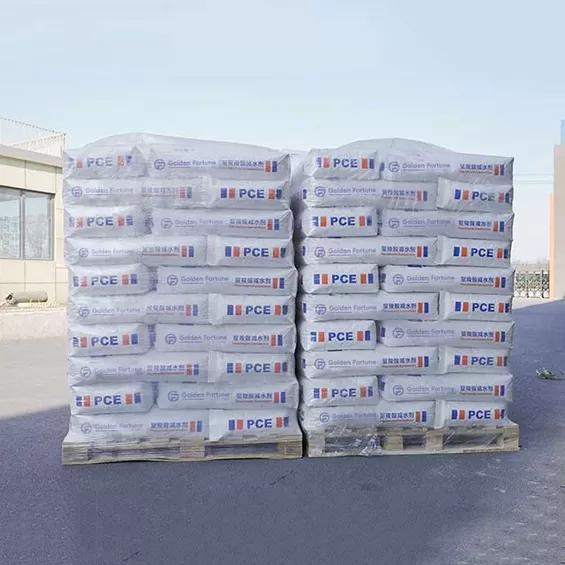
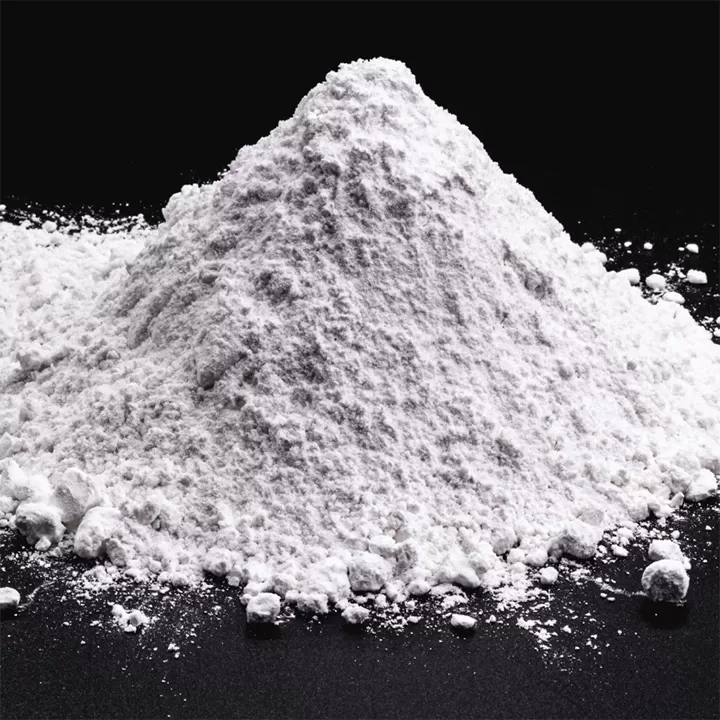
In modern cementitious systems, the efficacy of concrete ultimately hinges on the synergy between hydraulic binders and high-performance additives. The category broadly defined as chemical for cement—including grinding aids, polycarboxylate ether (PCE) superplasticizers, hydration stabilizers, and specialty performance enhancers—has evolved into a sophisticated sector where particle engineering dictates final application success. A critical yet often underappreciated node in this value chain is the industrial drying stage. The selection and operation of a robust commercial dryer directly influences flowability, shelf life, and the reactivity of these cement additives. This article dissects the technical convergence between advanced drying technologies and consistent chemical for cement quality, offering data-driven perspectives for production managers and formulation specialists.
1. The Technical Nexus: Why Drying Defines Additive Performance
Cement additives are predominantly manufactured as either liquid concentrates or spray-dried powders. For solid or powdered chemical for cement, residual moisture is the primary antagonist. Excess humidity leads to:
Caking and agglomeration: Compromising dosing accuracy in cement mills or concrete batching plants.
Premature hydration: When hygroscopic additives absorb ambient moisture, they may trigger early setting reactions in blended cements.
Microbial degradation: In organic-based additives (e.g., certain sugar-based retarders), uncontrolled moisture fosters spoilage.
Consequently, a high-performance commercial dryer is not merely auxiliary equipment; it is a process enabler that ensures the chemical for cement retains its designed molecular structure and dispersion capabilities. Industry data indicates that maintaining moisture content below 0.8% in powdered PCE polymers can improve cement fluidity retention by up to 18% compared to batches with 1.5% residual moisture.
2. Comparative Analysis of Commercial Dryer Technologies for Cement Chemicals
Selecting the appropriate drying system requires a nuanced understanding of additive chemistry, thermal sensitivity, and throughput requirements. Below is a technical comparison of prevalent commercial dryer platforms used in specialty chemical production.
2.1 Spray Dryers for Heat-Sensitive Polymers
Spray drying is the preferred method for producing powdered superplasticizers (PCE, SMF, SNF). Atomization into a controlled hot air stream allows rapid evaporation without degrading the polymer backbone. Modern spray dryers incorporate:
Two-fluid or rotary atomizers achieving droplet sizes of 20–150 µm.
Closed-loop systems with solvent recovery for organic-based formulations.
Precise outlet temperature control (±2°C) to preserve polymer chain length.
For chemical for cement manufacturers targeting high early-strength concrete applications, spray-dried PCE offers the advantage of instant solubility and consistent water reduction, provided the commercial dryer maintains strict residence time parameters.
2.2 Fluidized Bed Dryers for Granular Additives
When producing granular grinding aids or blended cement additives, fluidized bed dryers deliver uniform moisture extraction with minimal mechanical stress. The technology excels in:
Handling materials with broad particle size distribution (0.1–3 mm).
Integrating with coating nozzles for surface modification (e.g., anti-caking agents).
Energy efficiency via waste heat recovery, reducing specific energy consumption to 2,800–3,200 kJ/kg water evaporated.
At Golden Fortune, our quality protocols for ultrafine GGBS and blended cementitious systems emphasize that the moisture profile of co-processed additives must align with the GGBS’s own surface activity. A misaligned drying curve can reduce the pozzolanic reactivity by as much as 12% in 28-day strength tests.
2.3 Rotary Dryers for High-Throughput Base Materials
For large-volume production of mineral-based cement additives (e.g., calcined clays, synthetic gypsum modifiers), rotary dryers offer robust, continuous operation. However, they require advanced temperature profiling to prevent thermal degradation of organic components in blended chemical for cement. Modern units incorporate flight design optimization and variable-frequency drives to balance throughput with product integrity.
3. Industry Pain Points and Process-Driven Solutions
Despite technological advances, manufacturers of chemical for cement frequently encounter operational bottlenecks linked to drying systems. Addressing these requires a holistic approach combining equipment retrofitting and real-time analytics.
Challenge 1: Thermal Degradation of PCE Chains
Polycarboxylate ether superplasticizers are prone to chain scission when exposed to temperatures exceeding 160°C during drying. This directly reduces slump retention capacity. Solution: Deploy low-temperature spray dryers with inlet temperatures capped at 180–200°C and outlet temperatures maintained below 85°C, coupled with inline near-infrared (NIR) moisture sensors for closed-loop adjustment.
Challenge 2: Cross-Contamination in Multi-Product Facilities
Plants producing multiple additive grades face cross-contamination risks if the commercial dryer lacks adequate cleaning protocols. Solution: Implement CIP-capable (clean-in-place) fluid bed systems with removable filter cartridges and automated purge cycles, reducing changeover time from 8 hours to under 2 hours.
Challenge 3: Energy Inefficiency and Carbon Footprint
Drying accounts for 25–35% of total energy consumption in additive manufacturing. Solution: Integrate mechanical vapor recompression (MVR) or heat pump-assisted drying. A recent retrofitting project at a European additive plant cut natural gas usage by 40% annually while maintaining chemical for cement output quality.
Golden Fortune applies similar energy optimization principles in its GGBS processing lines, ensuring that supplementary cementitious materials (SCMs) paired with advanced additives deliver consistent carbon reduction for ready-mix customers. The synergy between optimized drying and SCM reactivity is a cornerstone of sustainable high-performance concrete.
4. Application Case: High-Performance Ternary Blends
In modern cement formulations, ternary blends (cement clinker + GGBFS + calcined clay + chemical for cement) demand exacting moisture control across all components. A leading Asian cement producer recently upgraded its additive drying line with a hybrid commercial dryer combining fluidized bed and vibrated conveyor technologies. Key outcomes after 12 months of operation:
Powder additive moisture uniformity improved from ±0.6% to ±0.15%.
Cement mill output increased by 11% due to more consistent grinding aid performance.
Concrete 28-day compressive strength variability reduced by 22%, meeting stricter EN 206 standards.
This underscores that the commercial dryer is not a standalone unit but an integrated component within the cement additive value chain—directly influencing downstream concrete performance.
5. Data-Driven Selection: Key Performance Indicators (KPIs) for Dryer Investment
When evaluating a commercial dryer for chemical for cement production, procurement teams should prioritize quantifiable metrics over generic specifications. Essential KPIs include:
Specific moisture extraction rate (SMER): kg water removed per kWh; target >2.2 for energy-efficient designs.
Product temperature history profile: maximum temperature exposure and duration to ensure additive stability.
Yield loss percentage: fines carryover or degradation losses should remain below 1.5% for premium additives.
Cleanability index: measurable by ATP swab tests post-changeover; values <30 RLU (relative light units) for sensitive products.
Additionally, integration with Industry 4.0 platforms allows predictive maintenance, reducing unplanned downtime by up to 45%—a critical factor in just-in-time supply chains for cement plants.
6. Future Trajectories: Sustainable Drying for Cement Chemicals
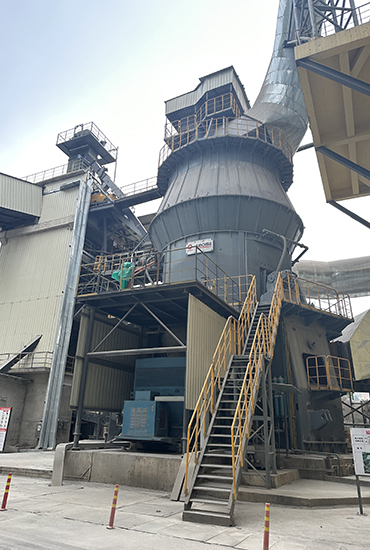
The global push toward decarbonization is reshaping dryer design. Emerging trends that align with chemical for cement manufacturing include:
Electrification of drying processes: Using heat pumps powered by renewable electricity, slashing scope 2 emissions.
Oxygen-enriched combustion: In hybrid dryers, this reduces fuel consumption by 10–15% while maintaining thermal efficiency.
AI-driven drying profiles: Neural networks that continuously adjust parameters based on real-time additive chemistry data, ensuring that each batch of chemical for cement meets precise rheological targets.
Leading producers are also exploring co-drying of SCMs (like GGBFS) with chemical additives to create “one-pack” cement extenders. Golden Fortune has been at the forefront of such innovation, leveraging its ultrafine GGBFS expertise to help partners design drying protocols that preserve both the pozzolanic activity of slag and the dispersing power of modern additives.
The Dryer as a Strategic Asset
In an era where cement and concrete specifications become increasingly stringent, the role of a well-specified commercial dryer transcends simple moisture removal. It is a strategic asset that determines the consistency, shelf-life, and carbon footprint of chemical for cement products. From spray dryers that preserve delicate polymer architectures to fluidized bed systems ensuring batch-to-batch uniformity, the choice of drying technology directly impacts downstream concrete workability, strength development, and durability.
Manufacturers aiming to lead in the cement additive space must adopt a systems-level approach—integrating drying with grinding, blending, and quality analytics. Collaborating with technology partners and specialists like Golden Fortune, who understand the interplay between supplementary materials and chemical performance, ensures that drying investments deliver measurable returns in product excellence and operational efficiency.
Frequently Asked Questions (FAQ)
Q1: What is the most suitable commercial dryer type for drying polycarboxylate ether (PCE) superplasticizer powders?
A1: For PCE-based chemical for cement, a spray dryer with closed-loop temperature control is generally recommended. Spray drying allows rapid evaporation at relatively low outlet temperatures (below 85°C), preventing thermal degradation of the polymer backbone. Fluidized bed dryers can be used for subsequent cooling or post-coating but are less common for primary drying of highly heat-sensitive PCE.
Q2: How does residual moisture in powdered cement additives affect concrete performance?
A2: Excessive residual moisture (>1.0%) in powdered additives can cause several issues: (1) reduced dispersion efficiency due to pre-absorption of water, (2) formation of hard agglomerates that do not dissolve fully in concrete mixers, and (3) potential for early setting if the additive contains moisture-activated accelerators. Consistent moisture below 0.5% ensures reliable workability and strength development.
Q3: Can a commercial dryer be retrofitted to handle both organic and inorganic cement chemicals without cross-contamination?
A3: Yes, through modular design and rigorous cleaning protocols. Retrofitting options include removable product contact parts, automated high-pressure washing systems, and dedicated air handling units. For facilities producing both organic (e.g., PCE) and inorganic (e.g., chloride-based accelerators) additives, investing in a dedicated dryer for each product family is often more cost-effective in the long term to avoid quality liabilities.
Q4: What energy-saving measures can be integrated into an existing commercial dryer for cement additives?
A4: Key measures include: (a) installing exhaust air heat recovery systems (recuperators) to pre-heat incoming air, achieving 15–25% energy savings; (b) upgrading to variable frequency drives (VFDs) on fans and motors; (c) adding insulation to drying chambers and ducts; and (d) implementing advanced process control using real-time moisture sensors to avoid over-drying, which can reduce specific energy consumption by 10–18%.
Q5: How does the drying process of chemical for cement interact with supplementary cementitious materials like GGBFS?
A5: In blended cement production, the moisture content of both the SCM (e.g., GGBFS) and the chemical additive must be compatible. If the additive powder is overdried to extremely low moisture (<0.2%) while the GGBFS has higher surface moisture, electrostatic segregation can occur during blending. Conversely, if the additive retains moisture, it can prematurely activate the GGBFS’s latent hydraulic reactivity, leading to false set. Optimal drying strategies consider the entire binder system—a principle that Golden Fortune applies in its quality management for ultrafine GGBFS co-processing.
For further technical consultation on integrating drying systems with high-performance cement additives and SCMs, visit Golden Fortune’s industry resources or explore our product specifications for advanced chemical for cement solutions.