In high-performance concrete and sustainable infrastructure, cement ki quality is not a mere specification—it is the foundation of structural integrity, lifecycle cost, and environmental responsibility. For engineers, ready-mix producers, and project owners, achieving consistent, verifiable quality in cementitious systems requires more than standard Portland cement. It demands a deep understanding of supplementary materials, precise chemistry, and particle engineering. This article delivers a data-driven exploration of how Ground Granulated Blast Furnace Slag (GGBS) transforms cement ki quality, aligning with global standards and modern sustainability mandates.
What Defines Superior Cement Ki Quality? Key Parameters and Industry Benchmarks
To master cement ki quality, one must first dissect its technical anatomy. Quality is not monolithic; it is a composite of physical, chemical, and performance-based properties that dictate how a cementitious system behaves in fresh and hardened states.
Chemical Composition: The clinker phases—C₃S, C₂S, C₃A, C₄AF—determine strength gain kinetics, heat release, and sulfate resistance. High C₃A levels can compromise durability in aggressive environments, directly affecting cement ki quality for marine or sulfate-rich soils.
Particle Size Distribution (PSD): Fineness and PSD influence water demand, hydration rate, and packing density. Modern laser diffraction analysis shows that an optimized PSD (3–30 μm range) enhances early strength without sacrificing workability.
Compressive Strength Development: Conformance to ASTM C150 or EN 197 requires minimum 28-day strengths, but high-quality cements exhibit consistent strength gain beyond 56 days, especially when combined with SCMs.
Setting Time & Soundness: Autoclave expansion tests (ASTM C151) and Vicat setting ensure dimensional stability. Any deviation signals poor quality control.
Durability Metrics: Rapid chloride permeability (RCPT), electrical resistivity, and sulfate expansion tests directly correlate with service life—critical for infrastructure assets.
These parameters form the backbone of any quality assurance protocol. However, relying solely on cement without considering supplementary cementitious materials (SCMs) often leaves performance gaps that only advanced solutions like GGBS can close.
The Hidden Crisis: Common Quality Deficiencies in Conventional Cement
Despite stringent standards, the construction industry faces recurring quality challenges that compromise long-term performance. These deficiencies highlight why relying on plain Portland cement is no longer sufficient.
Excessive Hydration Heat: Mass concrete elements (dams, large footings) with high C₃S and C₃A contents suffer thermal cracking, reducing structural lifespan by up to 30%.
Sulfate Attack & Chloride Ingress: Low durability in aggressive environments leads to premature reinforcement corrosion. Data from global infrastructure reports show that chloride-induced corrosion accounts for over 40% of concrete repair costs.
Alkali-Silica Reaction (ASR): When reactive aggregates meet high-alkali cements, expansive gels cause map cracking, compromising safety.
Carbon Footprint: Cement production contributes 8% of global CO₂ emissions. Inefficient use of clinker increases environmental penalties and limits access to green building certifications like LEED or BREEAM.
Inconsistent Workability: Variations in cement quality lead to unpredictable slump retention, increasing construction delays and rework costs.
These persistent issues drive the industry toward performance-enhancing SCMs. Among them, GGBS stands out for its ability to systematically resolve these deficits while improving cement ki quality across all life-cycle stages.
GGBS – The Technical Backbone for Uncompromised Cement Ki Quality
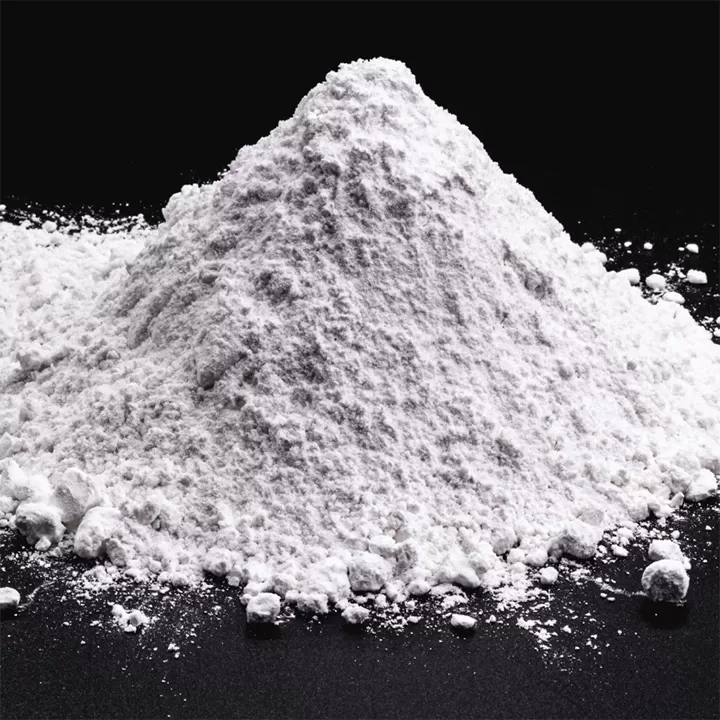
Ground Granulated Blast Furnace Slag (GGBS) is a byproduct of iron production, rapidly quenched to form a glassy, latent hydraulic material. When finely ground and combined with Portland cement, it reacts with calcium hydroxide to form additional calcium silicate hydrate (C-S-H)—the primary binding phase in concrete. This pozzolanic and hydraulic synergy fundamentally upgrades cement ki quality at the microstructural level.
Optimizing Particle Size Distribution for Enhanced Reactivity
Not all GGBS is equal. The reactivity and performance depend heavily on fineness and PSD. High-quality GGBS, such as the ultra-fine grades supplied by Golden Fortune, achieves a specific surface area above 600 m²/kg (Blaine), ensuring rapid early reaction and densified packing. This reduces capillary porosity by 30–50% compared to standard OPC mixes, directly boosting compressive strength and impermeability.
Synergistic Effects with Portland Cement: Hydration and Microstructure
The interaction between GGBS and cement clinker is governed by three key mechanisms:
Pore Refinement: Secondary hydration consumes Portlandite (Ca(OH)₂), transforming large pores (>50 nm) into finer gel pores (<10 nm). This reduces water permeability by up to 70%.
Lower Heat of Hydration: Replacing 50% of cement with GGBS reduces peak hydration temperature by 30–40%, mitigating thermal cracking risks in mass concrete.
Enhanced Durability: The refined pore structure resists chloride ion penetration; GGBS blends often achieve RCPT values below 1000 coulombs, compared to 3000–4000 coulombs for plain OPC.
These effects are quantifiable and repeatable, making GGBS an indispensable tool for engineers demanding verifiable cement ki quality.
Quantifiable Benefits: Data on How GGBS Elevates Cement Ki Quality (Backed by Standards)
Industry standards such as ASTM C989, EN 15167, and BS 6699 classify GGBS into grades (80, 100, 120) based on slag activity index. Below is a technical summary of performance improvements when integrating high-grade GGBS (Grade 100 or 120) at 30% to 50% replacement levels:
| Property | Plain OPC Concrete | OPC + 40% GGBS (Grade 100) | Improvement |
|---|---|---|---|
| 28-day Compressive Strength (MPa) | 45.2 | 48.5 | +7.3% |
| 90-day Compressive Strength (MPa) | 49.1 | 58.3 | +18.7% |
| Chloride Permeability (RCPT, Coulombs) | 3250 | 850 | -74% |
| Hydration Heat @ 72h (kJ/kg) | 285 | 170 | -40% |
| Sulfate Expansion (ASTM C1012, % at 6 months) | 0.15 | 0.04 | Excellent resistance |
These results align with international research (ACI 233R, 2017) and demonstrate that GGBS not only sustains but systematically enhances cement ki quality across strength, durability, and sustainability metrics.
Practical Applications: Where Superior Cement Ki Quality Matters Most
The technical advantages of GGBS translate directly into critical infrastructure and high-value projects. The following scenarios demand uncompromised cement ki quality:
Marine Structures: Ports, piers, and offshore platforms require exceptional chloride resistance. GGBS concrete (50–70% replacement) provides service life extension beyond 100 years, validated by probabilistic models.
Mass Concrete Foundations: Dams, bridge piers, and nuclear containment structures benefit from reduced thermal gradients, eliminating the need for costly cooling pipes.
High-Rise Buildings: Pumpability and long-term strength development in high-strength concrete (C80–C100) are achieved using optimized GGBS blends.
Sewage & Industrial Facilities: Resistance to biogenic sulfuric acid corrosion makes GGBS concrete ideal for wastewater treatment plants.
Green Concrete Initiatives: Reducing clinker factor by 40–50% with GGBS lowers CO₂ emissions by approximately 400 kg per ton of binder, supporting EPD declarations and carbon credit frameworks.
Each application relies on the consistency and technical backing that only specialized suppliers can provide.
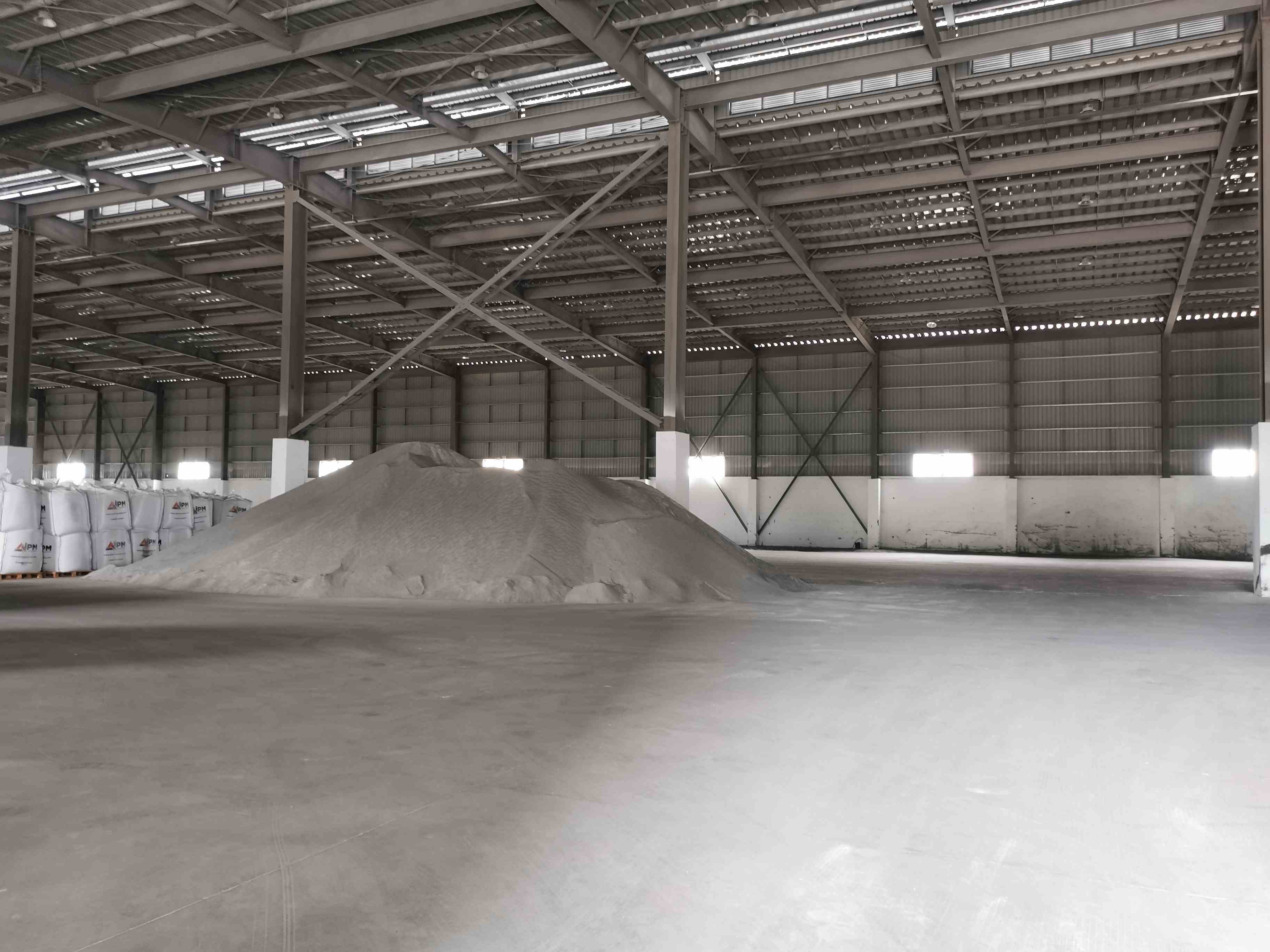
How Golden Fortune Delivers Unmatched GGBS for Cement Ki Quality Optimization
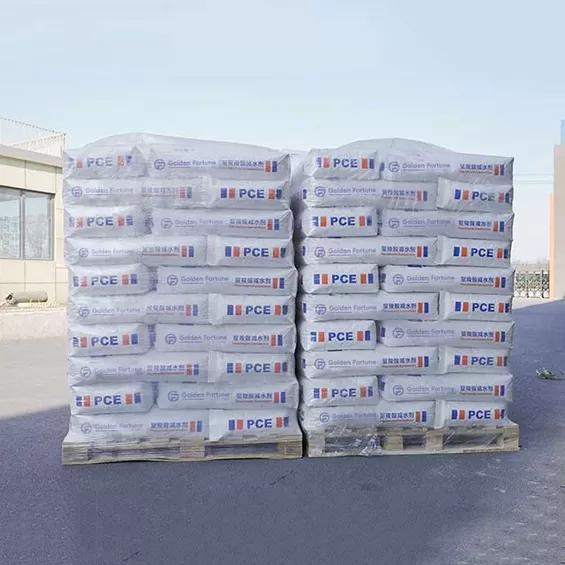
When discussing advanced cement ki quality, the choice of GGBS supplier is as critical as the mix design itself. Golden Fortune has established itself as a global authority in ultra-fine GGBS production, with a focus on consistency, technical support, and supply chain reliability. Their product line meets or exceeds ASTM C989 Grade 120 requirements, ensuring maximum activity index and optimized PSD.
What sets Golden Fortune apart is their commitment to quality assurance from source to delivery. Each batch undergoes rigorous testing:
Laser diffraction particle size analysis to guarantee d90 < 20 μm
7-day and 28-day slag activity index testing (minimum 105% at 28 days)
Chemical modulus checks (CaO/SiO₂ ratio and glass content > 95%)
ISO 9001:2015 certified manufacturing processes
By integrating Golden Fortune GGBS, concrete producers and contractors gain a partner who understands that cement ki quality is not a static attribute but a dynamic performance target requiring continuous improvement.
Frequently Asked Questions About Cement Ki Quality and GGBS Integration
Q1: What are the most critical tests to verify cement ki quality in the field?
A1: The essential tests include compressive strength (ASTM C39), setting time (ASTM C191), soundness (autoclave expansion), and chemical analysis for MgO, SO₃, and C₃A content. For advanced evaluation, isothermal calorimetry measures hydration kinetics, and rapid chloride permeability (RCPT) assesses durability potential—especially when SCMs like GGBS are used.
Q2: How does GGBS improve resistance to sulfate attack compared to sulfate-resisting Portland cement (SRPC)?
A2: While SRPC limits C₃A content to <5%, it still contains Portlandite, which reacts with sulfates to form gypsum and ettringite. GGBS consumes Portlandite via pozzolanic reaction and reduces overall permeability, providing superior resistance to both external sulfate attack and delayed ettringite formation. ASTM C1012 tests consistently show GGBS blends outperform SRPC in high sulfate environments.
Q3: Can using GGBS affect the color consistency of concrete, and is that a quality concern?
A3: GGBS typically produces a lighter, more uniform concrete color due to its pale appearance. For architectural applications, this is often an aesthetic advantage. Quality is not compromised; however, mix design adjustments (consistent replacement ratio) and standardized batching ensure color uniformity across pours—a hallmark of professional cement ki quality management.
Q4: What is the optimal replacement level of GGBS to maximize durability without compromising early strength?
A4: For most structural applications, 30% to 50% replacement offers the best balance. With ultra-fine GGBS (Grade 120) from suppliers like Golden Fortune, early strength (7 days) can match or exceed OPC at 30% replacement. For marine or sulfate-exposed structures, 50–70% replacement is recommended, with careful curing to ensure surface hydration.
Q5: How can I ensure that the GGBS I purchase consistently meets high cement ki quality standards?
A5: Choose suppliers that provide mill test reports (MTRs) with each shipment, detailing fineness, activity index, chemical composition, and glass content. Third-party certifications like ISO 9001 and compliance with EN 15167 or ASTM C989 are non-negotiable. Partnering with established suppliers such as Golden Fortune ensures traceability, technical support, and batch-to-batch consistency—essential for predictable cement ki quality outcomes.
Elevating Cement Ki Quality Through Science and Partnership
The construction industry is moving beyond basic compliance toward performance-based specifications that demand higher durability, lower carbon footprints, and verifiable long-term value. Achieving exceptional cement ki quality is no longer a matter of choosing a single binder; it requires a systems approach that integrates optimized clinker, high-performance SCMs like GGBS, and rigorous quality control throughout the supply chain. By leveraging advanced materials science and partnering with dedicated experts such as Golden Fortune, engineers and contractors can deliver structures that stand the test of time while meeting sustainability targets. Whether it is a high-rise tower, a marine terminal, or a mass concrete dam, the equation for success starts with uncompromised cement ki quality—and ends with measurable performance.