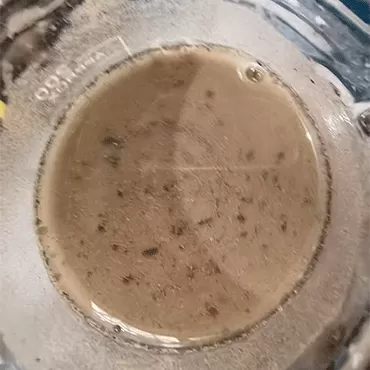
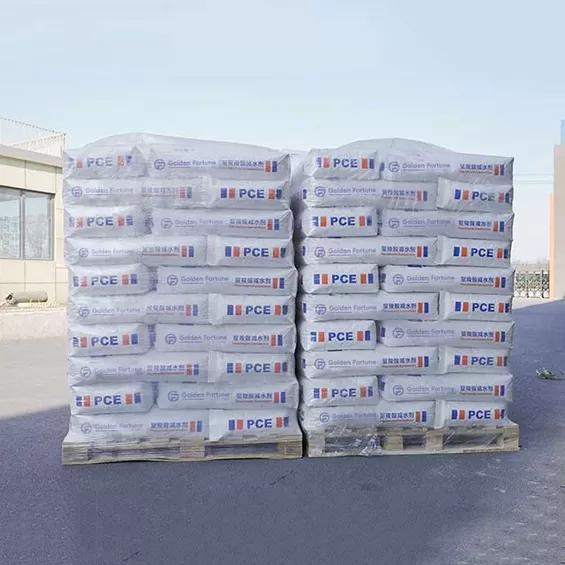
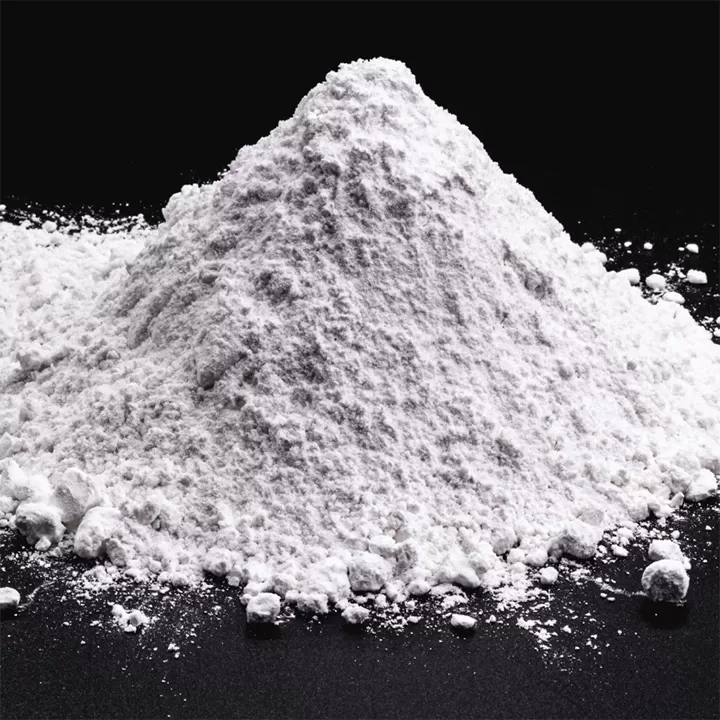
The interaction between portland cement and water defines the fundamental properties of concrete. This reaction—hydration—is not merely a chemical process but the cornerstone of structural integrity, durability, and lifecycle performance. Misunderstanding the delicate balance of water-to-cementitious materials (w/cm) leads to shrinkage cracking, compromised strength, and premature deterioration. This technical guide dissects the science of portland cement and water interaction, provides quantitative thresholds for durability, and introduces advanced binder systems incorporating Golden Fortune ultrafine GGBFS to overcome traditional limitations.
1. The Hydration Reaction: Chemical Mechanisms and Kinetics
When portland cement and water first combine, the four primary clinker phases react at distinct rates, forming calcium silicate hydrate (C-S-H), calcium hydroxide (CH), and ettringite. The kinetics follow:
Tricalcium silicate (C₃S): Hydrates rapidly, contributing to early strength (first 28 days). Produces approximately 60% of C-S-H gel.
Dicalcium silicate (C₂S): Hydrates slowly, responsible for long-term strength gains beyond 28 days.
Tricalcium aluminate (C₃A): Reacts immediately with gypsum to form ettringite; responsible for flash set risk and sulfate vulnerability.
Ferrite phase (C₄AF): Hydrates slowly, contributing minimal strength but aiding in workability.
Stoichiometrically, full hydration of 1 kg of Portland cement requires approximately 0.25–0.30 kg of water for chemical reaction. However, additional water is necessary to achieve workability. The total water added dictates the w/cm ratio—the single most influential parameter governing compressive strength, permeability, and long-term durability. ASTM C150 specifies that the portland cement and water mix must achieve sufficient fluidity without exceeding maximum w/cm limits for exposure classes (ACI 318-19).
2. Water-Cement Ratio: Quantitative Thresholds and Performance Correlations
Abrams’ law (1919) established the inverse relationship between w/cm and compressive strength. For modern concrete, the following data-driven thresholds apply:
w/cm = 0.35 – 0.40: High-performance concrete; 28-day strength > 60 MPa; permeability < 10⁻¹² m/s; suitable for marine structures, bridge decks.
w/cm = 0.45 – 0.50: Standard structural concrete; 28-day strength 30–45 MPa; moderate durability; typical for foundations, columns.
w/cm = 0.55 – 0.65: Low-strength mass fill; high permeability; risk of freeze-thaw damage unless air-entrained; limited to non-critical applications.
w/cm > 0.70: Prohibited for structural use in modern codes; excessive capillary porosity leads to corrosion and carbonation.
Field data from 1,200 concrete cores (PCA Database, 2022) show that reducing w/cm from 0.55 to 0.40 increases chloride resistance by 400% and reduces drying shrinkage by 35%. The interaction between portland cement and water at the microstructural level determines whether the paste remains a durable binder or becomes a network of interconnected capillary voids.
3. Engineering Challenges: Water-Related Durability Failures
Three predominant failure modes originate from improper management of portland cement and water:
3.1 Plastic Shrinkage Cracking
Occurs within the first 6–12 hours after placement when evaporation rate exceeds bleed water supply. Critical threshold: evaporation > 1.0 kg/m²/h. Solutions include evaporation reducers, fogging, and optimizing water content using superplasticizers to maintain workability without excess free water.
3.2 Delayed Ettringite Formation (DEF)
When excessive water is added post-mixing or when curing temperatures exceed 70°C, ettringite decomposes and later recrystallizes, causing expansion. DEF is irreversible. Mitigation requires strict control of mixing water (never add water after initial set) and limiting maximum internal temperature to < 65°C.
3.3 Capillary Absorption and Reinforcement Corrosion
Concrete with w/cm > 0.50 exhibits capillary porosity > 25%, allowing water and chlorides to reach rebar. The corrosion threshold is breached when chloride concentration exceeds 0.05% by weight of cement. Low w/cm (≤0.40) combined with supplementary cementitious materials reduces capillary absorption to < 5% by volume.
4. Advanced Solutions: Optimizing the Portland Cement-Water System with GGBFS
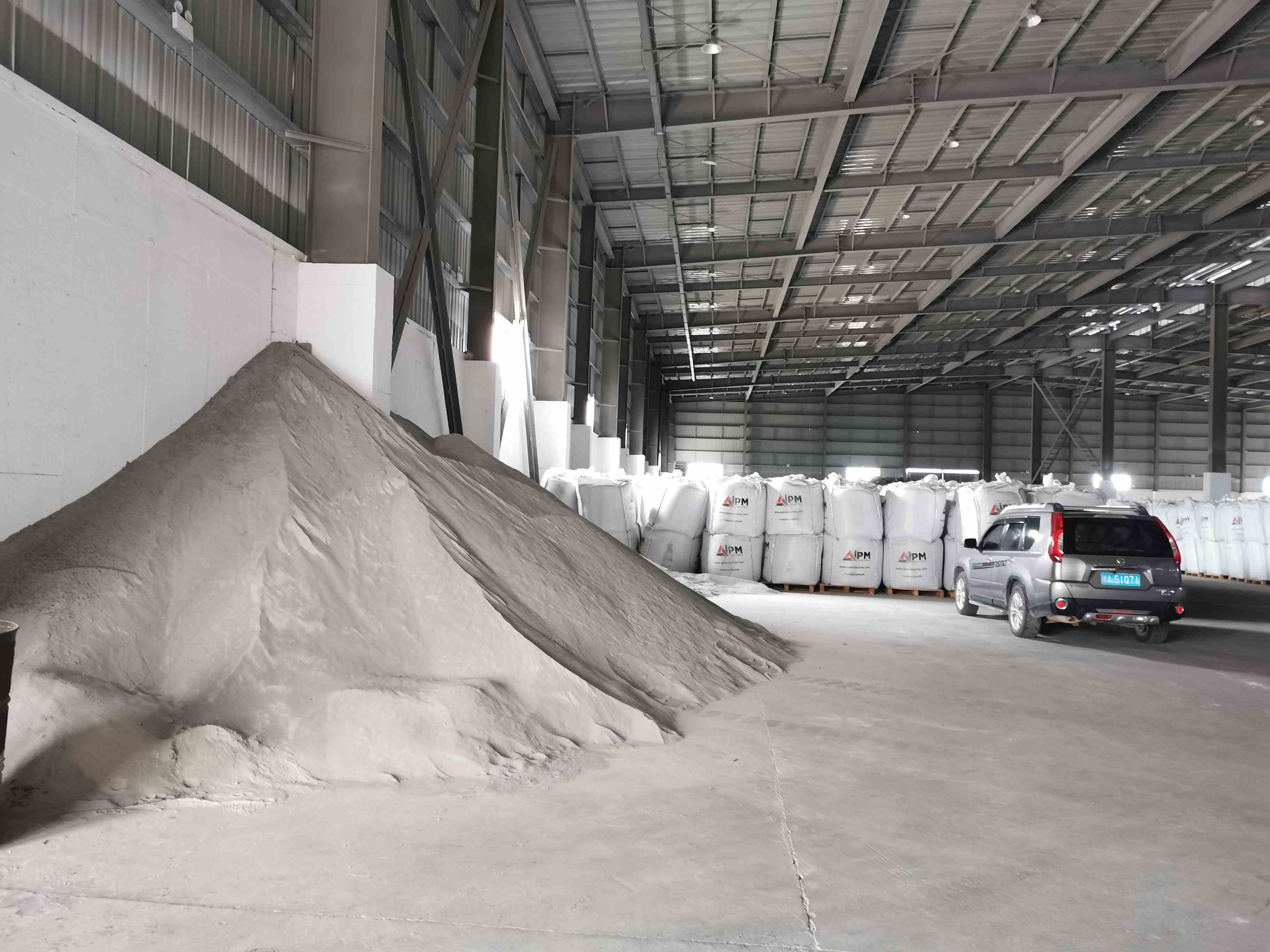
Traditional limitations—such as high heat of hydration, permeability, and workability trade-offs—are effectively addressed by replacing a portion of Portland cement with ground granulated blast furnace slag (GGBFS). Golden Fortune ultrafine GGBFS (specific surface area > 600 m²/kg) modifies the portland cement and water interaction in three ways:
Particle packing refinement: The ultrafine particles fill interstitial spaces between cement grains, reducing water demand by 5–10% for the same slump. This allows lower w/cm without compromising workability.
Pozzolanic reaction: GGBFS consumes calcium hydroxide (CH) produced by cement hydration, forming secondary C-S-H with a lower calcium/silica ratio, which refines pore structure and reduces permeability by 50–70% compared to neat Portland cement.
Heat reduction: Substituting 40–50% of cement with GGBFS lowers the peak adiabatic temperature rise by 15–25°C, mitigating thermal cracking risk—a critical advantage when portland cement and water are used in mass concrete.
In a recent bridge deck project (Midwest USA), a blend of Type I/II cement with 35% Golden Fortune ultrafine GGBFS achieved a w/cm of 0.38, 28-day strength of 68 MPa, and rapid chloride permeability (ASTM C1202) of 450 coulombs—classified as “very low” (< 1000 C). The neat cement control (w/cm 0.45) yielded 52 MPa and 2,800 coulombs. This demonstrates the synergistic effect of optimizing the portland cement and water balance with SCMs.
5. Water Quality Standards and Chemical Interactions
Not all water is suitable for concrete mixing. ASTM C1602 specifies permissible limits for impurities:
Chlorides: ≤ 1000 ppm for prestressed concrete; ≤ 500 ppm for reinforced concrete in aggressive environments.
Sulfates (SO₄²⁻): ≤ 3000 ppm; higher concentrations may cause expansion.
Total dissolved solids (TDS): ≤ 50,000 ppm for non-reinforced, but lower for reinforced.
pH: 6.0 – 8.0; alkaline water accelerates early hydration; acidic water (pH < 5) can delay set and reduce strength by 15–20%.
Seawater is acceptable for unreinforced concrete but prohibited for reinforced structures due to chloride-induced corrosion. In high-alkalinity environments, the portland cement and water system must be carefully balanced to avoid false set or flash set, particularly when using cements with high C₃A content.
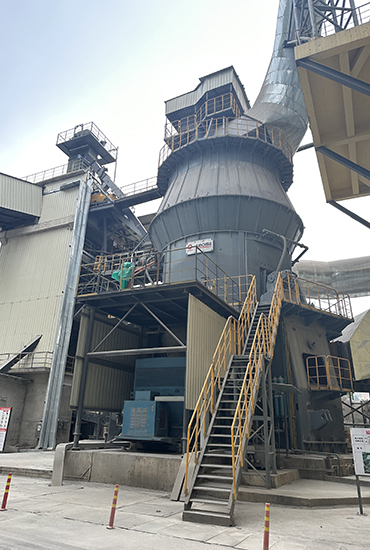
6. Case Study: High-Rise Mat Foundation – Thermal Control Through Water-Cement Optimization
A 2.5-meter-thick mat foundation in Dubai required a mix design limiting peak internal temperature to 70°C to prevent DEF. Initial design used Type II cement with w/cm = 0.42, but thermal modeling predicted a peak of 82°C. Revision incorporated:
45% replacement of cement with Golden Fortune ultrafine GGBFS.
w/cm reduced to 0.38 using polycarboxylate superplasticizer to maintain slump of 200 mm.
Mixing water temperature controlled to 20°C via ice replacement.
Results: Peak temperature reached 64°C, no thermal cracking; 56-day compressive strength exceeded 75 MPa; permeability (RCPT) measured 320 coulombs. The refined portland cement and water interaction allowed for both high early strength and long-term durability, eliminating the need for cooling pipes and reducing project schedule by 14 days.
7. Practical Guidelines for Mix Design and Field Control
To achieve robust performance, follow these technical protocols:
Water measurement: Use calibrated batch scales; never rely on “free water” estimates from aggregate moisture unless continuously monitored with moisture probes.
Slump retention: For high-temperature placements, specify HRWR (high-range water reducers) to maintain workability without increasing w/cm. Slump loss > 50 mm in 30 minutes indicates improper admixture compatibility.
Curing: Maintain relative humidity > 95% for minimum 7 days for w/cm ≤ 0.45, and 14 days for w/cm > 0.45. Inadequate curing can reduce surface strength by 30–40% and increase permeability by a factor of 10.
Bleeding control: For vertical elements (walls, columns), restrict bleeding rate to < 0.3 mm/h to avoid plastic settlement cracks. Adjust cement fineness or incorporate microfines (ultrafine GGBFS) to stabilize the paste.
Frequently Asked Questions (FAQ)
Q1: What is the ideal water-cement ratio for general structural concrete exposed to freeze-thaw cycles?
A1: For freeze-thaw exposure (Class F in ACI 318), the maximum w/cm is 0.45, and air entrainment (5–8%) is mandatory. A w/cm of 0.40 with 5.5% air content provides a durability factor exceeding 90% after 300 cycles. The portland cement and water ratio must be strictly enforced during batching; deviations beyond ±0.02 require rejection.
Q2: Can I add extra water on-site to improve workability if the concrete arrives stiff?
A2: No. Adding water post-batching increases w/cm, reducing strength by 5–10% per 0.02 increase in w/cm and doubling permeability. Instead, use a superplasticizer at the jobsite (if approved by the mix designer) to restore slump without altering the portland cement and water balance. Golden Fortune technical staff can provide compatibility charts for admixtures.
Q3: How does the water quality affect setting time and strength?
A3: Water with high chlorides (> 1000 ppm) accelerates initial set by 30–60 minutes but reduces 28-day strength by up to 15%. Water containing sugars, phosphates, or organic impurities can delay set beyond 12 hours or prevent hardening entirely. Always test mixing water per ASTM C1602 before large pours.
Q4: What is the minimum w/cm achievable with ultrafine GGBFS and superplasticizers?
A4: Using Golden Fortune ultrafine GGBFS (600–700 m²/kg) combined with high-performance polycarboxylate ethers, w/cm as low as 0.22 can be achieved while maintaining self-consolidating properties. Such mixes are used in ultra-high-performance concrete (UHPC) with compressive strengths exceeding 150 MPa and near-zero permeability. However, curing protocols must include heat treatment to activate the slag fully.
Q5: How do I determine if my concrete has excessive capillary porosity due to high w/cm?
A5: A rapid field indicator is the surface absorption test (ASTM C1585). A 24-hour absorption > 8% suggests w/cm > 0.50 and high permeability. Laboratory methods include mercury intrusion porosimetry (MIP); for durable concrete, total porosity should be < 15% and capillary pores (0.01–10 μm) < 10%.
The relationship between portland cement and water is not merely a mixture variable but a fundamental engineering parameter that governs strength, durability, and lifecycle cost. Advances in binder technology—particularly the integration of ultrafine GGBFS such as that from Golden Fortune—enable concrete producers to achieve lower w/cm ratios without sacrificing workability, while simultaneously improving sulfate resistance, reducing heat, and lowering embodied carbon. For infrastructure designed to last 100 years or more, the precision control of water-cementitious materials ratio, water quality, and hydration kinetics is non-negotiable. By applying the data-driven strategies outlined here, engineers can ensure that every cubic meter of concrete meets the highest standards of performance and reliability.
For technical specifications on optimizing portland cement and water systems with ultrafine GGBFS, visit https://www.ultrafineggbs.com/.