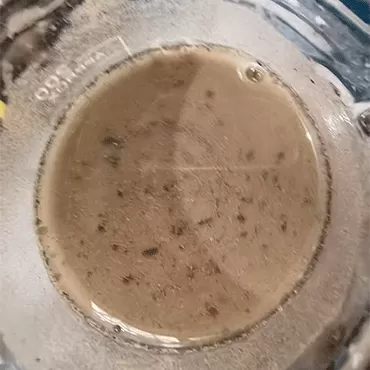
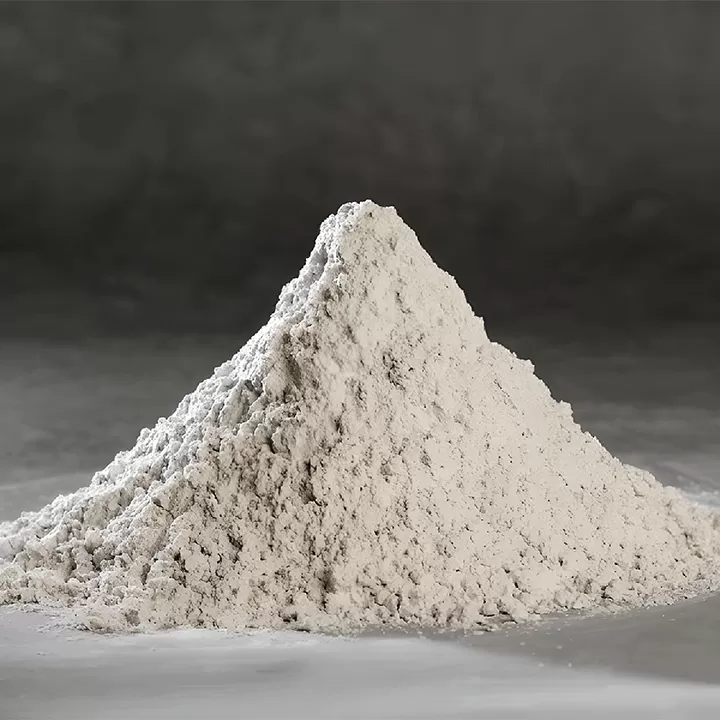
Ground Granulated Blast Furnace Slag (GGBS) has transitioned from a by-product to a strategic binder in modern concrete technology. For engineering procurement and ready-mix operations, proper ggbs use in concrete directly influences life-cycle costs, chloride ingress resistance, and thermal cracking prevention. This article provides quantitative insights into slag blending ratios, reactivity thresholds, and application-specific mix designs, supported by industrial data from large-scale infrastructure projects.
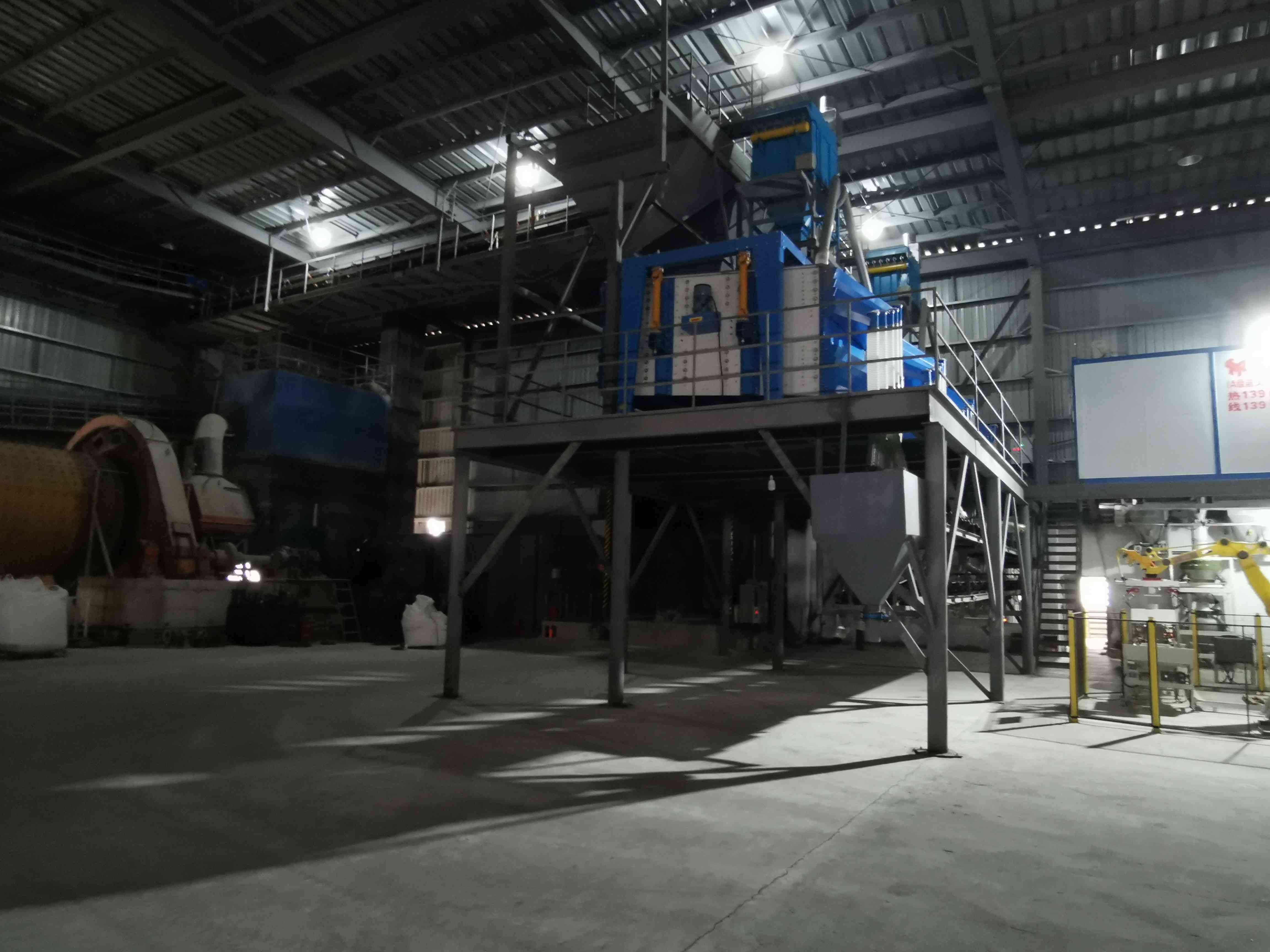
1. Material Fundamentals: Why GGBS Outperforms Standard Blends
GGBS is generated by rapid water quenching of molten blast-furnace slag, resulting in a glassy, cementitious structure rich in CaO, SiO₂, Al₂O₃, and MgO. The hydraulic reactivity depends on the fineness (specific surface area 400–600 m²/kg) and glass content (>90%). Compared to Portland cement (PC), GGBS has lower calcium hydroxide but higher latent hydraulic properties activated by alkaline environments. Key technical parameters:
Reactivity index – 28-day activity index ≥95% (ASTM C989 Grade 100/120).
Particle shape – Spherical and smooth, improving workability and reducing water demand by 3–5% at constant slump.
Reduced heat of hydration – Peak temperature lowered by 10–15°C compared to plain PC (mass concrete critical).
Pore refinement – Secondary C-S-H gel formation reduces capillary porosity by ~30% after 90 days.
These characteristics make ggbs use in concrete a preferred method for achieving design life beyond 100 years, especially in marine and wastewater environments.
2. Performance Metrics: Durability Enhancements Achieved by GGBS
2.1 Sulfate and Acid Resistance
Standard PC concrete suffers ettringite expansion when exposed to sulfate-rich soils (≥2000 ppm SO₄²⁻). Replacing 50–65% of PC with GGBS reduces alumina available for ettringite formation and lowers permeability. Test data according to ASTM C1012 show that 50% GGBS blends achieve expansion rates below 0.04% after 12 months, compared to 0.15% for Type V cement. This allows engineers to specify GGBS concrete for foundations in aggressive ground conditions without specialized sulfate-resisting cement.
2.2 Chloride-Induced Corrosion Control
For bridge decks, parking structures, and port facilities, chloride diffusion coefficient (Dcl) is the main durability indicator. With 50% GGBS replacement, Dcl at 28 days reduces by 60–70% relative to PC concrete. The increased chloride binding capacity (due to higher C-S-H and AFm phases) delays corrosion initiation by 20–30 years according to Life-365 modelling. Many national highway agencies now mandate GGBS use in concrete for coastal bridges.
3. Quantitative Mix Design Guidelines for GGBS Use in Concrete
Optimal performance is not a universal fixed percentage – it depends on exposure class, strength grade, and early-age loading schedule. Below are proven dosage ranges based on EN 15167-1 and IS 16714:
Internal sulfate attack / low heat → 50–70% GGBS (mass concrete dams, wind turbine foundations).
Chloride resistance / marine splash zones → 40–60% GGBS (tidal walls, jetties).
General sustainable concrete (C30/37 – C50/60) → 30–50% GGBS (ready-mix for commercial structures).
High early strength requirement (24 h formwork removal) → 20–30% GGBS + 2% calcium sulfoaluminate-based accelerator.
For every scenario, ggbs use in concrete must be coupled with adequate curing (≥7 days moist curing for 50% blends to activate slag reaction). Without proper curing, surface carbonation depth can increase, but this is manageable with water-retaining measures.
4. Overcoming Technical Challenges: Early Strength & Setting Time
The main industry hesitation regarding ggbs use in concrete is slower strength gain below 15°C. Solutions validated by recent projects:
Binary or ternary blends – Add 5–10% silica fume or calcium nitrate to accelerate early pozzolanic reaction.
Increase curing temperature – Use insulated formworks or steam curing for precast elements (40°C for 12h).
Adjust slump retention – GGBS reduces slump loss, but polycarboxylate superplasticizers maintain flowability longer, enabling longer transport times.
For cold weather casting (ambient temperature <10°C), limit GGBS content to 30% and use Type III (high early strength) Portland cement alongside an accelerator. Projects in Scandinavia successfully apply 40% GGBS with heated aggregates and antifreeze admixtures.
5. Environmental and Economic Advantages for B2B Procurement
Every tonne of OPC replaced by GGBS reduces CO₂ emissions by approximately 850–950 kg (including upstream beneficiation). A concrete plant producing 200,000 m³/year with 40% slag replacement saves roughly 25,000 tonnes of CO₂ annually – directly contributing to LEED v4 credits and EPD reduction targets. Moreover, GGBS is often 10–20% lower in cost than CEM I in many regions (ex-furnace price advantages).
Leading suppliers like Golden Fortune provide consistent quality GGBS with controlled fineness (≥450 m²/kg) and low moisture content (<0.5%), ensuring batch-to-batch reliability for large-volume tenders. Their logistics support covers silo delivery and on-site technical mix adjustments, directly reducing holding costs for concrete producers.
6. Application-Specific Case Examples: GGBS in Major Projects
6.1 Mass Concrete Foundations – Thermal Control Without Cooling Pipes
A 2.8m thick raft foundation in Southeast Asia used 65% GGBS concrete with 380 kg/m³ total binder. Peak core temperature remained below 60°C with a differential <18°C, eliminating embedded cooling pipes and saving USD 45,000 in mechanical cooling costs. 90-day compressive strength reached 68 MPa (design requirement 50 MPa).
6.2 Sewage Treatment Tanks – Biogenic Sulfuric Acid Resistance
Wastewater concrete with 55% GGBS and 5% micro-silica exhibited less than 2 mm surface corrosion after 8 years of exposure to H₂S gas (pH 3.5 cycles). Ordinary concrete required coating repairs after 3 years. The maintenance-free period extended by 400%.
6.3 Precast Segmental Linings (Tunnels)
For a 12km metro tunnel, 30% GGBS blends with high-range water reducer achieved demoulding strength of 25 MPa at 12 hours (steam curing at 55°C). Final strength was 85 MPa, chloride migration coefficient <2.0×10⁻¹² m²/s – exceeding specification.
These results confirm that well-engineered ggbs use in concrete not only meets but frequently surpasses structural and durability requirements without lifecycle cost penalties.
7. Best Practices for QC and Specification Writing
To ensure successful adoption, include the following clauses in technical tenders:
GGBS testing compliance – EN 15167-1 or ASTM C989 Grade 100; limit glass content ≤92% by XRD.
Mill certificate frequency – Each delivery lot to include chemical moduli (CaO/SiO₂ >1.0, (CaO+MgO+Al₂O₃)/SiO₂ >1.4).
Mortar prism expansion test – ASTM C1260 for ASR mitigation (GGBS >40% typically reduces expansion below 0.10% at 14 days).
Field curing protocol – Membrane-forming curing compounds must be applied within 30 minutes of finishing; for hot weather >35°C, fog spray before covering.
Additionally, integrate a demonstration batch (5 m³) on non-critical structure to verify slump retention and 7/28 day strength correlations.
8. Frequently Asked Questions (Technical Focus)
Q1: What is the maximum GGBS replacement level for severe freeze-thaw exposure?
A1: For concrete exposed to freeze-thaw cycles with de-icing salts (e.g., bridge decks, parking garages), maximum GGBS content should be limited to 40–50% if air entrainment is used. Beyond 50%, the air void stability may reduce. However, for non-air-entrained massive sections, 65% slag is still acceptable because the lower w/c ratio (<0.40) compensates for reduced frost resistance.
Q2: Does GGBS increase the risk of carbonation?
A2: At equal w/c ratio, GGBS concrete may show slightly higher carbonation depth in the first 28 days if curing is insufficient (<5 days). With proper moist curing (7–10 days), the refined pore structure reduces long-term carbonation rates below those of PC concrete. Standard practice: measure carbonation via phenolphthalein at 56 days – depth <15 mm acceptable for reinforced concrete.
Q3: Can I use GGBS with recycled aggregates (RA)?
A3: Yes. Ternary mixes with GGBS (30–40%) and RA (30% coarse replacement) achieve similar strength as natural aggregate PC concrete. The key is adjusting the water absorption compensation – pre-saturate RA for 1 hour to avoid slump loss. GGBS mitigates the higher drying shrinkage of RA due to its lower Ca(OH)₂ content and improved ITZ bonding.
Q4: How does GGBS influence color consistency in architectural concrete?
A4: GGBS imparts a lighter, more uniform gray-greenish tone compared to PC’s dark grey. For consistent aesthetic appearance, maintain GGBS replacement within ±5% variation and use the same cement supplier. Avoid calcium chloride accelerators which cause dark mottling. Where white color is required, use 20–25% GGBS blended with white Portland cement.
Q5: What is the typical lead time for importing GGBS to project sites?
A5: Bulk vessel shipping takes 25–45 days from main slag grinding hubs (China, Europe, India) to most ports, plus 7 days for customs and pneumatic offloading. To prevent delays, Golden Fortune maintains regional stock hubs in Rotterdam, Singapore, and Houston, enabling 3-7 day delivery for urgent orders – crucial for continuous batching plant operations.
Q6: Does GGBS affect bonding strength of epoxy-coated rebar?
A6: Comparative pull-out tests (ACI 408.3) show no statistical difference in bond strength for PC vs. 50% GGBS concrete (within ±2% variation). However, avoid oil contamination on reinforcement – GGBS concrete’s higher electrical resistivity can reduce the corrosion risk even if coating is slightly damaged.
Need Project-Specific GGBS Technical Support?
Every concrete mix design has unique constraints – alkali-silica reactivity, heat evolution limits, or early stiffness requirements. Golden Fortune provides ISO 9001-certified GGBS with dedicated laboratory support to tailor fineness, slag activity index, and chemical modules precisely for your application. From bulk vessel shipments to JIT bagged supplies, decades of slag engineering experience ensure your ggbs use in concrete delivers predictable performance.
For quotation, material specification datasheets, or free sample testing (sieve analysis + compressive strength trials), submit your inquiry below. Our technical team responds within 8 business hours with customized mix simulation reports.
Request Your GGBS Consultation & Quote
Technical mix design support (including heat of hydration modelling)
Current price & bulk availability (FOB or CIF terms)
Free 2 kg sample
for lab validation (EN 15167 / ASTM C989)
Email: sales@ultrafineggbs.com or use the contact form at https://www.ultrafineggbs.com/contact.html
Direct
inquiry line: +86 512 6289 2305 (Global technical desk)
Send your project requirements (dosage, volume, delivery port) for a same-day proposal.