Ground granulated blast furnace slag, commonly known as GGBS, is a by‑product from the manufacture of iron. Steel producers collect the molten slag and rapidly cool it with water, creating a glassy, granular material. After drying and fine grinding, this material offers exceptional hydraulic properties. Builders and engineers increasingly rely on it to improve concrete performance and as a key component in mortar additives. Companies like Golden Fortune supply high‑quality GGBS that meets international standards. Using ground granulated blast furnace slag not only strengthens structures but also lowers the carbon footprint of construction projects.
Why has this material become so popular? Part of the answer lies in its dual action: it works as a supplementary cementitious material and as a reliable performance enhancer. When added to concrete or mortar, it reacts with calcium hydroxide to form additional calcium silicate hydrates, which fill microscopic pores. The result is denser, more durable concrete. Below we explore the many facets of ground granulated blast furnace slag, from its basic production to its role in specialised applications.
What Exactly Is Ground Granulated Blast Furnace Slag?
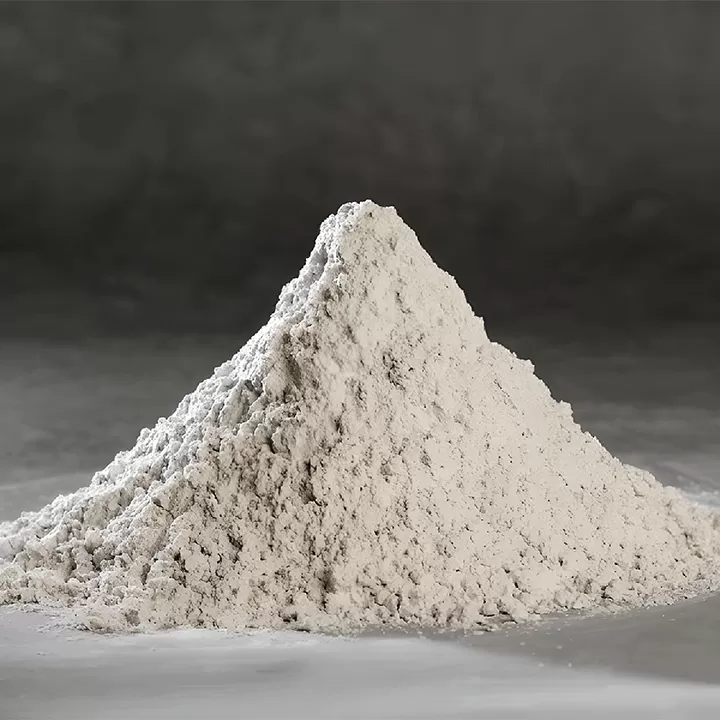
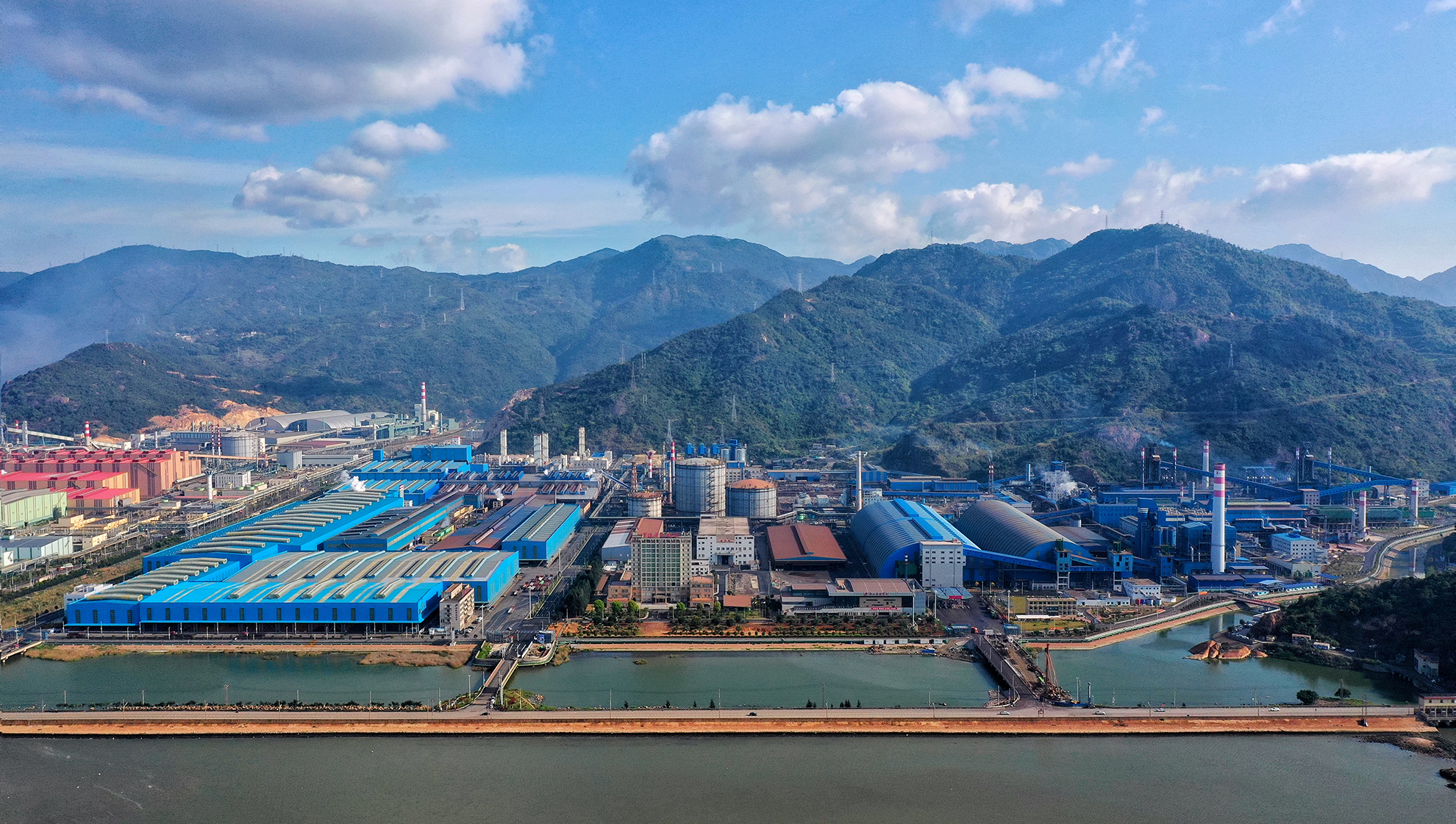
To understand its value, look at the production process. Iron ore, coke, and limestone are fed into a blast furnace. The molten iron collects at the bottom, while the slag floats on top. This liquid slag is tapped off and rapidly quenched with high‑pressure water jets. The quick cooling forms sand‑sized particles of glass. These granules are then dried and ground to a fine powder. The result is ground granulated blast furnace slag — a pale off‑white powder with latent hydraulic properties.
Unlike Portland cement, which hardens immediately when mixed with water, ground granulated blast furnace slag needs an activator (like cement clinker or lime) to start the hydration process. Once activated, it hydrates and hardens similarly to cement, often producing a higher strength over time. Its chemical composition — rich in calcium oxide, silica, and alumina — makes it ideal for reacting with the by‑products of cement hydration.
Key Benefits of Using GGBS in Concrete and Mortar
Incorporating ground granulated blast furnace slag into mixes brings measurable improvements. Engineers specify it for projects that demand long‑term durability. Here are the main advantages:
Increased durability: GGBS refines the pore structure, reducing permeability to water and chlorides. Structures last longer, even in marine environments.
Reduced heat of hydration: Mass concrete pours (like foundations) benefit from slower heat release, minimising thermal cracking.
Better resistance to chemical attack: Sulfates and acids find it harder to penetrate concrete made with GGBS.
Improved workability: The smooth, glassy particles of ground granulated blast furnace slag lubricate the mix, requiring less water for the same slump.
Lighter colour and aesthetics: GGBS concrete has a whiter, more consistent finish, often preferred for architectural concrete.
Sustainability: Using a industrial by‑product reduces the demand for virgin cement, cutting CO₂ emissions significantly.
These benefits explain why many ready‑mix plants now stock GGBS as a standard ingredient. For specialised needs, Golden Fortune offers finely ground slag that meets the latest cement standards.
Ground Granulated Blast Furnace Slag as a High‑Performance Mortar Additive
Mortar is the glue that holds masonry together, so its properties directly affect wall strength and durability. Using ground granulated blast furnace slag as a mortar additive changes the game for bricklaying and rendering. When you replace a portion of the cement in mortar with GGBS, you get a smoother, more cohesive mix. Bricklayers often find it easier to spread and work with, and the mortar adheres better to blocks and bricks.
But performance goes beyond workability. Mortar exposed to rain and frost can deteriorate over time. The addition of ground granulated blast furnace slag reduces the pore connectivity, so water penetration drops. This also limits efflorescence — those white salts that sometimes appear on new brickwork. For restoration projects, where matching old mortar is critical, GGBS‑based mortars can be tinted and adjusted to achieve a similar look while offering modern durability.
Several studies confirm that mortars containing GGBS as a mortar additive show higher bond strength and better long‑term volume stability. Builders working on heritage structures or high‑rise facades increasingly turn to this approach. And because it is a recycled material, it often contributes to green building certifications like LEED or BREEAM.
Applications Across Construction and Infrastructure
Ground granulated blast furnace slag is not limited to concrete and mortar. Its uses span across many sectors:
Ready‑mix concrete: From residential slabs to high‑rise cores, GGBS is a standard component in many countries.
Precast products: Blocks, pipes, and pavers gain strength and surface finish with GGBS.
Soil stabilisation: Mixed with lime, it improves the load‑bearing capacity of weak soils.
Waste encapsulation: Its low permeability makes it suitable for stabilising hazardous wastes.
Marine structures: Docks, sea walls, and bridges benefit from the chloride resistance of GGBS concrete.
Engineers often specify GGBS for projects near seawater or de‑icing salts. The reduction in chloride ingress directly translates to longer service life and lower maintenance costs. With infrastructure budgets under pressure, such longevity is invaluable.
Comparing GGBS with Other Supplementary Materials
Fly ash, silica fume, and metakaolin are also used to enhance concrete. So what makes ground granulated blast furnace slag different? Its unique chemical composition gives it a slower, more consistent strength gain, which is ideal for mass concrete. While silica fume provides very high early strength, it can be difficult to handle. Fly ash is abundant but may vary in quality. GGBS offers a balanced profile: reliable supply, consistent chemistry, and steady performance. For mortar applications, it often outperforms fly ash in terms of workability and finish.
Suppliers like Golden Fortune ensure that their ground granulated blast furnace slag meets strict fineness and activity index requirements, so customers can substitute it with confidence.
Quality and Sourcing: Why Choose a Trusted Supplier
Not all GGBS is created equal. Fineness, glass content, and particle size distribution affect how the material performs. That is why reputable companies invest in advanced grinding and quality control. Golden Fortune has built a reputation for supplying ultra‑fine GGBS that meets the highest international standards. Their product is tested regularly for consistency, ensuring that each batch delivers the expected strength and durability.
When you specify ground granulated blast furnace slag from a reliable source, you minimise risks on site. The powder flows freely, mixes uniformly, and performs predictably. For projects that demand certification, using a trusted brand simplifies the paperwork and quality assurance process.
Conclusion: Embracing a Sustainable Future with GGBS
Ground granulated blast furnace slag has moved from a little‑known by‑product to a mainstream construction material. Its ability to improve concrete and mortar while cutting carbon emissions makes it a smart choice. Whether you are designing a high‑rise tower, a family home, or a marine defence system, consider incorporating GGBS. As a powerful mortar additive, it upgrades workability and durability. With experienced suppliers like Golden Fortune offering consistent quality, adopting this material is easier than ever. The next time you plan a concrete or mortar mix, let ground granulated blast furnace slag be part of the recipe.
Frequently Asked Questions (FAQ)
Q1: What is the difference between ground granulated blast furnace slag and cement?
A1: Cement is a manufactured product made from limestone and clay, while ground granulated blast furnace slag is a by‑product of iron production. Slag has latent hydraulic properties and needs an activator (like cement) to harden. When combined, they complement each other: cement provides early strength, and slag adds long‑term durability and resistance to chemicals.
Q2: Can I use GGBS as a mortar additive in all types of mortar?
A2: Yes, ground granulated blast furnace slag works well in most mortars, including masonry, rendering, and repair mortars. It improves workability and reduces water demand. However, for very rapid‑setting applications, you might need to adjust the mix design or use an accelerator. Always test a small batch first.
Q3: Does using GGBS affect the setting time of concrete or mortar?
A3: Generally, GGBS slows the initial setting slightly compared to plain Portland cement. This can be an advantage in hot weather because it reduces the risk of cold joints. In cooler conditions, you may need to adjust curing times or use an accelerator. The final strength, however, often exceeds that of plain cement mixes.
Q4: How much ground granulated blast furnace slag should I add to a mortar mix?
A4: Typical replacement levels range from 20% to 50% of the cement weight, depending on the required properties. For mortar used in aggressive environments (like coastal areas), a 50% replacement offers excellent protection. For general purpose mortar, 25‑30% is common. Consult your supplier, like Golden Fortune, for specific recommendations based on your materials.
Q5: Is GGBS environmentally friendly?
A5: Absolutely. Using ground granulated blast furnace slag reduces the need for virgin cement, which is responsible for about 8% of global CO₂ emissions. It also diverts an industrial by‑product from landfill. Many green building standards award points for using materials like GGBS. It is a practical way to lower the carbon footprint of any construction project.
Q6: Where can I buy high‑quality ground granulated blast furnace slag?
A6: Several companies supply GGBS, but for consistent fineness and purity, Golden Fortune is a trusted name. They offer ultrafine grades suitable for concrete, mortar, and specialised applications. Visit their website for product details and technical support.