Every successful construction effort relies on the quality of its foundation, both literally and figuratively. For engineers, architects, and project managers, the choice of materials directly influences the lifespan, performance, and environmental impact of any structure. Modern concrete projects increasingly turn to advanced supplementary cementitious materials to meet higher standards. Among these, Ground Granulated Blast Furnace Slag (GGBS or GGBFS) has become a cornerstone for superior builds. Leading suppliers like Golden Fortune provide the high-grade materials that make these advancements possible and reliable.
Why Material Choice Defines Modern Concrete Projects
The ambition behind today's construction is clear: build structures that last longer, require less maintenance, and have a smaller ecological footprint. Ordinary concrete mixes often struggle to meet all these demands simultaneously. This is where integrating GGBS into the mix design becomes a strategic decision. The use of this material transforms the concrete’s internal microstructure, leading to measurable improvements that address the core challenges faced in complex concrete projects, from skyscrapers to coastal defenses.
1. Achieving Superior Durability in Harsh Environments
Many concrete structures fail prematurely due to chemical attack. GGBS fundamentally enhances concrete’s resistance to these destructive forces.
Sulfate Resistance: Concrete with high GGBS content is highly resistant to sulfate ions found in seawater, groundwater, and some soils, preventing expansion and cracking.
Chloride Barrier: It significantly reduces chloride ingress, protecting steel reinforcement from corrosion. This is critical for bridges, parking garages, and marine installations.
ASR Mitigation: It effectively minimizes Alkali-Silica Reaction, a major cause of long-term concrete deterioration.
For projects in aggressive environments, specifying GGBS is no longer just an option; it's a necessary specification for design life.
2. Managing Thermal Stresses in Mass Concrete
Large pours for foundations, dams, or thick walls generate significant heat during cement hydration. This heat can cause thermal cracking, compromising structural integrity.
Reduced Heat Generation: GGBS hydrates more slowly, dramatically lowering the peak temperature in the concrete mass.
Lower Thermal Gradient: The reduced temperature difference between the core and the surface minimizes the risk of thermal stress cracks.
This leads to more monolithic, watertight, and durable mass concrete elements, reducing the need for costly crack repair later.
3. Enhancing the Green Credentials of Your Build
Sustainability is now a key metric for nearly all major concrete projects. Using GGBS offers one of the most effective paths to reducing embodied carbon.
CO2 Reduction: Producing GGBS uses only a fraction of the energy required for Portland cement, cutting CO2 emissions by up to 80% for the cementitious component.
Industrial Synergy: It utilizes a by-product from the steel industry, diverting material from landfills and promoting a circular economy.
Certification Points: Its use directly contributes to credits in LEED, BREEAM, and other global green building rating systems.
Partnering with a responsible supplier like Golden Fortune ensures the material's quality and its authentic environmental benefits.
4. Improving Workability and Final Surface Quality
Beyond strength and durability, the practical aspects of placing and finishing concrete matter on site. Concrete mixes incorporating GGBS often show better cohesiveness and workability.
Smoother Placement: The concrete is typically more plastic and less prone to segregation, making it easier to pump and place.
Superior Finish: It allows for a finer, more consistent surface finish with fewer blemishes, which is vital for architectural concrete.
Lighter Color: The concrete usually has a lighter, more uniform color, reducing the need for pigments or paints in exposed applications.
5. Optimizing Life-Cycle Costs and Project Value
The initial material cost is just one part of the financial equation. The true value of using high-performance concrete with GGBS emerges over the structure's entire life.
Reduced Maintenance: Enhanced durability means lower costs for repairs, coatings, and rehabilitation over decades.
Extended Service Life: Structures last longer before requiring major refurbishment, maximizing the return on investment.
Risk Mitigation: It reduces the risk of premature failure and the associated liabilities and reconstruction costs.
This makes GGBS concrete a financially astute choice for asset owners and developers focused on long-term value.
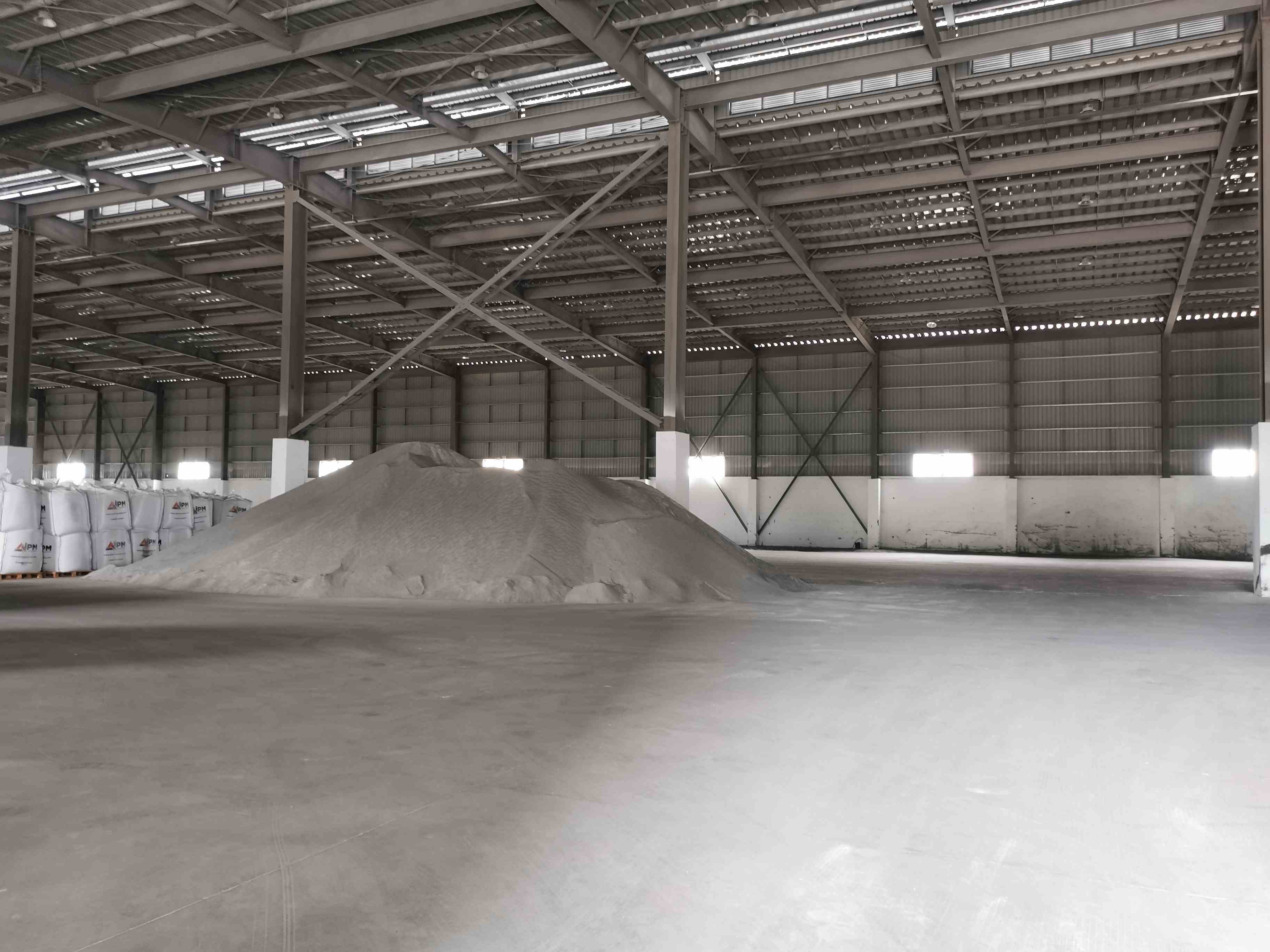
Implementing GGBS in Your Next Project
Successfully integrating GGBS requires thoughtful planning. Key considerations include determining the optimal replacement percentage (often 50-70% for durability), planning for potentially longer initial setting times (especially in cold weather), and ensuring adequate curing. Early collaboration between the specifier, ready-mix supplier, and material provider is essential. Sourcing consistent, high-quality GGBS from established companies like Golden Fortune forms the reliable basis for these high-performance concrete projects.
Frequently Asked Questions (FAQs)
Q1: Does GGBS concrete have a lower early strength?
A1: Yes, strength gain at early ages (e.g., 1-3 days) can be slower compared to pure Portland cement concrete. However, the long-term strength (28 days and beyond) often equals or exceeds it. This can be managed with mix design adjustments if early strength is critical.
Q2: Can GGBS be used in all types of concrete projects?
A2: It is highly versatile and used in everything from residential slabs to major infrastructure. Special attention is needed for applications requiring very high early strength (e.g., some precast operations) or in cold weather concreting, where setting time can be extended.
Q3: How does GGBS affect the permeability of concrete?
A3: It significantly reduces permeability. The secondary hydration products fill and refine the pore structure, creating a denser matrix. This is the primary reason for its improved resistance to water, chlorides, and sulfates.
Q4: What is the difference between GGBS and fly ash?
A4: Both are supplementary cementitious materials. GGBS is a by-product of iron production, while fly ash comes from coal combustion. They have complementary properties. GGBS generally offers higher later strength, better chloride resistance, and more reliable color consistency. They are often used together in ternary blends.
Q5: How do I specify GGBS for my project?
A5: Specify it by performance (e.g., a minimum percentage replacement of Portland cement, such as 50% GGBS) or by prescription, referencing relevant standards (like ASTM C989 or EN 15167-1). Clearly communicate the project's exposure conditions and performance requirements to your concrete supplier and technical partners.
Building a More Resilient Future
The demands on modern infrastructure are greater than ever. By embracing GGBS technology, project teams can directly address the core challenges of durability, sustainability, and economic efficiency. The evidence from countless successful global applications is clear. Making informed material choices is the first step toward constructing concrete projects that not only meet today's specifications but also stand the test of time with minimal environmental impact. For those committed to this higher standard of build, resources and expertise from suppliers like Golden Fortune are invaluable assets.