Concrete is the most widely used man-made material on the planet. However, the production of traditional Portland cement is energy-intensive and responsible for a significant portion of global CO2 emissions. To address this, engineers and architects have turned to supplementary cementitious materials (SCMs). Among these, fly ash based cement has emerged as a superior alternative for durable and sustainable infrastructure.
Using by-products from coal-fired power plants, this material transforms waste into a resource. It improves the workability of fresh concrete and enhances the strength of the hardened structure. Industry leaders like Golden Fortune recognize the critical role of SCMs, including Ground Granulated Blast-furnace Slag (GGBS) and fly ash, in meeting international construction standards.
Whether you are building a high-rise foundation or a marine bridge, understanding the chemistry and application of fly ash based cement is essential. This article explores why this composite material is reshaping the construction sector and how it compares to other additives in the GGBS field.
1. Understanding the Composition
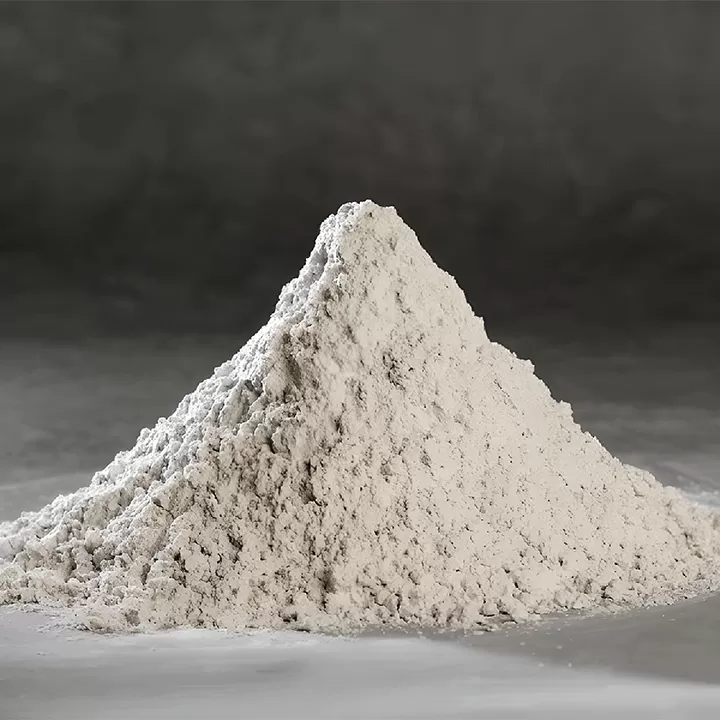
Technically, fly ash is a fine powder consisting of spherical particles. It is captured from the exhaust gases of coal-fired power plants. When mixed with lime and water, it forms a compound similar to Portland cement. A fly ash based cement typically replaces 15% to 30% of the Portland cement in the mix.
There are two primary classes of fly ash defined by ASTM C618:
- Class F: Produced from burning anthracite or bituminous coal. It has pozzolanic properties and requires a cementing agent like Portland cement or lime to react.
- Class C: Produced from lignite or sub-bituminous coal. It has both pozzolanic and self-cementing properties, meaning it can harden with water alone over time.
The choice between these classes affects the final properties of the fly ash based cement. Engineers select the specific type based on the sulfate resistance required and the curing conditions of the project site.
2. The Pozzolanic Reaction Mechanism
The strength of concrete comes from the hydration of cement, which produces Calcium Silicate Hydrate (C-S-H). However, this process also creates Calcium Hydroxide, a byproduct that contributes little to strength and is soluble in water. This is where fly ash based cement proves its value.
The silica in the fly ash reacts with the calcium hydroxide to form additional C-S-H binder. This is known as the pozzolanic reaction. Instead of leaving weak pockets of lime within the concrete, the fly ash converts them into structural material.
This reaction continues for months or even years. Consequently, concrete made with fly ash based cement keeps gaining strength long after standard concrete has plateaued. This results in a denser, less permeable matrix.
3. Enhanced Workability and Pumping
One of the most immediate benefits contractors notice is the "ball-bearing" effect. Fly ash particles are spherical and glassy. Standard cement particles are angular and rough. When you incorporate fly ash based cement, these spheres lubricate the mix.
This lubrication reduces the friction between aggregates. The concrete flows better without requiring additional water. A lower water-to-cement ratio leads to higher strength and reduced shrinkage.
For high-rise buildings where concrete must be pumped to great heights, this increased flowability is crucial. It reduces wear on pumping equipment and ensures the material fills intricate forms without voids or honeycombing.
4. Synergy with GGBS and Other SCMs
In the international market, it is common to use ternary blends. This means the mix contains Portland cement, fly ash, and GGBS. Suppliers like Golden Fortune specialize in these high-performance additives. Combining these materials optimizes the benefits of each.
While fly ash based cement reduces water demand, GGBS contributes to whiter aesthetics and high chemical resistance. Together, they create a "super concrete" that is nearly impermeable.
Using a blend allows engineers to tailor the setting time and thermal properties. For massive foundations, a high replacement level of SCMs prevents the core of the concrete from getting too hot, preventing thermal cracking.
5. Mitigation of Alkali-Silica Reaction (ASR)
Alkali-Silica Reaction is a chemical reaction between the alkalis in cement and reactive silica in certain aggregates. It creates a gel that swells when it absorbs water. This swelling causes internal pressure and cracks the concrete from the inside out.
Using fly ash based cement is one of the most effective ways to mitigate ASR. The fly ash binds with the alkalis, making them unavailable for the destructive reaction.
For regions with reactive aggregates, such as volcanic rocks or certain sands, specifying this type of cement is mandatory for structural longevity. It acts as an insurance policy against premature failure.
6. Resistance to Chemical Attack
Structures in marine environments or industrial zones face constant chemical aggression. Sulfates in soil or seawater can attack the cement paste, causing expansion and disintegration. Fly ash based cement significantly improves sulfate resistance.
Because the pozzolanic reaction consumes calcium hydroxide, there is less "food" for the sulfates to attack. Additionally, the reduced permeability prevents the chemicals from penetrating deep into the concrete cover.
This protection extends to the steel reinforcement. By keeping chlorides out, the steel does not rust. This extends the service life of bridges and piers by decades, reducing the maintenance burden on infrastructure owners.
7. Reducing the Heat of Hydration
When cement mixes with water, it generates heat. In massive structures like dams or thick raft foundations, this heat cannot escape. The temperature differential between the hot core and the cool surface causes thermal cracks.
Fly ash based cement generates heat at a much slower rate than pure Portland cement. It lowers the peak temperature of the concrete mass.
This property makes it indispensable for mass concreting. It allows contractors to pour larger sections at once without the need for expensive cooling pipes or ice in the mix water.
8. Environmental Impact and Sustainability
The production of one ton of Portland cement releases approximately one ton of CO2. By replacing 30% of the cement with fly ash, we reduce the carbon footprint of the concrete by nearly the same percentage. Fly ash based cement is a champion of the circular economy.
Benefits to the environment include:
- Diversion of waste material from landfills.
- Reduction in quarrying for limestone (raw material for cement).
- Lower energy consumption during the manufacturing process.
Green building certifications, such as LEED, award points for using recycled content. This makes fly ash an attractive option for developers looking to market sustainable properties.
Economic Considerations
While the technical benefits are clear, the economic case for fly ash based cement is equally strong. In many regions, fly ash is less expensive than Portland cement. Even with transport costs, the per-cubic-meter cost of concrete is often lower.
Furthermore, the improved workability speeds up construction. Finishing crews can work faster, and the reduced need for repairs over the building's life translates to significant long-term savings.
However, availability can be a regional issue as coal power plants shut down. This is where global suppliers like Golden Fortune play a vital role in ensuring a steady supply chain for construction projects worldwide.
Challenges in Application
Despite the benefits, there are challenges. The setting time of fly ash based cement is generally slower than plain cement. In cold weather, this can delay finishing operations. Contractors may need to use accelerating admixtures or adjust the mix design.
Quality control is also critical. The carbon content in fly ash can vary, which affects the effectiveness of air-entraining agents. Using a consistent source is vital for predictable performance.
Early-strength development is lower. Formwork removal times may need to be extended. Structural engineers must account for this in the construction schedule, although the ultimate strength will eventually exceed that of standard concrete.
The shift toward fly ash based cement represents a maturity in the construction industry. We are moving away from materials that simply work toward materials that work efficiently and sustainably. The combination of durability, workability, and ecological responsibility makes it the material of choice for the future.
Whether used alone or in conjunction with GGBS, this additive ensures that our built environment can withstand the tests of time and nature. It bridges the gap between industrial waste and structural excellence.
For those seeking reliable, high-grade SCMs, partnering with established brands like Golden Fortune ensures that the concrete poured today will stand strong for generations. Embracing fly ash based cement is not just a technical decision; it is a commitment to quality and the planet.