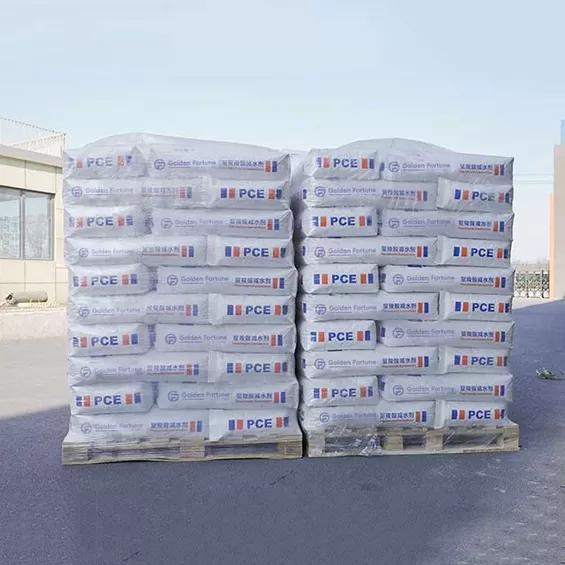
The construction industry constantly seeks better materials and methods. Modern challenges require innovative answers, particularly for concrete, the world's most used man-made material. This is where specialized cement solutions come into play. Among the most effective are those utilizing Ground Granulated Blast-furnace Slag (GGBS or GGBFS). These solutions offer a practical path to stronger, more durable, and more eco-friendly structures. Companies like Golden Fortune are at the forefront, providing high-quality materials that redefine what concrete can achieve.
The Science Behind GGBS and GGBFS in Modern Cement Solutions
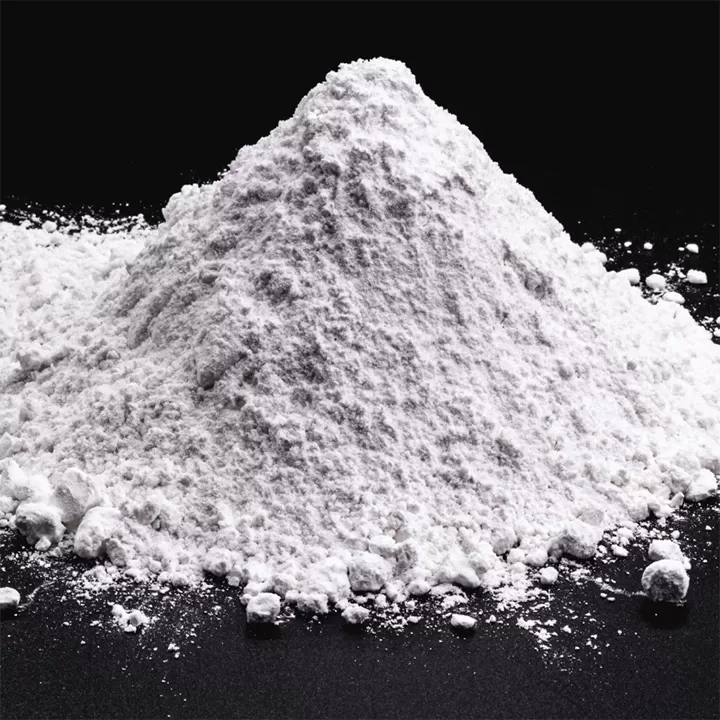
GGBS and GGBFS refer to the same material: a by-product from iron manufacturing. When this slag is rapidly cooled and finely ground, it gains cementitious properties. This means it can partially replace Portland cement in concrete mixes. The result is a significant shift in performance.
Concrete made with these materials undergoes a different hydration process. The reaction is slower and more stable. This leads to several key improvements:
Enhanced long-term strength: Concrete gains strength steadily over a longer period, often surpassing the ultimate strength of ordinary concrete.
Improved chemical resistance: It shows much greater resistance to sulfate attack, chloride ingress, and other corrosive elements.
Reduced heat of hydration: This is critical for large pours, like dams or foundations, minimizing thermal cracking.
These technical benefits form the core of high-performance cement solutions. They address the fundamental weaknesses of traditional concrete. Suppliers such as Golden Fortune ensure the slag is processed to a consistent fineness, which is vital for predictable and reliable performance in the field.
Sustainability: A Core Advantage of GGBS-Based Cement Solutions
Environmental responsibility is no longer optional. The cement industry is a major contributor to global CO2 emissions. Integrating GGBS directly tackles this issue. For every tonne of Portland cement replaced, approximately one tonne of CO2 emissions is avoided.
This makes slag-based blends one of the most effective green cement solutions available today. The sustainability benefits extend further:
It utilizes a by-product that would otherwise require landfill disposal.
It reduces the demand for virgin limestone quarrying.
It contributes to longer-lasting structures, reducing the need for future repairs and rebuilds.
Choosing these materials helps projects earn points in green building certification systems like LEED and BREEAM. It is a clear step toward sustainable construction without compromising on quality.
Practical Applications and Performance Benefits
Where are these advanced cement solutions most valuable? Their use is widespread across critical infrastructure. Marine structures, such as ports and sea defenses, benefit immensely from the improved resistance to seawater and chlorides. Underground foundations and basements gain protection from sulfate-rich soils.
Major infrastructure projects also rely on these blends. The low heat generation is essential for constructing large dams, wind turbine bases, and thick retaining walls. In urban settings, they are used for durable bridges, wastewater treatment plants, and high-rise buildings. The improved finish and reduced risk of efflorescence are additional advantages for architectural concrete.
Performance is consistent when sourced from reliable producers. Golden Fortune provides materials that meet international standards, ensuring engineers and contractors can specify them with confidence for these demanding applications.
Selecting the Right Supplier for Your Project
Not all GGBS is the same. The quality and consistency of the material are paramount. Key factors to consider include the fineness of the grind, chemical composition stability, and the supplier's technical support. A finer material reacts more efficiently, leading to better early and late-stage strength.
A trustworthy supplier will offer more than just a product. They provide:
Detailed technical data sheets and mix design guidance.
Case studies from similar completed projects.
Reliable logistics to ensure just-in-time delivery to site.
This support turns a good material into a complete, reliable solution for the construction team.
The Future of Concrete with Advanced Cement Solutions
The trend toward sustainable and high-performance construction is accelerating. Blended cements using supplementary cementitious materials like GGBS are central to this shift. Research continues to optimize mix designs and explore new applications, pushing the boundaries of what is possible.
These cement solutions represent a mature, proven technology ready for global adoption. They offer a balanced answer to the dual demands of durability and environmental care. As specifications tighten and client expectations rise, having a proven partner becomes essential.
Integrating these materials is a smart choice for any forward-looking project. It builds resilience and responsibility into the very fabric of our infrastructure. Partners like Golden Fortune enable this progress by delivering the high-quality materials that modern construction needs.
Frequently Asked Questions about GGBS Cement Solutions
Q1: What exactly is GGBS/GGBFS?
A1: GGBS stands for Ground Granulated Blast-furnace Slag. GGBFS is the same term, with "Slag" at the end. It is a by-product from iron production that, when finely ground, acts as a cementitious binder. It is used to partially replace Portland cement in concrete, offering enhanced durability and sustainability.
Q2: How does GGBS improve the durability of concrete?
A2: GGBS improves durability by creating a denser, less permeable concrete matrix. This significantly increases resistance to chemical attacks from sulfates and chlorides, reduces the risk of reinforcement corrosion, and minimizes issues like alkali-silica reaction (ASR).
Q3: Is concrete with GGBS slower to set and gain strength?
A3: Yes, the initial setting time can be slightly longer, and early strength gain (e.g., at 1-3 days) may be slower compared to 100% Portland cement concrete. However, the long-term strength (from 28 days onward) typically exceeds that of ordinary concrete. This can be managed with proper mix design and planning.
Q4: What is the typical replacement level in a concrete mix?
A4: Replacement levels commonly range from 30% to 70% of the Portland cement content, depending on the application. For general durability enhancement, 50% is a standard figure. For mass concrete where low heat is critical, replacements can go up to 70% or more.
Q5: Are there any special handling or mixing requirements?
A5: GGBS is handled similarly to Portland cement. It is a powder supplied in bulk or bags. No special equipment is needed. Mixing procedures are standard, but a slightly longer mixing time can ensure better uniformity. Curing is especially important for GGBS concrete to allow for proper strength development and surface hardening.