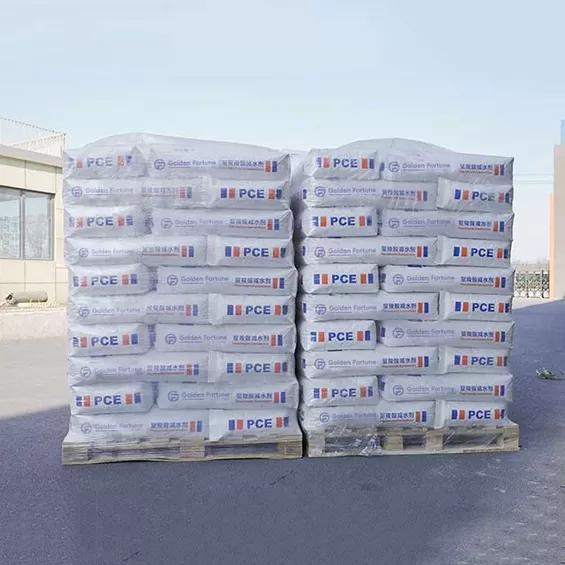
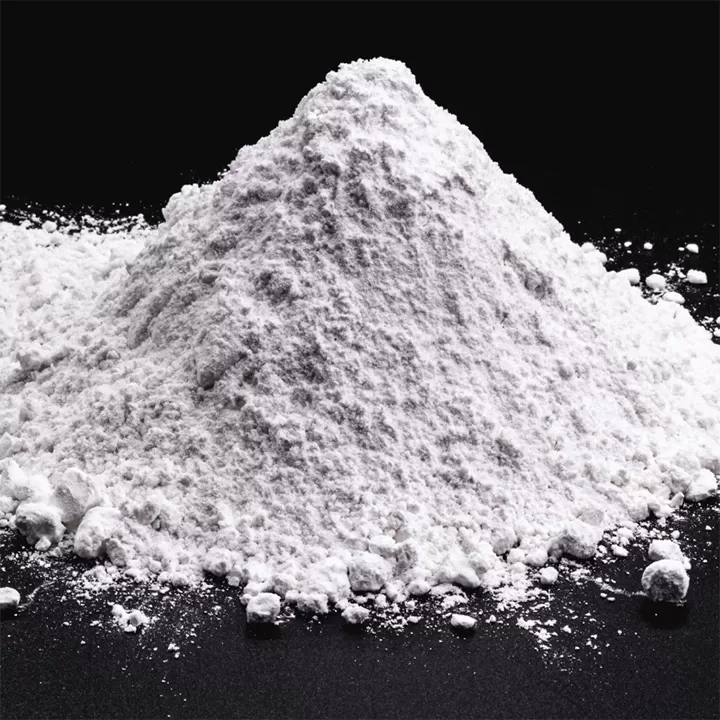
The construction industry faces growing pressure to reduce its carbon footprint. In response, eco cement has emerged as a vital solution. This material leverages industrial by-products like GGBS (Ground Granulated Blast Furnace Slag) to cut emissions and improve durability. Companies such as Golden Fortune are at the forefront, offering advanced products that meet global standards. This article explores the multifaceted advantages of eco cement, focusing on its role in green building practices.
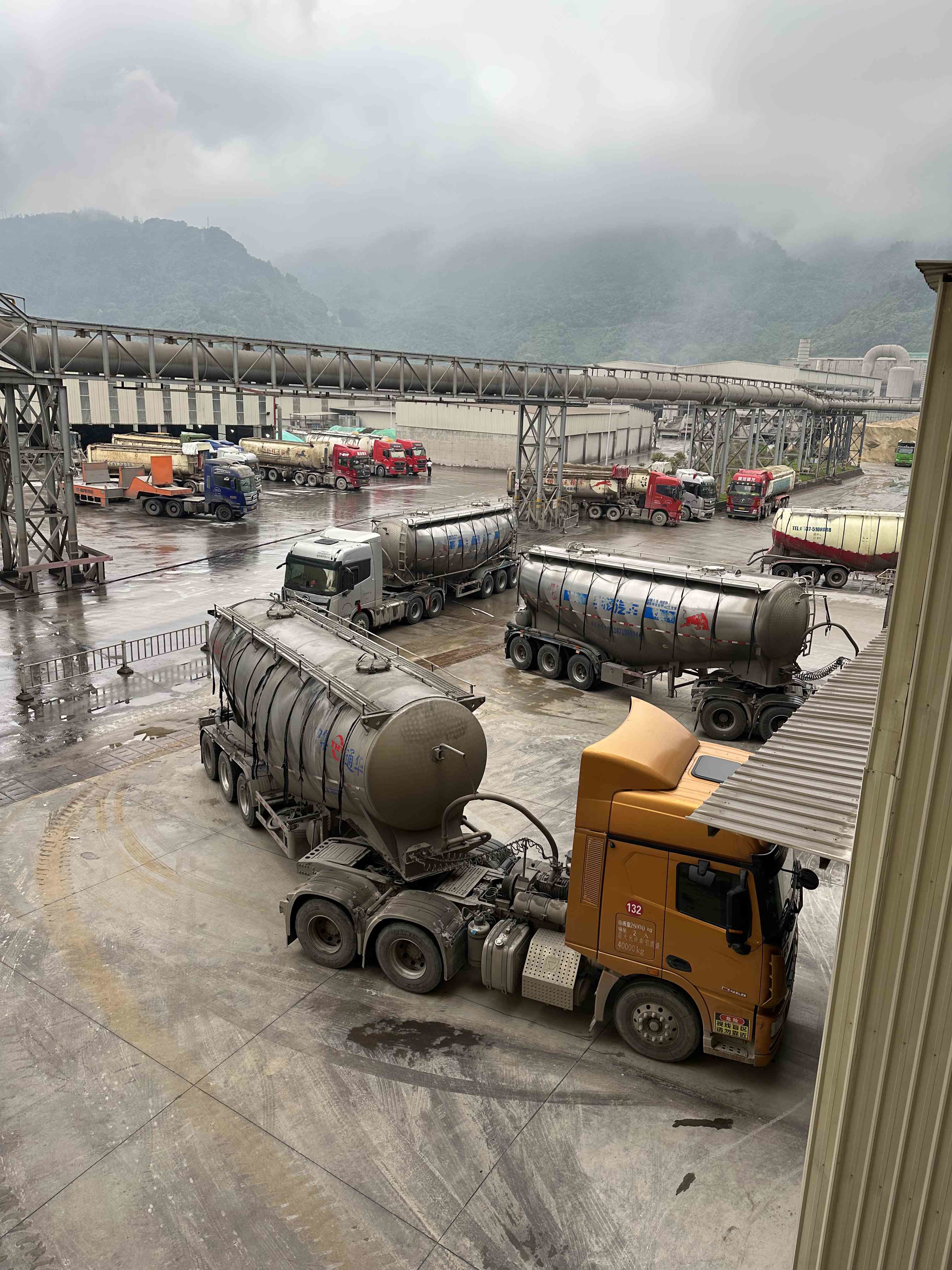
What Is Eco Cement and How Does It Work?
Eco cement is a type of low-carbon binder used in construction. It typically replaces a portion of traditional Portland cement with supplementary cementitious materials. GGBS or GGBFS, a by-product from steel production, is a common ingredient. This substitution reduces the clinker content, which is a major source of CO2 emissions. The result is a durable, high-performance material that supports sustainable development. Engineers favor it for projects requiring strength and environmental compliance. Its production process aligns with circular economy principles, minimizing waste.
Key components of eco cement include:
GGBS/GGBFS: Enhances durability and reduces permeability.
Fly ash: Another industrial by-product that improves workability.
Limestone fines: Helps lower the carbon footprint.
Special additives: Optimize setting time and strength gain.
This blend creates a concrete mix that performs well in various climates. It resists chemical attacks and thermal cracking. Brands like Golden Fortune refine these mixes for optimal results. Their expertise in ultrafine GGBS ensures consistent quality across applications.
The Role of GGBS/GGBFS in Eco Cement Production
GGBS and GGBFS are integral to modern eco cement. These terms refer to the same material: a glassy granular product from quenching molten iron slag. When ground finely, it exhibits pozzolanic properties. This means it reacts with calcium hydroxide to form cementitious compounds. The process significantly cuts greenhouse gas emissions. It also improves the long-term strength of concrete. International standards, such as EN 15167, govern its use in construction. This ensures reliability in infrastructure projects worldwide.
Benefits of using GGBS/GGBFS in eco cement:
Lowers CO2 emissions by up to 50% compared to ordinary cement.
Enhances resistance to sulfate and chloride attacks, ideal for marine environments.
Reduces heat of hydration, minimizing thermal cracks in large pours.
Improves workability and finish of concrete surfaces.
Extends service life of structures, reducing maintenance costs.
The global push for sustainable infrastructure drives adoption. Suppliers provide tailored solutions for diverse needs. This material is a cornerstone of green building certifications like LEED.
Environmental Advantages of Eco Cement
Switching to eco cement offers clear environmental benefits. Traditional cement production accounts for about 8% of global CO2 emissions. Eco cement slashes this number by incorporating industrial by-products. It reduces reliance on virgin raw materials. This conserves natural resources like limestone and clay. The manufacturing process also consumes less energy. Lower kiln temperatures are needed due to the reduced clinker content. This translates to smaller carbon footprints for construction projects.
Additionally, eco cement supports waste valorization. By using GGBS, it diverts slag from landfills. This aligns with global sustainability goals. Builders report fewer environmental impacts during construction. The material contributes to healthier ecosystems over time.
Applications of Eco Cement in Construction
Eco cement is versatile across construction sectors. Its properties make it suitable for demanding applications. Common uses include high-rise buildings, bridges, and dams. The material excels in environments exposed to harsh conditions. For example, coastal structures benefit from its chloride resistance. Infrastructure projects prioritize it for durability and sustainability. Residential construction also adopts eco cement for foundations and slabs.
Notable applications:
Marine structures: Ports, seawalls, and offshore platforms.
Transportation: Roads, tunnels, and railway sleepers.
Commercial buildings: Skyscrapers and industrial floors.
Water treatment plants: Due to corrosion resistance.
Precast elements: Like pipes and panels for faster construction.
Companies like Golden Fortune supply specialized blends for these projects. Their products ensure compliance with international codes. This reliability makes eco cement a preferred choice for engineers.
Technical Performance and Durability
The technical edge of eco cement lies in its enhanced performance. Concrete made with GGBS develops strength gradually. It achieves higher ultimate strength compared to traditional mixes. This is due to the dense microstructure formed by pozzolanic reactions. The material offers superior resistance to chemical attacks. Sulfates and chlorides cause less deterioration. This extends the lifespan of structures, often beyond 100 years. Thermal properties are another advantage. Reduced heat generation during curing prevents early-age cracking.
Key performance metrics:
Compressive strength: Matches or exceeds Portland cement over time.
Permeability: Lower porosity enhances durability against weathering.
Alkalinity: Maintains a protective environment for steel reinforcement.
Shrinkage: Controlled shrinkage reduces deformation risks.
These attributes make eco cement a smart investment. It reduces lifecycle costs through minimal repairs. Builders trust it for critical infrastructure where failure is not an option.
Market Trends and Future Outlook
The market for eco cement is expanding rapidly. Driven by environmental regulations, governments mandate lower emissions. Policies like the European Green Deal incentivize sustainable materials. Asia-Pacific leads in adoption due to urbanization and steel production. GGBS availability supports growth in this region. Innovations focus on improving reactivity and reducing costs. Researchers explore new blends with nanomaterials for better performance.
Future trends include:
Increased use in carbon capture technologies within cement production.
Development of low-carbon standards for global construction projects.
Growth in precast and modular construction using eco cement.
Rising demand from green building certifications worldwide.
Brands such as Golden Fortune are adapting to these trends. They invest in R&D to offer cutting-edge solutions. This positions eco cement as a mainstream choice for future builds.
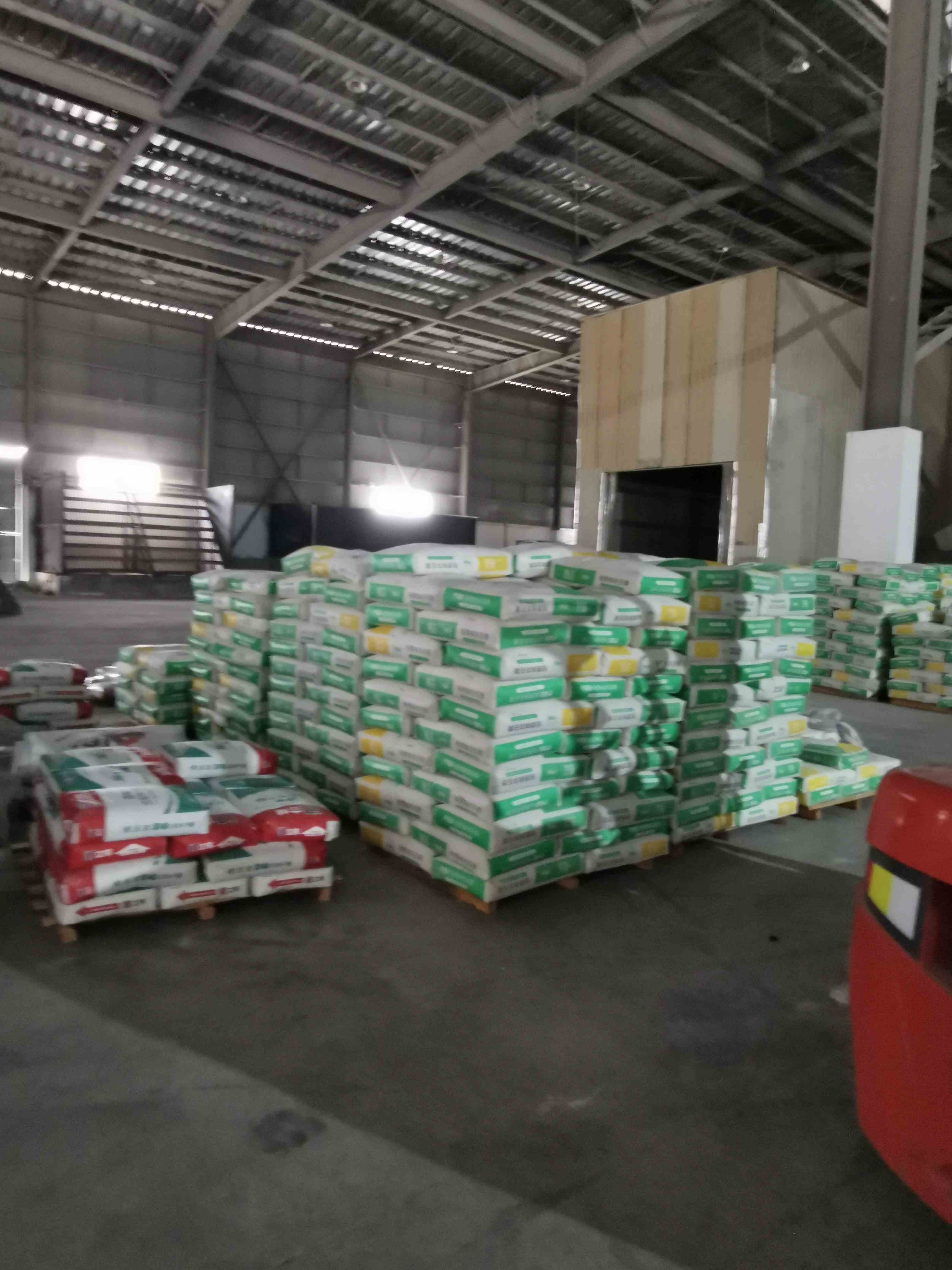
Conclusion: Embracing Eco Cement for a Greener Future
In summary, eco cement represents a significant shift toward sustainable construction. Its benefits span environmental, technical, and economic domains. By incorporating GGBS/GGBFS, it cuts emissions while enhancing durability. The material is already transforming infrastructure worldwide. As regulations tighten and awareness grows, its adoption will accelerate. Industry leaders like Golden Fortune play a crucial role in this transition. They provide reliable products that meet the demands of modern engineering. Embracing eco cement is not just a trend; it's a necessary step for resilient and responsible building practices.
Frequently Asked Questions About Eco Cement
Q1: What exactly is eco cement, and how is it different from regular cement?
A1: Eco cement is a sustainable alternative to traditional Portland cement. It replaces a portion of clinker with materials like GGBS, fly ash, or limestone. This reduces carbon emissions and improves durability. Unlike regular cement, it leverages industrial by-products, minimizing waste and resource use.
Q2: How does GGBS improve the properties of eco cement?
A2: GGBS enhances eco cement by providing pozzolanic reactivity. It forms additional cementitious compounds, increasing long-term strength and reducing permeability. This leads to better resistance to chemicals and weathering, extending the life of concrete structures.
Q3: Is eco cement suitable for all types of construction projects?
A3: Yes, eco cement is versatile and can be used in various projects, including buildings, bridges, and marine structures. However, mix designs may need adjustment based on specific requirements like setting time or strength gain. Consulting with suppliers ensures optimal performance.
Q4: What are the cost implications of using eco cement compared to traditional cement?
A4: Initially, eco cement might have a slightly higher cost due to processing of GGBS. But over the lifecycle, it saves money through reduced maintenance, longer structure lifespan, and potential tax incentives for green building. The environmental benefits often justify the investment.
Q5: How can I ensure the quality of eco cement in my projects?
A5: Source eco cement from reputable suppliers who comply with international standards like EN or ASTM. Look for certifications and test reports. Companies such as Golden Fortune offer consistent quality and technical support for reliable outcomes.