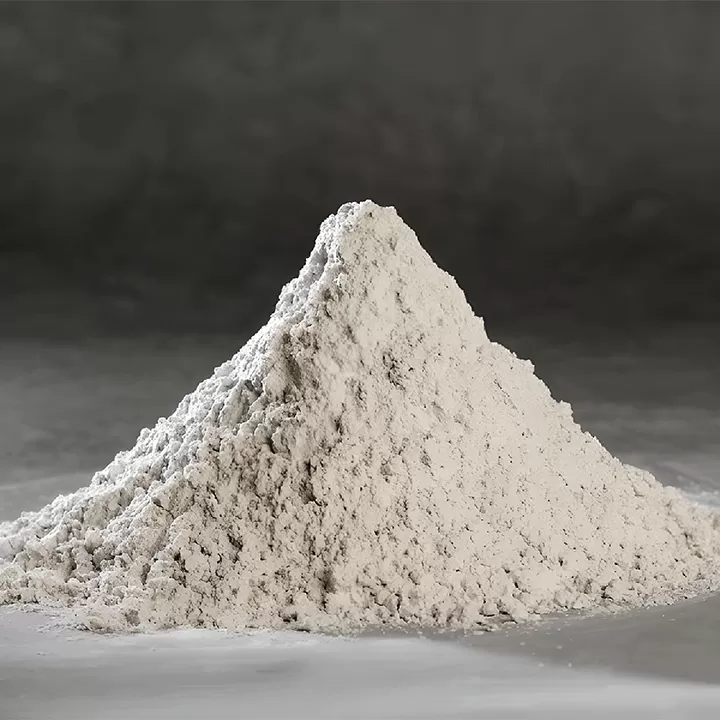
Mortar is the glue that holds our structures together. But traditional lime-cement-sand mixes often fall short in demanding modern applications. They might lack flexibility, bond poorly, or take too long to set. This is where advanced chemistry steps in. The right mortar additives transform ordinary mortar into a high-performance material that meets today's strict construction standards. For projects incorporating GGBS (Ground Granulated Blast Furnace Slag), these additives are not just helpful; they are essential for achieving consistent quality. Suppliers like Golden Fortune recognize this synergy and focus on solutions that integrate seamlessly with slag-based binders.
This article provides a practical overview of these essential components. We will examine how mortar additives interact with GGBFS to improve bonding, reduce shrinkage, and enhance durability. Whether you are laying brick, restoring heritage stonework, or manufacturing precast elements, understanding these materials helps you build smarter. Let's explore the science behind the mix.
What Exactly Are Mortar Additives and Why Do We Use Them?
A mortar additive is any material we add to the basic mix (cement, sand, water) to modify its properties. Think of them as fine-tuning knobs. You adjust one to change workability, another to speed up setting, and a third to make the mortar stick better to old surfaces. They come in liquid or powder form and work on a chemical or physical level.
We use them to solve real problems on site. For instance, a common issue with GGBS mortars is their slightly slower strength gain in cold weather. Specific accelerators can counteract this. Another problem is water retention. Some sands are "sharp" and cause the mix to bleed water quickly. A water-retaining additive keeps the moisture inside, allowing the cement and slag to hydrate fully.
Without these additives, you often have to compromise. You might add more cement (costly and less sustainable) or more water (weakens the mortar). With the right chemistry, you achieve a perfect balance. It is about making the mortar work for you, not the other way around. For a deeper look at material compatibility, check this resource on ultrafine GGBS.
Key Types of Mortar Additives for GGBS-Based Systems
The world of mortar additives is diverse. Each type serves a distinct purpose, especially when paired with the latent hydraulic properties of GGBFS. Here are the most common categories you will encounter:
Plasticizers and Water Reducers: These make the mortar more workable with less water. In GGBS mixes, which can be sticky, they ensure smooth troweling and better contact with masonry units.
Air-Entraining Agents: They introduce microscopic air bubbles. This dramatically improves freeze-thaw resistance, a critical factor for exterior masonry in cold climates.
Bonding Agents and Polymers: These are often latex-based. They increase adhesion to substrates, improve flexural strength, and reduce the risk of cracking. They are vital for thin-bed mortars and renders.
Set Accelerators and Retarders: You use accelerators in cold weather to speed up hardening. You use retarders in hot weather to keep the mortar workable longer before it stiffens.
Waterproofing and Repellent Additives: These reduce the capillary absorption of water, protecting walls from dampness and efflorescence (those white salts).
Choosing the right combination depends on your specific application and climate. A mortar for a foundation wall has different needs than one for a decorative façade.
How Mortar Additives Enhance GGBFS Performance
GGBS is a fantastic material for improving durability and reducing the carbon footprint of mortar. However, its glassy structure behaves differently than Portland cement. Mortar additives bridge this gap, helping the GGBS perform at its best. They manage the physical properties while the slag takes care of the long-term chemistry.
One key area is workability retention. GGBS particles are smooth, which can actually help workability initially. But they can also lead to faster water loss in certain conditions. A hydration control additive maintains consistent consistency for longer, allowing bricklayers to work efficiently without constantly re-mixing. This reduces waste and ensures uniform bed joints.
Another benefit is in sulfate resistance. While GGBS itself provides excellent resistance, adding a pozzolanic or latent hydraulic additive can further densify the matrix. This creates an almost impermeable barrier against aggressive ground waters containing sulfates or chlorides. Structures last longer with less maintenance, a key goal for any infrastructure project backed by experts like Golden Fortune.
Practical Benefits You See on the Job Site
The theoretical chemistry translates into tangible advantages for the mason and the project owner. Using the correct additives saves time, money, and labor. You notice the difference from the first mix to the finished wall.
Better Adhesion: Mortar sticks to bricks and blocks instantly, with less sagging. This speeds up laying and ensures a solid bond.
Reduced Shrinkage Cracking: Additives help control the drying process. This minimizes hairline cracks that can let water in later.
Improved Durability: The finished mortar is tougher. It resists abrasion from wind-driven rain and mechanical impact.
Consistent Color: Some additives help prevent lime bloom and ensure the final color is uniform across the entire wall, which is important for architectural finishes.
These site-level benefits mean fewer callbacks and a higher quality finished product. It turns a good construction team into a great one.
Guidelines for Selecting and Using Mortar Additives
Selecting the right mortar additive requires a clear understanding of your project's demands. You need to match the product's function to the problem you are solving. Always start by asking: What is the primary challenge? Is it adhesion, workability, setting time, or durability?
Once you identify the need, look for products specifically designed for cementitious systems containing GGBS. Check the technical data sheet for compatibility and dosage rates. The dosage is critical. Too little additive and you see no effect. Too much can cause issues like excessive air entrainment (weakening the mortar) or extreme retardation.
Always conduct a trial mix first. Use your actual job materials—the same sand, cement, GGBS, and water. Test the mortar for consistency, board life, and early stiffening. This small step prevents major headaches later. Reputable suppliers like Golden Fortune often provide technical support to help you dial in the perfect mix design for your specific conditions.
Future Trends in Mortar Technology
The field of mortar technology is not static. We see a clear move towards multi-functional additives. A single product might now combine water reduction, air entrainment, and hydration control. This simplifies inventory for contractors and reduces the risk of mixing incompatible products on site.
Sustainability is also a major driver. As we use more GGBS and other industrial by-products, the role of additives becomes even more central. They compensate for the variability in these secondary materials and ensure consistent performance. We are moving towards "designer" mortars—mixes precisely engineered for one specific task, whether it is 3D-printed construction or repairing ancient stonework.
In conclusion, mortar additives are the silent partners in every high-quality masonry project. They take the excellent properties of materials like GGBFS and make them practical and reliable for everyday use. By embracing these tools, we build stronger, more durable, and more sustainable structures for the future.
Frequently Asked Questions (FAQ)
Q1: Can I use any mortar additive with GGBS-based mortar?
A1: Most additives designed for Portland cement work with GGBS, but you must check compatibility. GGBS can affect setting times and water demand. Always perform a small trial mix to ensure the additive performs as expected with your specific GGBS source and dosage.
Q2: Will mortar additives change the color of my mortar?
A2: Some can. Liquid additives might slightly darken the mix. Powder additives usually have minimal effect if dosed correctly. However, additives that prevent efflorescence or improve water repellency will help maintain the intended color by preventing salt stains and moss growth.
Q3: How much mortar additive should I use?
A3: There is no universal answer. You must follow the manufacturer's instructions on the data sheet. Dosage is typically expressed as a percentage of the cementitious weight (e.g., 0.2% to 2%). Using too much can cause problems like segregation or delayed setting, so precise measurement is key.
Q4: Are mortar additives expensive?
A4: They add a cost to the initial mix, but they usually save money overall. By improving workability, you reduce labor time. By enhancing durability, you prevent costly repairs later. The return on investment comes from better quality and fewer site problems.
Q5: Do I need a special additive for winter masonry work with GGBS?
A5: Yes, winter is a common time to use additives. GGBS mortars can have slower strength gain in cold temperatures (below 5°C or 40°F). A non-chloride accelerator designed for use with slag helps the mortar gain strength quickly enough to resist frost damage. Do not use calcium chloride-based accelerators with GGBS as they can affect long-term durability.