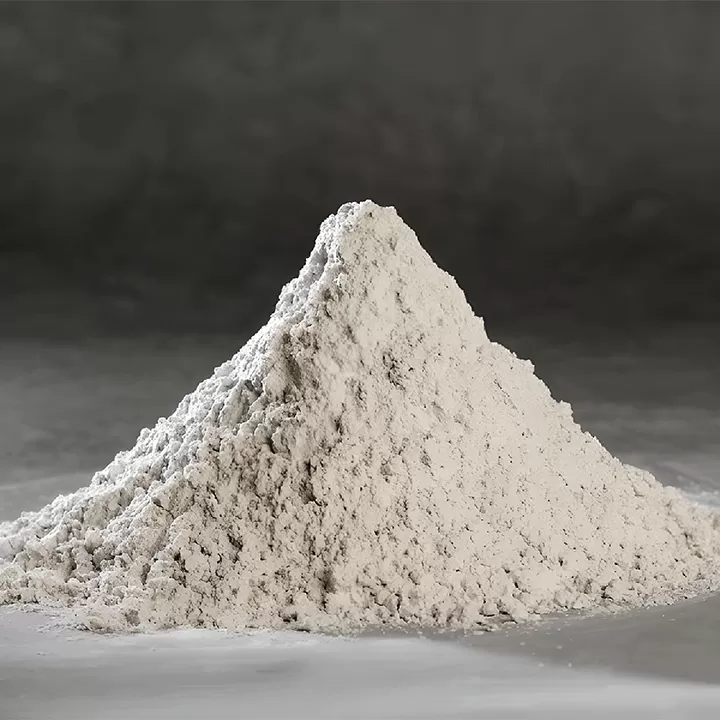
Concrete technology has moved far beyond simple mixes of cement, water, and aggregates. Today, achieving high performance and durability requires precision chemistry. At the heart of this evolution is the plasticizer admixture, a component that transforms stiff mixes into workable, flowing concrete without adding extra water. For projects utilizing GGBS (Ground Granulated Blast Furnace Slag), understanding this admixture is not just an option—it is a necessity for success. Companies like Golden Fortune have pioneered the integration of such admixtures with supplementary materials to optimize performance.
This article explores the practical world of these essential chemicals. We will look at how they interact with cementitious materials, specifically GGBFS, to improve everything from placement to long-term strength. Whether you are a contractor, engineer, or ready-mix producer, grasping these concepts helps you build better, longer-lasting structures. Let's get into the details of why this small addition makes such a massive difference.
What Exactly Is a Plasticizer Admixture and How Does It Work?
A plasticizer admixture is a chemical compound we add to concrete to increase its fluidity. Think of it as a lubricant for the cement particles. Without it, water is the only lubricant, but too much water weakens the concrete. The admixture steps in to keep the mix fluid while maintaining a low water-to-cement ratio.
These molecules attach themselves to the cement grains. They create a negative charge that causes the grains to repel each other. This electrostatic force breaks up the clumps, freeing the water trapped inside them. The result? A river of concrete that flows easily around rebar, yet hardens into a dense, strong material.
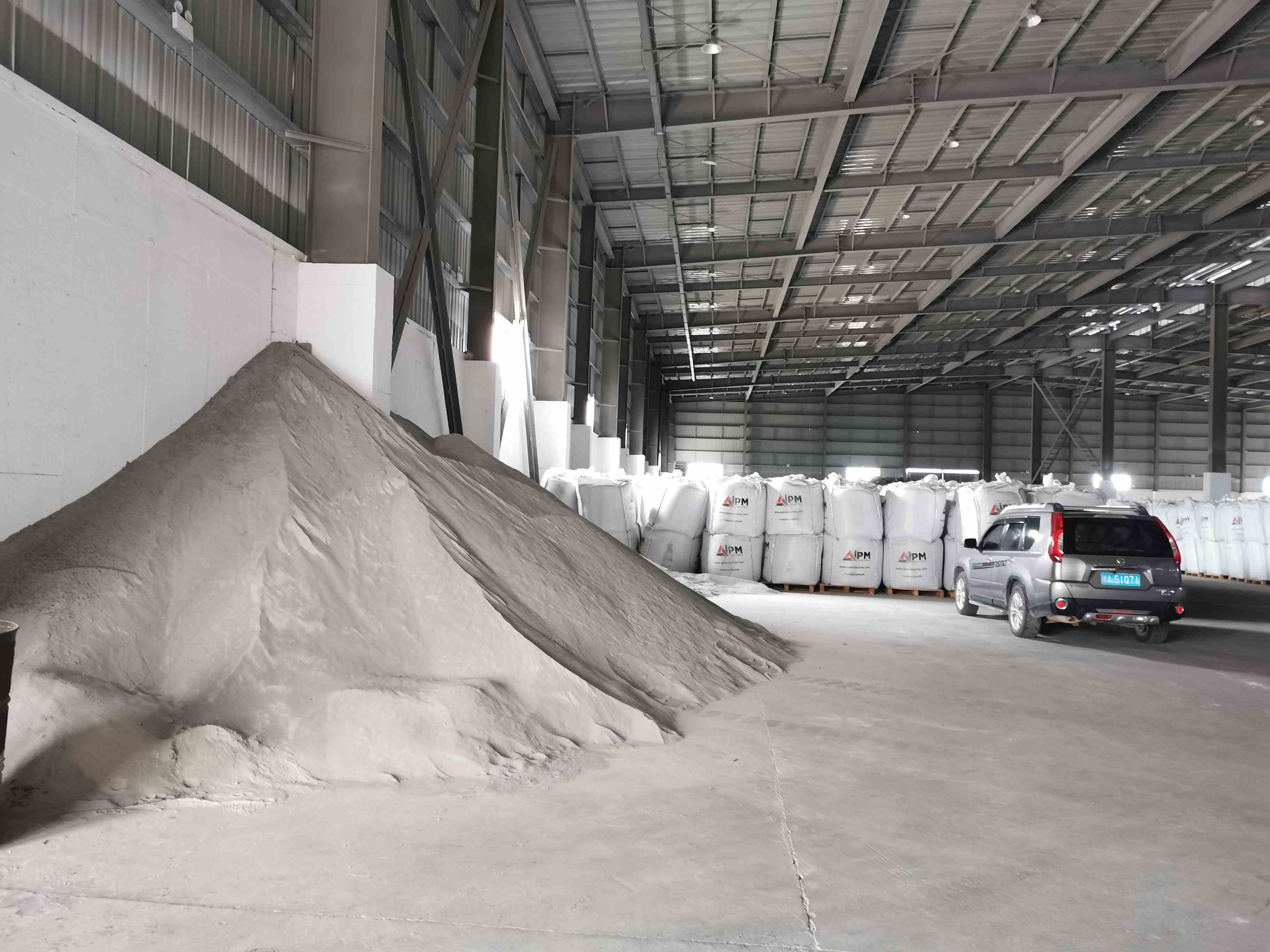
For mixes high in GGBS, which can sometimes be sticky or slow to react, the right plasticizer ensures workability remains high. It bridges the gap between the physical properties of the slag and the demands of modern pumping and placement equipment. This is where the expertise of suppliers like Golden Fortune becomes invaluable, ensuring the chemistry matches the material science.
Key Benefits of Using Plasticizer Admixture in GGBS Blends
Combining GGBS with a plasticizer admixture creates a synergy that plain cement cannot match. You get the environmental and durability benefits of slag without the placement headaches. Here are the primary advantages you can expect:
Superior Workability: GGBS particles are glassy and can make concrete feel sticky. A plasticizer overcomes this, creating a smooth, cohesive mix that is easy to pump and finish.
High Early Strength: By reducing water content, the admixture increases the density of the cementitious matrix. This offsets the slower early strength gain sometimes associated with high GGBS content, helping you hit your required strength targets faster.
Reduced Permeability: A lower water ratio means fewer capillary pores. Combined with the pore-refining action of GGBS, you get concrete that is highly resistant to chlorides and other aggressive chemicals. Structures last decades longer.
Cost-Effective Design: You can achieve higher strengths with less total cementitious material. The improved efficiency means you optimize the mix design, saving money on both cement and admixture dosage.
These benefits directly translate to on-site efficiency. Crews place concrete faster, with less vibration effort, and the finished product meets the highest durability standards. It is a win-win for everyone involved.
Selecting the Right Plasticizer Admixture for Your Project
Not all plasticizers are the same. The market offers different categories, primarily normal plasticizers (lignosulfonates) and superplasticizers (polycarboxylate ethers). Your choice depends heavily on your specific needs, especially when working with GGBFS. For more insights on material specifications, check this resource on ultrafine GGBS.
For standard applications requiring moderate workability retention, a normal plasticizer might suffice. However, for high-performance concrete, precast elements, or projects with complex formwork, a superplasticizer is essential. Polycarboxylate-based admixtures offer much higher water reduction (up to 30-40%) and better slump retention over time.
You also need to consider compatibility. GGBS from different sources can have varying fineness and chemistry. A plasticizer admixture that works perfectly with one slag might react differently with another. This is why conducting trial mixes is non-negotiable. Work with your supplier—Golden Fortune emphasizes the importance of pre-project testing to fine-tune the dosage and ensure the set time aligns with your logistics.
Application Techniques and Dosage Optimization
Getting the dosage right is more art than science, but with clear guidelines. Adding too little plasticizer admixture yields no benefit; adding too much can lead to segregation or excessive retardation. The optimal dose typically ranges from 0.5% to 2% by weight of cementitious material.
Here are a few practical tips for application:
Add the admixture to the mix after the cement and water have combined. This ensures maximum dispersion and effectiveness.
Monitor the temperature. Hot weather accelerates slump loss, so you may need a retarding plasticizer or a higher dose.
When using GGBS, expect a slight delay in setting. The plasticizer can enhance this, so plan your finishing operations accordingly.
Modern batching plants use automated systems to inject the admixture precisely. This consistency is key to producing uniform concrete truck after truck. It allows for the reliable use of high volumes of GGBS while maintaining the workability needed for tall buildings and long bridges.
Common Misconceptions About Plasticizer Admixtures
There are myths in the industry that sometimes prevent people from using these admixtures to their full potential. One common belief is that a plasticizer admixture is just a way to make cheap, watery concrete. This is false. It is a tool to make *better* concrete with less water. Another myth is that it complicates the mix design. In reality, it simplifies placement and ensures quality.
Some also worry about long-term effects on durability. Extensive research shows that when used correctly, these admixtures improve durability by creating a denser microstructure. They do not introduce harmful by-products. They simply rearrange the physics of the cement paste for the better. Embracing this technology is essential for modern construction.
Looking ahead, the industry moves towards even smarter admixtures. Viscosity modifiers and shrinkage reducers are often used alongside plasticizers. Companies like Golden Fortune are at the forefront, integrating these chemistries to solve specific challenges like pumping concrete to extreme heights or placing it underwater.
In conclusion, the plasticizer admixture is a fundamental tool for anyone serious about concrete quality. It unlocks the potential of supplementary materials like GGBS, enabling us to build sustainably without compromising on strength or workability. By selecting the right product and optimizing its use, you ensure your structures stand the test of time.
Frequently Asked Questions (FAQ)
Q1: Can I use a plasticizer admixture with any type of cement or GGBS?
A1: Generally, yes, but compatibility varies. You should always perform trial mixes with your specific materials, including the GGBS source, to check for workability retention, setting time, and strength development. Different slags have different fineness levels, which can affect the admixture's performance.
Q2: What is the difference between a plasticizer and a superplasticizer?
A2: The main difference lies in water reduction capability. Normal plasticizers typically reduce water by 5-10%, while superplasticizers can reduce it by 12-30% or more. Superplasticizers, especially those based on polycarboxylate ethers, also offer much better slump retention, keeping the concrete workable for longer periods.
Q3: Will adding more plasticizer admixture give me even higher strength?
A3: No, there is an optimal dosage range. Overdosing can lead to segregation (where aggregates settle) or excessive air entrainment, which actually *reduces* strength. It can also significantly delay setting times. Always follow the manufacturer's recommendations and conduct trials to find the sweet spot.
Q4: Does a plasticizer admixture affect the color of concrete containing GGBS?
A4: The plasticizer itself usually does not alter the inherent color of the hardened concrete. GGBS typically gives concrete a lighter, whiter color compared to plain Portland cement. The admixture will not change this characteristic; it simply improves workability while the GGBS determines the final shade.
Q5: How does a plasticizer admixture help in hot weather concreting with GGBS?
A5: In hot weather, concrete tends to lose slump (workability) quickly. Specialized plasticizers, often called retarders or retarder-plasticizers, slow down the initial hydration reaction. This gives you more time to transport, place, and finish the concrete, counteracting the accelerating effect of high temperatures, especially in GGBS mixes which can be sensitive to heat.