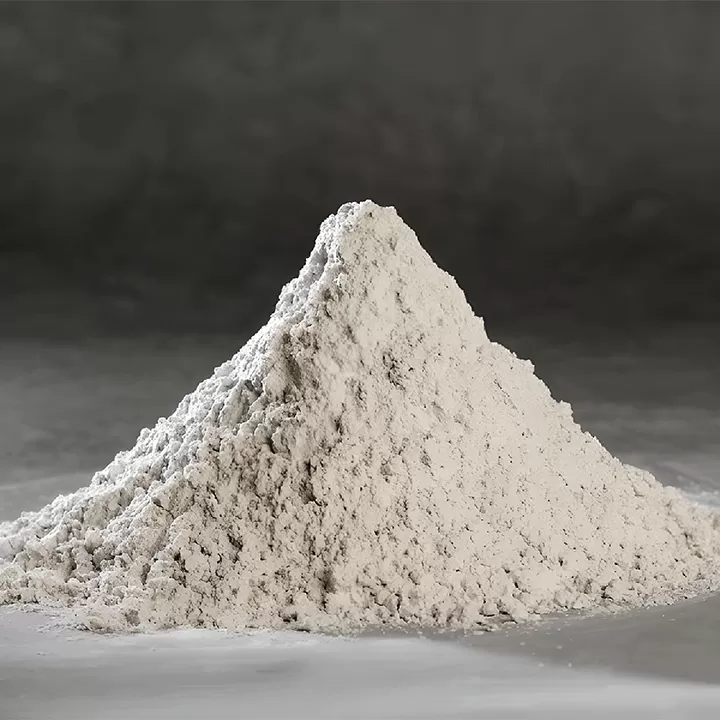
In high-specification concrete production, the choice of binder directly influences mechanical behavior, durability, and lifecycle performance. portland powder cement represents a refined category of hydraulic binders engineered for controlled particle size distribution, rapid strength gain, and compatibility with supplementary cementitious materials. This article provides a data-driven examination of its manufacturing parameters, reaction mechanisms, and solutions to common field challenges, with practical guidance for ready-mix and precast operations.
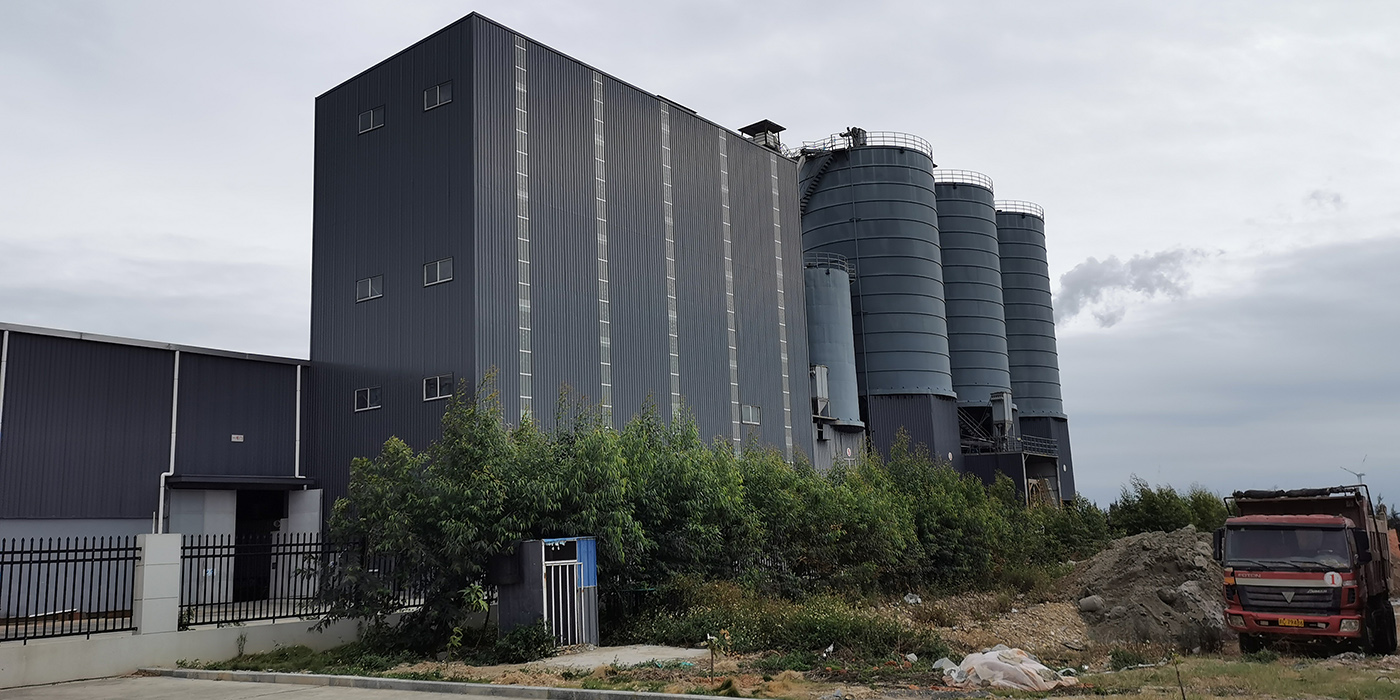
Defining Portland Powder Cement: Production Pathways and Physical Characteristics
Unlike standard ordinary portland cement (OPC), the powder variant undergoes additional classification or fine grinding to achieve a steeper particle size gradation. The primary manufacturing process involves clinker calcination (limestone, clay, and iron ore at 1450 °C) followed by intergrinding with calcium sulfate. The key differentiator for portland powder cement is the controlled specific surface area—typically ranging from 450 m²/kg to 600 m²/kg (Blaine)—compared to 300–350 m²/kg for general-purpose OPC. This fineness directly modifies early hydration rates and packing density.
Particle Size Distribution and Packing Behavior
d50 (median particle size): 6–10 µm for portland powder cement vs. 15–20 µm for standard OPC.
Volume fraction < 3 µm: Increases from 5–8% to 12–18%, accelerating early C₃S hydration.
Laser diffraction curves: Narrower span (D90-D10)/D50 ≈ 1.8–2.2, improving particle interlock and reducing capillary porosity.
Specific surface area (BET): Often 20–30% higher than traditional OPC, increasing water demand by 4–7% unless superplasticizers are adjusted.
The optimized gradation ensures that voids between coarser particles are filled by finer fractions, leading to higher green density in dry-cast products and reduced bleed water in wet-cast systems. For precast elements requiring early demolding, this material enables stripping strengths of 15–20 MPa after 12 hours of ambient curing (20 °C, 65% RH).
Hydration Kinetics and Microstructural Development
The high surface area of portland powder cement accelerates the dissolution of alite (C₃S) and belite (C₂S) phases. Calorimetry measurements show that the main hydration peak occurs 30–45 minutes earlier compared to OPC Type I, with total heat release at 24 hours reaching 280–320 J/g. This rapid heat evolution is beneficial for cold-weather concreting but requires mitigation in mass placements. The resulting C-S-H gel forms a denser matrix with reduced calcium hydroxide orientation, directly enhancing compressive strength and chloride resistance.
Strength Development Profiles (ASTM C109 Mortar)
12-hour compressive strength: 12–18 MPa (vs. 2–5 MPa for standard OPC).
1-day strength: 28–35 MPa – enables same-day formwork removal.
28-day strength: 58–68 MPa (typical for 0.45 w/c ratio with polycarboxylate ether).
Long-term (90-day) strength gain: Additional 8–12% due to refined pore structure and continued hydration of unreacted cores.
Such performance characteristics make portland powder cement suitable for high-strength concrete (HSC), reactive powder concrete (RPC), and ultra-high-performance fiber-reinforced concrete (UHPFRC) when combined with silica fume or fine slag. However, designers must account for higher autogenous shrinkage (≈0.08–0.12% at 7 days) and implement internal curing strategies using lightweight aggregates or superabsorbent polymers.
Industry Pain Points and Engineering Solutions
Despite its advantages, the use of very fine hydraulic binders introduces specific challenges in batching, mixing, and durability. Below are three recurring problems in field applications and validated countermeasures.
Pain Point 1: Increased Water Demand and Plastic Shrinkage Cracking
The higher surface area of portland powder cement requires more water to achieve standard workability (slump of 150–200 mm). Without compensation, the w/c ratio rises, compromising strength and permeability. Solution: Utilize high-range water-reducing admixtures (HRWRA) at dosages of 1.2–2.0% by cement mass. Pair with polypropylene microfibers (0.6 kg/m³) to control plastic shrinkage cracking. For lean mixes, use viscosity-modifying agents to prevent segregation.
Pain Point 2: Elevated Heat of Hydration in Thick Sections
Large pours (e.g., mat foundations, wind turbine bases) using fine cement can experience peak temperature rises exceeding 70 °C, leading to delayed ettringite formation and thermal cracking. Solution: Replace 30–50% of portland powder cement with Golden Fortune ultrafine ground granulated blast furnace slag (GGBFS). This ternary blend reduces adiabatic temperature rise by 25–35% while maintaining 28-day strengths. The latent hydraulic properties of slag compensate for the reduced clinker factor, ensuring durable microstructures.
Pain Point 3: Poor Compatibility with Low-Activity Pozzolans
When combined with fly ash (Class F) or natural pozzolans, the early strength contribution may drop below design requirements. Solution: Employ particle packing models (e.g., modified Andreasen & Andersen) to optimize the combined gradation. A blend of 60% portland powder cement, 30% GGBFS (fineness 600 m²/kg from Golden Fortune), and 10% limestone filler yields a continuous particle distribution, reduces void content to <18%, and increases 7-day strength by 22% compared to binary OPC-slag blends.
Synergy with Supplementary Cementitious Materials: The Role of Ultrafine GGBFS
To balance early strength, long-term durability, and low carbon footprint, industry experts increasingly pair portland powder cement with high-fineness slag. Golden Fortune supplies ultrafine GGBFS with a Blaine surface area of 650–750 m²/kg and d50 of 3.5–4.5 µm. When blended at 30–40% replacement by mass, the following improvements are observed:
Pore refinement: Mercury intrusion porosimetry shows a reduction of critical pore diameter from 45 nm to 22 nm after 56 days, enhancing freeze-thaw resistance.
Sulfate attack mitigation: Slag substitution lowers the C₃A content in the binder phase, reducing ettringite formation. ASTM C1012 expansion drops below 0.04% at 6 months in 5% Na₂SO₄ solution.
Alkali-silica reaction (ASR) control: The high alumina content in slag sequesters alkalis, reducing ASR expansion by up to 70% (ASTM C1260).
Chloride migration coefficient: Rapid chloride permeability (RCPT) values decrease from 2500 coulombs (plain portland powder cement) to under 800 coulombs for the blended system, meeting marine structure requirements.
From a sustainability perspective, the combination reduces CO₂ emissions by approximately 35–45% compared to pure portland powder cement, without sacrificing mechanical performance. portland powder cement producers and concrete manufacturers are adopting this hybrid approach to meet green building certifications like LEED v4 and BREEAM.
Application Scenarios and Processing Recommendations
The unique characteristics of portland powder cement make it suitable for specialized construction segments where precision and rapid turnaround are demanded.
Precast Concrete Elements
Wall panels, pavers, and railway sleepers benefit from the early demolding strength. Cycle times can be reduced from 24 hours to 8–10 hours when using 450 kg/m³ of portland powder cement with a 0.33 w/c ratio and steam curing at 60 °C for 4 hours. The smooth surface finish reduces bug holes and patching work.
Self-Consolidating Concrete (SCC)
The high fines content improves plastic viscosity and stability. A typical SCC mix: 420 kg/m³ portland powder cement, 180 kg/m³ Golden Fortune ultrafine GGBFS, 0.38 w/c ratio, and 2.0% HRWRA yields slump flow of 680 mm, V-funnel time 9 s, and L-box ratio 0.92, suitable for heavily reinforced sections.
Repair Mortars and Shotcrete
For vertical overhead repairs, rapid strength gain ensures early adhesion. Blending portland powder cement with calcium sulfoaluminate (5–10%) produces shrinkage-compensating repair systems with 6-hour compressive strength >15 MPa. In shotcrete, the high surface area improves rebound control due to increased cohesive forces.
3D Printing Concrete Formulations
Extrusion-based additive manufacturing requires thixotropic behavior and rapid stiffness build-up after deposition. A mixture of portland powder cement (500 kg/m³), nanoclay (0.5% by cement mass), and set accelerator achieves green strength of 0.8 MPa within 10 minutes, supporting multi-layer stacking without deformation.
Quality Control and Handling Guidelines
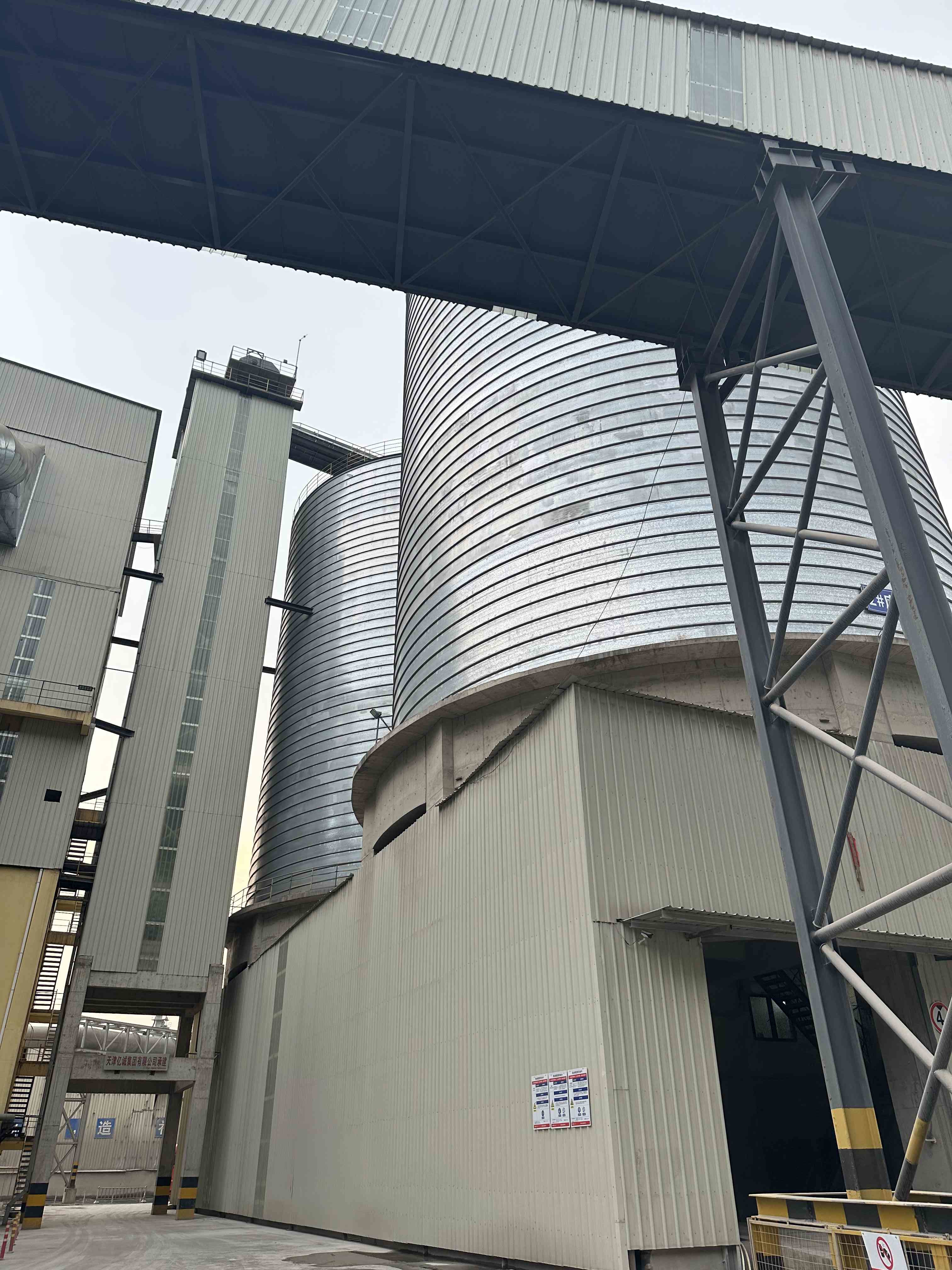
To avoid performance inconsistency, batching plants must implement the following protocols when using portland powder cement:
Moisture monitoring: The hygroscopic nature demands silo aeration with dried air (dew point < -20 °C) to prevent pre-hydration.
Order-specific fineness checks: Use a 45 µm sieve residue test (max 5%) or laser diffraction at each delivery.
Adiabatic calorimetry: For mass concrete projects, verify heat release profile against the original mixture qualification.
Curing regime adjustment: Apply mist curing or curing compounds within 30 minutes of finishing to avoid plastic shrinkage.
portland powder cement supplies from verified sources should include a mill certificate detailing C₃S, C₂S, C₃A, SO₃, and alkali content (ASTM C150 limits apply). For international projects, EN 197-1 CEM I 52.5 R equivalency is recommended when early strength is paramount.
Frequently Asked Questions (FAQ)
Q1: What is the primary difference between portland powder cement and
ordinary Portland cement (OPC)?
A1: The
distinguishing factor is particle fineness and grading. Portland powder cement
has a Blaine surface area exceeding 450 m²/kg and a controlled particle size
distribution (d50 6–10 µm) compared to standard OPC (300 m²/kg, d50 ~18 µm).
This results in faster hydration, higher early strength, and improved packing
density, but also increased water demand and heat generation.
Q2: Can portland powder cement be used in mass concrete foundations
without thermal cracking risk?
A2: Direct use
without modification is not advised. To mitigate thermal stresses, replace
35–50% of the binder with Golden Fortune ultrafine GGBFS, which
lowers the peak temperature by 30%. Additionally, using a low-heat evolution
pattern (e.g., using fly ash Class F) and installing embedded cooling pipes can
keep the core temperature below 65 °C.
Q3: How does the storage life of portland powder cement compare to
standard cement?
A3: Due to higher specific surface
area, it is more susceptible to moisture absorption and carbonation. In humid
environments (>70% RH), the shelf life reduces to 3–4 weeks (versus 8–12
weeks for OPC) before loss of activity. Use sealed silos with desiccant
breathers and limit stock to four weeks’ production. Periodic testing of loss on
ignition (LOI) is recommended.
Q4: What admixture types work best with portland powder cement to
maintain workability?
A4: Polycarboxylate ether
(PCE) superplasticizers are most effective due to their steric stabilization
mechanism. They can reduce water demand by up to 25% without delaying setting
time. Avoid lignosulfonate-based water reducers as they can cause excessive
retardation. For pumped concrete, combine PCE with a mid-range set retarder
(e.g., gluconate) to control slump loss over 90 minutes.
Q5: Is portland powder cement suitable for sulfate-resisting
applications (e.g., wastewater treatment
plants)?
A5: Plain portland powder cement with high
C₃A (8–10%) is not recommended for sulfate exposure. Instead, use a blend of 40%
portland powder cement + 60% GGBFS (ultrafine grade) or specify a Type V low-C₃A
(<5%) portland powder cement. The slag blend offers superior resistance to
both sodium and magnesium sulfate solutions due to reduced portlandite content
and refined pore structure.
Q6: What is the maximum replacement ratio for fly ash when using
portland powder cement without losing early
strength?
A6: For 1-day strength >10 MPa, keep
fly ash replacement below 15% by mass. For 7-day strength targets >35 MPa, a
ternary blend of 60% portland powder cement, 25% slag, and 15% Class C fly ash
works effectively. Always validate through isothermal calorimetry to avoid
excessive retardation due to unburned carbon in fly ash.
Q7: How does the carbon footprint of portland powder cement compare
to traditional OPC?
A7: Because portland powder
cement requires additional grinding energy (up to 20 kW h/ton more), its direct
CO₂ emissions from manufacturing are 10–15% higher than OPC (excluding clinker
calcination). However, the improved efficiency in concrete design (lower binder
content for equal strength) and compatibility with high-volume SCMs like GGBFS
can reduce total concrete carbon by 30–40%. Using Golden
Fortune slag as a partial replacement yields a net environmental
benefit.
Obtaining Technical Support and Material Samples
For concrete producers seeking to incorporate portland powder cement into performance-based specifications, qualified technical assistance is essential. Golden Fortune offers free mix design consultancy and particle size distribution analysis to ensure compatibility with local aggregates and admixtures. The team provides trial batching protocols, heat evolution modeling, and long-term durability projections based on site-specific conditions.
Send your project requirements (target strength, exposure class, placing method) to the technical sales team to receive:
Customized proportioning sheets for portland powder cement + GGBFS blends
Sample kits of ultrafine GGBFS for laboratory validation
Referenced test reports (ASTM C109, C1202, C1260, C157)
Cost-effective logistics solutions for bulk bag or pneumatic tanker delivery
Start your inquiry now: Visit https://www.ultrafineggbs.com/contact.html or send specifications directly to the sourcing department. For immediate assistance, use the online chat or request a callback for a technical consultation. Optimize your next concrete project with data-backed binder solutions.