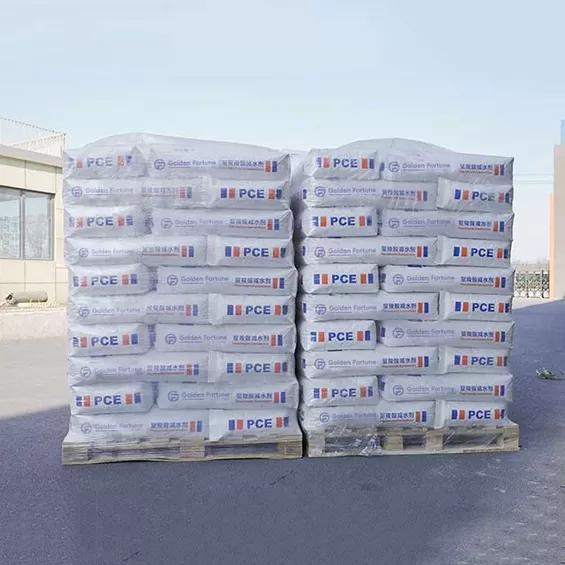
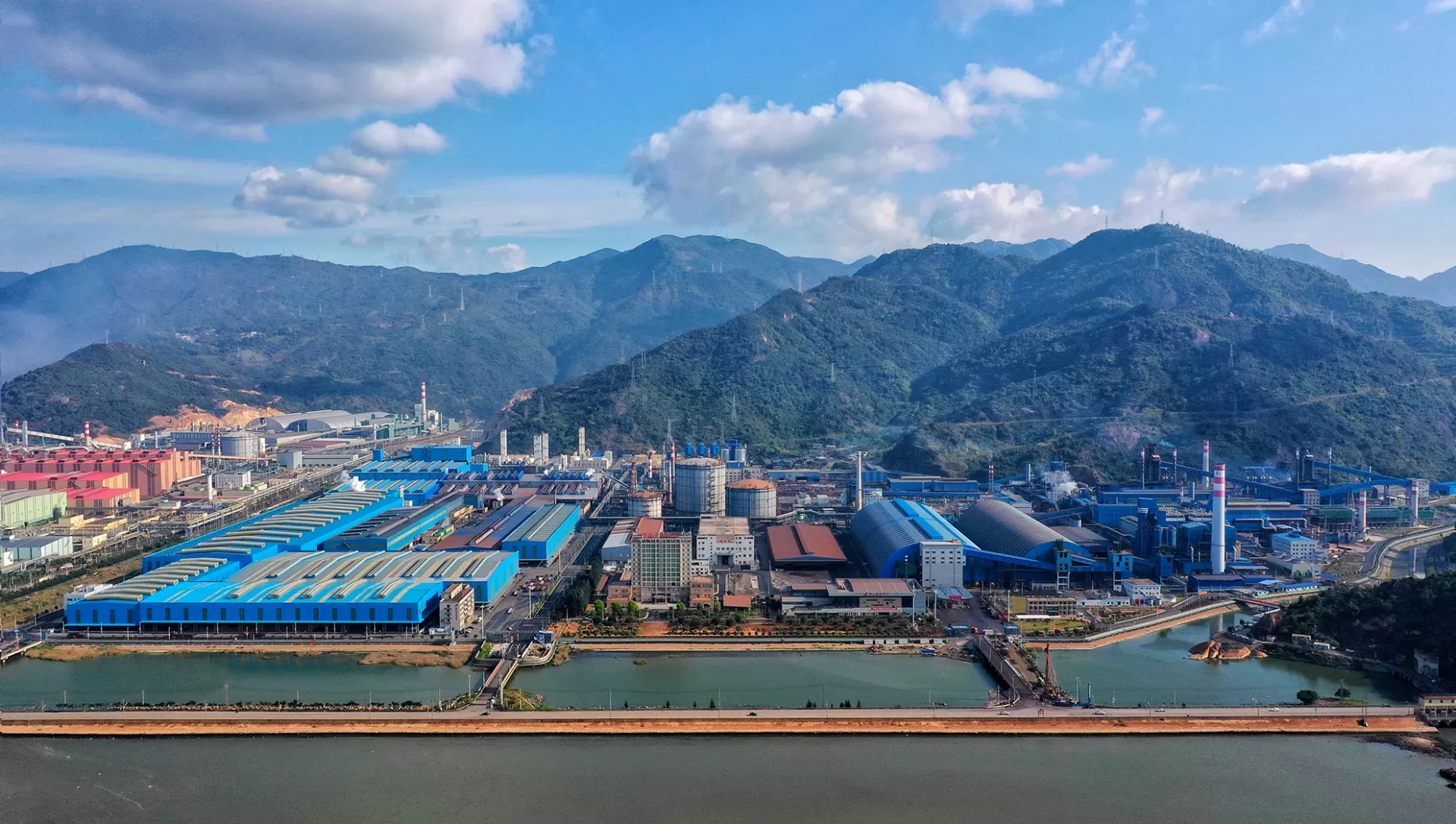
Architectural concrete demands consistent aesthetics and mechanical reliability. Unlike conventional gray cement, white portland concrete relies on feedstocks with extremely low iron (Fe₂O₃ < 0.35%) and manganese (MnO < 0.03%) oxides, delivering high initial whiteness (Hunter L value > 88) and clean surface finishes. However, specifying white portland concrete requires understanding its hydration kinetics, interaction with white aggregates, and long-term color retention under UV exposure. Golden Fortune supplies ultrafine white mineral additives that enhance the compactness and brightness of white cement-based systems, allowing engineers to achieve structural-grade white elements without compromising workability.
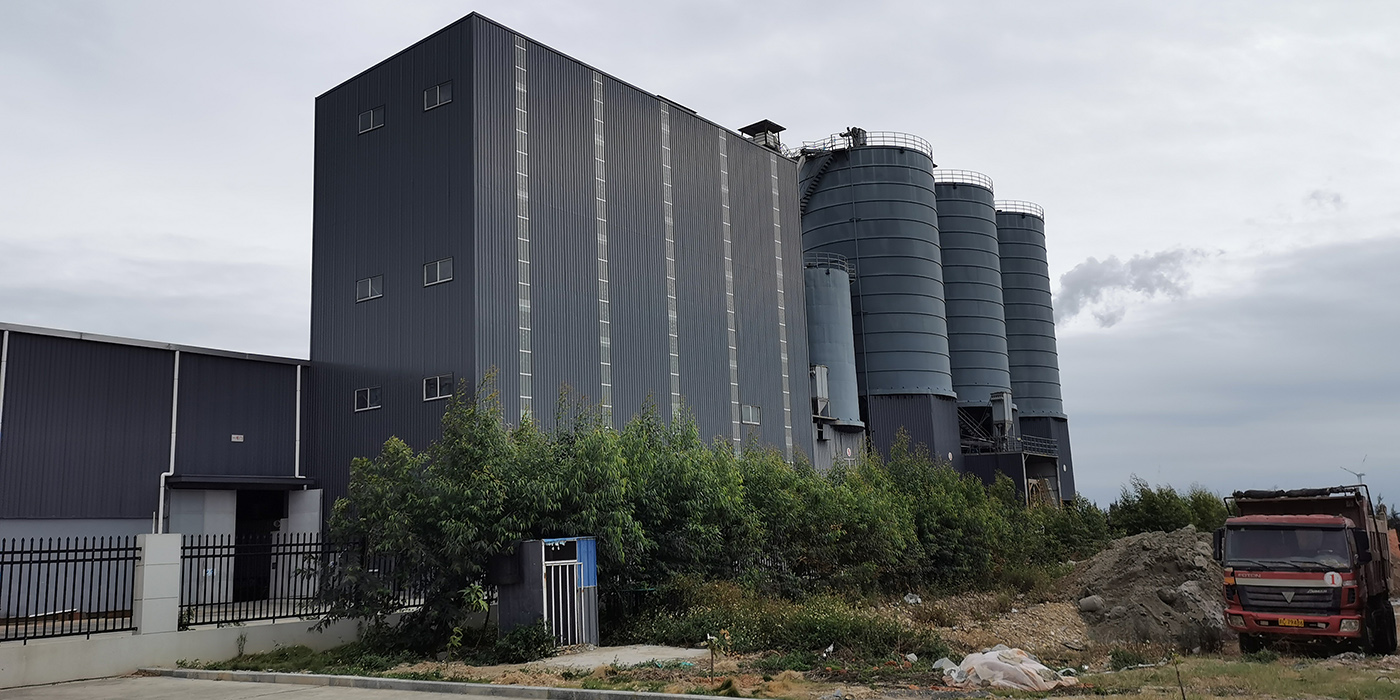
Raw Materials & Chemistry That Define White Portland Concrete Performance
The distinctive whiteness of white portland concrete originates from three production choices: low-iron limestone/clay, oil-based fuel (to avoid fly ash contamination), and rapid water quenching. The resulting clinker contains C₃S (55–65%), C₂S (15–25%), C₃A (5–10%), and C₄AF below 1%. The absence of ferrite phases reduces the heat of hydration by 10–15% compared to gray Type I cement, which influences curing protocols for polished flooring and self-leveling toppings. Key parameters for specifiers:
Whiteness index (ISO 2470-1): > 87% for architectural grade, > 82% for general white concrete.
Blaine fineness: 400–550 m²/kg – finer than gray cement to improve early brightness but requires adjusted water reducers.
Alkali content (Na₂O eq.): kept below 0.6% to prevent efflorescence and staining when combined with white quartz aggregates.
For high-durability applications, white portland concrete blends can incorporate white metakaolin or titanium dioxide (TiO₂) for self-cleaning and bacterial resistance. Golden Fortune has developed a white GGBS (ground granulated blast furnace slag) with Fe₂O₃ below 0.5%, allowing up to 30% replacement without reducing whiteness while improving sulfate resistance for white precast elements.
Application Scenarios: From Museum Facades to Pharmaceutical Floors
Precast Cladding & Architectural Panels
The primary market for white portland concrete remains ventilated facades and exposed aggregate panels. Demands include consistent color across thousands of square meters, low absorption (≤ 6% by volume), and freeze-thaw resistance. A typical mix uses white cement (450 kg/m³), white silica sand, and 10 mm white marble chips. Air content controlled at 4–6% prevents surface blemishes. Challenges: efflorescence from calcium hydroxide migration. Solution: incorporate 8–12% white metakaolin to consume portlandite and seal surface pores. Real-world monitoring shows efflorescence reduction of 85% compared to plain white concrete.
Polished Concrete & Terrazzo Flooring
Polished slabs require high abrasion resistance (ASTM C779 – depth of wear ≤ 0.5 mm). White portland concrete exposed to diamond grinding reveals fine aggregate textures. The binder must have stable setting time to avoid premature grinding. A specified set accelerator (calcium formate) at 0.5% by cement weight can reduce initial set from 4h to 2.5h without altering whiteness. For heavy-duty industrial floors, white steel fibers (zinc-coated) complement the white matrix, resisting corrosion stains that would appear with black steel fibers.
White Concrete for Prestressed Bridge Girders (Aesthetic Infrastructure)
Several Scandinavian pedestrian bridges use white concrete for high reflectivity (albedo > 0.6) to reduce heat island effects. The mix needs high early strength for prestress transfer (35 MPa at 12 hours). Using Type III white cement (ASTM C150) with a water-cement ratio of 0.33 yields 28-day strengths exceeding 65 MPa. Shrinkage-compensating admixtures (CaO-based expansive agent, 5% by cement) control drying shrinkage to below 400 microstrain, preventing microcracking that would expose darker matrix underneath.
Industry Pain Points & Technical Solutions for White Portland Concrete
Pain Point 1 – Yellowing after exposure: UV radiation combined with trace vanadium or titanium impurities in white clinker can induce surface yellowing within 6–12 months. This is accelerated in humid coastal environments. Solution: specify white cement with V₂O₅ < 0.01% and apply a lithium-based surface hardener immediately after demolding. Lithium silicate reacts with free alkalis, stabilizing the white chromophore.
Pain Point 2 – Inconsistent slump retention: Many white cements contain higher C₃A (up to 10%) which adsorbs polycarboxylate superplasticizers rapidly, causing slump loss from 220 mm to 100 mm within 30 minutes. Solution: use a sacrificial polycarboxylate or blend with 10% white GGBS (reduces C₃A content equivalent). Field trials show slump retention improved to 180 mm after 60 minutes with the GGBS blend. Golden Fortune offers a white ultrafine slag that simultaneously improves rheology and brightness.
Pain Point 3 – Spotting due to efflorescence: Even with low alkali cement, calcium carbonate efflorescence can appear on rainy days. Solution involves internal pore blocking: adding 2–3% microsilica (white, SiO₂ > 96%) and curing at 20–25°C for 7 days (avoiding cold curing which delays pozzolanic reaction). For commercial projects, an acrylic-based curing membrane further prevents moisture migration.
Mix Design Methodology for White Portland Concrete (W/C Ratio & Aggregate Selection)
A robust mixture for exposed architectural white concrete follows these steps:
Cementitious content: 380–450 kg/m³ of white portland cement (Type I or III).
White aggregates: 65% white quartz or crushed marble with a combined gradation conforming to ASTM C33. Avoid gray limestone or river sand that contains iron spots.
Water-to-cement ratio: 0.40–0.46 for cast-in-place, 0.35–0.40 for precast (with HRWR).
Titanium dioxide (optional): 5% by cement weight for photocatalytic facades (decomposes NOₓ).
Air-entraining agent: vinsol resin based, adjusted to 4–6% entrained air.
Performance verification includes:
- Compressive strength at 28 days:
45–70 MPa based on w/c.
- Whiteness measured by spectrophotometer: ΔE*ab <
1.5 between reference sample and production unit.
- Water absorption: ≤ 5%
after 7-day water curing.
- Carbonation depth after 1 year (accelerated 4%
CO₂): ≤ 10 mm, ensuring reinforcement cover protection.
Life-Cycle Cost and Environmental Notes
White portland concrete typically costs 1.5–2 times more than ordinary gray concrete due to special raw materials and fuel. However, for exposed surfaces, the elimination of coatings (paints or sealants) often reduces long-term maintenance. Life-cycle assessment: white concrete with 20% white GGBS substitution lowers embodied CO₂ by 17% compared to pure white cement concrete while maintaining whiteness. Several green building certifications (LEED v4, BREEAM) reward the high reflectivity (albedo > 0.6) for reducing building cooling loads.
Frequently Asked Questions (FAQs)
Q1: Can I use white portland concrete for structural elements like
columns and shear walls?
A1: Yes, but ensure that the structural
design accounts for the same elastic modulus and compressive strength as gray
concrete. For a given w/c ratio, white portland concrete reaches similar 28-day
strengths (40–60 MPa). However, the cement is slightly finer, which may increase
drying shrinkage by 5–10%. Use shrinkage-reducing admixtures for large
structural walls.
Q2: How to avoid yellow or grey patches on vertical white concrete
surfaces?
A2: Yellow patches often originate from formwork oils
(avoid diesel-based releases; use water-based white form release agents) or from
non-uniform curing. After stripping, immediately apply a white pigmented acrylic
cure-and-seal. Additionally, test the sand – dark sand particles settle during
casting, causing mottling. Pre-blend white quartz sand with washed white plaster
sand in a 60:40 ratio.
Q3: Does white portland concrete have lower alkali-silica reaction
(ASR) risk?
A3: The low alkali content (Na₂O eq. ≤0.6%) makes white
cement less prone to ASR. However, if reactive aggregates (e.g., opaline chert)
are used, still incorporate a white pozzolan (white metakaolin or white GGBS) at 20–30% replacement. ASTM C1567 tests
show expansion values below 0.10% at 14 days for such combinations.
Q4: What is the recommended curing method to preserve maximum
whiteness?
A4: Moist curing with clean (iron-free) water for 7 days,
followed by air drying. Avoid steam curing above 60°C, which can cause color
inversion (certain manganese compounds oxidize). For cold weather, use insulated
forms and low-temperature accelerators without calcium chloride (chlorides cause
dark stains). After 28 days, apply a penetrating silane-siloxane sealer.
Q5: Can I integrate white portland concrete with self-cleaning
technology?
A5: Yes. Add 5–8% titanium dioxide (TiO₂, anatase form)
by cement weight. Under UV light, TiO₂ generates hydroxyl radicals, decomposing
organic dirt and NOₓ. Several European white concrete facades show self-cleaning
effects lasting 10+ years. The whitening effect remains because TiO₂ itself is
white.
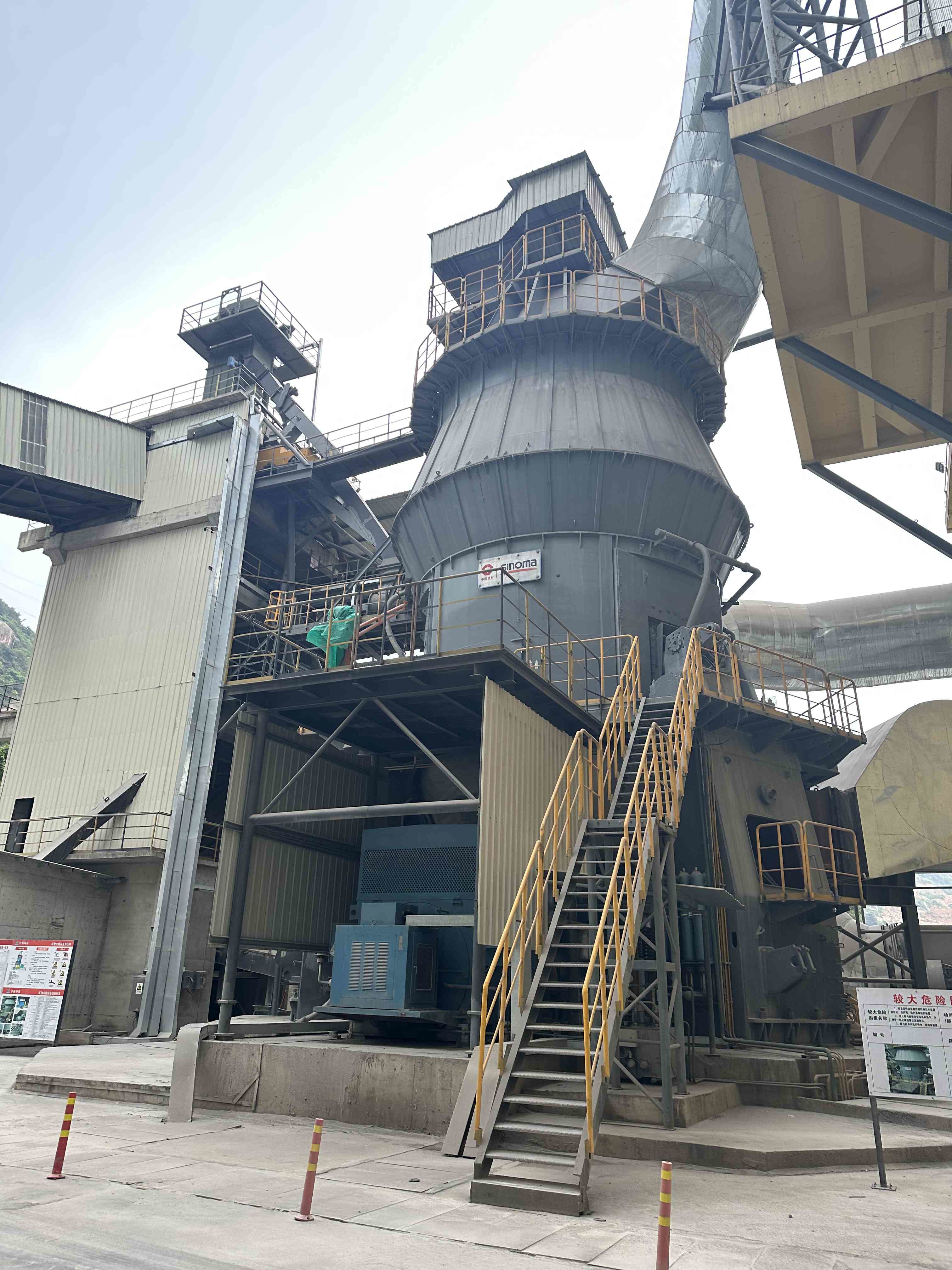
Request Technical Assistance for Your White Concrete Project
Proper specification of white portland concrete requires evaluating local aggregates, formwork materials, and exposure conditions. Golden Fortune provides free mock-up support, white GGBS samples, and chromatic stability modeling. Our engineers can deliver a full mix design optimization report for precast yards or contractors.
→ Submit your project specifications (target whiteness, strength class, exposure environment) to receive a customized white concrete formulation and quotation within 2 business days.
For immediate inquiry, visit Golden Fortune’s technical procurement desk and mention “White Concrete Project” to expedite response.