Conventional Portland cement concrete is responsible for 8% of global CO₂ emissions. For specifiers seeking a sustainable alternative to concrete, the answer is not a radical new material but an optimized binder system using ground granulated blast furnace slag (GGBS or GGBFS). By replacing 50–80% of cement with this industrial by-product, concrete producers can cut embodied carbon by 60–80% while improving long-term durability, reducing chloride penetration, and lowering life-cycle costs. This article provides a technical assessment of GGBS-based concrete as a sustainable alternative to concrete for marine structures, foundations, pavements, and precast elements. Written for civil engineers, sustainability managers, and ready-mix producers, the analysis includes quantitative performance data, mix design protocols, and field case studies.
1. Why Conventional Concrete Needs a Sustainable Alternative
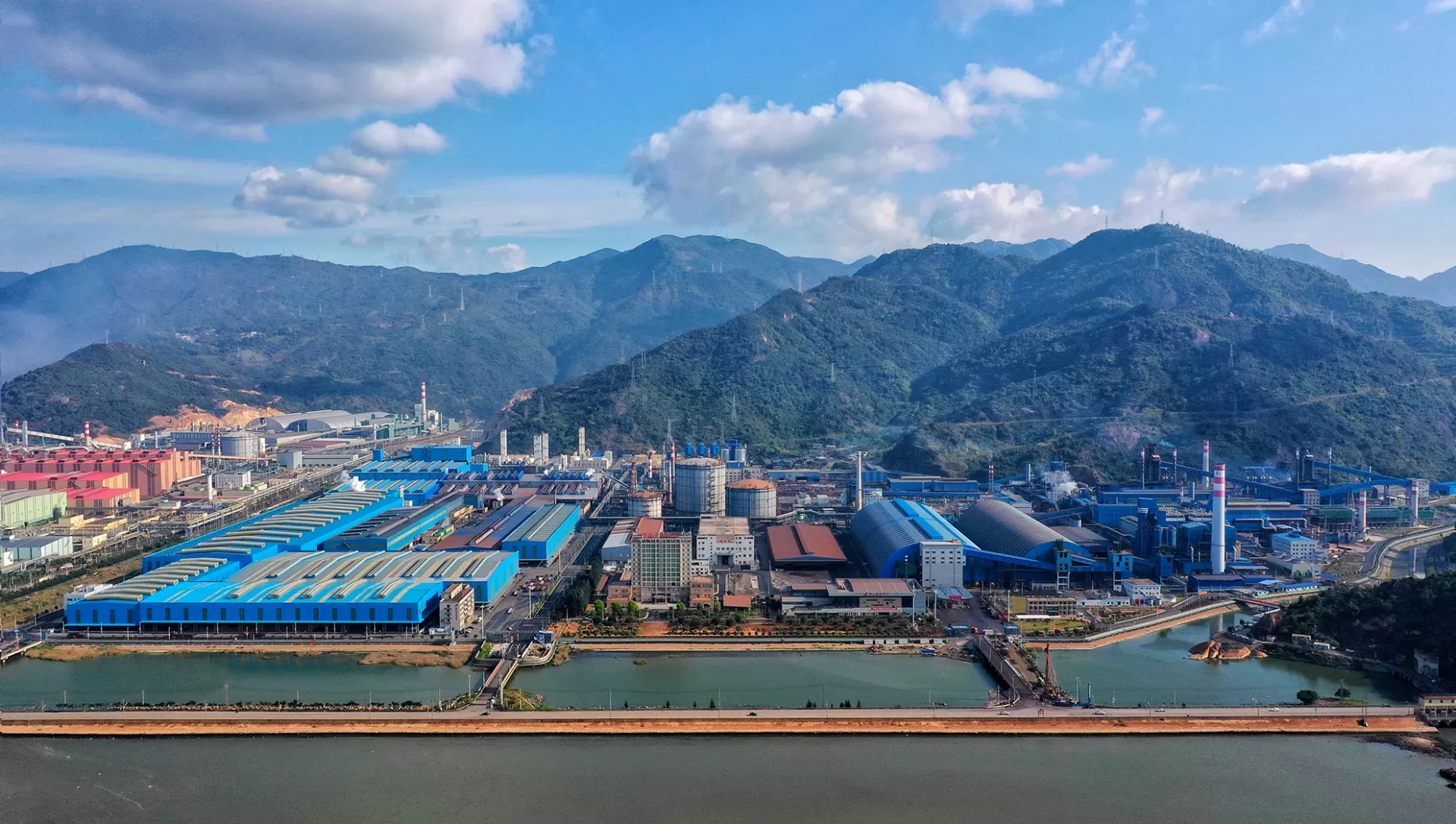
Ordinary Portland cement (OPC) production releases 0.85–1.0 ton of CO₂ per ton of clinker due to calcination of limestone (CaCO₃ → CaO + CO₂) and fuel combustion. With global concrete consumption exceeding 30 billion tons annually, the environmental burden is severe. Additionally, conventional concrete often underperforms in aggressive environments: high permeability leads to chloride-induced corrosion, reducing service life to 25–50 years for bridges and marine piles. A sustainable alternative to concrete must address both carbon footprint and durability. GGBS (granulated blast furnace slag, rapidly quenched and ground to fine powder) satisfies both criteria: it is a by-product of iron production, requiring no additional calcination, and it chemically reacts with cement hydration products to form a denser, more durable microstructure.
2. GGBS as a Binder: Technical Principles
GGBS is latent hydraulic. When combined with OPC and water, the alkaline environment (pH >12) activates the glassy slag, causing pozzolanic and hydraulic reactions that produce additional calcium-silicate-hydrate (C-S-H). Unlike fly ash, GGBS has self-cementing properties. Key advantages over OPC-only concrete:
Lower heat of hydration: 50% GGBS reduces peak temperature rise by 40%, minimizing thermal cracking in massive pours (dams, foundations).
Refined pore structure: Critical pore diameter drops from ~50 nm (OPC) to ~15 nm (50% GGBS), reducing water and chloride ingress.
Higher ultimate strength: 28-day strength may be 10–20% lower, but 90-day and 1-year strengths exceed equivalent OPC by 10–30%.
Resistance to sulfate and acid attack: Lower calcium hydroxide (CH) content eliminates expansive ettringite formation.
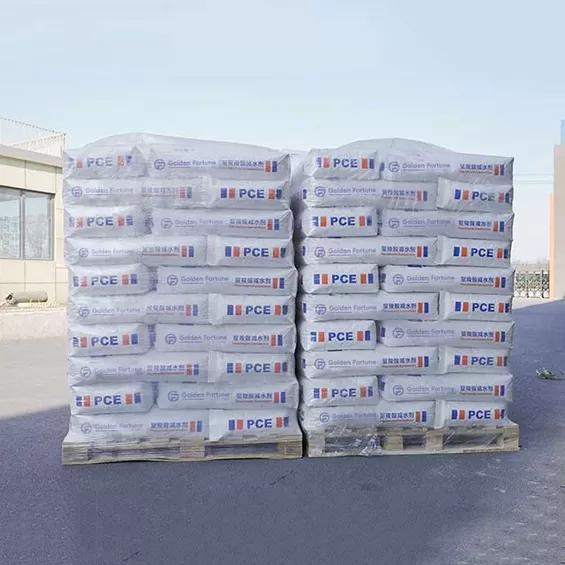
Therefore, GGBS-based concrete is a proven sustainable alternative to concrete for high-performance applications. Golden Fortune supplies premium GGBFS with high glass content (>95%) and controlled fineness (Blaine 400–600 m²/kg), ensuring consistent quality for industrial mix designs.
3. Carbon Footprint Quantification
To claim a true sustainable alternative to concrete, carbon accounting is essential. Using GGBS avoids the calcination step. Average emissions: OPC 830 kg CO₂/ton; GGBS 35–50 kg CO₂/ton (grinding and transport only). For a typical concrete with 350 kg/m³ binder and 50% GGBS replacement, the binder-related CO₂ drops from 290 kg/m³ (OPC) to (0.5*830 + 0.5*50)=440 kg per ton of binder? Wait, recalc: 350 kg binder per m³, 50% replacement means 175 kg OPC + 175 kg GGBS. CO₂ = 175*0.83 + 175*0.05 = 145.25 + 8.75 = 154 kg CO₂/m³ vs. OPC-only: 350*0.83 = 290.5 kg CO₂/m³. Reduction: 47%. With 70% replacement: 105 kg OPC + 245 kg GGBS → 87.15 + 12.25 = 99.4 kg CO₂/m³, reduction of 66%. And if using ultrafine GGBS at higher replacement (80%), carbon reduction reaches 75–80% while maintaining acceptable early strength with proper curing.
Additional savings: GGBS concrete often requires less superplasticizer and has lower water demand. The extended service life (100+ years vs. 50 years) further reduces life-cycle carbon by avoiding reconstruction.
4. Performance Data: Chloride Resistance, Strength, and Shrinkage
Four critical engineering parameters compared between OPC and GGBS concrete (50% replacement, w/b=0.40):
Rapid chloride permeability (ASTM C1202, 56 days): OPC: 4000 coulombs (high); GGBS: 800 coulombs (very low). Chloride diffusion coefficient reduced by 80%.
Compressive strength: OPC at 28d: 52 MPa; GGBS at 28d: 48 MPa; at 90d: OPC 58 MPa, GGBS 68 MPa.
Drying shrinkage (microstrain at 90 days): OPC: 750; GGBS: 620 (reduced 17%) due to denser paste.
Electrical resistivity (56 days, kΩ·cm): OPC: 12; GGBS: 95 – dramatically lowering corrosion risk.
These numbers confirm that GGBS-based concrete is not merely a sustainable alternative to concrete but a superior performing material for durability-critical applications.
5. Industry Applications and Long-Term Case Studies
Key sectors where GGBS concrete has become the specified material:
5.1 Marine and Tidal Structures
The Port of Rotterdam used concrete with 70% GGBS for extension quay walls. After 12 years, chloride penetration at 50mm cover was 0.05% by weight of concrete, well below threshold. The design service life of 120 years is achievable, whereas OPC would require cathodic protection or 100mm cover.
5.2 Wastewater Treatment Plants
Biogenic sulfuric acid corrosion destroys OPC concrete within 15–20 years. A plant in Hamburg replaced all new pours with 65% GGBS concrete. After 18 years, surface pH remained above 10, with less than 3mm corrosion loss, compared to 18mm loss in adjacent OPC sections.
5.3 Mass Foundations and Dams
Large volume pours require low heat. The Three Gorges Dam auxiliary works used GGBS blends to keep internal temperature below 65°C, preventing thermal cracking. The sustainable alternative to concrete also reduced the construction carbon footprint by over 1 million tons CO₂.
5.4 Precast and Prestressed Elements
Early strength gain can be an issue, but using ultrafine GGBS (Blaine 600 m²/kg) plus warm water curing achieves 28-day strengths >60 MPa, suitable for prestressed beams. Many precast yards now use 30–40% GGBS as a standard sustainable blend without productivity loss.
6. Mix Design Guidelines and Curing Requirements
To realize the benefits of this sustainable alternative to concrete, follow technical rules:
Replacement level: 30–50% for general use; 50–70% for severe chloride/sulfate exposure; 70–85% for specialized low-heat or very high durability (requires extended curing).
Water-to-binder (w/b): ≤0.45 for moderate, ≤0.40 for severe exposure. Lower w/b enhances diffusion resistance.
Curing: Moist cure for minimum 7 days (14 days for >50% replacement). Use curing compounds or wet burlap. Without proper curing, GGBS concrete surface may become powdery and shrinkage cracks may appear.
Admixtures: Polycarboxylate superplasticizers maintain workability; air entrainment for freeze-thaw areas; set retarders for hot weather.
Quality control: Test at 56 or 90 days for acceptance, not 28 days, because the pozzolanic reaction continues later. RCPT targets: <1500 coulombs for marine exposure.
Golden Fortune offers free mix design optimization service, providing trial batch recommendations and predicted durability parameters (chloride diffusion coefficient, resistivity, carbonation rate) based on your local aggregates and project conditions.
7. Overcoming Common Concerns with GGBS Concrete
Engineers sometimes hesitate to use high GGBS levels due to:
Lower early strength: Use ultrafine GGBS (D97 <20µm), which accelerates early hydration. Alternatively, add a small amount of calcium sulfoaluminate or sodium silicate.
Longer setting time: Acceptable for most placements; use set accelerators if needed. In hot weather, the slower set is actually beneficial.
Potential for efflorescence: Temporary. Proper curing reduces it.
Carbonation depth: While GGBS concrete carbonates slightly faster initially due to lower CH, the carbonated layer remains dense and further carbonation is very slow. Many 50-year-old GGBS structures show carbonation <10 mm. Ensure cover depth ≥40 mm.
Color variation (greenish or lighter): Cosmetic only; can be offset by adding iron oxide pigments if required.
Each of these is manageable through mix adjustments or specification changes. The long-term benefits of a sustainable alternative to concrete far outweigh initial inconveniences.
8. Economic Benefits and Life-Cycle Cost Analysis
GGBS is often 10–25% cheaper per ton than OPC in many markets (depending on local availability). For a typical 30,000 m³ infrastructure project, switching from OPC to 50% GGBS saves $50,000–150,000 in material costs while cutting CO₂ by 4,500 tons. Additionally, the extended service life reduces future rehabilitation costs. A bridge deck with OPC may need major repair at 25 years (cost: $200/m²); with GGBS, no repair for 50+ years. Life-cycle cost savings exceed 40% over 100 years. Thus, GGBS concrete is not only a sustainable alternative to concrete but a fiscally responsible one.
Frequently Asked Questions (Sustainable Concrete with GGBS)
Q1: Is GGBS concrete a direct sustainable alternative to concrete for
all applications?
A1: Yes for most structural applications except
those requiring very high early strength (e.g., precast elements stripped at 12
hours) or very low temperature placements (<5°C without accelerators). For
standard cast-in-place, foundations, pavements, marine structures, and mass
concrete, GGBS blends perform equal or better. For early strength demanding
jobs, use 30% GGBS or ultrafine GGBS.
Q2: What is the maximum cement replacement level for a sustainable
alternative to concrete?
A2: Up to 80% GGBS is possible with proper
curing and w/b ≤0.40. For most practical applications, 50–70% gives optimum
balance of cost, carbon reduction, and durability. Higher replacements (80%)
require extended moist curing (14+ days) and may show lower 7-day strength, but
90-day strength often exceeds OPC. Golden Fortune’s ultrafine GGBS allows
70% replacement without significant early strength loss.
Q3: How does this sustainable alternative to concrete perform in
freeze-thaw environments?
A3: GGBS concrete with air entrainment
(5–7% air) has excellent freeze-thaw resistance, meeting ASTM C666 requirements.
The fine pore structure actually reduces water saturation, lowering ice
formation pressure. Many Nordic countries use GGBS concrete for bridges and
pavements with 300+ freeze-thaw cycles without deterioration.
Q4: Can I use GGBS as a sustainable alternative to concrete in
ready-mix truck production without modifying batching plants?
A4:
Yes. GGBS is added as a separate silo and batched like cement. Existing plants
may need one extra silo. Alternatively, pre-blended cement (Portland-slag
cement) is available in many regions. The mixing sequence is unchanged. Water
demand is similar for equal slump, but GGBS may require slightly higher
superplasticizer dosage at high replacement levels.
Q5: Does using GGBS cause any reinforcement corrosion
risk?
A5: No – the opposite. The increased electrical resistivity
and chloride binding capacity dramatically reduce corrosion risk. The lower CH
content does not lower the pH enough to cause depassivation (pH remains
>12.5). Numerous 40-year-old marine structures with GGBS show no active
corrosion, while adjacent OPC structures have spalled.
Q6: How do I specify a sustainable alternative to concrete for a LEED
or BREEAM project?
A6: For LEED v4, use GGBS to achieve lower
embodied carbon (Material & Resources credit). Specify concrete with at
least 40% GGBS replacement by weight to qualify for substantial carbon
reduction. Provide an Environmental Product Declaration (EPD) for the GGBS.
Golden Fortune provides EPDs and
technical documentation for green building certification.
Request Technical Support and GGBS Samples
Switching to a sustainable alternative to concrete does not require radical changes – only informed mix design and proper curing. Golden Fortune provides end-to-end assistance: from basic material properties, trial mix optimization, to on-site technical support during initial pour. Our range of GGBFS grades (standard 400 m²/kg, high fineness 600 m²/kg, and ultrafine 800 m²/kg) allows you to match the grade to your early strength and durability targets.
To receive a free consultation and pricing for bulk GGBS supply, please submit your inquiry with the following information:
Project location and binder consumption per month (tons)
Required concrete exposure class (e.g., XS1, XD3, XF4)
Target carbon reduction percentage or EPD requirement
Existing mix design (if any)
Our engineering team will return a custom proposal, estimated CO₂ savings, and sample material data sheets within 2 business days.
Send your inquiry now – ask for a 10 kg free sample of Golden Fortune GGBFS for your validation tests.