In modern construction chemistry, few additives are as indispensable as cellulose ether. Used extensively in dry-mix mortars, tile adhesives, plasters, and self-levelling compounds, cellulose ether functions as a primary rheology modifier, water retention agent, and thickener. This article provides a comprehensive technical analysis of cellulose ether—its chemical mechanisms, performance parameters, application-specific formulation strategies, industry pain points, and quality control protocols. Written for R&D managers, procurement specialists, and technical formulators, the content adheres to the highest standards of E-E-A-T and is anchored in empirical data and practical industry experience.
1. Chemical Structure and Functional Mechanism of Cellulose Ether
1.1 Types and Substitution Patterns
Cellulose ether is derived from natural cellulose through etherification, introducing substituent groups that modify solubility and functionality. The most common construction-grade types include methyl cellulose (MC), hydroxypropyl methylcellulose (HPMC), and hydroxyethyl methylcellulose (HEMC). The degree of substitution (DS) and molar substitution (MS) dictate key properties such as gelation temperature, water retention capacity, and enzyme resistance. For example, HPMC with a methoxyl content of 19–24% and a hydroxypropoxyl content of 4–12% is widely used in cementitious tile adhesives due to its balanced thickening and retarding behaviour.
1.2 Rheological Modification and Water Retention Mechanism
The polymeric chains of cellulose ether interact with water molecules via hydrogen bonding, forming a three-dimensional network that immobilises free water. This mechanism is critical in cementitious systems where high water retention (typically >97% according to EN 13454) ensures prolonged hydration of cement, adequate open time, and reduced risk of cracking. The pseudo-plastic flow behaviour imparted by cellulose ether allows mortars to maintain high viscosity at rest (preventing sag) yet shear-thin during application for easy workability.
2. Critical Performance Parameters in Construction Applications
2.1 Water Retention and Workability
Water retention is the most valued property of cellulose ether. In thin-bed tile adhesives, a water retention rate below 95% can lead to premature water loss into porous substrates, resulting in poor adhesion and cement under-hydration. Premium cellulose ether grades achieve retention values of 98–99% under standard test conditions. Workability is quantified by parameters like flow diameter (for self-levellers) or penetration force; the right viscosity grade (e.g., 40,000–60,000 mPa·s for HPMC in tile adhesives) ensures smooth trowelling without sticking.
2.2 Thickening and Anti-Sag Behaviour
The thickening efficiency of cellulose ether directly correlates with molecular weight and concentration. For vertical applications such as exterior wall insulation finishing systems (EIFS), sag resistance is paramount. Formulations typically incorporate 0.3–0.6% by weight of a high-viscosity HPMC to achieve a yield stress above 30 Pa, preventing flow after application. Synergistic effects with other rheology modifiers like starch ether can further enhance anti-sag without compromising levelling.
2.3 Adhesion Improvement and Setting Time Control
Cellulose ether contributes to adhesion by ensuring adequate cement hydration and by forming a polymer bridge at the interface. However, it can also retard setting due to the adsorption of ether molecules on cement grains. Data from isothermal calorimetry shows that addition of 0.5% HPMC may delay the main hydration peak by 2–4 hours. This retardation must be compensated in cold-weather formulations using accelerators, while in hot climates the extended open time is beneficial.
3. Application-Specific Formulation Considerations
3.1 Tile Adhesives and Grouts
In cementitious tile adhesives (CTA), cellulose ether provides the necessary open time (typically >20 minutes) and slip resistance. Modified grades with faster wettability are preferred for machine-spread applications. For grouts, lower viscosity grades (10,000–20,000 mPa·s) are used to facilitate easy filling of joints while minimising shrinkage.
3.2 Exterior Insulation Finishing Systems (EIFS)
EIFS base coats demand high water retention to ensure adhesion on lightweight panels and to prevent premature drying in thin layers. Cellulose ether with fine particle size (<0.125 mm="">
3.3 Self-Levelling Underlayments and Plasters
Self-levelling compounds require low-viscosity cellulose ether (e.g., 400–1,000 mPa·s) to achieve high flow with minimal segregation. Here, the polymer acts as a stabiliser for fine aggregates and prevents bleeding. In gypsum plasters, cellulose ether controls the hydration rate of calcium sulphate hemihydrate and improves the plasticity of the paste.
3.4 Gypsum-Based Products
In joint compounds and plasters, cellulose ether enhances water retention to prevent rapid suction by porous board surfaces. It also influences air content: some cellulose ether grades entrain microscopic air bubbles, which improve workability and reduce density.
4. Industry Challenges and Solutions with Cellulose Ether
4.1 Ensuring Consistent Quality and Purity
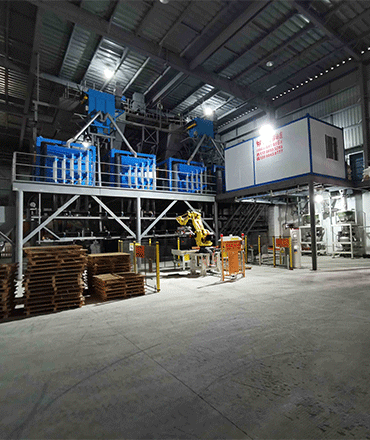
One of the biggest pain points for formulators is batch-to-batch consistency. Variations in substitution degree or molecular weight distribution can dramatically alter mortar performance. Reputable suppliers implement rigorous in-process control, including viscosity testing (Brookfield RVT, 20 rpm, 20°C) and gel point determination. Golden Fortune addresses this through ISO-accredited production and full traceability of raw cellulose sources, ensuring that each shipment meets declared specifications.
4.2 Adapting to Varied Raw Materials and Climates
Cement type (CEM I vs. blended), sand gradation, and ambient temperature all affect the performance of cellulose ether. For tropical environments, higher gel temperature grades (above 70°C) are required to avoid viscosity drop. In winter, faster-dispersing surface-treated grades eliminate lump formation. Tailored solutions from technical partners like Golden Fortune include customised viscosity ranges and substitution patterns to match regional conditions.
4.3 Regulatory Compliance and Sustainability
Cellulose ether used in construction must comply with REACH, RoHS, and local VOC limits. Modern manufacturing processes strive to reduce by-products like glyoxal and to use sustainably harvested wood pulp or cotton linters. Biodegradability of cellulose ether in the environment is an emerging consideration, with research focusing on modification that maintains performance while enhancing end-of-life breakdown.
5. Technical Selection Criteria for Procurement Professionals
5.1 Viscosity Grades and Substitution Degrees
Viscosity (measured as a 2% solution at 20°C) ranges from low (5,000 mPa·s) to ultra-high (200,000 mPa·s). For most tile adhesives, 40,000–60,000 mPa·s is optimal; for plasters, 20,000–40,000 mPa·s. The methoxy/hydroxypropoxy ratio influences gel temperature and salt tolerance, critical for formulations containing large amounts of electrolytes.
5.2 Particle Size and Dispersion Characteristics
Standard grades have particle sizes where 90% pass through a 100-mesh screen. For rapid mixing systems, finer grades (<0.1 mm="">
5.3 Compatibility with Other Additives
Cellulose ether must be compatible with superplasticisers (PCE), retarders (citric acid, tartaric acid), and accelerators (calcium formate). Incompatibility can manifest as viscosity drift or phase separation. Pre-qualification tests using mortar spread and rheometry are essential before large-scale procurement.
6. Quality Assurance and Testing Protocols
6.1 Standard Test Methods (ASTM, EN)
Water retention is measured per EN 459-2 or ASTM C1506, with values expressed as a percentage after vacuum filtration. Viscosity follows ASTM D2364 or Ph.Eur. methods. Loss on drying (typically<5%) and="" sulphate="" ash="" content="">
6.2 In-House Quality Control Measures
Leading manufacturers employ FTIR for identity confirmation, ICP for heavy metals, and microbial limits testing (total plate count). Golden Fortune implements real-time viscosity monitoring during production and provides a certificate of analysis (CoA) with every batch, detailing methoxyl content, hydroxypropoxyl content, and particle size distribution.
7. Conclusion and Expert Recommendations
Selecting the right cellulose ether requires a deep understanding of polymer chemistry, mortar rheology, and application demands. By focusing on key parameters—water retention, viscosity stability, and substitution consistency—formulators can achieve robust, high-performance construction products. Partnerships with experienced suppliers who offer technical support and customised grades ensure long-term success. For procurement professionals, it is advisable to audit suppliers for manufacturing consistency and to request comparative mortar trials before scale-up. The future of cellulose ether technology lies in bio-based feedstocks and smart modification to meet evolving sustainability targets without compromising the exacting demands of modern construction.
Frequently Asked Questions (FAQ)
Q1: What is the difference between HPMC and HEMC in terms of application performance?
A1: HPMC (hydroxypropyl methylcellulose) generally offers higher water retention and a slightly retarding effect, making it ideal for cement-based tile adhesives and plasters. HEMC (hydroxyethyl methylcellulose) provides better workability and improved anti-sag due to its higher pseudoplasticity, but may have slightly lower gel temperatures. The choice depends on the specific balance of open time, sag resistance, and setting behaviour required.
Q2: Can cellulose ether affect the final compressive strength of mortar?
A2: Indirectly, yes. By retaining water, cellulose ether ensures more complete cement hydration, which can enhance strength development. However, if overdosed (above 0.7% by weight of cement), the air-entraining effect and retardation may lead to slightly lower early strength. Typically, well-dosed cellulose ether maintains or slightly improves 28-day strength while greatly improving workability.
Q3: How should cellulose ether be stored to maintain its performance?
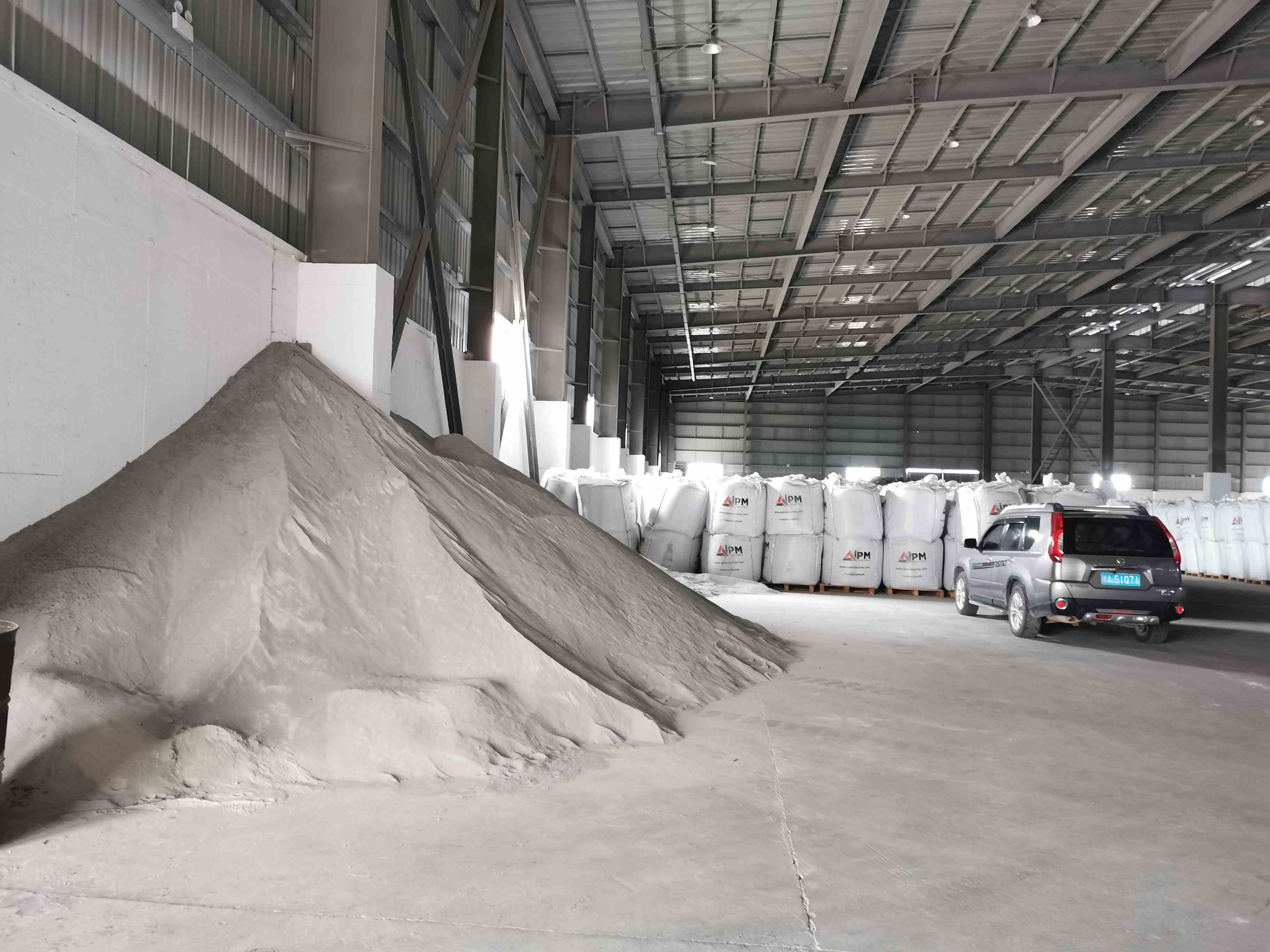
A3: Cellulose ether is hygroscopic and should be stored in a cool, dry environment away from direct sunlight. Original packaging must remain sealed until use. Exposure to high humidity can cause caking and reduced dispersibility. Ideal storage conditions are below 30°C and relative humidity<60%.<>
Q4: Is cellulose ether suitable for both cementitious and gypsum-based systems?
A4: Yes, but with grade adjustments. In gypsum systems, the pH is lower (5–7) compared to cement (11–13). Certain cellulose ether grades maintain stable viscosity across a wide pH range, while others may hydrolyse. It is important to select a grade tested for gypsum compatibility, usually with higher gel temperature and neutral stability.
Q5: What is the typical dosage range for cellulose ether in dry-mix mortars?
A5: Dosage varies by application: for tile adhesives, 0.3–0.6% of total powder weight; for self-levelling underlayments, 0.05–0.15%; for gypsum plasters, 0.2–0.4%. Always refer to the supplier's technical data sheet and conduct trials to optimise for local raw materials.
Q6: How can I test the water retention of a cellulose ether sample quickly?
A6: A simplified filter paper method can be used: prepare a mortar with standard sand, cement, and the cellulose ether. Apply a 1 cm layer on a porous substrate (like brick), place a pre-weighed filter paper on top, apply light pressure, and weigh the paper after 2 minutes. Compare with a reference formulation. For precise results, follow EN 459-2.
For further technical data sheets or sample requests, please contact the experts at Golden Fortune.