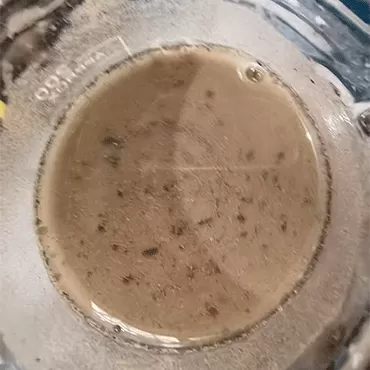
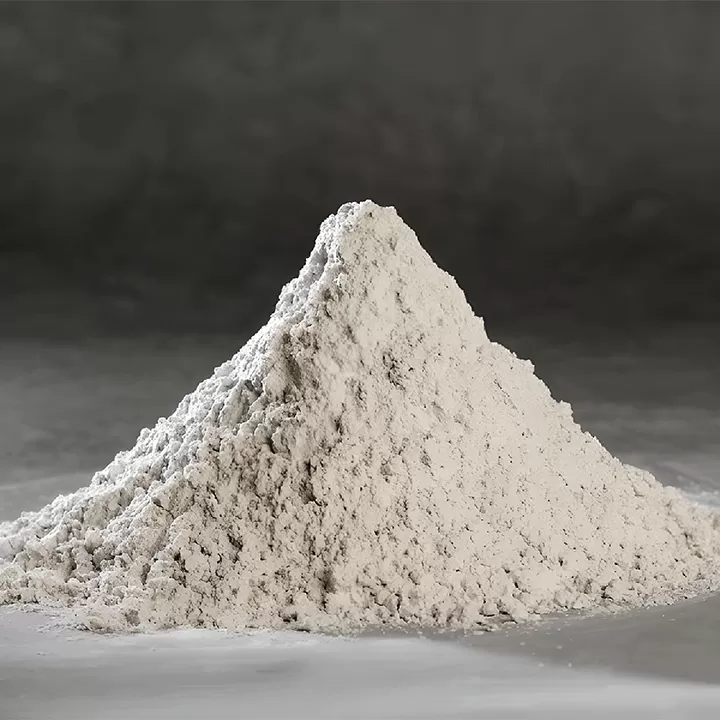
The advent of polycarboxylate ether (PCE) superplasticizers represents one of the most significant advances in concrete technology since the invention of Portland cement. Unlike traditional naphthalene or melamine-based admixtures, PCEs utilize a unique comb-shaped polymer architecture that provides unparalleled water reduction and slump retention. For engineers and concrete producers aiming for high-strength, self-consolidating, or durable concrete, understanding the nuances of polycarboxylate ether is essential. This article examines the chemical fundamentals, performance benchmarks, and practical considerations for using PCEs effectively, with references to industry standards and real-world applications.
1. The Molecular Architecture of Polycarboxylate Ether
The effectiveness of polycarboxylate ether lies in its molecular design. It consists of a anionic backbone (usually acrylic acid-based) with long polyethylene oxide (PEO) side chains grafted onto it. When dispersed in water, the backbone adsorbs onto cement particles, while the side chains extend into the solution. This creates both electrostatic repulsion (due to negative charges) and, more importantly, steric hindrance—a physical barrier that prevents particle agglomeration. Steric stabilization is far more effective than electrostatic repulsion alone, especially in high-ionic-strength cement pore solutions. This mechanism allows PCEs to achieve water reduction rates of 30% to 40% without significant loss of workability, a feat unattainable with earlier generations of plasticizers.
2. Key Performance Indicators for PCE Selection
Selecting the right polycarboxylate ether formulation requires evaluating several critical parameters. Each project may prioritize different aspects based on climate, mix design, and placing method.
2.1 Water Reduction and Strength Development
The primary function of any superplasticizer is to reduce the water-to-cement ratio (w/c) while maintaining flow. High-range water-reducing admixtures (HRWRAs) based on PCE can lower w/c from 0.50 to below 0.30. This directly translates to higher compressive strength. For instance, a concrete mix with 0.35 w/c using a standard PCE can achieve 60–70 MPa at 28 days. However, the molecular weight and side chain density of the PCE influence the rate of hydration. Some PCEs are designed to retard initial set slightly, which is beneficial in hot climates but may be undesirable in precast operations requiring rapid formwork turnover.
2.2 Slump Retention and Rheology
Slump loss over time is a common challenge. Modern polycarboxylate ether products often incorporate “slow-release” or “retarding” mechanisms. These PCEs gradually adsorb onto cement particles over 60 to 90 minutes, maintaining workability for longer periods. For ready-mix concrete deliveries in congested urban areas, this extended slump life is critical. Rheological measurements (yield stress and plastic viscosity) are increasingly used to quantify PCE performance in self-consolidating concrete (SCC). A well-formulated PCE reduces yield stress to near zero, allowing concrete to flow under its own weight.
2.3 Compatibility with Cement and Supplementary Materials
Not all cements respond identically to a given PCE. Factors such as C3A content, sulfate balance, and fineness affect adsorption. Cements with high soluble alkali sulfates may cause competitive adsorption, reducing the amount of PCE available for dispersion. Similarly, the presence of supplementary cementitious materials (SCMs) like fly ash, silica fume, or GGBFS can alter the demand for polycarboxylate ether. For example, mixes with high volumes of GGBFS often require slightly higher PCE dosages due to the finer particle size and higher surface area of the slag. Golden Fortune provides high-quality GGBFS that, when combined with a compatible PCE, produces concrete with excellent workability and long-term durability.
3. Application-Specific Formulations of PCE
The versatility of polycarboxylate chemistry allows manufacturers to tailor PCEs for specific applications. Understanding these variants helps in specifying the correct product.
Standard Type PCE: General-purpose, suitable for most ready-mix and precast concrete requiring moderate slump retention (30–60 minutes).
Retarding Type PCE: Extended slump life (90–120 minutes) for long-haul deliveries or hot-weather concreting. May slightly delay initial set.
Accelerating Type PCE: Designed for precast and cold-weather applications to achieve high early strength without sacrificing ultimate strength.
Viscosity-Modifying PCE: Used in SCC and underwater concrete to reduce segregation and bleeding while maintaining flow.
High-Range Water-Reducing (HRWR) with Low Dosage Sensitivity: Some PCEs are engineered to tolerate slight overdosing without excessive retardation or air entrainment, reducing risks on site.
4. Practical Challenges and Solutions in Using Polycarboxylate Ether
Despite their advantages, PCEs require careful handling and mix design adjustments. The following are common issues encountered in the field and recommended solutions.
4.1 Overdosing and Segregation
Because polycarboxylate ether is so efficient, even a small excess can cause severe segregation or excessive retardation. The solution lies in accurate dosing systems and understanding the saturation point. The saturation dosage is the amount beyond which no further increase in flow is observed; operating near this point maximizes efficiency while minimizing risks. Laboratory trials using a Marsh cone or mini-slump test can establish the saturation dosage for a specific cement-PCE combination.
4.2 Incompatibility with Certain Cements
Some cements exhibit poor workability or rapid slump loss with specific PCEs. This is often due to the form of calcium sulfate used (gypsum, hemihydrate, or anhydrite) and the C3A reactivity. Solution: Use a PCE with a different side chain density or molecular weight, or adjust the addition time (delayed addition often improves performance). Blending the PCE with a small amount of a naphthalene-based superplasticizer can sometimes mitigate incompatibility.
4.3 Temperature Sensitivity
PCE performance varies with temperature. At high temperatures (>30°C), slump loss accelerates, and some PCEs may lose effectiveness. Retarding-type PCEs or higher dosages may be required. Conversely, at low temperatures (<10°c), retardation="" can="" become="" excessive.="" using="" an="" accelerating="" pce="" or="" reducing="" the="" dosage="" of="" retarding="" components="" is="" advisable.="" always="" conduct="" temperature-matched="" trial="" mixes.="">
4.4 Interaction with Other Admixtures
When using multiple admixtures (e.g., air-entraining agents, retarders, accelerators), the order of addition matters. Adding PCE before other admixtures generally ensures better dispersion. However, some air-entraining agents may be less effective in the presence of certain PCEs. Testing for air void stability and spacing factor is recommended for freeze-thaw resistant concrete.
5. Sustainability and Future Trends in Polycarboxylate Ether Technology
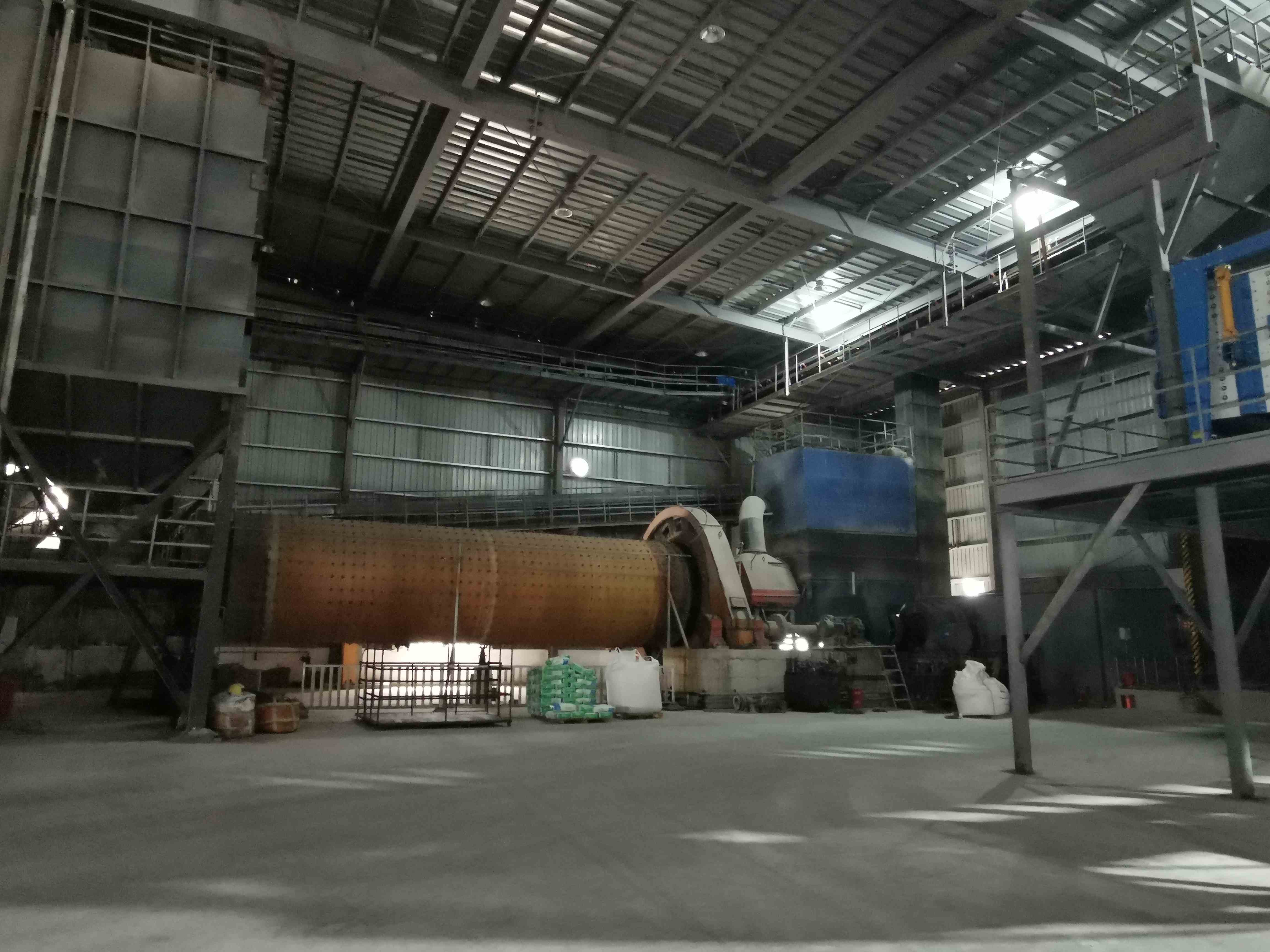
The push for low-carbon concrete is driving innovations in PCE chemistry. Newer polycarboxylate ether formulations are being designed to work efficiently with high volumes of SCMs such as GGBFS, calcined clays, and limestone. For example, ternary blends containing Portland cement, calcined clay, and limestone require PCEs that can disperse the fine clay particles without being consumed by them. Biobased PCEs, where the side chains are derived from renewable resources, are also under development. Additionally, digital tools like rheology models and machine learning are being used to predict PCE performance in complex binder systems, reducing the need for extensive trial batches. Golden Fortune remains at the forefront of this evolution by supplying consistent, high-purity GGBFS that allows PCEs to perform optimally in sustainable concrete mixes.
Frequently Asked Questions (FAQ)
Q1: How does polycarboxylate ether differ from traditional superplasticizers like naphthalene sulfonate?
A1: The main difference lies in the dispersion mechanism. Naphthalene sulfonate (SNF) relies primarily on electrostatic repulsion, which is less effective in the high-ionic environment of cement paste. Polycarboxylate ether (PCE) uses steric hindrance—long side chains that physically keep cement particles apart. This allows PCE to achieve higher water reduction (up to 40%) and better slump retention compared to SNF (typically 15-20% water reduction). PCE also offers more flexibility in molecular design to tailor properties like setting time and viscosity.
Q2: What is the typical dosage range for polycarboxylate ether superplasticizer?
A2: Dosage depends on the desired workability and the specific cement/admixture combination. Typical dosages range from 0.2% to 1.5% by weight of cementitious materials. For standard water reduction (20-30%), 0.3-0.6% is common. For high-range water reduction (30-40%) or self-consolidating concrete, dosages may go up to 1.0-1.2%. It is crucial to determine the saturation dosage through trial mixing; exceeding this can lead to segregation or excessive retardation.
Q3: Can polycarboxylate ether be used with all types of cement, including those with high GGBFS content?
A3: Yes, PCEs are generally compatible with most cements and SCMs. However, performance can vary with cement chemistry. For high-GGBFS mixes, the fine particle size of slag increases water demand, so a slightly higher PCE dosage may be needed. Also, because GGBFS hydrates more slowly, the setting time may be extended; using a PCE with accelerating properties or a combination with a set accelerator can offset this. Golden Fortune GGBFS is engineered with consistent fineness, which helps in achieving predictable PCE performance.
Q4: How should polycarboxylate ether be stored and handled on-site?
A4: PCE is typically supplied as a liquid (20-40% solids content). It should be stored in clean, sealed containers or tanks, protected from freezing and direct sunlight. Freezing can cause irreversible changes to the polymer structure. Ideal storage temperature is between 5°C and 30°C. If frozen, it should be thawed slowly and thoroughly mixed before use. Do not store PCE for extended periods (more than 6 months) without checking manufacturer guidelines, as some formulations may degrade over time.
Q5: Does polycarboxylate ether affect the air void system in air-entrained concrete?
A5: Yes, PCEs can influence air entrainment. Some PCEs may increase the amount of air-entraining agent (AEA) required to achieve a given air content, while others may stabilize air voids differently. It is essential to conduct compatibility tests with the chosen AEA. The spacing factor and specific surface of air voids should be measured according to ASTM C457 to ensure freeze-thaw durability. In many cases, a combined admixture (PCE + AEA) specially formulated for air-entrained concrete is recommended.
Q6: What are the environmental benefits of using polycarboxylate ether?
A6: PCEs contribute to sustainability primarily by enabling the production of high-strength concrete with lower clinker content. By reducing the water demand, they allow for the use of higher volumes of SCMs like GGBFS, fly ash, or limestone, thereby lowering the carbon footprint per cubic meter of concrete. Furthermore, PCEs themselves are used in small dosages, and modern formulations aim to reduce volatile organic compounds (VOCs) and use biodegradable components. Their ability to extend the service life of structures (by reducing permeability) also aligns with sustainable construction principles.