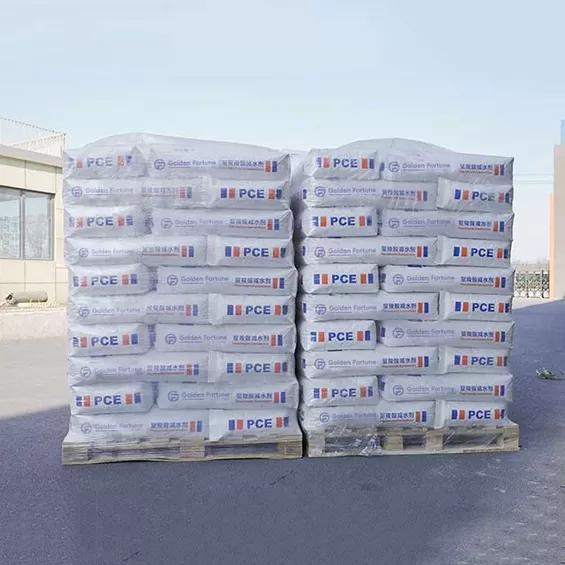
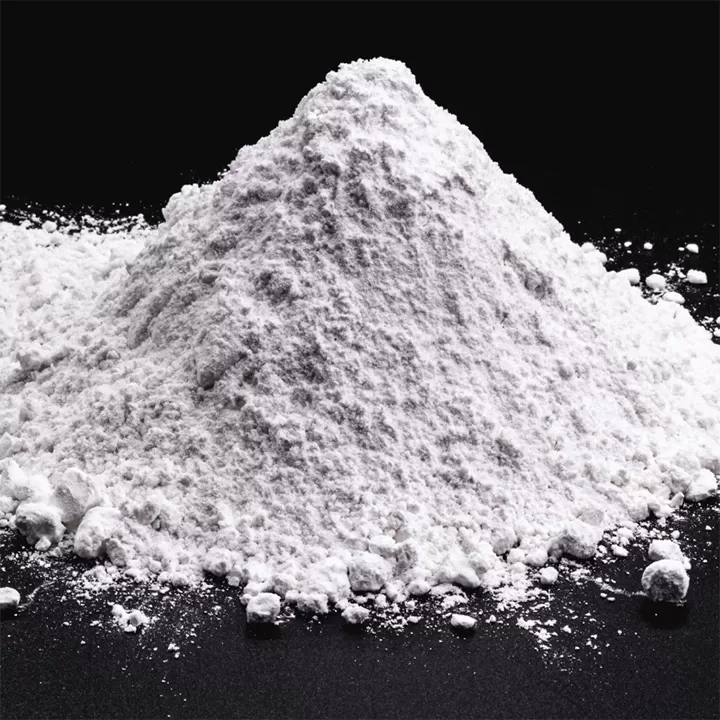
The global portland cement market stands at a critical inflection point. With the construction sector accounting for nearly 8% of global CO₂ emissions, producers and specifiers are facing unprecedented pressure—not only from tightening environmental regulations in the EU and North America but also from volatile raw material costs and shifting infrastructure investment cycles. As an industry, we are witnessing a structural transition: the traditional reliance on ordinary portland cement (OPC) is being re-evaluated in favor of high-performance, low-carbon alternatives. This article provides a granular analysis of current market forces, technical constraints in slag cement integration, and actionable strategies for stakeholders aiming to balance profitability with environmental compliance. Drawing on over a decade of expertise in the GGBS (Ground Granulated Blast Furnace Slag) sector, we examine how the portland cement market is being reshaped by industrial symbiosis and advanced material science.
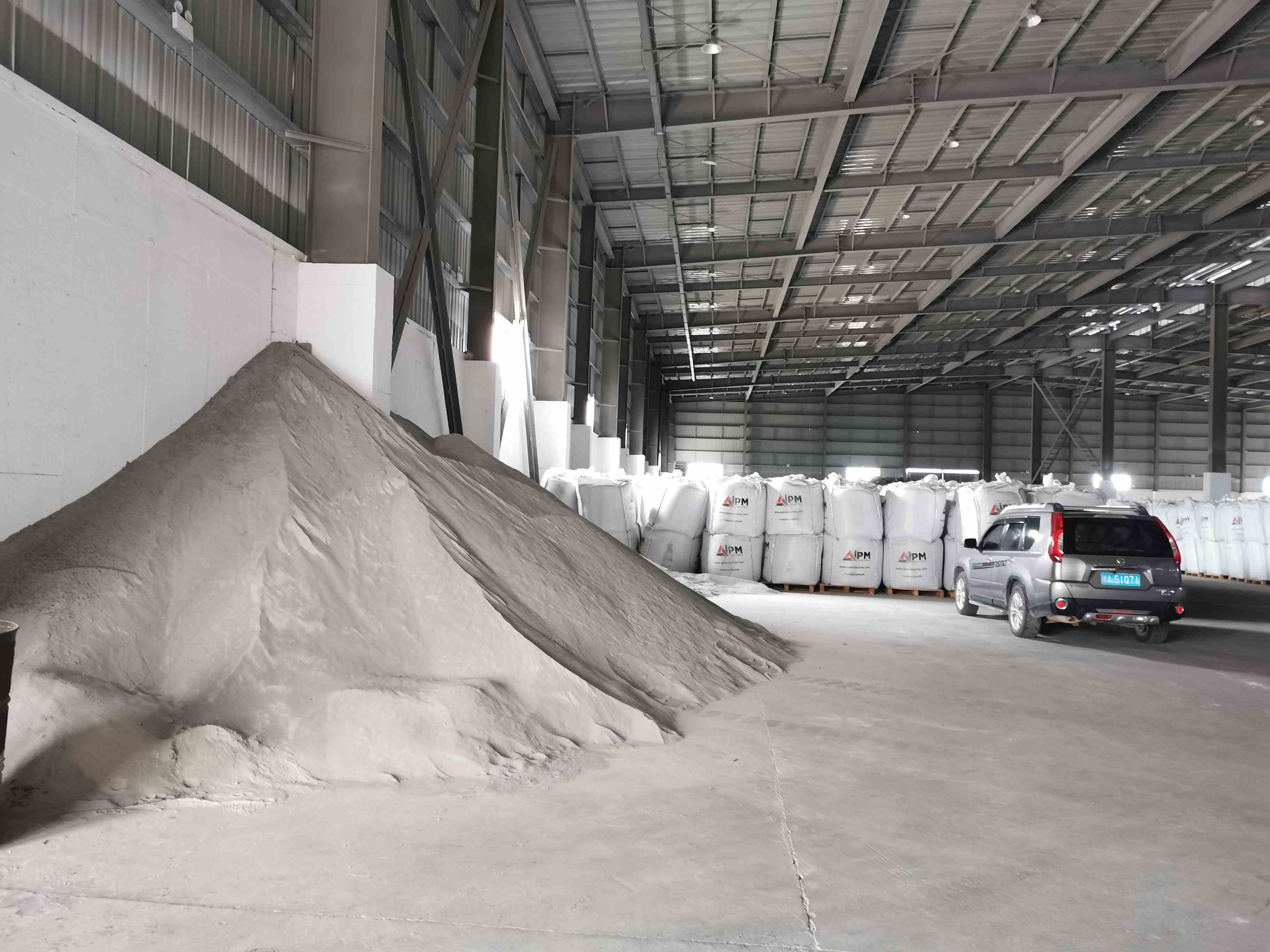
1. Regional Divergence: Mature Markets vs. Emerging Economies
The portland cement market is no longer a monolithic entity. Data from the Global Cement and Concrete Association (GCCA) indicates that while overall volume growth is projected at a modest 2.1% CAGR through 2030, the distribution is increasingly uneven. Mature markets such as Western Europe and North America are prioritizing carbon reduction over volume expansion, whereas South Asia and Sub-Saharan Africa are experiencing capacity expansions driven by infrastructure deficits.
Europe: The Carbon Border Adjustment Mechanism (CBAM) is effectively imposing a carbon tariff on imported clinker and cement. This is forcing importers to seek verified low-carbon alternatives, accelerating the adoption of blended cements with >30% SCMs (Supplementary Cementitious Materials).
North America: The Inflation Reduction Act (IRA) has unlocked tax credits for low-carbon construction materials. State-level specifications (e.g., Caltrans in California) now mandate maximum global warming potential (GWP) limits for concrete mixes, directly pressuring the portland cement market to reformulate products.
Asia-Pacific: While still the largest producer, overcapacity in China is leading to aggressive exports of clinker, disrupting local markets in Africa and Latin America. Simultaneously, India’s National Infrastructure Pipeline is sustaining strong demand, but with a growing preference for slag-blended cements in coastal and metro projects due to durability requirements.
2. Technical Imperatives: Why GGBS is Reshaping Cement Specifications
To understand the evolving portland cement market, one must analyze the technical shift toward blended systems. Ground Granulated Blast Furnace Slag (GGBS) is not merely a filler; it is a latent hydraulic material that, when activated by portland cement, produces a denser, more durable matrix. This is critical for large-scale infrastructure where lifecycle cost dominates procurement decisions.
2.1 Durability in Aggressive Environments
In marine structures, wastewater treatment plants, and sulfate-rich soils, the use of GGBS at replacement levels of 50-70% significantly reduces chloride ingress and sulfate attack. For instance, the Thames Tideway Tunnel project in London specified concrete with 70% GGBS content, not primarily for carbon reduction, but for a 120-year design life. This technical specification is a direct challenge to the standard portland cement market offerings, pushing producers to maintain consistent quality of blended products.
2.2 Heat of Hydration Management
Mass concrete pours—common in dams, bridge piers, and wind turbine foundations—require strict control over temperature rise to prevent thermal cracking. OPC generates significant heat, whereas GGBS blends exhibit a slower, lower heat release. This technical advantage reduces the need for costly cooling systems and post-pour remediation. For contractors, this translates to faster project cycles and lower risk, making high-slag blends a value-engineered solution rather than a sustainability compromise.
3. Supply Chain Volatility and Quality Assurance
Despite the clear advantages, the integration of SCMs into the mainstream portland cement market faces real-world friction points. The primary challenge lies in the logistics and consistency of GGBS supply. GGBS is a byproduct of iron production; its availability is tied to steel mill operations, which are subject to cyclical closures and geographical concentration.
Geographic Mismatch: In the US Midwest, for example, closure of integrated steel mills has created supply vacuums, forcing concrete producers to rely on imported slag from Asia or Europe, increasing cost and carbon footprint of logistics.
Consistency of Quality: The reactivity of GGBS (measured by the specific surface area and glass content) varies by source. Inconsistent reactivity leads to variable setting times and early strength development, a critical concern for precast concrete manufacturers operating on tight production schedules.
Storage and Handling: GGBS requires dedicated silos and handling systems to avoid cross-contamination with OPC. Many ready-mix plants in developing markets lack the infrastructure to switch seamlessly between high-slag mixes and traditional mixes, limiting market penetration.
Addressing these challenges demands a strategic partnership approach. Industry leaders like Golden Fortune have specialized in bridging this gap by providing ultra-fine GGBS with standardized fineness and reactivity, ensuring that clients in the portland cement market can maintain mix design consistency regardless of regional supply disruptions.
4. Carbon Accounting and the New Economics of Cement
The traditional cost-per-ton metric is being superseded by cost-per-ton-of-CO₂-avoided. For large engineering firms and government agencies, Environmental Product Declarations (EPDs) are now mandatory. A typical OPC (CEM I) has an embodied carbon intensity of approximately 830–900 kg CO₂e per tonne. In contrast, a CEM III/A blend (with 50-60% GGBS) can achieve as low as 350–400 kg CO₂e per tonne—a reduction of over 50%.
This carbon differential is directly impacting procurement. In the UK, the Infrastructure Carbon Review (ICR) has set benchmarks that penalize projects with high embodied carbon. Consequently, we are seeing a bifurcation in the portland cement market: premium pricing for verified low-carbon blends and commoditization of standard OPC. For cementitious material suppliers, the ability to provide consistent, high-quality GGBS that integrates seamlessly into standard mix designs is no longer a niche offering—it is a market necessity.
5. Sectoral Demand: Where Blended Cements are Gaining Traction
To effectively navigate the portland cement market, stakeholders must recognize that demand is not uniform across construction sectors. Each application presents unique performance criteria that influence the optimal cement formulation.
High-Rise and Commercial Construction: Speed of construction drives the need for high early strength. Here, ternary blends (OPC + GGBS + limestone) are gaining ground, offering lower carbon footprints while maintaining 24-hour strength requirements.
Infrastructure & Civil Engineering: Long-term durability and reduced permeability are paramount. Projects such as highways, tunnels, and water retention structures increasingly specify GGBS blends of 50-70% to achieve low chloride migration coefficients.
Precast & Prestressed Concrete: Manufacturers require predictable, rapid strength gain. The use of finely ground GGBS (such as that supplied by Golden Fortune) enhances particle packing and early-age strength, enabling producers to reduce cycle times in their plants while also lowering their Scope 3 emissions.
Soil Stabilization & Ground Improvement: For deep mixing and vibro-replacement techniques, binders with high GGBS content provide superior resistance to aggressive groundwaters compared to pure OPC slurries.
6. Market Outlook: 2026–2030 – Decarbonization Without Compromise
Looking forward, the portland cement market will increasingly resemble a portfolio of specialized products rather than a single commodity. Several trends are set to define the next five years:
Regulatory escalation: Expect more jurisdictions to adopt performance-based concrete specifications that mandate maximum GWP thresholds, effectively limiting the use of pure OPC in public projects.
Technological integration: The rise of AI-driven mix design optimization will allow concrete producers to dynamically adjust GGBS ratios based on real-time availability and performance requirements, smoothing the volatility in the slag supply chain.
Circular economy protocols: The European Union’s Circular Economy Action Plan is likely to classify high-quality GGBS as a “strategic raw material,” ensuring stability in supply chains and incentivizing investment in slag granulation and grinding facilities near major steel producers.
Standardization of Ultra-Fine Materials: As the industry moves toward higher performance with lower clinker factors, the demand for ultra-fine GGBS (specific surface >600 m²/kg) will grow. These materials act as both a cement substitute and a performance enhancer, reducing the need for chemical admixtures.

Adapting to the New Paradigm
The traditional narrative of the portland cement market as a stable, predictable commodity is obsolete. Today’s market is defined by regulatory pressure, technical complexity, and a demand for demonstrable sustainability performance. Success in this environment requires more than just reliable supply—it demands a deep understanding of material science, logistics optimization, and the ability to provide customized solutions that meet both environmental and engineering benchmarks. For industry players, the strategic integration of high-quality GGBS is not merely an environmental decision; it is a competitive advantage that enhances durability, reduces long-term maintenance costs, and aligns with global decarbonization trajectories.
Frequently Asked Questions (FAQs)
Below are answers to critical questions regarding the intersection of the portland cement market and supplementary cementitious materials, based on field consultations with engineers, specifiers, and procurement managers.
Q1: How does the use of GGBS affect the setting time and early strength of concrete compared to 100% OPC?
A1: GGBS is a latent hydraulic material, meaning its reaction is slower than OPC at early ages. At replacement levels of 30-50%, the initial setting time may be extended by 30 to 90 minutes depending on temperature. However, this can be managed by using a slightly higher cementitious content, or by incorporating accelerators in cold weather. For early strength applications, ultra-fine GGBS (like that supplied by Golden Fortune) exhibits enhanced reactivity, often achieving 1-day strengths comparable to OPC while delivering superior long-term durability.
Q2: What are the main obstacles to replacing OPC with GGBS in the current portland cement market infrastructure?
A2: The primary obstacles are logistical: dedicated silos for GGBS, consistent supply chain management, and variation in reactivity from different steel mill sources. Additionally, many building codes still have prescriptive limits on SCM replacement, though this is shifting toward performance-based specifications. For ready-mix producers, securing a reliable partner that guarantees consistent fineness and chemical composition is critical to avoid mix design recalibration.
Q3: How does the carbon footprint of GGBS compare to that of fly ash or natural pozzolans?
A3: GGBS generally has a lower embodied carbon than fly ash (which is often classified as hazardous waste in some jurisdictions before processing) and significantly lower than OPC. The carbon footprint of GGBS is primarily from grinding and transport. When sourced from integrated steel plants with carbon capture initiatives, the cradle-to-gate footprint can be as low as 50-70 kg CO₂e per tonne, compared to >800 kg CO₂e for OPC. This makes GGBS the most effective SCM for deep decarbonization in the portland cement market.
Q4: Are there durability concerns when using high volumes (over 50%) of GGBS in reinforced concrete?
A4: No, quite the opposite. For reinforced concrete exposed to chlorides (e.g., marine structures, de-icing salts), high-volume GGBS significantly reduces chloride ion penetration due to a refined pore structure and increased chloride binding capacity. However, care must be taken during curing; high GGBS mixes require extended wet curing (at least 7 days) to achieve their full durability potential. Properly cured, they outperform OPC in long-term durability metrics.
Q5: How can concrete producers ensure consistent quality when sourcing GGBS from multiple international suppliers?
A5: Consistency hinges on three factors: fineness (Blaine specific surface), glass content (usually >90% for reactive slag), and chemical moduli (CaO/SiO₂ and Al₂O₃/SiO₂ ratios). Leading suppliers like Golden Fortune provide certified mill certificates with every shipment and maintain strict quality control on particle size distribution. Producers should also implement a pre-qualification protocol that includes trial batching and testing of setting time, strength development, and heat of hydration before committing to large-scale supply contracts.