Residential construction and high-end domestic masonry have evolved significantly over the last decade. While the traditional approach to at home cement application often relied on standard off-the-shelf Ordinary Portland Cement (OPC), modern engineering demands more. Whether for residential driveways, decorative structural elements, or basement foundations, the integration of Supplementary Cementitious Materials (SCMs) like Ground Granulated Blast Furnace Slag (GGBS) is redefining the standards of durability and aesthetic consistency in the domestic sector.
For professionals and material suppliers, understanding the chemical and physical nuances of residential concrete mixes is paramount. The shift toward more sustainable, high-performance binders is not merely a preference but a technical requirement to mitigate common issues such as plastic shrinkage, thermal cracking, and chemical ingress. By refining the binder composition, one can achieve a finished product that far exceeds the performance benchmarks of conventional residential mixes.
The Chemical Mechanisms of Binder Optimization
The performance of any at home cement mixture is dictated by the hydration process. When OPC reacts with water, it primarily produces Calcium-Silicate-Hydrate (C-S-H), which provides structural strength, and Calcium Hydroxide (Ca(OH)2), which is a soluble byproduct. In a typical residential setting, the presence of excess Calcium Hydroxide can lead to several problems, including efflorescence—that unsightly white powder that appears on the surface of brickwork and concrete slabs.
By introducing GGBS into the mix, a secondary pozzolanic reaction occurs. The slag reacts with the excess Calcium Hydroxide to produce additional C-S-H gel. This not only increases the long-term compressive strength but also densifies the microstructure of the concrete. This refined pore structure is vital for residential projects exposed to the elements, as it significantly reduces the permeability of the material. When the concrete is less porous, it is less susceptible to moisture-driven damage, such as freeze-thaw cycles or the corrosion of embedded reinforcement in high-end residential landscaping.
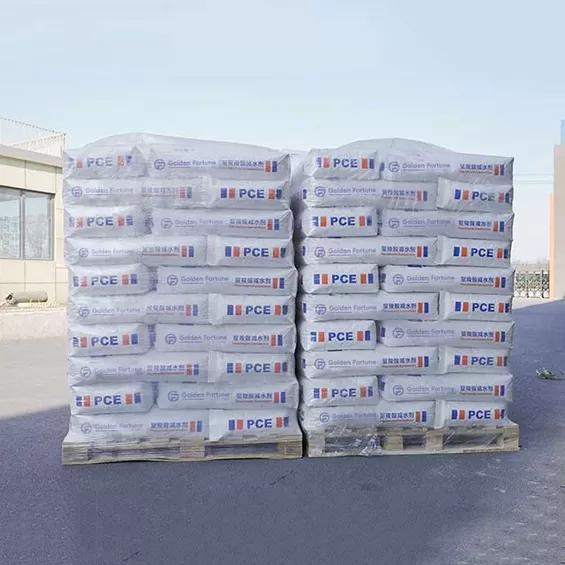
Golden Fortune provides high-grade slag materials that facilitate this densification process, ensuring that domestic infrastructure remains resilient over decades of use. The technical advantage lies in the particle size distribution, which allows for better packing and a more cohesive fresh concrete mix.
Addressing Common Pain Points in Residential Concrete
Residential masonry and flooring projects face specific environmental and operational challenges. Addressing these through specialized at home cement strategies involves a deep dive into material behavior.
Shrinkage and Cracking: Standard concrete mixes often exhibit significant drying shrinkage, leading to hairline cracks in large surface areas like patios or garage floors. Incorporating GGBS reduces the peak heat of hydration, which in turn minimizes thermal stress and early-age cracking.
Efflorescence Control: As mentioned, the reduction of free lime (Ca(OH)2) through the use of slag is the most effective way to prevent the migration of salts to the surface. This is particularly important for decorative residential walls and architectural concrete.
Workability and Finishing: The smooth, glassy texture of GGBS particles improves the rheology of the concrete. This makes the mix easier to place and finish, a factor that is highly valued by contractors working on intricate domestic designs.
Resistance to Sulfates: In areas where the soil has a high sulfate content, standard residential concrete can suffer from expansion and disintegration. Slag-blended binders provide inherent sulfate resistance, protecting foundations and garden structures.
Technical Specifications for High-Performance Residential Mixes
When specifying a binder for at home cement applications, the replacement ratio of GGBS is a key variable. For most residential structural components, a replacement level of 30% to 50% is optimal. This balance ensures sufficient early-age strength for formwork removal while providing the long-term durability benefits associated with slag-based concrete.
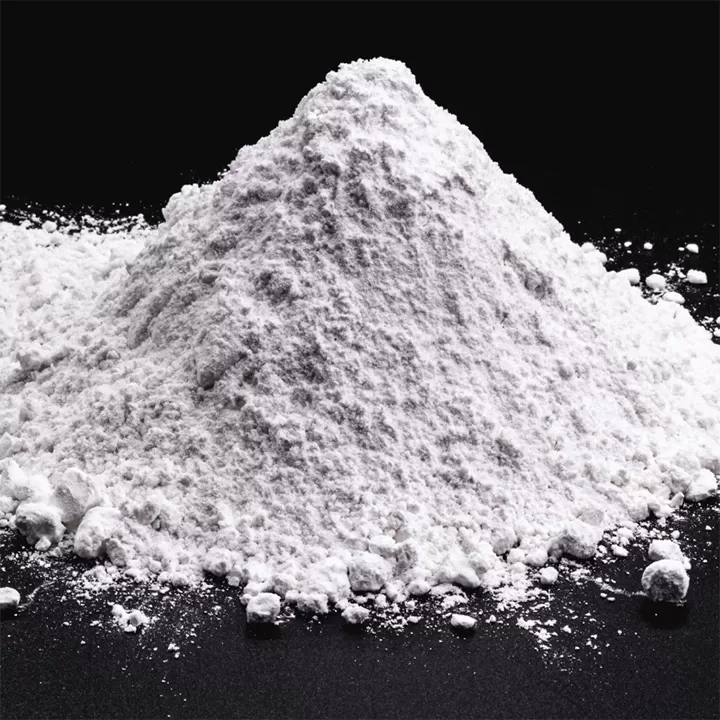
The fineness of the material, measured by the Blaine value, also plays a role. Standard slag typically ranges from 400 to 450 m²/kg. However, for specialized residential applications such as high-strength countertops or ultra-thin floor overlays, ultrafine variants are preferred. These materials act as both a reactive binder and a physical filler, filling the microscopic gaps between larger cement and aggregate particles.
At Golden Fortune, the quality control processes ensure that the chemical composition, particularly the alumina and silica content, remains consistent. This consistency allows architects and engineers to calculate the precise performance characteristics of their residential concrete designs with confidence.
Aesthetic Advantages in Modern Home Design
Beyond structural integrity, the visual appeal of at home cement is a major consideration in contemporary architecture. Standard cement tends to produce a dark, sometimes blotchy grey finish. In contrast, slag-blended concrete results in a much lighter, more uniform off-white or light grey color.
This lighter tone is highly desirable for modern minimalist aesthetics. It also provides a better base for concrete pigments, allowing for more vibrant and consistent colors in decorative flooring or precast garden furniture. Furthermore, the high reflectivity of slag-blended surfaces can contribute to a reduction in the "heat island" effect in suburban environments, keeping paved areas cooler during summer months.
Application in Radiant Floor Heating
One increasingly popular application for high-performance residential concrete is in radiant floor heating systems. The density of the concrete slab is a factor in thermal conductivity. By using a denser mix achieved through slag integration, the slab can store and distribute heat more efficiently. This thermal mass effect is a cornerstone of passive solar design and energy-efficient housing.
Structural Integrity in Coastal Residential Zones
For homes built near coastlines, the threat of chloride-induced corrosion is a reality. Airborne salts can penetrate standard concrete and reach the steel reinforcement within a few years. Utilizing GGBS as a partial replacement in the cementitious binder creates a "chloride barrier" by refining the pore structure to the point where ion migration is severely restricted. This ensures that the structural components of the home remain sound even in aggressive marine environments.
Sustainability and the Residential Carbon Footprint
While the industrial sector often takes the spotlight for carbon reduction, the cumulative impact of residential construction is substantial. The production of OPC is a carbon-intensive process. By substituting a portion of the cement with GGBS—an industrial byproduct that would otherwise be destined for landfill—the embodied carbon of a residential project can be reduced by up to 40% or more, depending on the replacement level.
Sustainability managers in the construction supply chain are increasingly looking for ways to provide green alternatives for the at home cement market. This shift aligns with the growing demand from homeowners for eco-conscious building materials that do not sacrifice quality or longevity.
Golden Fortune remains at the forefront of this transition, supplying the materials necessary to build the next generation of resilient, low-carbon homes. Our commitment to technical excellence ensures that our partners can deliver superior results in every residential application.
The optimization of concrete for domestic use requires a transition from basic mixing practices to a more sophisticated understanding of binder chemistry. The inclusion of GGBS and other SCMs provides a clear pathway to achieving superior durability, aesthetic quality, and environmental responsibility. As the demand for high-performance residential structures grows, the role of specialized materials in the domestic cement market will only become more prominent.
For suppliers and contractors looking to differentiate themselves in a competitive market, focusing on the technical benefits of slag-blended concrete is a strategic move. By addressing the fundamental weaknesses of traditional OPC, you can provide homeowners with structures that stand the test of time and environmental exposure.
Are you looking to integrate high-performance SCMs into your residential product line or project? Contact our technical experts today for a professional inquiry and discover how our solutions can improve your concrete performance.
Frequently Asked Questions
Q1: Is GGBS safe for use in residential areas where pets or children are present?
A1: Yes, GGBS is an inert industrial byproduct. Once it has reacted within the concrete matrix, it is completely safe and non-toxic. It actually improves the safety of the environment by reducing efflorescence and the growth of mold or algae on damp concrete surfaces.
Q2: How does the curing process differ for slag-blended residential concrete?
A2: Concrete containing slag typically has a slower initial set and strength gain. It is vital to maintain proper moist curing for a longer period (usually 7 days) to ensure the pozzolanic reaction is fully activated. This patience results in a much stronger and more durable final product.
Q3: Can I use slag-blended cement for DIY decorative projects like planters or benches?
A3: Absolutely. The improved workability and lighter color make it an excellent choice for decorative precast items. It allows for finer detail and a smoother surface finish compared to standard sand and cement mixes.
Q4: Does the use of slag affect the bond between concrete and reinforcement?
A4: On the contrary, the denser microstructure and improved interface between the cement paste and the steel often result in a better bond. This enhances the overall structural performance of reinforced residential elements.
Q5: What is the shelf life of GGBS compared to standard cement?
A5: GGBS is less sensitive to moisture than OPC, meaning it generally has a longer shelf life if stored in dry, cool conditions. However, like all cementitious materials, it should be kept in sealed bags or silos to prevent pre-hydration from atmospheric moisture.
Q6: Does slag-blended concrete require special admixtures?
A6: In many cases, the improved workability of slag reduces the need for large amounts of plasticizers. However, for low water-to-cement ratio mixes, standard polycarboxylate-based superplasticizers are fully compatible and highly effective.