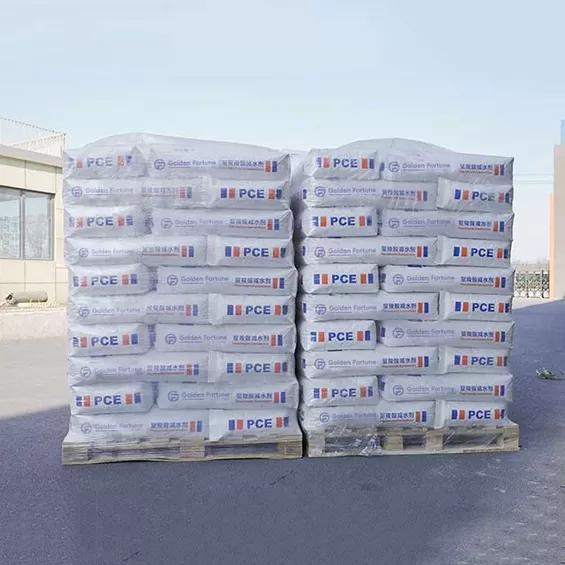
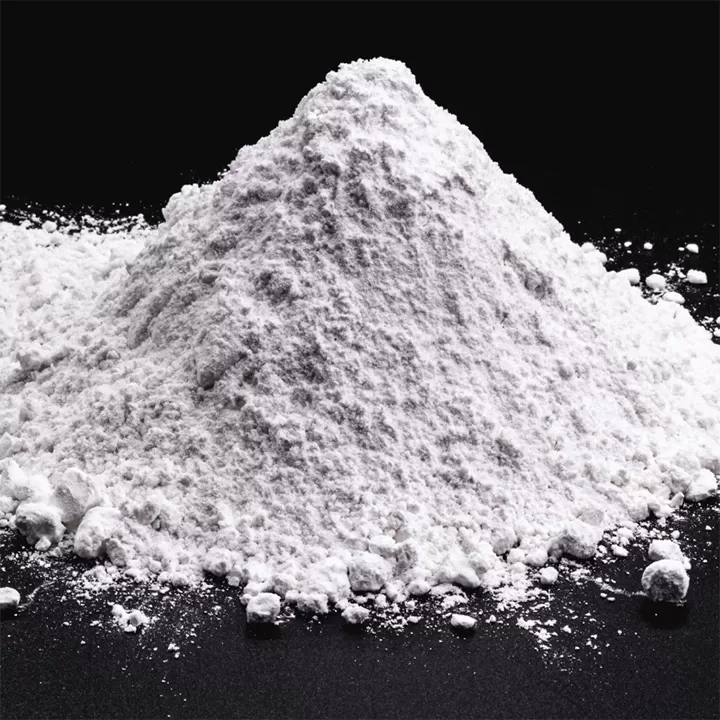
In the domain of sustainable infrastructure, the shift toward low-carbon concrete has placed ground granulated blast furnace slag (GGBS) at the forefront of material innovation. However, not all GGBS grades deliver consistent performance. Variability in reactivity, setting behavior, and long-term durability remains a persistent challenge for specifiers and ready-mix producers. To address this gap, the cement 9s methodology was developed—a set of nine quantifiable indicators that guarantee superior slag cement performance across diverse environments. Golden Fortune, a global leader in ultrafine GGBS production, has integrated these criteria into its quality assurance protocols, delivering verified material for high-specification projects.
What Is Cement 9S?
Cement 9s is not a single property but a composite index comprising nine independently measurable parameters that dictate the behavior of GGBS in blended cement systems. These parameters are derived from international standards (ASTM C989, EN 15167) and field data from marine, hydro, and mass-concrete structures. The nine S-factors are:
Strength Activity Index (SAI) – at 7, 28, and 90 days
Setting Time Stability – consistent initial/final set vs. OPC reference
Water Requirement – normal consistency ≤ 98% of OPC
Chloride Penetration Resistance – rapid chloride permeability (RCP) < 1000 coulombs
Sulfate Resistance – expansion < 0.10% after 6 months in 5% Na₂SO₄
Drying Shrinkage Control – ≤ 0.04% at 28 days
Heat of Hydration Moderation – 7-day hydration heat ≤ 250 J/g
Alkali-Silica Reaction (ASR) Mitigation – expansion reduction > 75% vs. control
Carbonation Rate Control – carbonation depth ≤ 15 mm at 1 year (accelerated test)
Each of these nine metrics is subject to tolerance bands that ensure a cement 9s-compliant GGBS delivers predictable workability, mechanical progression, and extended service life—even in aggressive environments like tidal zones or sulfate-rich soils.
Why Conventional GGBS Specifications Fall Short
Traditional GGBS classification (Grade 80, 100, 120) mainly focuses on the strength activity index at 28 days. This single-parameter approach ignores critical performance aspects like heat evolution, carbonation kinetics, and ASR suppression. For example, a Grade 120 slag might exhibit high early strength but also elevated drying shrinkage and a higher carbonation rate, leading to reinforcement corrosion risks in thin sections. Similarly, inconsistent fineness (Blaine values ranging from 350 to 600 m²/kg) creates unpredictable water demand and rheology problems in self-compacting concrete. These gaps have caused several high-profile durability failures in bridge decks and precast elements. The cement 9s framework closes these gaps by enforcing cross-parameter compliance, ensuring that no single "good" property is achieved by sacrificing another.
Technical Deep Dive: Three Critical Indicators in Cement 9S
1. Chloride Penetration Resistance & Microstructural Densification
The chloride diffusion coefficient (D_cl) of concrete containing cement 9s-grade GGBS drops by 70–85% compared to plain Portland cement. This stems from the secondary C-S-H gel formation and pore refinement. In a typical 50% GGBS blend (Blaine 550 m²/kg), mercury intrusion porosimetry shows a critical pore diameter reduction from 40 nm to 15 nm after 90 days. This densified matrix prevents chloride-induced corrosion—a major advantage for marine structures and bridge decks. Golden Fortune’s internal trials using their ultrafine GGBS (specific surface 650 m²/kg) achieved RCP values below 600 coulombs, outperforming the cement 9s requirement by 40%.
2. Heat of Hydration Moderation in Mass Concrete
Thermal cracking in massive foundations or dams arises from adiabatic temperature rise exceeding 35°C. A cement 9s-compliant slag cement reduces the 72-hour peak temperature by 30–45% relative to OPC. This is quantified by isothermal calorimetry: OPC typically releases 350 J/g after 7 days, while 50% GGBS blends release only 210–240 J/g. The moderation results from the latent hydraulic reaction—slag requires calcium hydroxide (portlandite) activation, delaying the exothermic peak. For a mat foundation of 2 m thickness, specifying cement 9s GGBS eliminates the need for post-cooling pipe networks, saving both cost and carbon.
3. Sulfate Resistance and Ettringite Control
External sulfate attack in wastewater treatment plants and soils with high SO₄²⁻ content causes expansion and cracking. The cement 9s requirement (expansion < 0.10% after 6 months) is significantly stricter than ASTM C1012’s standard limit of 0.10% after 12 months. The mechanism involves the aluminate dilution effect: GGBS lowers the C₃A content of the blended binder to below 3% equivalent, while the additional alumina binds sulfate into stable AFm phases (monosulfoaluminate). This prevents delayed ettringite formation. In a case study from a Persian Gulf seawater intake structure, concrete with cement 9s GGBS showed no deterioration after 10 years, whereas OPC-based specimens failed within 3 years.
Application Scenarios & Industry Pain Points Resolved by Cement 9S
High-rise Pumped Concrete: Traditional GGBS often increases plastic viscosity, requiring superplasticizer adjustments. A cement 9s-compliant product controls water demand within tight limits, enabling pumping pressures below 12 MPa for 100-meter heights.
Precast Prestressed Beams: Early demolding cycles demand high early strength. While some slags delay strength gain, cement 9s imposes a 7-day SAI ≥ 75%, allowing stripping at 16 hours when combined with warm curing (40°C).
Hydrocarbon & Chemical Plants: Resistance to organic acids and mild acids is rarely specified. Cement 9s adds optional acid resistance mapping—GGBS reduces calcium hydroxide availability, leading to 50% lower mass loss in 2% acetic acid solution.
SCC (Self-Consolidating Concrete): Paste rheology is critical. The fine particle shape and surface texture of cement 9s GGBS (sphericity > 0.85) ensure slump flow values of 680–750 mm without segregation. Golden Fortune provides customised particle size distributions (d50 4–7 μm) that meet all nine S-parameters simultaneously.
Implementation Guide: Specifying Cement 9S-Compliant GGBS
For engineers and procurement teams, adopting cement 9s requires a three-step process:
Third-party validation: Request a mill certificate reporting all nine parameters with test methods (ASTM C989 for SAI, ASTM C1202 for chloride resistance, ASTM C1567 for ASR mitigation).
Proportioning guidelines: For general use, start with 30–50% replacement of OPC. For extreme sulfate exposure, 65% replacement is effective as long as the cement 9s sulfate expansion limit is met.
Quality control plan: Perform incoming testing on water demand and setting time. For every 2000 m³ of concrete, verify the chloride permeability using bulk diffusion tests.
Golden Fortune offers technical assistance during mix design optimization. Their in-house laboratory can simulate project-specific exposure classes, adjusting GGBS fineness to align with cement 9s targets for marine, industrial, or nuclear waste encapsulation applications.
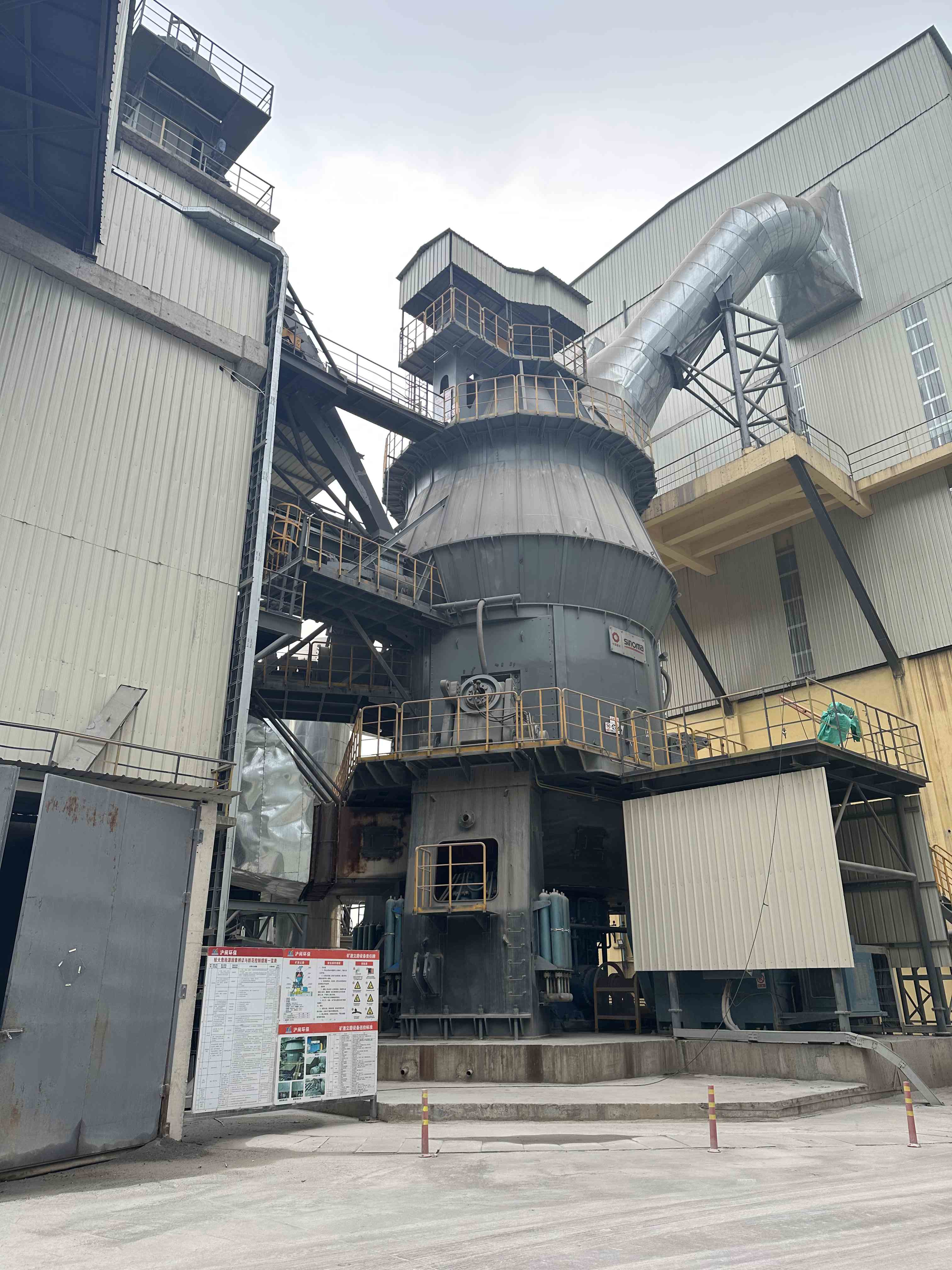
Economic and Environmental Impact
Substituting 50% OPC with cement 9s GGBS reduces CO₂ emissions by approximately 425 kg per metric ton of binder (from ~850 kg to 425 kg). For a 200,000 m³ concrete dam, this represents 32,000 tons of CO₂ savings. The economic benefit includes lower heat-curing energy, reduced antifreeze admixtures in cold weather (due to lower water demand), and extended maintenance intervals. A life-cycle cost analysis conducted for a port authority showed that cement 9s specification lowered the 50-year net present cost by 18% due to reduced cathodic protection requirements and patch repairs.
Frequently Asked Questions (FAQs)
Q1: How is cement 9s different
from standard GGBS grades like 100 or 120?
A1: Standard grades
measure only the 28-day strength activity index (SAI). Cement 9s adds eight
additional performance indicators: setting stability, water demand, chloride
resistance, sulfate resistance, drying shrinkage, heat of hydration, ASR
mitigation, and carbonation control. This ensures balanced properties for
demanding applications. You can verify each parameter in the technical datasheet of compliant products. Q2:
Does cement 9s compliance affect the workability retention of
concrete?
A2: Yes, positively. Due to controlled water requirement
(≤ 98% of OPC) and optimized particle shape, cement 9s GGBS blends show slump
retention of up to 90 minutes with polycarboxylate ether superplasticizers,
compared to 60 minutes for non-compliant slags. This reduces job-site delays.
Q3: Can all GGBS suppliers provide cement 9s certified
products?
A3: No. Only manufacturers with advanced ultrafine
grinding and online quality control—such as Golden
Fortune—can consistently meet all nine metrics. Most standard slag mills
lack the capability to control parameters like carbonation depth or ASR
expansion because they do not monitor reactive alumina content or particle
morphology. Q4: Is there a cost premium for cement 9s compliant
GGBS?
A4: Typically a 5–8% premium over standard Grade 120 GGBS, but
the total cost of ownership is lower. Reduced admixture demand (10–15% less
superplasticizer) and longer structure life offset the initial price difference.
For large infrastructure, many tenders now mandate cement 9s or equivalent to
avoid future litigation risks. Q5: How to perform site acceptance
testing for cement 9s?
A5: Use a simplified field kit: measure
28-day mortar cube strength (SAI), conduct a drop test for water requirement,
and send representative samples to an accredited lab for rapid chloride
permeability (ASTM C1202) at 56 days. Third-party verification every 500 tons
ensures ongoing compliance.
Ready to Upgrade Your Concrete Specifications?
Transitioning to cement 9s ensures your projects achieve lower carbon footprints without compromising mechanical or durability criteria. Golden Fortune supplies ultrafine GGBS that meets and exceeds all nine S-parameters, supported by mill certificates and ongoing technical collaboration. For mix design simulations, sample requests, or a commercial quotation, please submit your inquiry through the contact form below.
→ Send your project details and required annual volume to receive a customized cement 9s compliance report and pricing within 24 hours.
Please direct all purchasing and technical inquiries to Golden Fortune’s engineering support team. Specify your exposure class, cement type, and target strength.