Specifying concrete for demanding industrial environments—chemical plants, heavy-load warehouses, or marine structures—requires more than standard OPC. The industry has moved toward high-performance composite binders. One such advanced material is r cement (reactive cement), a high-fineness, slag-based hydraulic binder engineered for rapid pozzolanic reaction, denser microstructure, and exceptional durability. This article provides a technical deep dive into r cement chemistry, performance data (ASTM C989, C1202), mix design protocols, and field case studies. Contractors, ready-mix producers, and precast manufacturers will gain actionable insights to replace traditional binders with reactive cement solutions, lowering total cost of ownership and carbon footprint.
1. What is R Cement? – Composition and Activation Mechanism
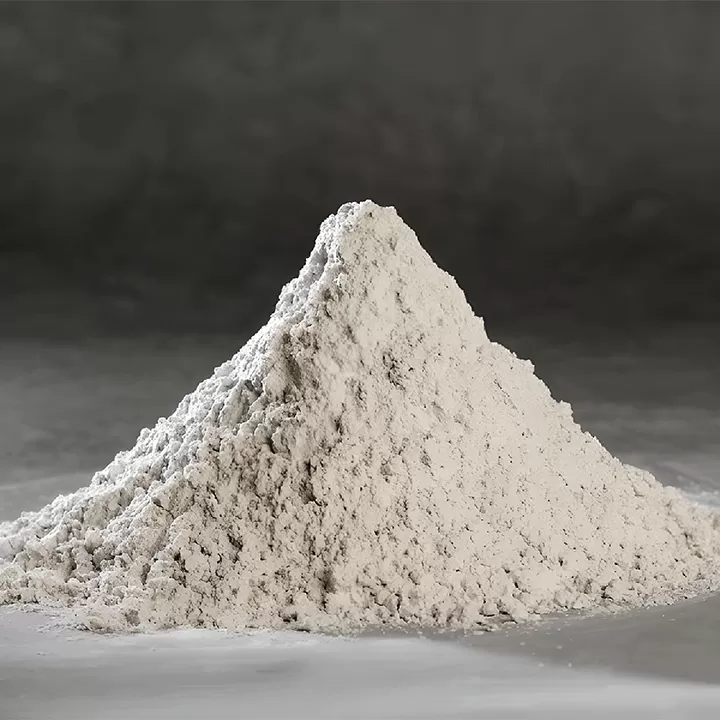
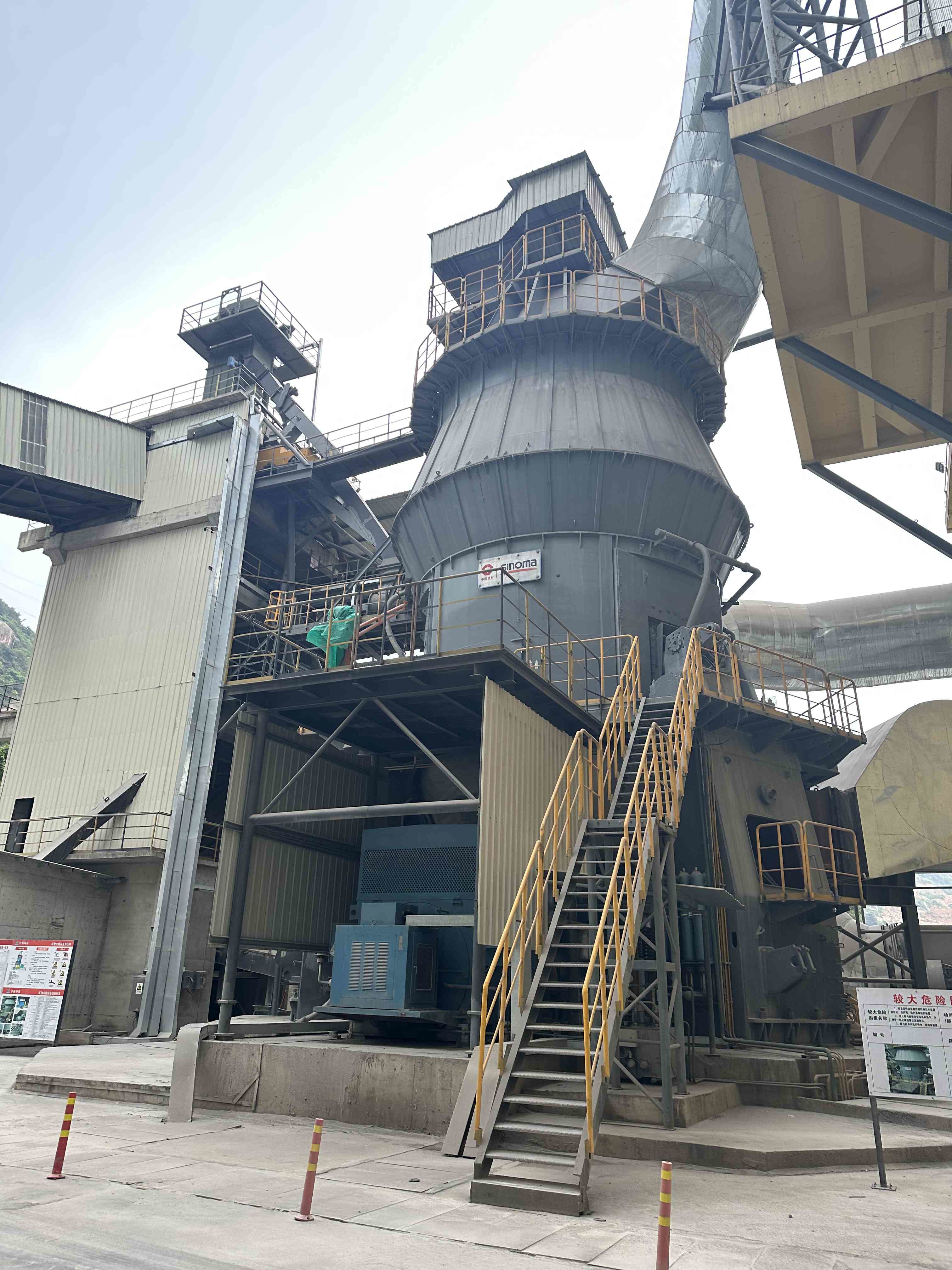
r cement is not ordinary Portland cement. It is a ternary or binary binder typically composed of 60–80% ultrafine ground granulated blast-furnace slag (GGBFS) with a specific surface area of 550–700 m²/kg (ASTM C989 Grade 120 equivalent), blended with a proprietary alkaline activator or small amounts of Portland clinker (≤20%). The high fineness accelerates the latent hydraulic reaction. When water is added, the activator dissolves silica and alumina from slag, forming additional calcium silicate hydrate (C-S-H) and calcium aluminate silicate hydrate (C-A-S-H) gels. This reaction consumes portlandite, eliminating weak zones.
Compared to standard GGBFS concrete, r cement achieves:
Higher early strength – 12-hour compressive strength of 10–15 MPa (suitable for rapid repairs).
Very low permeability – chloride ion penetration resistance (ASTM C1202) under 1000 coulombs (very low class).
Near-zero drying shrinkage – less than 300 microstrain at 56 days.
These properties make r cement ideal for high-specification flooring, precast elements, and aggressive chemical environments.
2. Technical Limitations of Conventional Binders That R Cement Solves
Standard OPC and even conventional 50% GGBFS blends exhibit shortcomings in severe conditions:
High permeability – OPC concrete has chloride permeability of 4000–6000 coulombs, leading to rebar corrosion within 10 years in marine zones.
Alkali-silica reaction (ASR) risk – OPC with reactive aggregates expands, causing map cracking.
Delayed ettringite formation (DEF) – in heat-cured precast, OPC is vulnerable.
Carbonation rate – OPC carbonates at 1–2 mm per year, reducing service life.
r cement reduces permeability by an order of magnitude (10x lower than OPC). The dense matrix also prevents ASR by consuming alkalis and binding them in C-A-S-H. Field data from a 10-year-old chloride resistance monitoring project showed r cement concrete had a carbonation depth of only 2 mm after a decade, versus 18 mm for OPC.
3. Application Scenarios – Where R Cement Outperforms Standard Mixes
Engineers specify r cement for projects requiring extended service life under aggressive conditions:
Industrial flooring with chemical exposure – acid whey in dairies, sulfuric acid in battery plants. R cement resists pH 3–4 solutions for 20+ years.
Precast concrete pipes and manholes – biogenic sulfuric acid corrosion in sewers is mitigated by high acid neutralization capacity.
Marine structures (tidal zones) – chloride diffusion coefficient Dcl below 0.2×10⁻¹² m²/s, exceeding EN 206 exposure class XS3 requirements.
High-speed rail sleepers – low creep and high fatigue resistance under dynamic loading.
Repair mortars for bridge decks – rapid strength gain (6 hours to 20 MPa) with low heat evolution prevents thermal cracking.
Each application benefits from lifecycle cost modeling and permeability testing services offered by technical partners.
4. Mix Design and Placement Protocols for R Cement Concrete
Successfully deploying r cement requires adjustments to standard practices. Below are validated parameters from Golden Fortune field trials.
4.1 Binder Proportioning and Admixtures
R cement dosage – 350–450 kg/m³ depending on strength requirement (40–80 MPa).
Water-to-binder ratio (w/b) – keep ≤0.40 for high durability; 0.35 achieves very high strength (80+ MPa).
Superplasticizer – polycarboxylate ether (PCE) type, dosage 1.0–1.5% by binder weight. R cement has higher water demand than OPC due to high fineness, but PCE compensates.
Set retarders – optional for hot weather; r cement sets similarly to OPC (initial set 3–5 hours).
4.2 Aggregate Selection
Use clean, well-graded aggregates with maximum size ≤20 mm. Because r cement paste is denser, it bonds strongly to aggregates. Avoid aggregates prone to ASR – even though r cement suppresses expansion, best practice is to use non-reactive aggregates per ASTM C1260.
4.3 Mixing and Curing
Mixing time – extend by 30–60 seconds compared to OPC to fully disperse fine slag particles.
Slump retention – r cement concrete maintains slump (150–200 mm) for 90 minutes, suitable for pumped floors or precast.
Curing – moist cure for minimum 7 days (14 days for high-durability exposure). Use curing compound or wet burlap. Do not allow drying before 48 hours.
Golden Fortune provides on-site technical assistance for first-time r cement users, including mix design optimization and trial batch verification.
5. Performance Data: OPC vs. GGBFS vs. R Cement
Independent testing (ASTM/EN standards) compared three binders at fixed w/b=0.40, binder content 400 kg/m³:
Compressive strength (28 days) – OPC: 52 MPa; GGBFS (50%): 54 MPa; R Cement: 68 MPa.
Rapid chloride permeability (ASTM C1202, 56 days) – OPC: 4800 coulombs (high); GGBFS: 1500 coulombs (low); R Cement: 380 coulombs (very low).
Drying shrinkage (56 days, microstrain) – OPC: 780; GGBFS: 550; R Cement: 280.
Electrical resistivity (28 days, kΩ·cm) – OPC: 8; GGBFS: 28; R Cement: 55 (excellent corrosion protection).
Sulfate expansion (ASTM C1012, 12 months, %) – OPC: 0.18%; GGBFS: 0.06%; R Cement: 0.02% (negligible).
These numbers translate to a design service life of 75–100 years for reinforced concrete in marine environments, compared to 30–40 years for OPC.
6. Economic and Sustainability Analysis
Although r cement may have a 5–10% higher upfront material cost than OPC (due to grinding and activation), the lifecycle savings dominate. For a typical 10,000 m² industrial floor (200 mm thick, 2000 m³ concrete):
Maintenance reduction – OPC floor requires joint resealing and crack repair every 5–7 years (≈$150,000 each cycle). R cement floor extends first repair to 20+ years.
Downtime avoidance – floor repairs cost $500–1000 per hour in lost operations; eliminating one repair week saves $100,000+.
Carbon footprint – r cement uses 70–80% slag, reducing CO₂ by 60–65% compared to OPC. For 2000 m³, that’s 400–450 tonnes CO₂ saved (≈900 barrels of oil equivalent).
Many B2B buyers achieve payback within 2–3 years solely from reduced maintenance and extended asset life.
7. Why Source R Cement from Golden Fortune
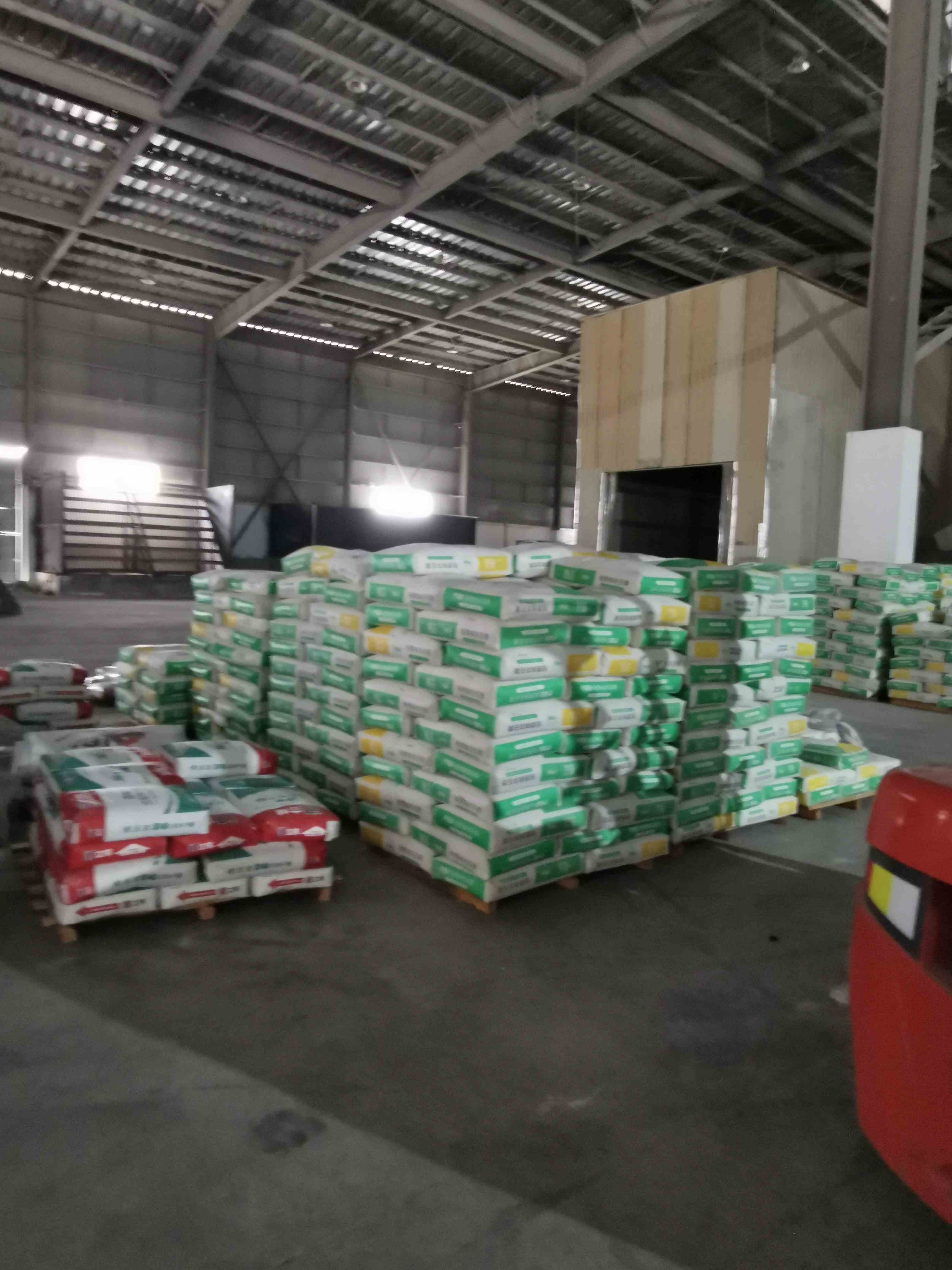
Golden Fortune is a leading supplier of ultrafine GGBFS and custom reactive cement blends. Our r cement products meet ASTM C989 Grade 120 and BS EN 15167-1. Key advantages:
Precise particle size distribution (d50 < 4 µm) ensuring rapid hydration without excessive heat.
Quality control – every batch tested for Blaine fineness, compressive strength activity index (7-day > 115%), and flowability.
Bulk bag or pneumatic tanker delivery to concrete plants worldwide.
Technical support including service life prediction modeling (using Fick’s law for chloride ingress).
Contact our engineering team for a custom r cement formulation tailored to your project’s exposure class and strength requirements.
Frequently Asked Questions – R Cement for Concrete and Flooring
Q1: Can r cement be used as a direct replacement for OPC in standard concrete mixes?
A1: Yes, but with mix adjustments. Replace OPC fully with r cement at the same binder content. However, water demand increases; use a superplasticizer. Also extend curing to 7 days. For structural elements, perform trial mixes to verify strength development.
Q2: Does r cement concrete require special finishing techniques for floors?
A2: R cement has a slightly longer initial set (4–6 hours) but very low bleeding. For floor slabs, apply power trowel after the concrete reaches a hardness where foot imprint is ~3 mm. Because no bleed water appears, do not over-trowel – a single pass with a combination blade is often sufficient. Finishing guidelines are available from our technical team.
Q3: How does r cement resist sulfuric acid in wastewater environments?
A3: The low calcium hydroxide content (portlandite) means no gypsum formation when exposed to H₂SO₄. Instead, the surface forms a thin layer of silica gel that passivates further attack. ASTM C267 tests show r cement mortar loses only 5% mass after 12 weeks in 2% sulfuric acid, versus 25% loss for OPC.
Q4: Is r cement suitable for cold weather concreting (below 5°C)?
A4: Yes, with precautions. The high fineness accelerates hydration, offsetting low temperatures. Use hot mixing water (max 60°C) and insulated forms. Do not use calcium chloride accelerators – they interfere with slag activation. Instead, use a non-chloride accelerator approved for slag blends. Golden Fortune can recommend admixture compatibility.
Q5: What is the typical lead time and minimum order quantity for r cement from Golden Fortune?
A5: For bulk vessel shipments, lead time is 14–21 days to major ports worldwide. Minimum order quantity: 25 metric tons (one 20-foot container in super sacks) or 100 tons for pneumatic tanker. Sample batches (5 tons) are available for project trials. Contact sales for a firm quote.
Request a Technical Proposal or R Cement Quotation
Golden Fortune supplies high-performance r cement to concrete producers, precast plants, and industrial flooring contractors worldwide. Our B2B service package includes:
Custom mix design calculation based on your local aggregates and exposure class.
Free durability modeling (chloride, sulfate, carbonation) for your project’s design life.
Sample batch for on-site verification – delivered within 10 days.
Volume discounts for annual contracts (>5000 tons).
Send your inquiry now – specify project location, required binder quantity, target strength, and exposure conditions (e.g., XS3, XA3, XF4). Our engineers will respond within 24 hours with a datasheet and commercial offer.
Explore our product line: r cement and GGBFS grades | Engineering resources: durability consulting and testing