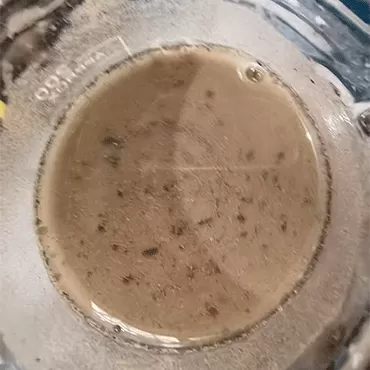
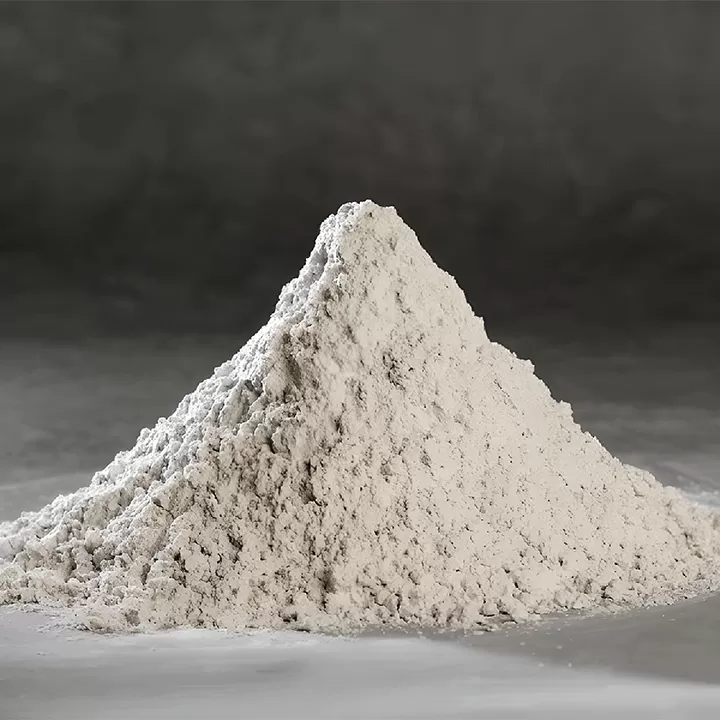
Industrial flooring contractors and concrete specifiers face a persistent challenge: cement on floor systems that crack, curl, or deteriorate under heavy loads and chemical exposure. Traditional ordinary Portland cement (OPC) floors often fall short in demanding environments like warehouses, manufacturing plants, and logistics hubs. The solution lies in a proven supplementary cementitious material (SCM): ground granulated blast-furnace slag (GGBFS or GGBS). This article delivers a data-driven, technical deep dive into optimizing cement on floor mixtures using GGBS, covering hydration chemistry, shrinkage control, sulfate resistance, and lifecycle cost benefits. Drawing on field data and international standards (ASTM C989, EN 15167), we provide actionable insights for B2B buyers seeking robust flooring solutions.
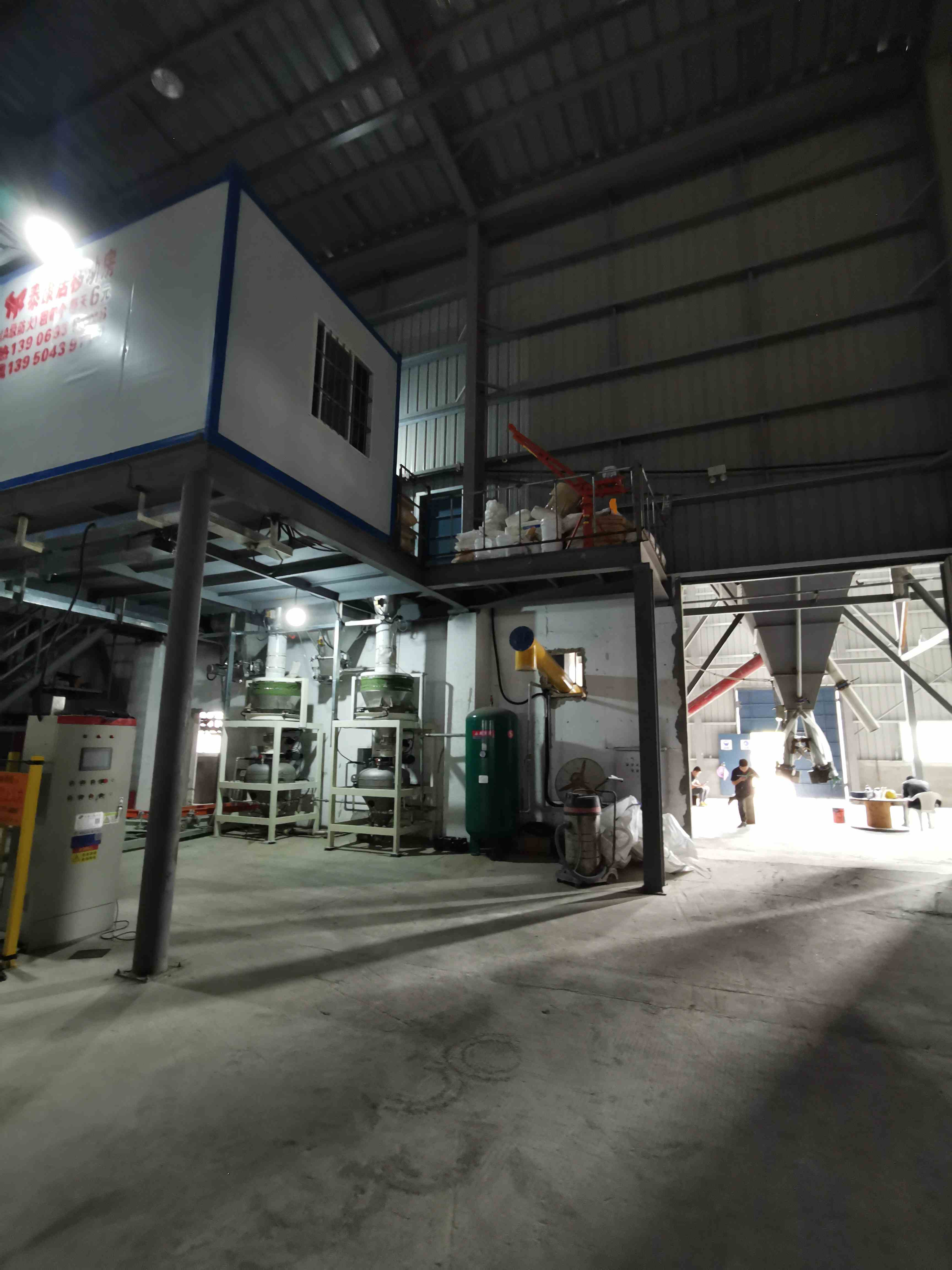
1. Technical Limitations of Conventional Cement on Floor Systems
Standard cement on floor formulations using 100% OPC exhibit well-documented weaknesses in industrial settings:
High drying shrinkage – typically 500–800 microstrain, leading to map cracking and joint spalling.
Pronounced heat of hydration – peak temperature rise of 40–55°C in 150 mm slabs, causing thermal gradient cracks.
Sulfate vulnerability – OPC floors in contact with sulfate-bearing soils or aggressive wastewater show degradation within 3–5 years.
Carbon footprint – OPC production accounts for ~8% of global CO₂ emissions; each ton of OPC floor emits 0.85–0.95 t CO₂.
These limitations translate directly into maintenance costs: floor repairs in logistics centers average $15–25 per square foot annually, with downtime losses exceeding material costs. A shift in binder design is required.
2. GGBFS – Reaction Mechanisms and Microstructural Benefits for Flooring
Ground granulated blast-furnace slag (GGBFS), classified as Grade 100 or 120 per ASTM C989, is a latent hydraulic material. When activated by calcium hydroxide (CH) released during OPC hydration, GGBFS forms additional calcium silicate hydrate (C-S-H) gel with a lower Ca/Si ratio. This refined pore structure delivers three critical advantages for cement on floor applications:
2.1 Reduced Drying Shrinkage and Cracking Potential
At 30–50% GGBFS replacement (by mass), drying shrinkage is reduced by 20–30% compared to OPC-only mixes (ASTM C157 tests). The secondary C-S-H fills capillary pores, minimizing water loss. Long-term creep resistance also improves, essential for heavy-load floor slabs.
2.2 Lower Heat of Hydration
Hydration heat evolution decreases proportionally to slag content – a 50% GGBFS blend lowers the adiabatic temperature rise by 35–40%. This prevents early-age thermal cracking in large-pour floors (e.g., 2000 m² bays).
2.3 Superior Sulfate and Chemical Resistance
GGBFS consumes portlandite (CH) and reduces the content of monosulfoaluminate, which is vulnerable to sulfate attack. Blends with 50–70% slag achieve a sulfate resistance class of SR3 (high) per EN 206, extending floor life in chemical plants and waste treatment facilities.
3. Critical Application Scenarios – Where GGBS Cement on Floor Excels
The industrial value of GGBFS-based cement on floor becomes evident in high-stress environments:
Heavy-duty warehouses – reach truck aisles, ASRS systems. Improved abrasion resistance (ASTM C779) by 15–20%.
Chemical processing floors – resistance to organic acids, chlorides, and sulfates. 50% GGBFS blend reduces chloride ingress by 60% (rapid chloride permeability test).
Food and beverage facilities – low heat prevents floor curling under temperature-controlled environments.
Ports and intermodal yards – high durability against tire wear and freeze-thaw cycles (durability factor >90% after 300 cycles).
Each application requires tailored mix design and placement protocols. For instance, shrinkage cracking mitigation and sulfate attack resistance are engineered through precise slag fineness and activator balance.
4. Mix Design and Placement Protocols for GGBS Flooring
To realize the benefits, follow these technical parameters when designing cement on floor mixtures:
4.1 Binder Proportioning
30–40% GGBFS – general industrial floors, good early strength (7-day compressive ~28 MPa).
50–60% GGBFS – high chemical resistance and low heat projects; 28-day strength >45 MPa, but extend curing to 10–14 days.
70% GGBFS (super-sulfated cement) – extreme sulfate exposure; requires calcium sulfate activator.
4.2 Aggregate and Water
Use well-graded aggregates (max size 20 mm) and keep w/cm ratio ≤0.45. GGBFS increases water demand slightly (2–5%); adjust superplasticizers accordingly. Workability retention is improved – GGBFS concrete maintains slump for 90 minutes, beneficial for large floor pours.
4.3 Curing Requirements
GGBFS-based floors need moist curing for at least 7 days (10 days for blends >50%) to develop full surface hardness. Use curing compounds or wet burlap. Avoid rapid drying – power trowel only after bleeding water has evaporated.
Golden Fortune (Golden Fortune) provides technical mix design support for each project, including site-specific slag fineness optimization (specific surface area 420–600 m²/kg) to balance early strength and ultimate durability.
5. Performance Data: OPC vs. GGBFS Cement on Floor
Independent laboratory tests (following ASTM standards) compare 100% OPC and 50% GGBFS blends for industrial floor slabs (w/cm=0.45, 350 kg/m³ binder):
Drying shrinkage (56 days) – OPC: 720 microstrain; GGBFS (50%): 520 microstrain → 28% reduction.
Compressive strength (28 days) – OPC: 48 MPa; GGBFS: 52 MPa → 8% higher.
Electrical resistivity (indicator of chloride penetration) – OPC: 12 kΩ·cm; GGBFS: 35 kΩ·cm → improved corrosion protection for rebar in reinforced floors.
Sulfate expansion (ASTM C1012, 6 months) – OPC: 0.12%; GGBFS: 0.04% → well below 0.10% limit.
These numbers translate into a floor service life extension of 15–20 years for heavy industrial use, reducing total cost of ownership by 30–40% over a 30-year period.
6. Environmental and Economic Drivers for GGBS Adoption
Regulatory pressure and corporate ESG goals are accelerating demand for low-carbon cement on floor. Using 50% GGBFS reduces CO₂ footprint by 400–450 kg per cubic meter of concrete (compared to OPC). For a typical 10,000 m² floor (150 mm thick, 1500 m³ concrete), that’s a saving of 600+ tonnes CO₂ – equivalent to 130 passenger cars off the road for one year.
Economically, GGBFS is cost-neutral or slightly lower than OPC in many regions (slag pricing often 15–20% under clinker). Factoring in extended maintenance intervals and lower repair frequency, the internal rate of return (IRR) on switching to GGBFS flooring exceeds 25% for most B2B projects.
7. Why Golden Fortune for Your GGBFS Flooring Projects
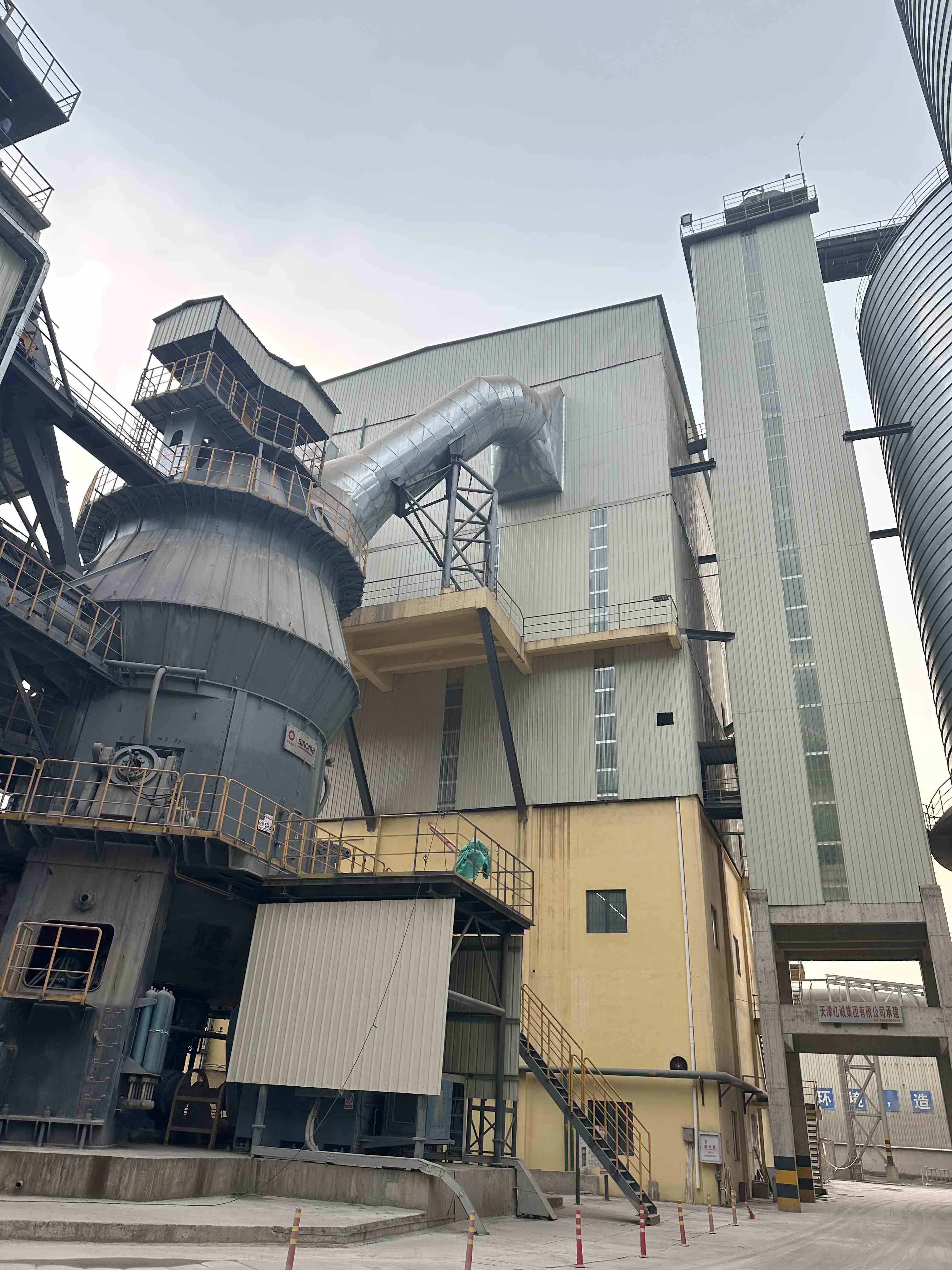
With over a decade of slag processing expertise, Golden Fortune supplies ultra-fine GGBFS (specific surface up to 650 m²/kg) designed for high-performance cement on floor applications. Our products meet ASTM C989 Grade 120 and EN 15167-1 standards. We provide:
Customized particle size distribution for rapid strength gain or low heat demands.
Technical field support – trial mixes, shrinkage prediction modeling, and curing protocols.
Bulk vessel and JIT delivery to ready-mix plants or job sites.
Contact our engineers for mix design validation or to request a sample batch. Golden Fortune also offers low heat hydration modeling and lifecycle cost analysis as part of our B2B technical support program.
Frequently Asked Questions – Cement on Floor with GGBFS
Q1: What is the ideal GGBFS replacement level for heavy-duty cement on floor applications?
A1: For most industrial floors (forklift traffic, 40–60 kN wheel loads), a 30–50% replacement offers optimal balance between early strength (24-hour demolding) and long-term shrinkage reduction. For chemical resistance, increase to 50–65% but extend moist curing to 14 days. cement on floor blends above 70% require specialist mix design with activators.
Q2: Does GGBFS concrete floor require special finishing techniques compared to OPC?
A2: GGBFS concrete has slightly slower setting (30–60 minutes delay). This actually benefits finishing – more time for power troweling without plastic shrinkage cracks. Use laser screed or ride-on trowels after achieving a bleed water film evaporation rate ≤0.5 kg/m²/h. Do not overwork the surface; premature finishing traps bleed water, reducing surface abrasion resistance.
Q3: How does GGBS reduce cracking specifically in large floor slabs (no joints)?
A3: Two mechanisms: (1) reduced autogenous shrinkage due to refined pore structure – internal relative humidity stays higher; (2) lower elastic modulus (by 5–10%) combined with higher tensile creep allows stress relaxation. Field studies on 50% GGBFS slabs show a 55% reduction in restrained shrinkage crack index per ACI 224.
Q4: Can GGBFS be used with rapid-hardening cements or calcium sulfoaluminate (CSA) binders for fast-track floor projects?
A4: Yes, but compatibility must be tested. GGBFS blends with CSA or calcium aluminate cement produce ettringite-based systems with very low shrinkage and high early strength (8-hour walk-on). Golden Fortune offers custom ternary blend formulations for such applications. Request technical data sheet for fast-setting floor repairs.
Q5: What is the cost premium for GGBFS-based cement on floor versus standard OPC floors?
A5: In most markets, GGBFS is 10–20% cheaper per ton than OPC. However, total installed cost depends on curing requirements (slightly longer curing may increase labor). Overall, project cost is usually ±0–5% of OPC. The real saving comes from extended floor life – reduced joint repairs, less patching, and lower downtime – achieving 25–35% lower lifecycle cost over 20 years.
Request a Technical Consultation or Quotation
For bulk GGBFS supply, mix design optimization, or project-specific durability modeling, contact Golden Fortune directly. Our team of materials engineers provides:
Free shrinkage simulation report for your slab dimensions.
Sample batch for site trials (minimum 5 tons).
ASTM/EN test certificates for each shipment.
Send your inquiry now – include project location, required monthly volume, and target floor specification (e.g., flatness FF/FL 50, abrasion resistance class). We will respond within 24 hours with a technical proposal and commercial offer.
Visit our product page for detailed GGBFS specifications: cement on floor solutions | Learn about engineering services at GGBFS technical support