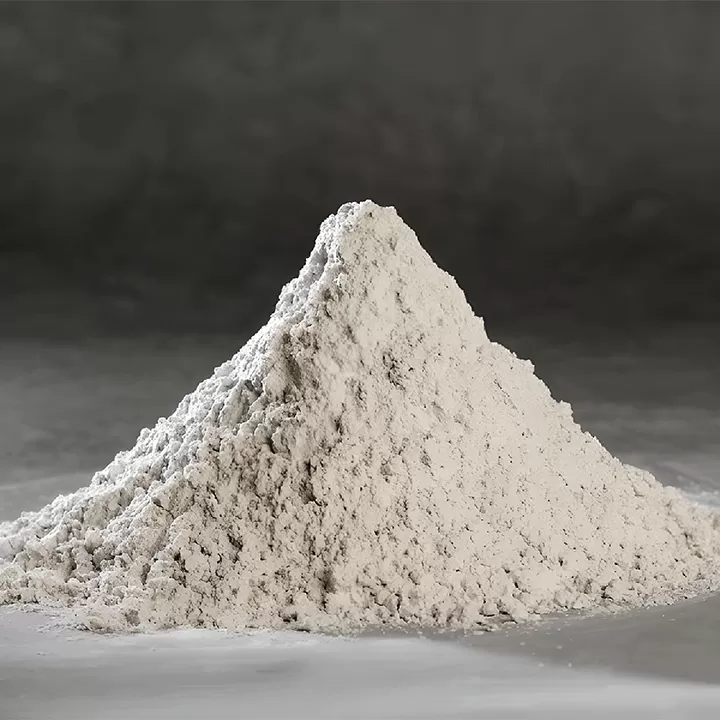
Portland type I cement, conforming to ASTM C150, is the most widely used general‑purpose hydraulic binder in the world. It is suitable for concrete structures where no special sulfate resistance or low heat of hydration is required. Typical applications include foundations, pavements, reinforced concrete buildings, bridges, and precast products. This guide presents eight technical parameters that civil engineers and concrete producers must evaluate when selecting portland type I cement. Each point is based on ASTM test methods, field performance data, and blend optimization with supplementary cementitious materials (SCMs) such as GGBFS.
1. Chemical Composition Limits per ASTM C150
Portland type I cement must meet strict oxide and compound limits to ensure consistent performance. Key requirements:
SiO₂ (silica): 20–22%
Al₂O₃ (alumina): 4–6%
Fe₂O₃ (iron oxide): 2–4%
CaO (lime): 62–67%
MgO (magnesia): ≤ 6%
SO₃ (sulfate): ≤ 3.0% for C3A ≤ 8%
Loss on ignition (LOI): ≤ 3.0%
The calculated potential compound composition (Bogue equations) typically gives C3S (alite) 45–55%, C2S (belite) 15–25%, C3A 6–10%, C4AF 6–10%. Golden Fortune supplies portland type I cement with C3A controlled below 8% for better durability.
2. Physical Requirements and Strength Grades
ASTM C150 specifies three strength grades for portland type I: low, normal, and high early strength. Typical requirements (mortar cubes, ASTM C109):
1‑day strength (optional): ≥ 12 MPa
3‑day strength: ≥ 12 MPa (low), ≥ 15 MPa (normal), ≥ 24 MPa (high)
7‑day strength: ≥ 19 MPa (low), ≥ 22 MPa (normal), ≥ 29 MPa (high)
28‑day strength: ≥ 28 MPa (low), ≥ 32 MPa (normal), ≥ 38 MPa (high)
Most commercial portland type I cement achieves 28‑day strengths of 38–45 MPa in concrete with a water‑cement ratio of 0.45. For higher performance, blending with ultrafine GGBFS can increase 28‑day strength by 10–20%.
3. Heat of Hydration and Thermal Cracking Risk
Portland type I cement generates moderate heat (250–350 J/g after 7 days). For large pours (thickness > 600 mm), the temperature rise can exceed 35°C, leading to thermal cracking. Mitigation methods:
Replace 25–40% of portland type I with GGBFS or fly ash to reduce peak temperature by 15–25°C.
Use chilled mixing water or liquid nitrogen for mass concrete.
Specify a low‑heat variant (Type I(LH)) if available.
For typical foundation slabs (500 mm thick), a 30% GGBFS blend reduces the adiabatic temperature rise from 50°C to 38°C, significantly lowering crack risk.
4. Setting Time and Workability
Initial setting time (Gillmore needle) for portland type I is ≥ 45 minutes, typically 60–120 minutes. Final setting occurs within 2–4 hours. Factors affecting setting:
Higher C3A content shortens set time.
Temperature: every 10°C increase reduces set time by 20–30%.
Use of water reducers (lignosulfonate or polycarboxylate) may retard set by 30–60 minutes.
For hot weather concreting (> 32°C), add set retarders (0.1–0.3% by cement weight) or use a Type II cement with lower C3A.
5. Sulfate Resistance and Durability Limitations
Standard portland type I is not sulfate‑resistant. It should not be used in soils or groundwater with sulfate concentrations exceeding 0.2% (SO₄). For moderate sulfate exposure (Class S2, 0.2–0.5% SO₄), use Type II cement or blend portland type I with 50% GGBFS. For severe exposure (>0.5% SO₄), use Type V cement.
Test method: ASTM C1012 expansion in 5% Na₂SO₄ solution.
Expansion limit for moderate resistance: < 0.10% at 6 months.
Golden Fortune provides portland type I cement with documented C3A content and can recommend optimal GGBFS blends for improved sulfate resistance.
6. Compatibility with Chemical Admixtures
Portland type I cement is compatible with most ASTM C494 admixtures. However, certain combinations require testing:
Polycarboxylate superplasticizers – excellent fluidity retention; dosage 0.5–1.5% by cement.
Air‑entraining agents (AEA) – necessary for freeze‑thaw resistance; adjust dosage to achieve 4–7% air content.
Calcium chloride accelerators – limited to 2% by cement weight; avoid for prestressed concrete due to corrosion risk.
Perform a Marsh cone or mini‑slump test before large pours to verify compatibility, especially when using SCM blends.
7. Blending with GGBFS for Enhanced Performance
Replacing a portion of portland type I with ground granulated blast furnace slag (GGBFS) improves long‑term strength, sulfate resistance, and reduces permeability. Recommended blend levels:
20–30% GGBFS: moderate heat reduction, slight increase in 28‑day strength.
40–50% GGBFS: significant heat reduction, excellent sulfate resistance, but slower early strength (use Type III cement for early strength compensation).
60–70% GGBFS: for high durability in marine or aggressive environments; requires careful curing and may need chemical activation.
Ultrafine GGBFS (600–800 m²/kg) from Golden Fortune enhances packing density, allowing 30–40% replacement of portland type I without loss of early strength.
8. Quality Control and Certification
When procuring portland type I cement, request the following documents from the supplier:
ASTM C150 mill test certificate with oxide analysis, compound composition, fineness (Blaine), setting times, and compressive strength at 1, 3, 7, and 28 days.
Factory production control (FPC) certificate under ISO 9001.
Third‑party alkali‑silica reactivity (ASR) test if reactive aggregates are used (ASTM C1260).
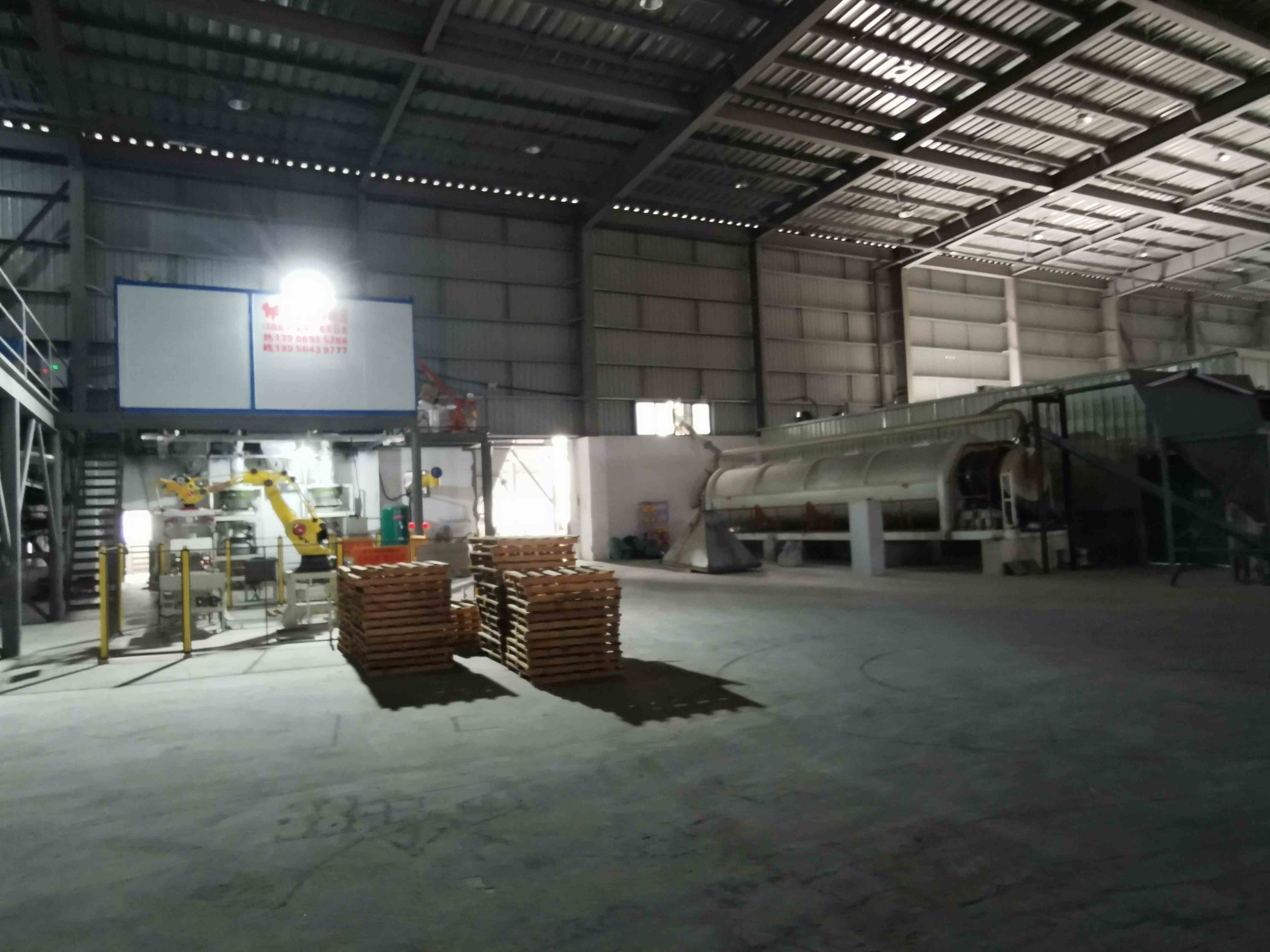
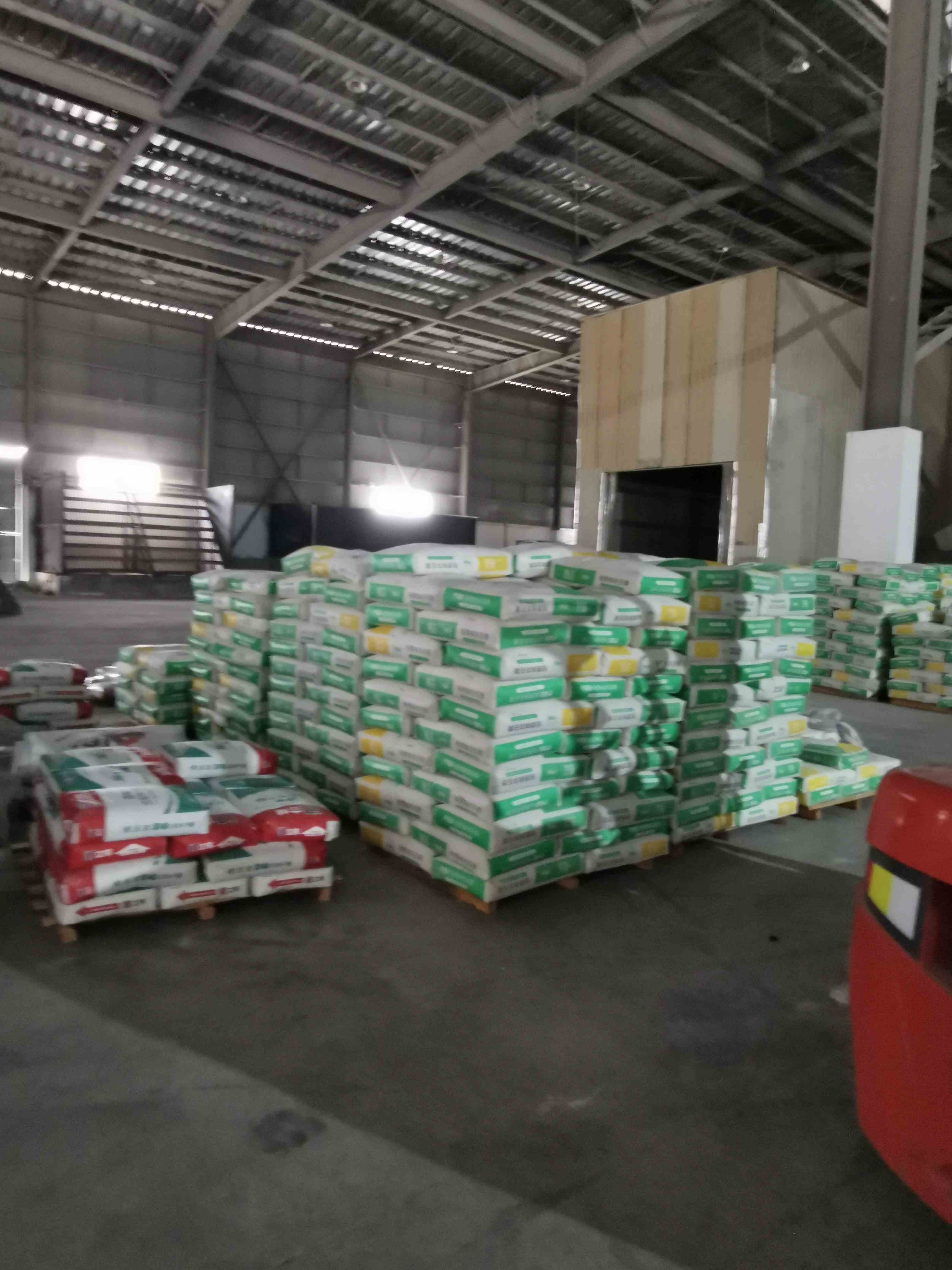
Golden Fortune supplies portland type I cement with full traceability and optional packing in 50 kg bags, 1.5 MT jumbo bags, or bulk tanker delivery.
Case Study: High‑Rise Building Core with Type I + GGBFS Blend
A 45‑storey tower required 60,000 m³ of concrete with a 28‑day strength of 45 MPa. Using portland type I alone resulted in a peak temperature of 72°C in the 1.2 m thick shear walls. By replacing 35% of portland type I with ultrafine GGBFS from Golden Fortune, the peak temperature dropped to 58°C, and 28‑day strength reached 52 MPa. No thermal cracking occurred, and the project saved 12% on cement costs.
Frequently Asked Questions (FAQ)
Q1: What is the difference between portland type I and type II
cement?
A1: Type I is general purpose with moderate sulfate
resistance. Type II has a lower C3A content (≤8%) and provides moderate sulfate
resistance, making it suitable for exposure to soils with moderate sulfate
levels. Type I is more common for general construction, while Type II is
specified when sulfate attack is a concern but not severe enough to require Type
V. Both have similar strength development.
Q2: Can I use portland type I for precast concrete
production?
A2: Yes, but for rapid formwork turnover, consider using
a high‑early‑strength variant of Type I or blend with 5–10% silica fume.
Standard portland type I achieves demolding strength (≥20 MPa) in 18–24 hours at
20°C. For faster cycles, use Type III or accelerate with non‑chloride
accelerators. Golden Fortune offers
a modified Type I with finer grinding (Blaine 450 m²/kg) for precast
applications.
Q3: What is the typical shelf life of portland type I cement in
bags?
A3: In dry, sealed bags stored off the ground, portland type I
cement retains its strength for 6–12 months. After 3 months, the 28‑day strength
may drop by 5–10% due to pre‑hydration. Always test cement older than 6 months
before use. Bulk cement stored in silos with good aeration should be used within
4–6 weeks. Do not use lumpy or caked cement.
Q4: How do I calculate the optimal water‑to‑cement ratio for concrete
made with portland type I?
A4: Use Abrams’ law: strength = K /
(w/c)^(1.5). For typical aggregates, a w/c of 0.45 gives 35–40 MPa, 0.40 gives
45–50 MPa, 0.35 gives 55–60 MPa. For durability in freeze‑thaw or low
permeability, limit w/c to 0.45. Always adjust for admixtures and aggregate
moisture. A simple method: perform trial batches with w/c ratios of 0.40, 0.45,
and 0.50 to build a strength curve.
Q5: Is portland type I cement compatible with GGBFS in cold weather
concreting?
A5: Yes, but the blend will set and gain strength more
slowly at low temperatures (below 10°C). To compensate, use a higher proportion
of portland type I (e.g., 70% Type I + 30% GGBFS) instead of 50/50. Also use hot
water (≤60°C) for mixing, and protect the concrete with insulated blankets or
enclosures. For very cold climates (<0°C), avoid GGBFS blends and use Type
III cement with calcium chloride (if permitted).
Request a Technical Data Sheet or Bulk Quotation
Selecting the right portland type i cement for your project requires detailed information on clinker chemistry, fineness, and compatibility with local aggregates. Golden Fortune offers free sample shipments (10 kg) for laboratory testing. Send your project specifications (target strength, exposure class, placement method). Our engineers will provide a full data package including strength development curves, heat of hydration graphs, and blend recommendations with GGBFS.
Submit an inquiry to our cement technical team → Click here for a response within 24 hours