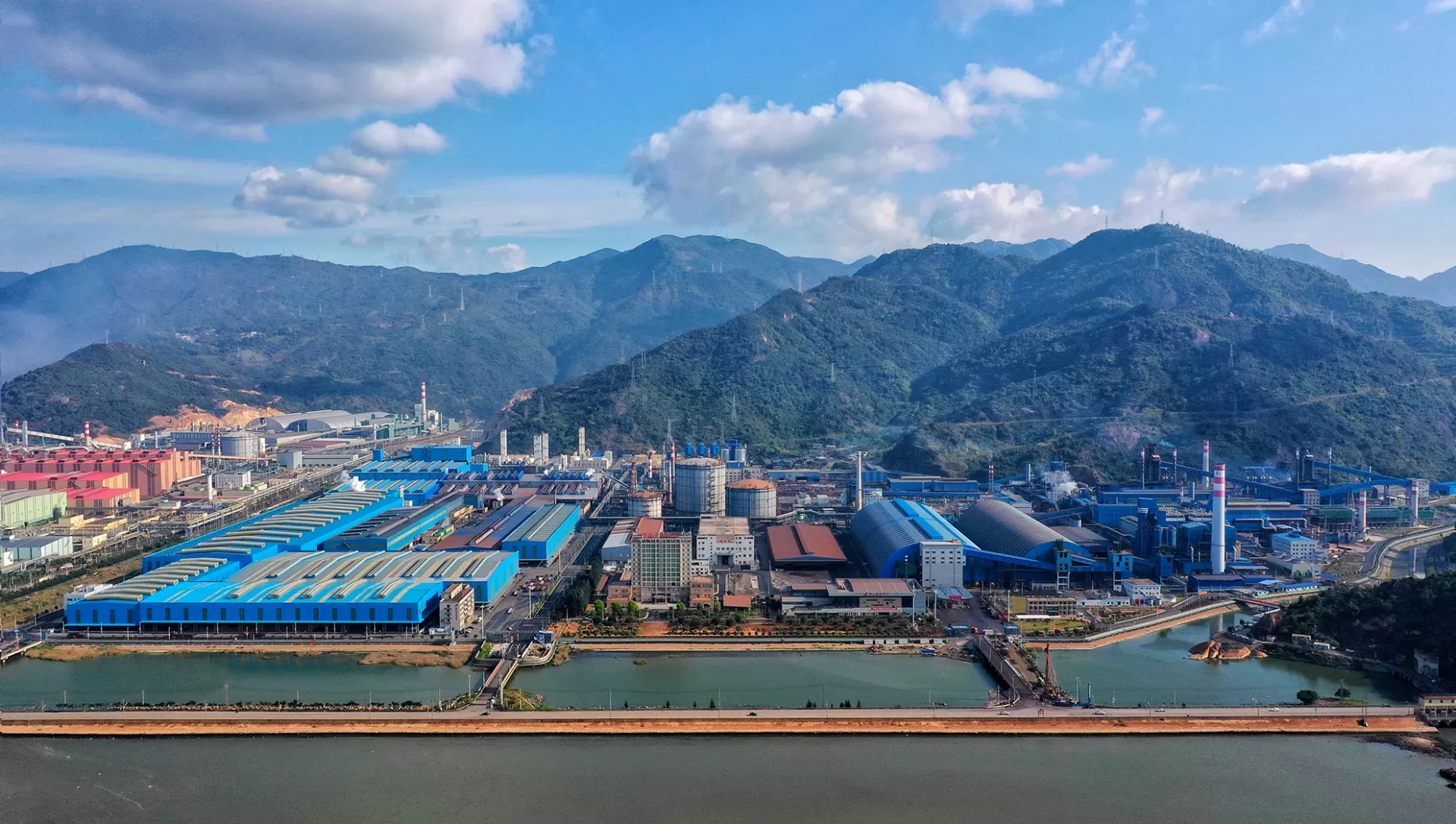
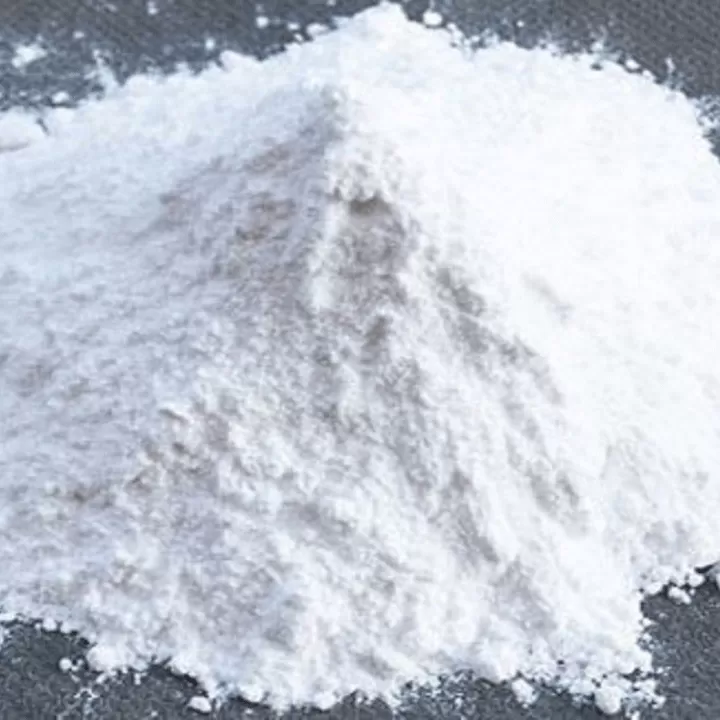
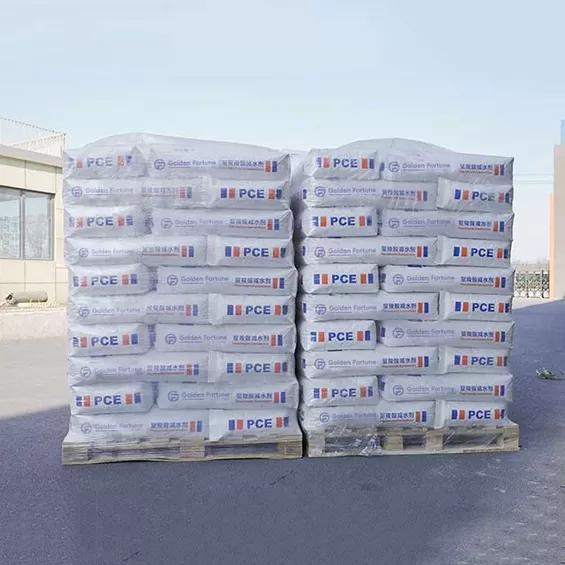
In modern concrete technology, the ability to modify the properties of fresh and hardened concrete through chemical admixtures has revolutionised construction practices. Among these, the concrete water reducer admixture is the most widely used and essential component for achieving workability without compromising strength or durability. With over two decades of experience in mineral additives and chemical admixtures, I have observed how proper selection and dosage of water reducers can solve complex performance requirements—from high‑rise pumped concrete to massive infrastructure projects. This article provides a technical deep dive into the chemistry, classification, application scenarios, and common field challenges associated with water‑reducing admixtures. Throughout, we reference the expertise of Golden Fortune, a trusted supplier of construction materials and concrete solutions.
Chemistry and Classification of Water Reducers
A concrete water reducer admixture works by adsorbing onto cement particles and imparting a negative charge, causing electrostatic repulsion that disperses the particles and releases trapped water. This allows a reduction in mixing water while maintaining slump, or an increase in slump without adding water. Based on their chemical composition and performance, water reducers are classified into several generations.
Lignosulfonates (First Generation)
Derived from wood pulp, lignosulfonates are the oldest and most economical water reducers. They provide a water reduction of 5–10% and are effective in ordinary concrete. However, they can retard setting and entrain air, which must be controlled with additional admixtures. Their performance is sensitive to temperature and cement composition.
Sulfonated Naphthalene Formaldehyde (SNF) and Sulfonated Melamine Formaldehyde (SMF) – Second Generation
These synthetic polymers offer higher water reduction (15–25%) and are classified as high‑range water reducers or superplasticizers. SNF is the most common type worldwide, known for its excellent dispersion and minimal retardation. SMF provides faster setting and is often used in precast concrete where early strength is critical. Both types work well with most cements but may exhibit slump loss over time, especially in hot weather.
Polycarboxylate Ethers (PCE) – Third Generation
Polycarboxylate‑based superplasticizers represent the state of the art. Their comb‑like polymer structure allows for water reduction up to 40% while maintaining slump for extended periods (up to 2 hours or more). PCEs are the preferred choice for high‑performance concrete (HPC), self‑consolidating concrete (SCC), and mixes requiring long transportation times. They are also more compatible with supplementary cementitious materials such as fly ash, slag, and silica fume. Golden Fortune supplies a range of PCE admixtures tailored to local cement characteristics.
Application Scenarios for Water‑Reducing Admixtures
The use of a concrete water reducer admixture is not limited to simply reducing water. It enables multiple performance enhancements across different construction sectors.
High‑Performance and High‑Strength Concrete
To achieve compressive strengths above 60 MPa, a low water‑cement ratio (w/c < 0.35) is necessary. Without a superplasticizer, such low w/c mixes would be unworkable. By adding a PCE‑based water reducer, the concrete remains fluid enough to place and consolidate, while the low w/c ensures high density and strength. In tall buildings and bridges, this combination is indispensable.
Self‑Consolidating Concrete (SCC)
SCC relies on high deformability and resistance to segregation without mechanical vibration. This is achieved through a carefully balanced mix design that includes a high‑range water reducer, often combined with a viscosity‑modifying agent. The concrete water reducer admixture provides the necessary flowability, while the viscosity agent prevents bleeding and segregation.
Precast and Prestressed Concrete
In precast plants, rapid mould turnover demands high early strength. Superplasticizers allow a reduction in water content, leading to faster strength development and earlier demoulding. Additionally, they enable the production of complex shapes with congested reinforcement, where good flow around rebars is essential.
Mass Concrete and Infrastructure
Large pours, such as foundations and dams, generate heat during cement hydration, which can lead to thermal cracking. Water reducers allow a reduction in cement content while maintaining workability, thereby lowering the heat of hydration. Combined with fly ash or GGBFS, they contribute to durable, crack‑resistant structures.
Industry Pain Points and Technical Solutions
Despite their benefits, water‑reducing admixtures can present challenges that require expert handling. The following are common issues encountered in the field and their remedies.
Slump Loss and Workability Retention
Many superplasticizers, especially naphthalene‑based ones, cause a rapid loss of slump after mixing, particularly in hot weather. This occurs because the adsorbed polymer becomes incorporated into hydration products or is consumed by cement particles. Solutions include:
Using polycarboxylate ethers with built‑in slump retention (retarding PCEs).
Dosing a portion of the admixture at the batch plant and the remainder at the job site (delayed addition).
Combining with a set retarder to slow hydration.
Using ice or chilled water to lower concrete temperature.
Golden Fortune provides customized PCE formulations that maintain slump for up to 90 minutes even in high ambient temperatures.
Incompatibility with Cement
Not all water reducers work well with every cement. Variations in C3A content, sulfate form, and alkali levels can lead to abnormal setting, poor workability, or excessive air entrainment. This is often traced to the cement‑admixture interaction. Mitigation steps:
Conducting cement‑admixture compatibility tests (Marsh cone, mini‑slump) before large pours.
Adjusting the admixture dosage or switching to a different chemical family (e.g., from SNF to PCE).
Using a modified admixture designed for the specific cement type.
Air Entrainment and Foaming
Some water reducers, particularly lignosulfonates and certain PCEs, can entrain unintended air, which reduces strength and may not meet air‑void specifications for freeze‑thaw resistance. Defoamers or anti‑foaming agents can be added to the admixture formulation. For critical structures, air content should be monitored regularly with a pressure meter.
Segregation and Bleeding
Overdosing a superplasticizer can cause the concrete to segregate—coarse aggregate settling, paste rising. This is especially problematic in SCC. Solutions include reducing the dosage, adding a viscosity‑modifying agent, or increasing the fines content (sand or supplementary cementitious materials).
Effect on Setting Time
All water reducers can affect setting time to some degree. Lignosulfonates are known retarders, while some PCEs are neutral or slightly accelerating. In cold weather, retardation may be excessive; in hot weather, it may be insufficient. Field adjustments can be made by using accelerator or retarder admixtures in combination with the water reducer.
Key Selection Criteria for Water‑Reducing Admixtures
Choosing the right concrete water reducer admixture for a project involves evaluating several parameters:
Water reduction requirement: Normal (5–10%), high (12–25%), or superplasticizing (>25%).
Workability retention: Short (30 min) or extended (90+ min) slump life.
Setting characteristics: Standard, retarding, or accelerating types.
Cement compatibility: Test with the actual cement to be used.
Temperature conditions: Hot weather may require retarding or slump‑keeping formulations.
Other admixtures: Compatibility with air‑entrainers, retarders, accelerators, or corrosion inhibitors.
Cost and supply: Balance between performance and budget; ensure reliable supply for large projects.
Golden Fortune offers technical support to help contractors select and optimize admixture dosages based on local materials and project specifications.
Future Trends in Water Reducer Technology
The development of concrete water reducer admixture continues to evolve towards sustainability and multifunctionality:
Bio‑based polymers: Research into renewable raw materials for PCE production to reduce carbon footprint.
Multi‑functional admixtures: Combining water reduction with shrinkage compensation, internal curing, or self‑healing properties.
Smart admixtures: Responsive to pH, temperature, or ion concentration to adjust rheology on demand.
Digital dosing systems: Automated real‑time adjustment of admixture dosage based on slump sensors.
These innovations will further enhance the performance and sustainability of concrete, meeting the demands of future infrastructure.
Frequently Asked Questions (FAQs) about Concrete Water Reducer Admixtures
Q1: What is the difference between a plasticizer and a
superplasticizer?
A1: Plasticizers (water reducers) typically reduce
water content by 5–10% and are based on lignosulfonates. Superplasticizers
(high‑range water reducers) reduce water by 12–40% and are based on synthetic
polymers like sulfonated naphthalene, melamine, or polycarboxylate ethers.
Superplasticizers are used for high‑strength and high‑workability concrete.
Q2: Can I use a water reducer in all types of
concrete?
A2: Yes, water reducers are compatible with almost all
concrete mixes, including those with fly ash, slag, silica fume, and fibers.
However, the type and dosage must be selected based on the specific mix design
and performance requirements. Always conduct trial mixes.
Q3: How does a water reducer affect concrete
strength?
A3: By reducing the water‑cement ratio, a water reducer
increases the density and thus the compressive and flexural strength of hardened
concrete. It also improves the bond between paste and aggregate. However,
overdosing can lead to segregation and strength loss, so proper dosage is
critical.
Q4: What causes slump loss, and how can it be
controlled?
A4: Slump loss is the reduction in workability over time
due to cement hydration and the consumption of the admixture. It can be
controlled by using retarding or slump‑retaining admixtures, delayed addition of
the superplasticizer, cooling the concrete, or using a PCE with extended
workability retention. Concrete water reducer
admixture formulations are available specifically for hot
weather.
Q5: Are water reducers compatible with air‑entraining
admixtures?
A5: Generally yes, but some water reducers can affect
the air‑void system. It is recommended to test the combination in the laboratory
to ensure that the desired air content and spacing factor are achieved. Some
manufacturers offer combined products for simplicity.
Q6: How do I determine the correct dosage of a water
reducer?
A6: Dosage is typically recommended by the manufacturer as
a percentage of cementitious material weight (e.g., 0.2–2%). Final dosage should
be established through trial mixes that measure slump, air content, setting
time, and strength. Factors such as cement type, temperature, and desired
workability influence the optimum dose.
Q7: Can a water reducer be added on site if the concrete arrives
stiff?
A7: Yes, but it must be done carefully. Adding water reducer
on site (often called "job‑site addition") can restore workability, but it may
affect setting time and strength if not accounted for. It is best to consult the
admixture supplier and perform quick tests. Some superplasticizers are
specifically designed for late addition.
Q8: What are the benefits of polycarboxylate ether (PCE) over
naphthalene‑based superplasticizers?
A8: PCEs offer higher water
reduction (up to 40%), better slump retention, lower dosage rates, and improved
compatibility with a wide range of cements and supplementary materials. They
also enable the production of self‑consolidating concrete and
ultra‑high‑performance concrete. However, they can be more expensive and
sensitive to overdosing.