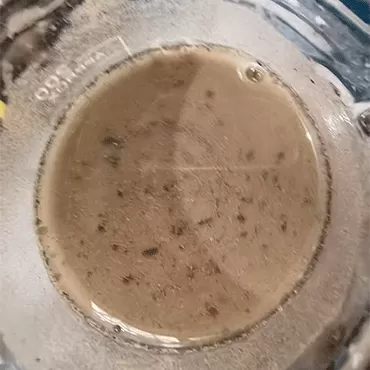
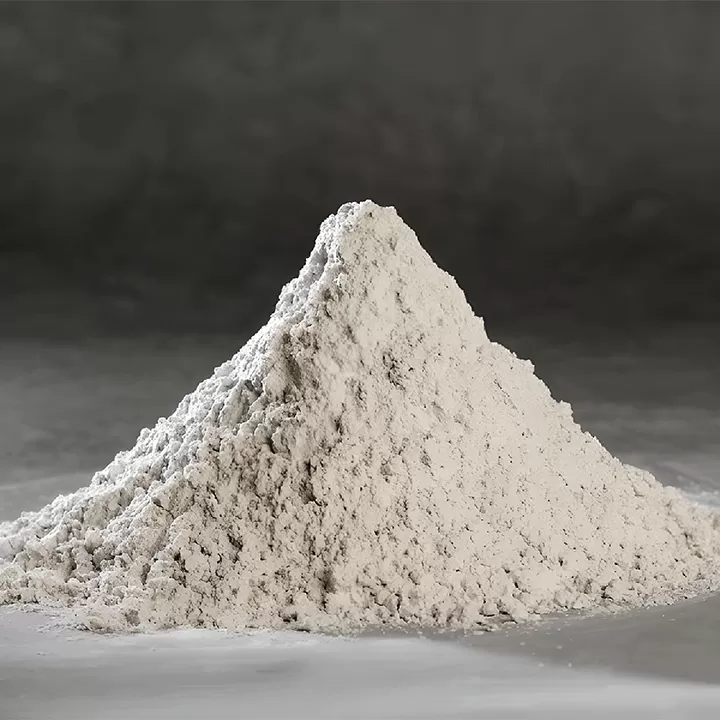
In modern concrete technology, the term white powder on cement frequently appears in technical specifications, quality control reports, and job site discussions. This is not a contaminant or a surface efflorescence issue. Instead, it refers to Ground Granulated Blast-furnace Slag (GGBFS or GGBS) – a high-performance supplementary cementitious material (SCM) that has become indispensable for engineers seeking durability, sustainability, and life-cycle cost efficiency.
Produced by rapidly quenching molten iron slag in water, then drying and grinding it to a fine, off-white powder, GGBFS exhibits latent hydraulic properties. When activated by cement hydration products, it transforms ordinary concrete into a denser, more chemically resistant composite. This article provides a rigorous technical examination of the white powder on cement, covering its physical chemistry, performance mechanisms, industry pain points, and why sourcing from an experienced manufacturer like Golden Fortune ensures consistency.
1. What Exactly Is the 'White Powder on Cement'? – Defining GGBFS
The white powder on cement is milled granulated blast-furnace slag, classified as an SCM conforming to ASTM C989 (Grades 80, 100, 120) or EN 15167-1. Its characteristic pale color derives from the calcium-aluminum-magnesium silicate composition, contrasting with grey Portland cement. Key physical traits include:
Particle fineness: Specific surface area typically 400–600 m²/kg (Blaine), significantly higher than OPC.
Bulk density: 1.0–1.2 g/cm³ (loose), about 10-15% lighter than cement.
Glass content: >95% amorphous phase, essential for reactivity.
Chemical modulus: (CaO+MgO+Al₂O₃)/SiO₂ >1.6 ensures hydraulic response.
This white powder on cement is not a filler; it actively participates in secondary pozzolanic reactions. The main reaction consumes calcium hydroxide (CH) – a weak byproduct of cement hydration – to produce additional calcium-silicate-hydrate (C-S-H) gel, the primary strength-giving phase. This chemical synergy underpins all performance advantages.
2. Critical Technical Parameters and Quality Indicators
To specify GGBFS correctly, B2B buyers must evaluate several index properties. Reputable suppliers like Golden Fortune provide mill certificates listing:
Activity index: 7-day ≥ 75%, 28-day ≥ 95% (Grade 100) relative to cement.
Sulfide sulfur (S²⁻): ≤ 2.0% to avoid corrosion risks.
Moisture content: < 1.0% for accurate batching.
Chlorides: < 0.06% (critical for reinforced concrete).
Insoluble residue: < 1.5%.
For high-strength or mass concrete applications, ultrafine GGBFS (specific surface >700 m²/kg) provides enhanced nucleation effects. The consistent chemistry of Golden Fortune’s product ensures predictable setting times and strength development, a major concern for ready-mix producers.
3. Eight Technical Performance Benefits of Integrating GGBFS
3.1 Superior Sulfate and Chemical Resistance
By replacing 50–70% of cement, the white powder on cement reduces CH content, thus minimizing the formation of expansive ettringite and gypsum. Concrete exposed to seawater, wastewater treatment plants, or sulfate-bearing soils exhibits negligible deterioration over 50+ years.
3.2 Mitigation of Alkali-Silica Reaction (ASR)
The dense pore structure and reduced alkalinity limit the migration of alkali ions. GGBFS replacement >50% effectively suppresses deleterious expansion even with reactive aggregates.
3.3 Lower Heat of Hydration – Mass Concrete Solution
Hydration heat of GGBFS blends is 30–50% lower than plain OPC. This eliminates thermal cracking in dams, foundations, and bridge piers without active cooling systems.
3.4 Increased Long-Term Compressive Strength
While early strength may be slightly reduced (Grade 100 achieves 28-day strength equivalent to OPC), 90-day and 1-year strengths exceed OPC by 15–25% due to continued pozzolanic activity.
3.5 Improved Workability and Pumpability
The spherical morphology of slag particles (compared to angular cement grains) reduces water demand by 2–5% and enhances cohesion, reducing segregation and bleeding.
3.6 Reduced Chloride Ion Penetration
Rapid Chloride Permeability (RCP) values drop from >4000 coulombs (OPC) to <1500 coulombs for 50% GGBFS blends, extending service life of marine and bridge structures.
3.7 Autogenous Shrinkage Control
Internal curing effect from the fine particles and refined capillary pores reduces autogenous shrinkage by up to 30%, minimizing cracking in high-strength concrete.
3.8 Lower Carbon Footprint & LEED Contribution
Each tonne of GGBFS used avoids ~0.9 tonne CO₂ emissions compared to OPC. It is an industrial byproduct (ISO 14044 certified), contributing to green building credits.
4. Addressing Industry Pain Points with White Powder on Cement
Concrete specifiers face recurring challenges: thermal cracking in massive pours, short service life in aggressive environments, and pressure for environmental declarations. The white powder on cement directly solves these:
Pain point: High maintenance costs due to sulfate attack. – Solution: GGBFS concrete shows virtually no expansion after 2 years in 5% Na₂SO₄ solution.
Pain point: Delayed formwork removal in cold weather. – Solution: Use Grade 80 or 100 with accelerators; strength gain profiles are predictable.
Pain point: Inconsistent SCM quality from fly ash. – Solution: GGBFS is chemically uniform because it originates from controlled blast furnace operations, not variable coal sources.
Pain point: High embodied carbon targets (e.g., EPD requirements). – Solution: 50% GGBFS replacement reduces GWP by 40–45% without compromising structural grade.
5. Application Scenarios: Where GGBFS Outperforms Traditional Binders
Based on global projects and international standards (ACI 233R, EN 206), the optimal use cases include:
Marine structures: Ports, breakwaters, offshore wind foundations – 50–70% GGBFS.
Mass concrete: Roller-compacted concrete dams, large raft foundations – 50–80% replacement.
Precast/prestressed elements: 20–40% GGBFS to improve surface finish and long-term strength.
Sewerage and industrial floors: 40–60% GGBFS for biogenic sulfuric acid resistance.
Highway pavements & bridges: 30–50% GGBFS to mitigate ASR and freeze-thaw damage.
For each scenario, the addition rate of the white powder on cement must be adjusted based on local temperature, required early strength, and exposure class. Trial mixes are recommended, but decades of field data provide reliable guidance.
6. Quality Assurance and Supply Chain Consistency: The Golden Fortune Edge
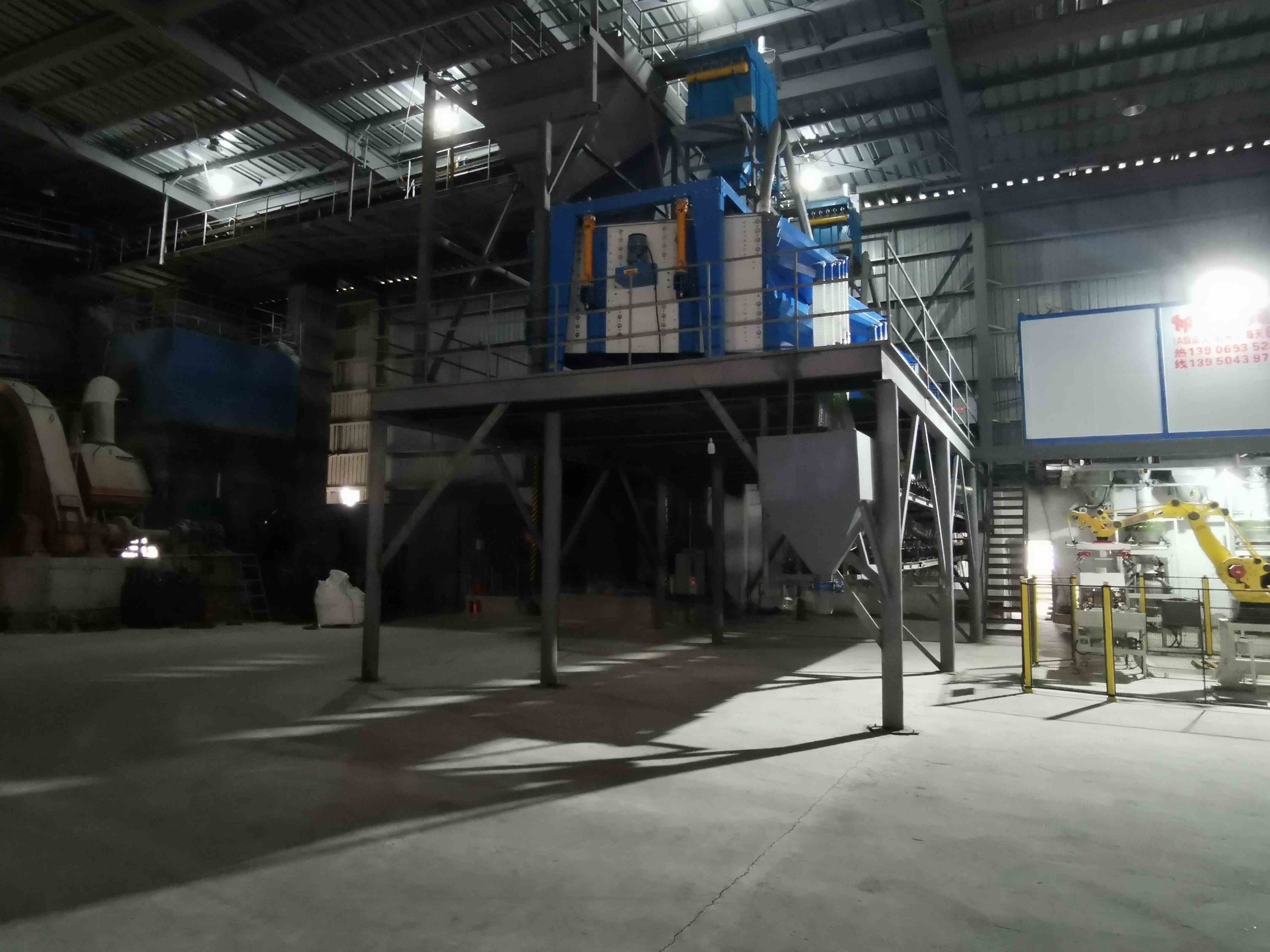
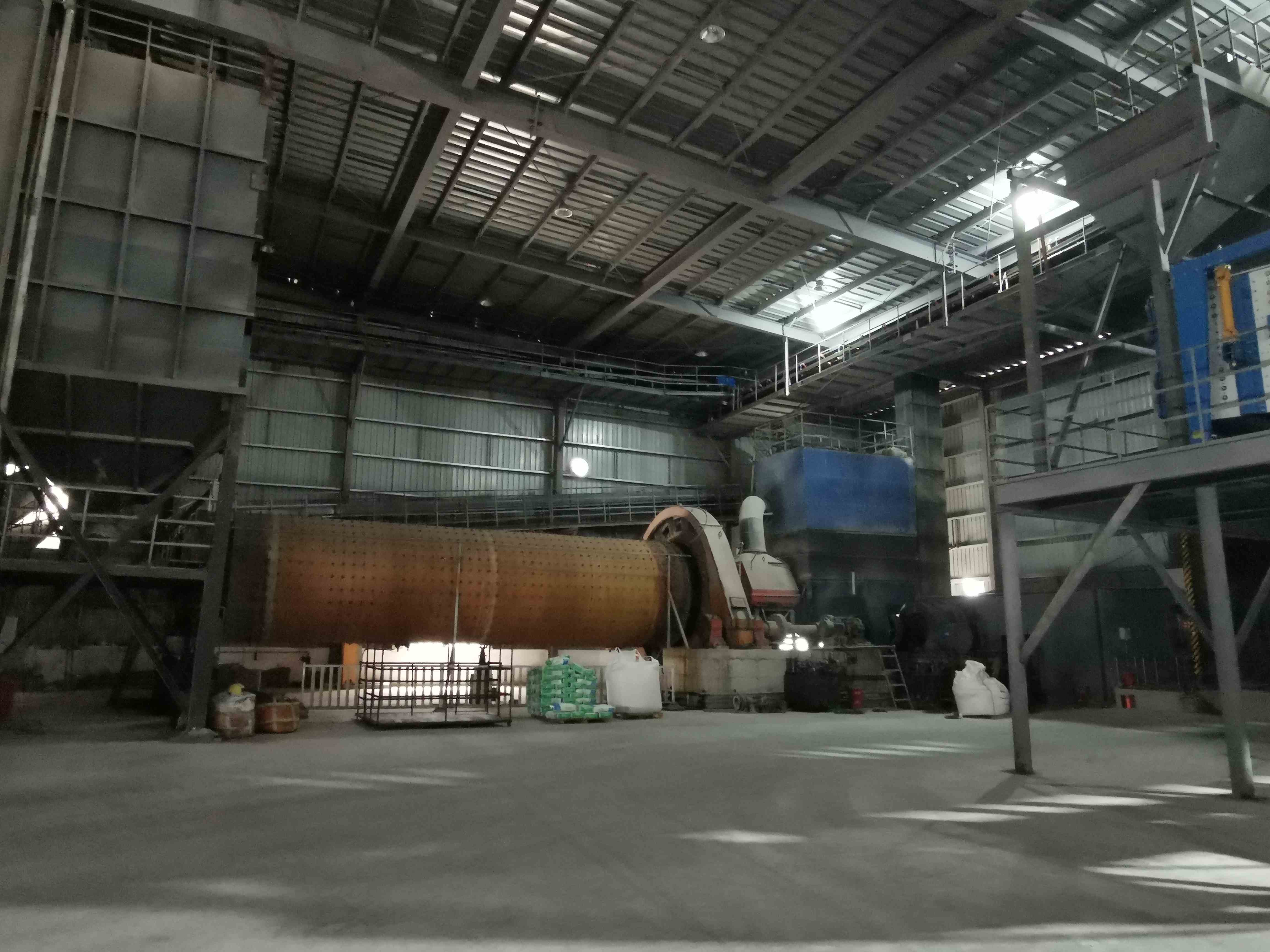
Not all GGBFS performs equally. Variability in glass content, fineness, and reactivity leads to erratic setting or strength deficits. Golden Fortune operates a fully automated grinding plant with real-time particle size analysis (Laser diffraction) and XRF chemical monitoring. Their white powder on cement is produced from virgin slag with strict control of:
Glass content > 97% (EN 15167 requirement > 90%).
Bulk density tolerance ±3% per shipment.
Activity index 28-day: >100% of reference cement.
For international B2B clients, Golden Fortune provides ISO 9001:2015 certification, third-party test reports, and dedicated technical support for mix design optimization. The company supplies bagged, big-bag, or pneumatic tanker options, ensuring zero contamination during logistics.
7. Environmental and Economic Life-Cycle Assessment
Adopting the white powder on cement is not merely a technical upgrade but a strategic economic decision. Life-cycle cost analysis shows that while GGBFS concrete may have a marginally higher upfront cost (depending on local slag availability), the extended maintenance-free service life reduces 50-year costs by 20-35% for infrastructure. Environmentally, each cubic meter of 50% GGBFS concrete saves 250 kg CO₂ equivalent – crucial for meeting net-zero roadmaps.
Furthermore, using GGBFS diverts slag from landfills, supporting circular economy principles. Many green building rating systems (LEED v4, BREEAM, DGNB) explicitly award points for SCM utilization, making it a preferred material for developers seeking certifications.
8. Frequently Asked Questions (FAQ)
Q1: Is the white powder on cement harmful to workers or the
environment?
A1: No, GGBFS is classified as non-hazardous. Its pH in
dry form is neutral, and it contains no hexavalent chromium or soluble heavy
metals. However, standard dust control measures (masks, ventilation) are
recommended during handling, similar to cement.
Q2: What is the optimum replacement level for general ready-mix
concrete?
A2: For structural concrete not exposed to extreme
sulfates, 30–40% GGBFS provides a good balance of early strength (24h
compressive strength >10 MPa) and durability. For marine or sulfate-rich
soils, 50–70% replacement yields maximum service life. Always validate by trial
mixes.
Q3: Does the white powder on cement affect setting time and early
strength?
A3: Yes, GGBFS typically prolongs initial set by 30–90
minutes compared to plain OPC. Early strength (1-3 days) may be 10-25% lower,
but 7-day strengths are comparable, and 28-day equal or higher. For cold
weather, accelerators or lower slag content (20%) can be used.
Q4: How do I distinguish genuine high-quality GGBFS from fly ash or
limestone powder?
A4: Genuine GGBFS has a specific gravity of
2.85–2.95, while fly ash is 2.1–2.4. A simple acetic acid test: limestone powder
effervesces; GGBFS does not. Also, GGBFS shows a characteristic darkening when
mixed with water and cement due to sulfide oxidation, whereas fly ash remains
grey. Laboratory XRD can confirm glass content.
Q5: Can I use the white powder on cement together with other SCMs
like silica fume or metakaolin?
A5: Absolutely. Ternary blends
(e.g., 50% GGBFS + 5% silica fume + 45% OPC) are used for ultra-high performance
concrete (UHPC) to achieve >120 MPa and extremely low permeability. However,
care must be taken to optimize superplasticizer dosage and curing regime.
Q6: What documentation should I request from a GGBFS
supplier?
A6: Request a mill certificate showing activity index at 7
and 28 days, Blaine fineness, chemical composition (SiO₂, Al₂O₃, Fe₂O₃, CaO,
MgO, SO₃, S²⁻), glass content (by XRD), and EN 15167 or ASTM C989 compliance.
Third-party certified test reports are highly recommended.
Q7: Does GGBFS concrete require special curing?
A7:
Extended moist curing (at least 7 days for 50% replacement, 10 days for >70%)
is advisable to develop the pozzolanic reaction fully. In hot climates, curing
compounds or wet burlap are effective. However, GGBFS concrete is less prone to
plastic shrinkage cracking than OPC.
9. Partner with Industry Experts – Send Your Inquiry
Selecting the right white powder on cement supplier directly impacts your project’s durability, cost, and sustainability targets. Golden Fortune provides consistent, high-activity GGBFS/GGBS certified to international standards. Our technical team supports you with mix design calculations, logistics planning, and on-site quality assurance.
Contact us today to request a technical datasheet, free samples, or a commercial quotation. Send your inquiry via our website or email your project requirements. For urgent requests, use the live chat on our product page. Let us help you build durable, green, and cost-effective concrete solutions.
Inquiry options:
- Visit our product page: https://www.ultrafineggbs.com/product.html
- Email
sales:sales@ultrafineggbs.com(replace with actual email)
- Request a
callback: include your phone number and preferred time in the message.
© 2026 Golden Fortune – Advanced materials for sustainable infrastructure.