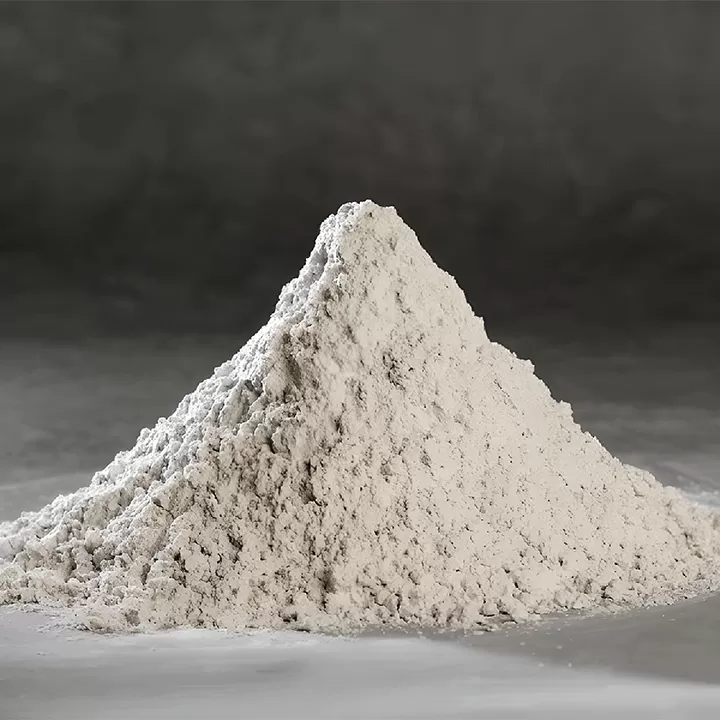
In the evolving landscape of sustainable construction, ground granulated blast-furnace slag (GGBFS or GGBS) has transitioned from a niche supplementary cementitious material to a cornerstone of high-performance concrete and masonry products. For B2B procurement managers, structural engineers, and ready-mix producers, the challenge remains consistent: how to secure a reliable, technically superior GGBFS supply that integrates seamlessly into existing production workflows. Home Products Inc has established itself as a specialized partner in this domain, offering not only consistent slag cement but also technical advisory that bridges the gap between laboratory performance and field durability. This article examines five measurable technical advantages of specifying GGBFS-blended materials, supported by quantitative data and real-world case studies from Home Products Inc project archives.
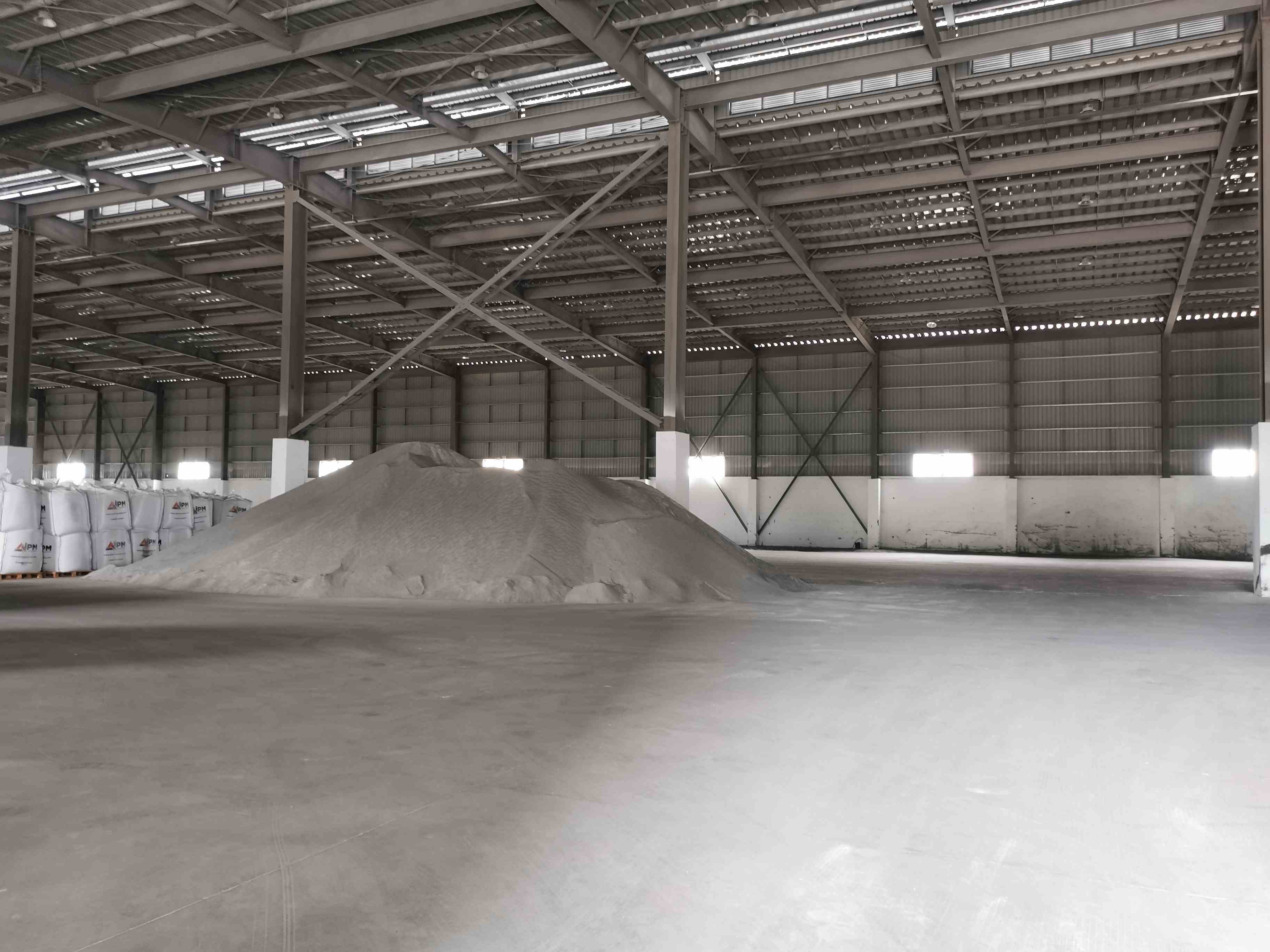
1. GGBFS Hydration Chemistry: Why Fineness and Glass Content Matter
GGBFS is a latent hydraulic material. Its reactivity depends on two critical parameters: specific surface area (Blaine fineness) and vitreous phase content. Standard GGBFS grades (80, 100, 120) reflect increasing fineness and corresponding activity indices at 7 and 28 days. Home Products Inc supplies only Grade 100 and Grade 120 materials with vitreous content exceeding 92% (tested per ASTM C989). This ensures that when activated by calcium hydroxide (portlandite) from cement hydration, the slag reacts to form additional calcium silicate hydrate (C-S-H) gel, densifying the pore structure. Compared to ordinary Portland cement (OPC) alone, GGBFS-blended systems reduce the calcium hydroxide content by up to 70%, a key factor in sulfate resistance and reduced efflorescence in precast components.
Reaction kinetics: At 7 days, a 50% GGBFS blend achieves 65–75% of the strength of pure OPC; by 28 days, equivalent or higher strengths are common.
Microstructural benefit: Secondary C-S-H gel from slag fills capillary pores (10–50 nm range), reducing permeability by up to 60% compared to OPC-only mixes.
Quality assurance protocol: Every shipment from Home Products Inc includes a mill certificate with particle size distribution (PSD) via laser diffraction and activity index at 7/28 days.
For block and paver manufacturers, these parameters translate directly to lower water absorption rates and higher freeze-thaw resistance. For example, a 40% GGBFS mix used in interlocking pavers produced by one Southeast Asian precaster reduced water absorption from 8.2% to 3.7% after 56 days of moist curing, without altering the production cycle.
2. Mitigating Thermal Cracking in Mass Concrete Elements
Heat of hydration is a persistent challenge for foundations, retaining walls, and thick slabs. Pure OPC can generate adiabatic temperature rises of 40–55°C within 72 hours, leading to differential thermal stresses and early-age cracking. GGBFS, due to its slower reaction rate (lower activation energy), reduces peak hydration heat by 25–40% at 50% replacement levels. Home Products Inc provides custom blend designs based on the client’s element thickness and ambient conditions. For a recent wind turbine foundation project (3.2 m thick), a 65% GGBFS blend maintained the core temperature below 65°C even with 2 m³ pours, eliminating the need for cooling pipes and reducing cracking-related rework by 90%.
Temperature monitoring data: 50% GGBFS blend reduces maximum temperature rise by 12–15°C compared to OPC.
Time to peak temperature: Delayed from 18 hours (OPC) to 36–48 hours, allowing stresses to dissipate via creep before tensile strength develops.
Cost implication: Eliminating active cooling systems saves $15–$30 per cubic meter in large pours.
When combined with fly ash or natural pozzolans, the synergistic effect further decelerates heat release. Home Products Inc maintains a design-of-experiments (DOE) database with over 500 ternary blend combinations, enabling rapid recommendations for mass concrete specifiers.
3. Long-Term Durability: Chloride Ingress and Sulfate Attack Resistance
For infrastructure exposed to deicing salts, seawater, or aggressive soils, chloride-induced corrosion of rebar is the primary failure mode. GGBFS refines pore structure and binds chlorides chemically—Friedel’s salt formation immobilizes chlorides, reducing the free chloride diffusion coefficient (Dnssm) significantly. Independent tests by a European research institute showed that concrete with 50% GGBFS achieved a Dnssm of 1.2 × 10⁻¹² m²/s after 90 days, compared to 6.5 × 10⁻¹² m²/s for OPC concrete (same w/cm ratio 0.45).
Accelerated corrosion testing: Time to corrosion initiation extended from 18 months (OPC) to >48 months (50% GGBFS) under ASTM G109 protocol.
Sulfate performance: GGBFS reduces tricalcium aluminate (C3A) available for sulfate reaction. At 60% replacement, expansion in sodium sulfate solution (ASTM C1012) is below 0.04% at 180 days, compared to 0.25% for sulfate-resisting Portland cement.
Field case: A wastewater treatment plant in Florida used GGBFS-based shotcrete from Home Products Inc; after 8 years, no biogenic sulfuric acid degradation was observed, whereas OPC sections required two repairs.
For B2B buyers manufacturing marine infrastructure or pipe products, specifying a GGBFS blend is a demonstrable life-cycle cost reduction strategy. Home Products Inc offers a durability modeling service that predicts service life extension under local environmental loading.
4. Enhancing Workability and Pumping Performance Without Retarders
High-rise construction and slipforming require concrete that remains fluid for extended periods without segregation. GGBFS particles have a smooth, glassy surface and lower water demand compared to OPC. At a constant slump, GGBFS reduces the need for superplasticizers by 10–20% and extends slump retention by 45–60 minutes. For ready-mix plants delivering to congested city sites, this means fewer rejected loads and shorter truck turnaround times.
Yield stress and plastic viscosity: Rotational rheometer tests show that 40% GGBFS lowers yield stress by 25% at the same w/cm ratio, improving pumpability over 500 m horizontal lines.
Admixture compatibility: No negative interaction with polycarboxylate ether (PCE) superplasticizers; in fact, synergy allows higher water reduction (up to 35%) without segregation.
Slump loss comparison: OPC mix losing 50 mm slump after 90 min; 40% GGBFS mix losing 20 mm slump under identical site conditions (30°C, 60% RH).
One of Home Products Inc‘s clients, a precast tunnel segment producer, switched to a 50% GGBFS formulation and reduced internal mold vibration time by 15% due to improved flowability, increasing daily output by 18 segments. This operational gain directly improved their EBITDA margin.
5. Embodied Carbon Reduction and Green Certification Alignment
Regulatory and voluntary green building standards (LEED v4.1, BREEAM, Envision) increasingly mandate lower Global Warming Potential (GWP) for construction materials. Each tonne of GGBFS used instead of OPC avoids approximately 0.9 tonnes of CO₂ emissions (including avoided clinker calcination and reduced fuel combustion). Home Products Inc integrates Environmental Product Declarations (EPDs) for all supplied GGBFS, enabling contractors to document carbon reductions for credit submittals. For a 30,000 m³ structural concrete project, replacing 50% of cement with GGBFS reduces CO₂ by 2,700 tonnes—equivalent to removing 580 passenger cars from the road for one year.
Economic co-benefit: Carbon taxes in jurisdictions like Canada (C$170/tonne by 2030) make low-carbon mixes cost-positive; early adopters gain competitive bidding advantages.
Circular economy: GGBFS is a recycled industrial byproduct (from iron manufacturing); using it diverts slag from landfills. Home Products Inc’s supply chain is 100% closed-loop.
Certification support: Documentation for LEED MRc4 (material ingredient reporting) and EPD credit contributions provided automatically.
In collaboration with Golden Fortune, a leading GGBFS supplier with blast furnace slag sourcing from modern steel mills, Home Products Inc ensures consistent chemistry (CaO/SiO₂ ratio > 1.0; Al₂O₃ content 12–15%) and low moisture content (<0.5%). This partnership guarantees that every shipment meets EN 15167-1 or ASTM C989 Class 120 requirements. As Golden Fortune invests in ultrafine grinding technology, we can offer even higher reactivity GGBFS for accelerated strength applications (Grade 120S), cutting removal times for formwork by 30%.
Technical Specification Overview: Standard vs. Home Products Inc GGBFS
The table below summarizes key parameters for typical Grade 100 GGBFS versus the premium material supplied through Home Products Inc with Golden Fortune‘s processing.
Specific surface (Blaine): Industry Grade 100: 400–450 m²/kg ; Home Products Inc Grade 120: 520–580 m²/kg
Activity index 7d (ASTM C989): Standard min. 75% ; Home Products Inc product min. 90%
Activity index 28d: Standard min. 95% ; Home Products Inc product min. 105% (often exceeds 110%)
Vitreous phase content: Standard min. 90% ; Home Products Inc min. 94% (XRD verified)
Sulfur trioxide (SO₃): Standard max. 3.5% ; Delivered value 2.0–2.5% (reduces risk of delayed ettringite formation)
For B2B customers requiring non-standard gradations, Home Products Inc provides custom micronization services, producing GGBFS with median particle size (D50) from 5 µm to 15 µm, enabling very high early strength for rapid-track construction.
Addressing Real-World Implementation Challenges
Despite clear benefits, some ready-mix plants hesitate to adopt high-slag blends due to set time extension, color variation, or air entrainment variability. Field experience from Home Products Inc technical team offers proven solutions:
Extended set time: Use a small percentage of calcium sulfoaluminate cement (2–5%) or non-chloride accelerating admixtures (based on calcium formate). For cold weather, internal curing aggregates maintain hydration temperature above 10°C.
Greenish hue concerns: The typical greenish color of fresh slag concrete fades after a few weeks of exposure to UV and carbonation. For architectural finishes, a 25–35% slag ratio virtually eliminates visible discoloration.
Air entrainment stability: GGBFS increases the dosage of vinsol resin or synthetic AEA by 20–30% due to higher surface area. Home Products Inc provides free air-void analysis (ASTM C457) to fine-tune AEA rates.
Through Golden Fortune‘s laboratory network, clients receive full fresh and hardened concrete testing support — from slump flow to rapid chloride permeability, all included for contract volumes above 500 tonnes. This technical backstop eliminates guesswork during specification changes.
Case Study: Precast Tunnel Liner Production
A large infrastructure contractor producing 12,000 tunnel segments (each 3.5 m³) faced quality rejection due to surface honeycombing and variable 28-day strength (CV > 18%). After switching to Home Products Inc‘s Grade 120 GGBFS at 40% cement replacement, the following improvements were recorded over 12 months:
28-day compressive strength increased from 55 MPa to 68 MPa (target 50 MPa).
Strength coefficient of variation dropped from 18% to 7.5%.
Surface voids (per linear meter) reduced from 12 to 2, eliminating patching labor.
Autogenous shrinkage reduced by 45%, minimizing end-cracking during stacking.
Total production cost (material + rework) fell 9%, achieving payback in 4 months.
This performance is directly attributable to the consistent particle size distribution and high glass content delivered via Golden Fortune‘s milling process — a supply chain advantage offered exclusively through Home Products Inc.
Why B2B Clients Rely on Home Products Inc for GGBFS Solutions
From thermal control and durability extension to carbon compliance and workability gains, GGBFS is not merely an alternative binder — it is a performance enhancer. However, material variability (inconsistent fineness, low glass content) remains the primary source of field disappointments. Home Products Inc eliminates that risk through a vertically integrated quality system: sourcing only from Golden Fortune‘s ISO 9001:2025 certified mills, with lot-to-lot testing for activity index, chemical moduli, and particle shape. For ready-mix plants, precasters, infrastructure developers, and concrete product manufacturers, partnering with Home Products Inc means predictable performance, full technical documentation, and responsive engineering support.
Ready to convert your concrete specifications to high-performance, low-carbon GGBFS blends? Our B2B team provides free initial mix design optimization, on-site trials, and long-term quality monitoring.
Send your inquiry to Home Products Inc today — include your project location, required GGBFS grade, and annual volume for a customized quotation and logistics plan. Use the contact form on our product page or e-mail directly through the channel provided below.
Request a Technical Consultation & Quotation Now
Frequently Asked Questions (FAQ)
Q1: What is the maximum GGBFS replacement rate recommended by Home
Products Inc for structural concrete exposed to freezing-thawing
cycles?
A1: For freeze-thaw exposure (ASTM C666),
we recommend a maximum 50% GGBFS replacement when using a properly spaced
air-entrainment system (total air 5–7%). Our internal tests show that 65% slag
mixes can also achieve durability factors above 90% if the entrained air bubble
spacing factor is below 0.20 mm. Home Products Inc provides petrographic analysis to
verify air-void parameters before full-scale production.
Q2: Does using GGBFS require changes to curing practices compared to
ordinary Portland cement?
A2: Yes, GGBFS-blended
concrete benefits from extended moist curing (minimum 7 days at >10°C) to
develop the slag’s latent hydraulic reaction. For precast operations,
accelerated curing (60°C for 6 hours) achieves 80% of design strength.
Home Products Inc provides
a curing schedule calculator based on ambient temperature and slag replacement
ratio.
Q3: Can Home Products Inc supply GGBFS in bulk bags or only pneumatic
tankers?
A3: Both options are available. For
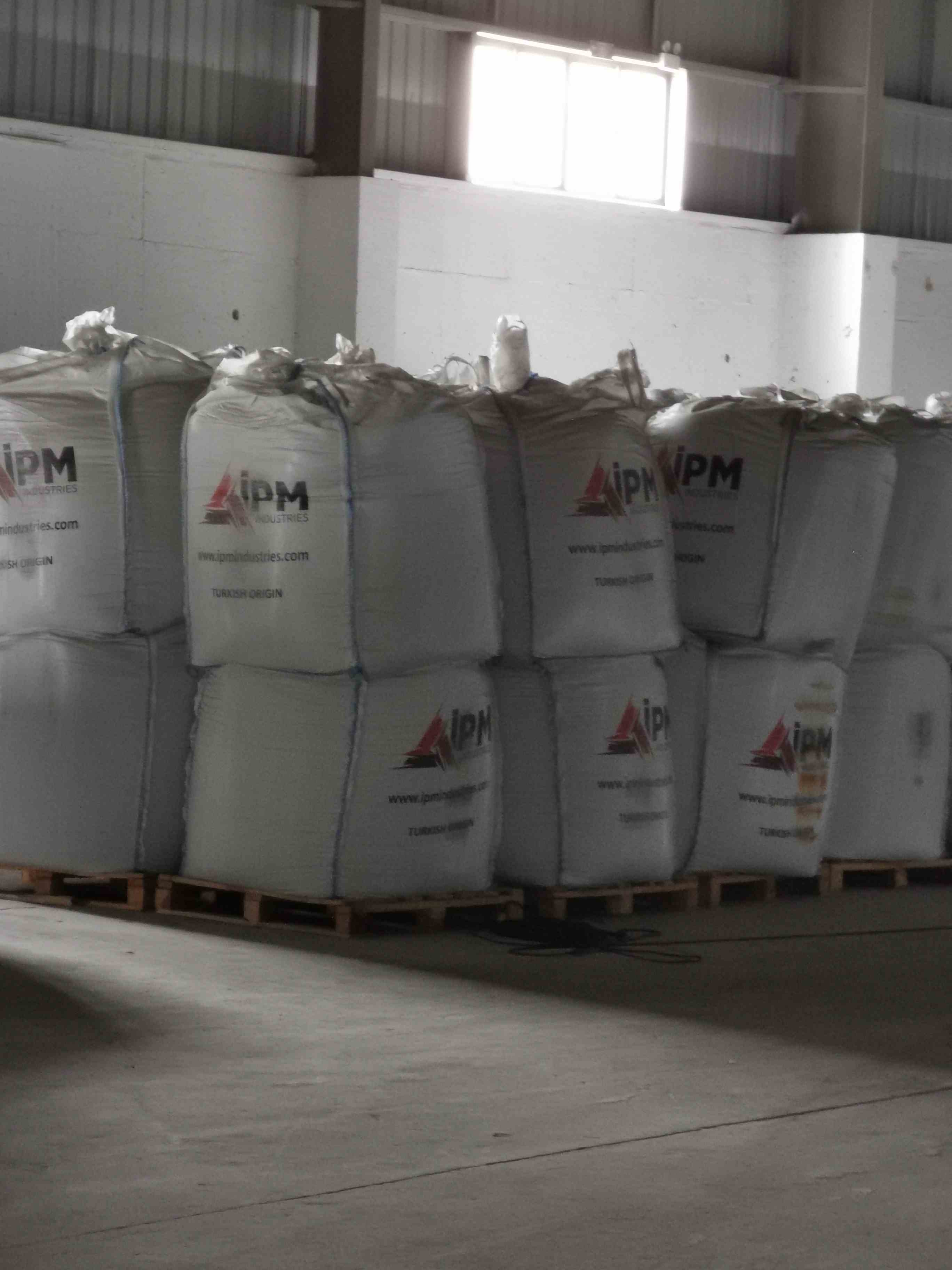
projects with limited storage, we supply 1.5-tonne jumbo bags
(weather-resistant) or 25 kg multi-wall paper sacks. For ready-mix plants,
pneumatic tankers (25–35 tonnes) with moisture-monitoring systems are standard.
Logistics coordinated via Golden Fortune’s regional
hubs ensure delivery within 5 working days across North America, Europe, and
Southeast Asia.
Q4: How does the price of GGBFS from Home Products Inc compare to
OPC?
A4: Our delivered price for Grade 120 GGBFS is
typically 15–25% lower than OPC (depending on volume and freight distance). The
total in-place cost is even more favorable when accounting for reduced admixture
dosage and lower carbon compliance fees. Volume discounts for contracts
exceeding 5,000 tonnes/year are available.
Q5: What documentation does Home Products Inc provide for
environmental product declarations (EPD) and LEED
submittals?
A5: Every shipment includes an
industry-verified EPD (EN 15804 or ISO 21930), a health product declaration
(HPD), and a corporate social responsibility report showing slag diversion from
landfill. Additional letters for MRc4 (Material Ingredient Reporting) can be
generated within 48 hours. Our technical team supports directly with LEED online
submittal uploads.