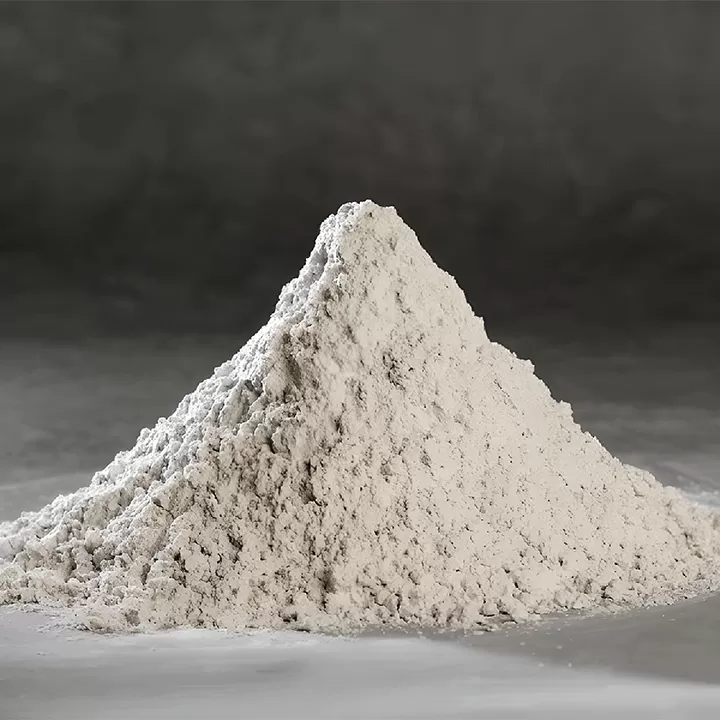
Modern architectural engineering demands building materials that fulfill stringent mechanical loads while satisfying elevated aesthetic criteria. Exposed structural surfaces, fair-faced civil structures, and precast facades require consistent surface coloring, minimal void formation, and protection against surface staining over extended lifespans. Standard Portland Cement (OPC) formulations frequently present challenges regarding visual consistency, showing dark grey irregularities, mottling, and high susceptibility to salt deposition. Integrating Ground Granulated Blast Furnace Slag (GGBS) as a supplementary cementitious material transforms the physical and optical character of hydration products within the cement matrix.
Sourced from high-purity blast furnace by-products, processed slag provides functional benefits to fresh and hardened concrete. The inclusion of premium slag, such as materials supplied by Golden Fortune, modifies particle packing kinetics, reduces capillary porosity, and yields a distinctive light-colored finish. This comprehensive review examines the chemical, physical, and procedural factors through which high-grade GGBS creates concrete structures characterized by superior appearance, reduced maintenance cycles, and long-term surface stability.
Chemical and Optical Mechanisms Governing Concrete Aesthetics
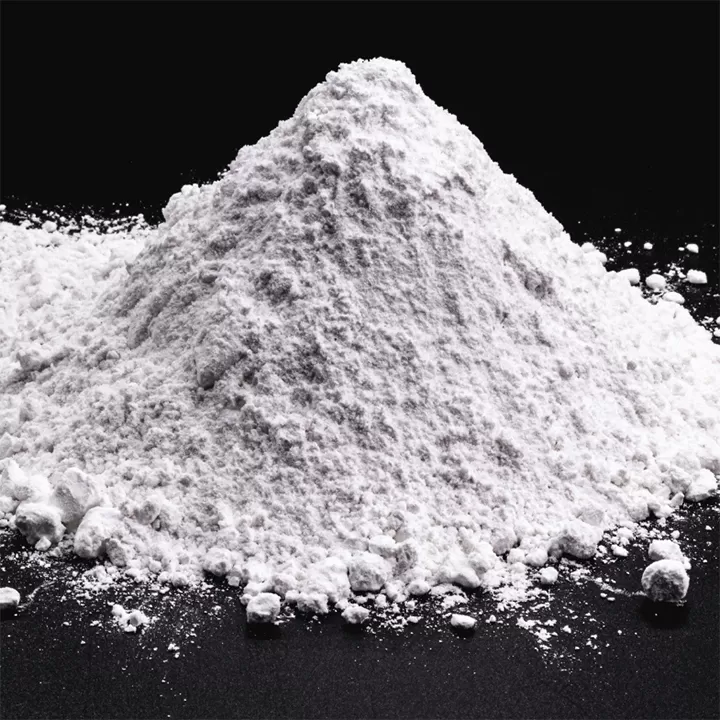
The visual properties of cured concrete stem directly from the mineralogical composition of its binding agents and the optical characteristics of hydrated mineral phases. Standard OPC contains elevated proportions of tetracalcium aluminoferrite (C4AF) and iron oxides, which impart a dark, brownish-grey hue to the matrix. In contrast, granulated blast furnace slag undergoes rapid water quenching during molten iron extraction, locking the silicate and aluminosilicate phases into a non-crystalline, vitreous glass state. The iron oxide content within GGBS remains below one percent, rendering the unhydrated powder significantly lighter than traditional clinker.
During hydration, GGBS reacts with the calcium hydroxide produced by Portland cement hydration, yielding additional calcium silicate hydrate (C-S-H) gels. These secondary C-S-H gels exhibit a lighter color and finer refractive profile compared to primary clinker hydration products. As a result, concrete mixes incorporating 30% to 70% GGBS substitution exhibit marked increases in surface light reflectance values (LRV). The elevated reflectance generates an off-white to near-white concrete surface, delivering a superior appearance that remains highly desirable for exposed architectural surfaces without requiring external white pigments or expensive titanium dioxide additives.
Physical particle size distribution plays an equal role in visual refinement. GGBS ground to a Blaine fineness exceeding 4000 cm²/g packs tightly against formwork interfaces. This reduced inter-particle void volume suppresses bleed-water accumulation along vertical forms, preventing water channeling and aggregate shadowing. The uniform paste distribution along the surface boundary forms a dense, glass-like outer layer that visually unifies the cast element.
Monomeric Microstructure and Efflorescence Prevention
Surface staining through efflorescence remains a persistent issue in structural concrete applications, degrading aesthetics over seasonal wetting and drying cycles. Primary efflorescence occurs during initial curing when free water moves toward the surface, transporting dissolved calcium hydroxide. Upon reaching the surface, calcium hydroxide reacts with carbon dioxide in the air to form insoluble calcium carbonate, leaving unsightly white crusts across exposed faces.
The addition of high-grade slag effectively breaks the chemical path required for efflorescence formation through two distinct actions:
Chemical Consumption of Free Lime: The pozzolanic reaction of slag consumes available calcium hydroxide within the pore solution, converting it into stable C-S-H gel and leaving minimal free alkali available to migrate toward the exterior face.
Pore Structure Refinement: The formation of secondary hydrate gels fills capillary spaces, reducing capillary pore diameters below 50 nanometers. This discontinuity in the capillary network halts water transport through the matrix, blocking dissolved ion migration.
By restricting both the chemical supply of calcium hydroxide and the physical pathways for moisture transport, GGBS concrete retains a clean finish devoid of white salt streaks. Concrete elements exposed to harsh marine or industrial atmospheric conditions maintain a superior appearance, eliminating the need for periodic chemical cleaning or high-pressure water washing.
Application Scenarios Requiring Superior Appearance
Specific structural sectors require precise surface specifications where aesthetics directly impact project evaluation. Integrating GGBS into specialized concrete mix designs addresses diverse structural demands while maintaining high visual quality.
Fair-Faced Architectural Structures
Exposed architectural concrete demands exact batch-to-batch color matching across multi-phase construction operations. Standard OPC variations between cement kilns often lead to visible color zoning across vertical pours. By maintaining stringent quality controls over slag vitrification, Golden Fortune delivers binder blends that ensure uniform off-white tones across expansive wall sections, concrete columns, and artistic installations.
Precast Concrete Elements and Cladding Panels
Precast manufacturing relies on accelerated heat curing to achieve early stripping strength. High OPC contents under thermal curing can cause surface discoloration, micro-cracking, and uneven patchiness. Replacing a substantial portion of Portland cement with GGBS lowers total hydration heat output, mitigating thermal gradients across large precast wall panels, segmental bridge components, and retaining wall systems. The result is a smooth, defect-free surface finish that meets strict aesthetic criteria.
Underground Infrastructure and Tunnel Linings
Concrete surfaces within public transport tunnels and subterranean infrastructure benefit directly from high surface reflectivity. Dark concrete surfaces require higher artificial lighting intensities to satisfy safety standards. Utilizing GGBS to achieve a lighter surface finish improves ambient illumination within tunnel vaults, lowering operating energy demands while creating a superior appearance that enhances visual comfort for drivers and commuters.
Mix Design Ratios and Field Execution Guidelines
To consistently obtain surface brightness and surface density, mix designs must balance replacement levels, water-binder ratios, and jobsite handling practices.
Slag substitution rates typically vary between 30% and 70% based on project requirements. A 30% to 50% replacement level is optimal for standard fair-faced structures, balancing early-age compressive strength development with visual brightening. Higher substitution levels (60% to 70%) maximize surface brightness and light reflectivity, making them ideal for precast architectural panels where controlled steam curing offsets early strength lag.
Water-binder ratios should be maintained between 0.35 and 0.42. Excess mixing water increases bleed rate and creates bug-holes (blowholes) along vertical formwork, disrupting surface smoothness. Polycarboxylate ether (PCE) superplasticizers should be used to maintain workability without increasing water content.
Field practices must align with material specifications to protect surface aesthetics:
Formwork Selection: Non-absorbent formwork materials, such as high-density overlaid plywood or coated steel panels, prevent uneven water absorption from the fresh paste, avoiding dark surface blotches.
Release Agent Application: Form-release agents should be applied in ultra-thin, uniform layers. Excess release oil pools in form corners or runs down vertical faces, causing local surface staining and soft, chalky outer layers.
Curing Protocols: Extended moist curing is required for slag concrete due to its latent hydraulic nature. Early form removal without proper moisture retention can cause premature drying of the outer surface layer, leading to surface dusting and loss of initial brightness. Plastic sheeting or non-staining curing compounds preserve matrix moisture, securing a superior appearance.
Solar Reflectance Index and Environmental Surface Longevity
Beyond immediate visual appeal, the lighter color profile of GGBS concrete yields measurable physical advantages in urban microclimates. The Solar Reflectance Index (SRI) quantifies a material's ability to reflect solar radiation and reject thermal absorption. Standard grey Portland cement concrete exhibits SRI values ranging from 15 to 25. High-substitution GGBS concrete mixes consistently achieve SRI values between 40 and 60.
Elevated SRI values mitigate the Urban Heat Island (UHI) effect, lowering ambient air temperatures around large paved areas, plazas, and building envelopes. Lower thermal absorption reduces thermal stresses across structural sections, suppressing micro-crack formation caused by diurnal expansion and contraction cycles. Consequently, the concrete retains its structural integrity and visual smoothness without developing micro-fissures that collect airborne dust, industrial soot, or biological growth.
Through its controlled chemistry and fine grinding, Golden Fortune GGBS enables concrete producers to meet green building standards, such as LEED certification credits for heat island reduction, while maintaining structural performance.
Commercial Procurement and Technical Support
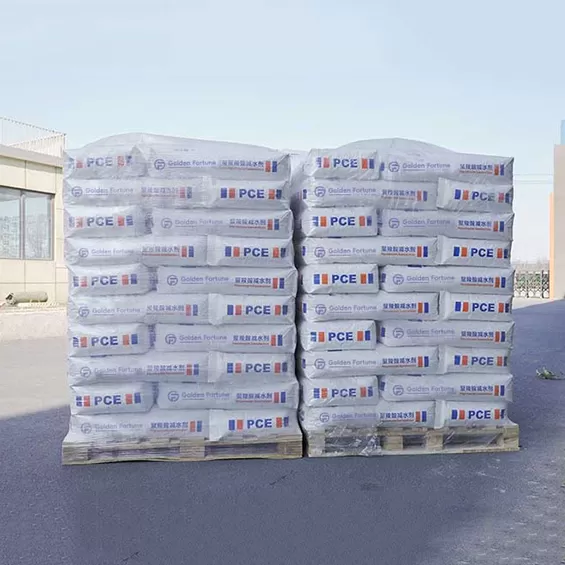
Selecting consistent cementitious raw materials is essential for concrete producers executing high-specification architectural projects. Variations in slag fineness, glass content, or chemical impurities directly affect workability, strength gain, and final surface tone. Partnering with established material suppliers guarantees that every bulk shipment adheres to standard international parameters, including ASTM C989 (Grade 100/120) and EN 15167-1 specifications.
Golden Fortune provides technical support to help engineering teams design optimized mix designs tailored to specific placement methods, environmental exposure classes, and finish requirements. Project engineers, ready-mix concrete suppliers, and precast manufacturers are encouraged to contact our technical sales group to request detailed product specifications, batch certificates, or material samples. Submit your technical inquiry today to discuss customized GGBS delivery schedules and concrete testing support for your upcoming construction projects.
Frequently Asked Questions
Q1: How does substituting GGBS affect the initial setting time of architectural concrete?
A1: GGBS exhibits a latent hydraulic reaction mechanism, which generally extends initial and final setting times compared to pure Portland cement mixes. At ambient temperatures around 20°C, initial set times may increase by 30 to 60 minutes when using a 50% slag replacement. This extended setting window allows for better consolidation, longer placement times, and reduced risk of cold joints in large fair-faced pours, contributing to a seamless surface finish.
Q2: Can GGBS concrete eliminate the need for surface painting or protective coatings?
A2: In many exposed structural applications, high-grade GGBS concrete provides a light, visually appealing finish that eliminates the need for render or opaque paints. Its dense, low-porosity pore structure resists carbonation, chloride penetration, and moisture ingress, preserving the smooth outer layer. However, hydrophobic silane penetrating sealers may still be applied in high-pollution zones to repel airborne dirt without altering the natural surface shade.
Q3: Why does GGBS concrete sometimes exhibit a temporary green tint shortly after form stripping?
A3: A temporary blue-green coloration, often called "greening," can appear on freshly stripped GGBS concrete surfaces. This phenomenon results from a benign reaction between sulfide ions in the slag matrix and trace metals in the pore solution. Upon exposure to atmospheric oxygen, these sulfide compounds oxidize within a few days to weeks, transitioning the concrete surface into its permanent, bright off-white color without impacting structural integrity or surface durability.
Q4: How does Blaine fineness in GGBS affect concrete surface texture?
A4: Blaine fineness measures the specific surface area of slag powder. Higher fineness values (typically above 4000 cm²/g) improve particle packing along formwork faces, reducing bleed water channels and surface bug-holes. Finer particles also accelerate pozzolanic reactivity, accelerating microstructural density and yielding a smoother, less porous surface texture that displays a superior appearance.
Q5: What measures ensure consistent concrete color across multiple construction phases?
A5: To maintain uniform surface color across extended project timelines, concrete suppliers should lock in single-source supplies for aggregates, Portland cement, and GGBS. Maintaining identical water-binder ratios, using non-absorbent formwork, applying release agents consistently, and standardizing curing duration across all pours prevents batch-to-batch visual variance.