The construction sector faces an aggressive decarbonization timeline heading into 2026. Regulatory bodies worldwide are tightening limits on embodied carbon, forcing concrete producers to slash their reliance on ordinary Portland cement (OPC).
Supplementary cementitious materials (SCMs) serve as the primary lever to reduce Scope 3 emissions. For decades, fly ash and Ground Granulated Blast-Furnace Slag (GGBS) have competed for market share across ready-mix and precast operations.
Yet the supply ecosystem is shifting fast. Coal-fired power plants are retiring, while the steel industry is adopting electric arc furnaces that generate zero blast-furnace slag. Understanding how fly ash and GGBS compare in performance, price, and supply security is essential for any forward-looking concrete mix design.
1. Deep Dive: Why Fly Ash Remains the Cornerstone of SCMs
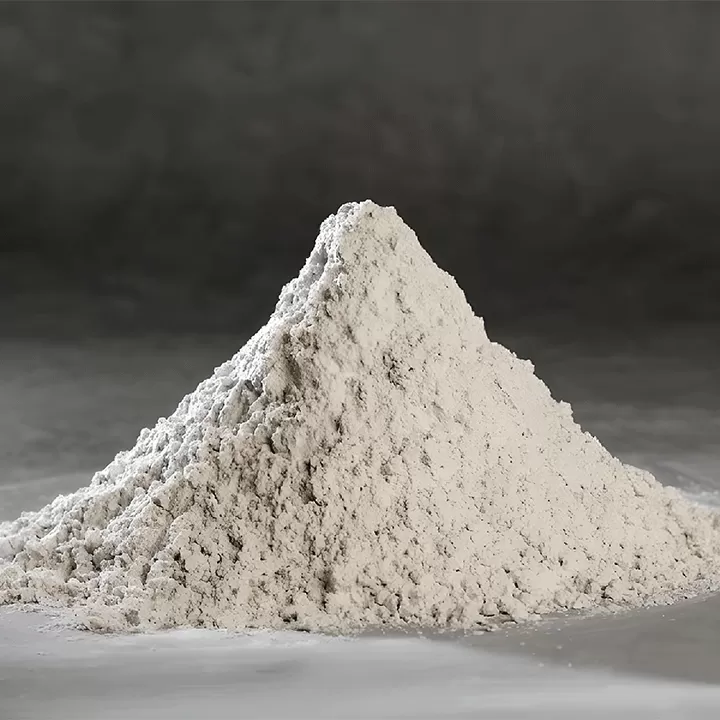
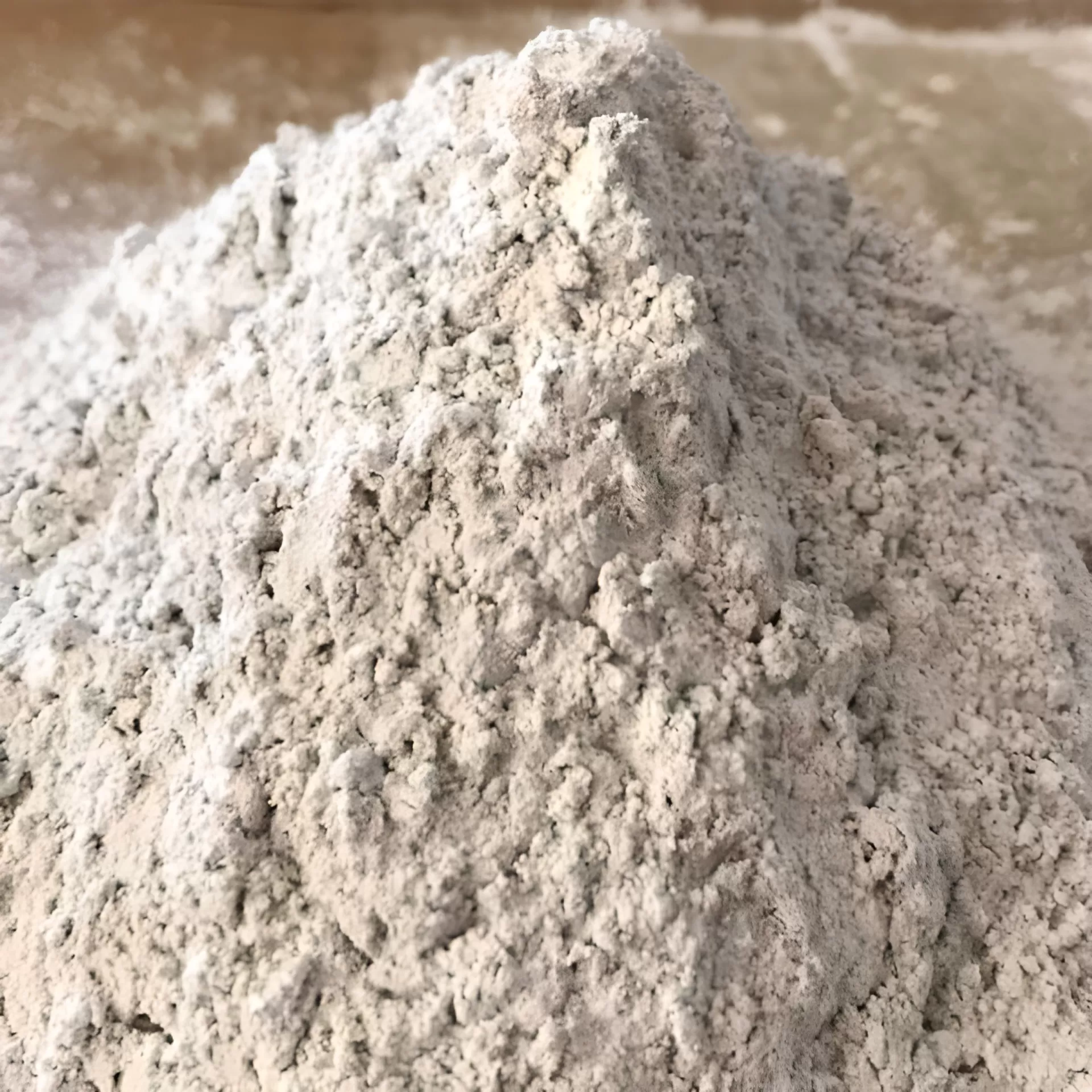
Fly ash remains the most recognized pozzolan on earth. Generated during pulverized coal combustion in thermal power stations, this fine powder is captured from flue gases before reaching the atmosphere.
Its microscopic geometry gives it unique physical advantages. Unlike crushed minerals, raw fly ash consists of smooth, solid glassy spheres that behave like miniature ball bearings in fresh concrete paste.
What is Fly Ash? (Class F vs. Class C)
Standard specifications like ASTM C618 classify fly ash into two primary grades based on chemical composition:
- Class F Fly Ash: Derived from burning anthracite or bituminous coal. It contains less than 18% calcium oxide (CaO) and over 70% total silica, alumina, and iron oxide. Class F is purely pozzolanic, requiring calcium hydroxide from cement hydration to form secondary calcium-silicate-hydrate (C-S-H) gel.
- Class C Fly Ash: Produced from lignite or sub-bituminous coal. It features higher calcium content (often 20% to 30% CaO), giving it both pozzolanic and mild self-cementing properties.
Class F dominates large civil projects where long-term durability, sulfate resistance, and thermal mitigation are non-negotiable requirements.
Unique Performance Benefits of Fly Ash in Concrete
The spherical particle shape of fly ash directly reduces the water demand of a concrete mix by 5% to 15% compared to pure Portland cement mixtures. Lower water content translates to fewer capillary pores and denser microstructures.
Key technical benefits include:
- Enhanced Workability and Pumpability: The ball-bearing effect lowers internal friction. Pumping pressures decrease, bleeding slows down, and segregation risks drop significantly during long-distance conveyance.
- Mitigation of Thermal Cracking: The pozzolanic reaction proceeds slowly. This dampens peak hydration temperatures, making fly ash indispensable for mass concrete elements, dam foundations, and thick bridge piers.
- Control of Alkali-Silica Reaction (ASR): Class F fly ash binds free alkalis and consumes available calcium hydroxide, preventing the expansive gel formation that destroys unreinforced and reinforced slabs.
- Sulfate and Ingress Protection: Refining the pore structure blocks external chloride and sulfate ions from corroding embedded rebar.
2. Enter the Contender: What Does GGBS Bring to the Table?
GGBS is an industrial byproduct of iron manufacturing. Molten slag from the blast furnace is rapidly quenched with high-pressure water jets, creating glassy granulates that are subsequently ground into a fine white powder.
Unlike fly ash, GGBS is a latent hydraulic binder according to standards like ASTM C989. It does not rely solely on the pozzolanic reaction; it reacts directly with water when activated by the alkaline environment of hydrating cement.
GGBS particles have rough, angular geometries. While this increases early water demand slightly, GGBS provides distinct performance advantages:
- High Early-to-Medium Strength: Slag mixes gain strength faster than Class F fly ash systems, especially between 14 and 28 days.
- Architectural Aesthetics: GGBS hydrates into an off-white paste, producing bright, reflective surfaces favored in fair-faced architectural concrete.
- High Replacement Ratios: Mix designers can replace 50% to 70% of OPC with GGBS in mass pours and marine walls to minimize permeability.
3. Head-to-Head Comparison: Fly Ash vs. GGBS in Sustainable Concrete
Choosing between these two additions requires an objective look at both mechanical properties and environmental metrics.
| Performance Metric | Fly Ash (Class F) | GGBS (Slag Cement) |
|---|---|---|
| Particle Geometry | Spherical (ball-bearing effect) | Angular, irregular crushed grain |
| Hydraulic Mechanism | Pozzolanic (reacts with Ca(OH)2) | Latent hydraulic + pozzolanic |
| Water Demand | Reduced (-5% to -10%) | Neutral to slightly increased (+2% to +5%) |
| Typical Replacement Level | 15% – 35% (up to 50% in HVFA) | 30% – 70% |
| Hydration Heat Suppression | Exceptional | Very Good |
| Early Strength (3 to 7 Days) | Slow | Moderate |
| Ultimate Strength (56 to 90 Days) | Extremely High | Very High |
| ASR Mitigation Efficiency | Superior (Class F) | High (requires >40% replacement) |
| Embodied Carbon (kg CO2e/ton) | ~5 to 15 kg | ~40 to 80 kg (due to grinding energy) |
Durability & Workability: The Fly Ash Advantage
When high pumpability and ease of placement take priority, fly ash remains unbacked by direct rivals. The spherical particles allow high-volume fly ash (HVFA) mixes to flow easily through complex rebar cages with reduced superplasticizer dosages.
Regarding long-term service life, fly ash concrete continues to gain strength for years. The slow reaction of silica with calcium hydroxide creates additional C-S-H gel, filling voids that would otherwise let saltwater or industrial chemicals attack the matrix.
Embodied Carbon & Environmental Impact (Scope 3 Emissions)
From a strict carbon accounting perspective, fly ash carries lower embodied carbon than GGBS. Fly ash is collected via electrostatic precipitators and often requires only air classification or minimal blending.
GGBS requires intensive mechanical grinding to break down hard, glassy slag granules into the Blaine fineness (typically >400 m²/kg) needed for hydraulic activity. That grinding process draws significant electrical power.
Projects targeting LEED v4.1 or BREEAM points rely heavily on fly ash to achieve maximum credits in the Environmental Product Declaration (EPD) category without inflating raw material processing energy. Golden Fortune supports contractors with fully documented chain-of-custody tracking and verified product reports to simplify green building audits.
4. The 2026 Outlook: Supply Chain Reality, Shortages & Cost Dynamics
The central debate for 2026 is not simply performance; it is materials availability. Specifying a low-carbon binder does no good if the material is unavailable at the batching plant.
The "Fly Ash Shortage" Myth vs. Reality in 2026
Industry media frequently reports an impending fly ash shortage as western economies shut down aging coal plants. While fresh production from operating boilers is declining, the market is pivoting toward a massive, untapped reserve: reclaimed fly ash.
Billions of tons of quality ash sit in regulated storage impoundments and dry landfills globally. Advanced beneficiation technologies—such as carbon burnout, electrostatic separation, and mechanical drying—now restore stored pozzolans to strict regulatory standards.
As reclaimed ash harvesting scales up across North America, Europe, and Asia, fresh logistics networks are stabilizing raw material supplies for the next 30 to 50 years.
GGBS Supply Constraints in a Green Steel Era
GGBS faces a structural supply bottleneck that cannot be solved by landfill harvesting. The steel sector is racing toward zero-carbon operations by replacing traditional blast furnaces with direct reduced iron (DRI) processes and Electric Arc Furnaces (EAF).
EAF facilities produce an entirely different slag that cannot substitute for cement. Because no legacy deposits of usable granulate exist in large quantities, the global output of high-grade blast furnace slag has plateaued and will likely decline after 2026. This dynamic makes GGBS increasingly prone to regional shortages and price spikes.
Cost-per-ton and Regional Availability Forecast for 2026
Because GGBS processing requires heavy grinding energy and faces raw supply caps, its price per metric ton is rising toward 70% to 85% of ordinary Portland cement in several metropolitan markets.
Fly ash maintains a competitive pricing profile. Reclaimed ash supply chains and established bulk sea transport from major export centers keep delivered costs manageable, protecting margins for high-volume ready-mix suppliers.
5. The Winner Doesn't Stand Alone: The Rise of Ternary Mixes
Concrete engineering rarely relies on single-variable solutions. The consensus mix design entering 2026 combines materials into high-performance ternary systems: OPC + Fly Ash + GGBS.
In a properly balanced ternary blend, each constituent covers the weaknesses of the others:
- Portland cement provides baseline alkalinity and immediate day-one handling strength.
- GGBS contributes between day 3 and day 28, allowing rapid formwork removal and high early compressive values.
- Fly ash improves rheology, reduces total water and admixture demand, suppresses late-stage ASR expansion, and secures ultimate 90-day impermeability.
A typical 2026 specification for commercial infrastructure might feature 50% OPC, 30% GGBS, and 20% fly ash. This ratio lowers embodied carbon by nearly 45% while matching or exceeding the structural performance of a pure cement mix across every timeline.
Conclusion & Final Verdict: Which SCM Dominates 2026?
Which material takes the crown? While GGBS will maintain an essential role in precast plants and specialized architectural slabs requiring light concrete colors, fly ash will remain the dominant SCM for global sustainable concrete in 2026 and beyond.
Its unmatched workability benefits, superior long-term thermal crack control, proven ASR suppression, and expanding availability via harvested sources give fly ash an edge over supply-constrained blast furnace slag.
Securing reliable supply partnerships is the deciding factor for concrete producers aiming to hit 2026 decarbonization targets without compromising batch consistency.
Golden Fortune provides consistent bulk sourcing, multi-point shipping logistics, and full laboratory certifications for Class F fly ash and specialized mineral admixtures. Send your technical inquiries or request a formal quote through our commercial team today to secure your 2026 supply line.
Frequently Asked Questions (FAQ)
Q1: Can fly ash completely replace Portland cement in structural
concrete?
A1: Traditional designs use fly ash at 15% to 35%
replacement rates. High-Volume Fly Ash (HVFA) concrete can replace 50% or more,
but it requires careful curing management and chemical accelerators to prevent
slow early-age strength gain.
Q2: Why does GGBS provide lighter-colored concrete than fly
ash?
A2: GGBS contains minimal iron and unburned carbon, hydrating
into an off-white matrix. Fly ash contains trace carbon and iron, giving
hardened paste a soft gray or charcoal-tinted finish.
Q3: How does reclaimed pond fly ash compare in quality to fresh fly
ash?
A3: Modern beneficiation systems dry, classify, and remove
excess carbon from reclaimed ash. Once processed, it meets all ASTM C618 and EN
450 mechanical and chemical requirements, performing identically to fresh fly
ash.
Q4: Does fly ash cause setting delays during winter concrete
placement?
A4: Yes. The pozzolanic reaction slows significantly at
lower ambient temperatures. Mix designers generally reduce fly ash replacement
percentages in winter or incorporate non-chloride accelerators to maintain
project schedules.
Q5: Why is GGBS availability expected to drop over the coming
decade?
A5: Steel mills are shutting down traditional coal-fed blast
furnaces in favor of cleaner Electric Arc Furnaces (EAF). EAF units generate
steel slag, which lacks the hydraulic properties needed to make SCM-grade
cementitious materials.