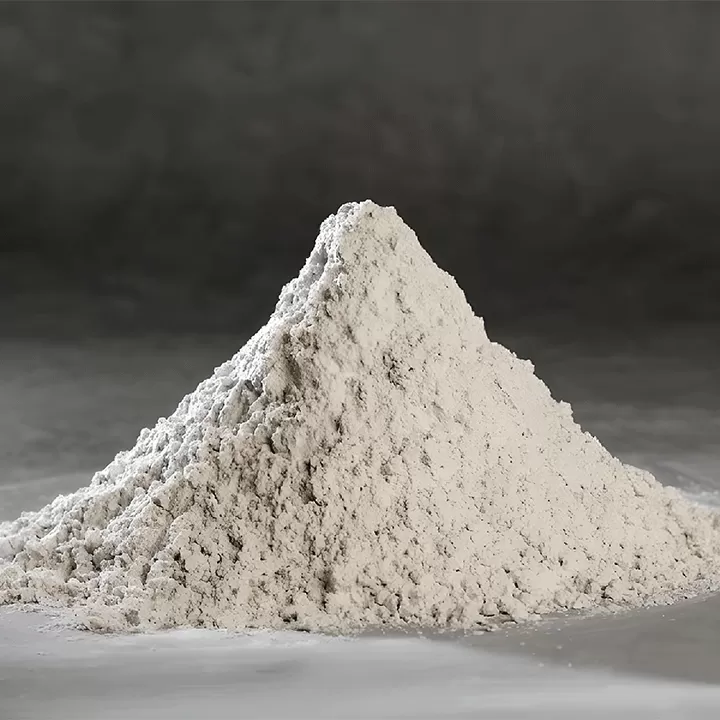
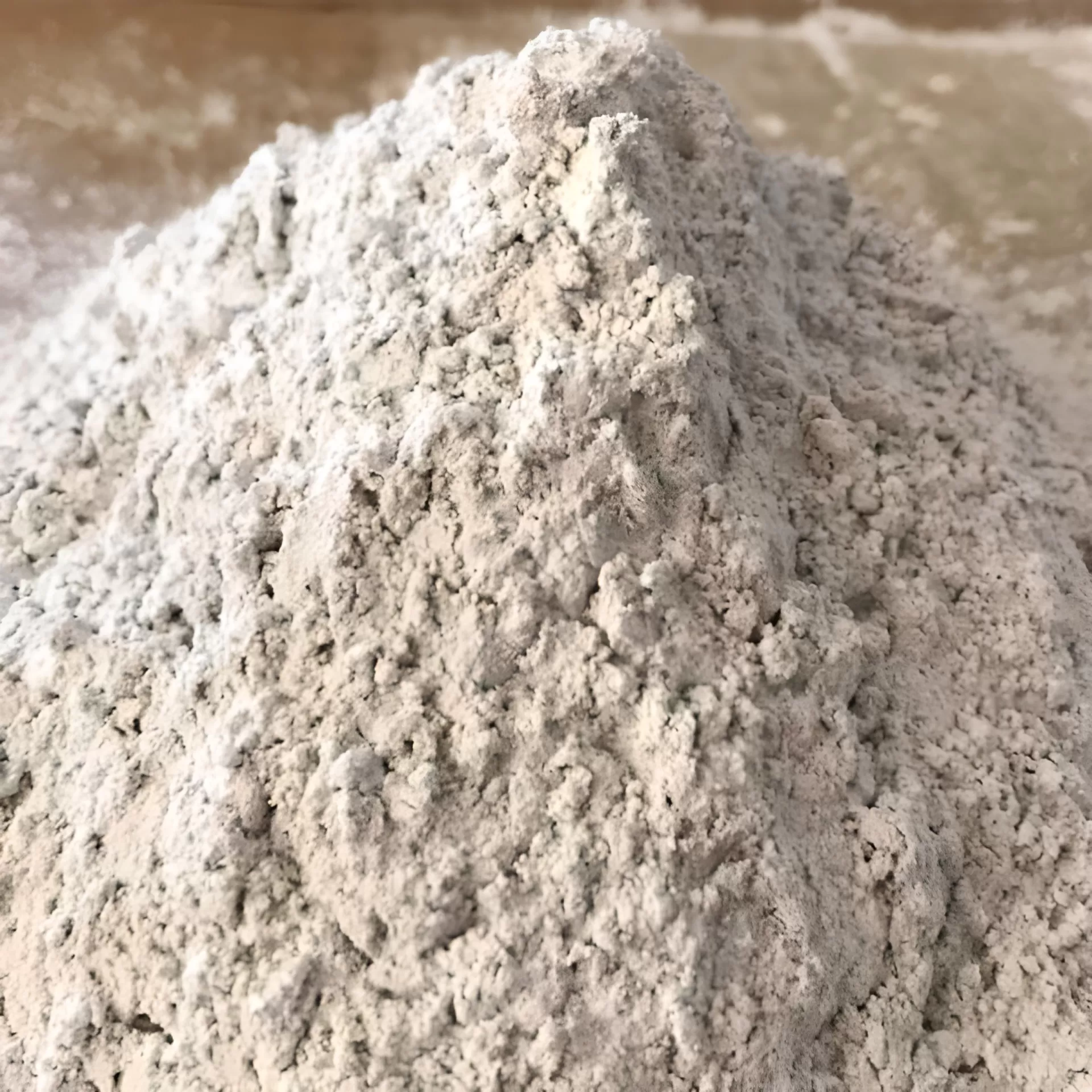
Modern structural engineering relies fundamentally on the predictability, mechanical performance, and binder efficiency of hydraulic cements. Among the primary binders used across global infrastructure, Ordinary Portland Cement remains the baseline reference against which all other hydraulic and pozzolanic materials are measured. Produced through the high-temperature calcination of limestone and aluminosilicate clays followed by fine intergrinding with calcium sulfate, this binder provides the primary matrix binding aggregates into structural concrete. Achieving optimal durability and structural capacity requires a granular understanding of clinker phase distribution, hydration chemistry, compliance testing, and the material synergies that occur when pairing primary binders with secondary cementitious materials.
Clinker Chemistry and Phase Composition
The manufacturing process transforms raw mineral feeds within rotary kilns reaching operating temperatures between 1400°C and 1450°C. Sintering yields four primary clinker minerals, conventionally calculated using Bogue's equations. Each phase dictates a distinct aspect of the setting characteristics, ultimate compressive strength, and thermal output of Ordinary Portland Cement.
- Tricalcium Silicate (C3S / Alite): Typically comprising 50% to 70% of the clinker composition, alite governs early strength development within the initial 7 to 28 days. It hydrates rapidly to form calcium silicate hydrate (C-S-H) gel and calcium hydroxide (portlandite).
- Dicalcium Silicate (C2S / Belite): Forming 15% to 30% of the phase distribution, belite hydrates far more slowly than alite. It contributes minimally to early strength, instead driving strength gain beyond 28 days, continuing to densify the matrix over months or years.
- Tricalcium Aluminate (C3A / Celite): Present at levels between 5% and 12%, celite is the most chemically active phase. It reacts instantaneously with water, releasing significant early thermal energy. Without the regulating addition of gypsum, C3A causes instantaneous stiffening, known as flash set.
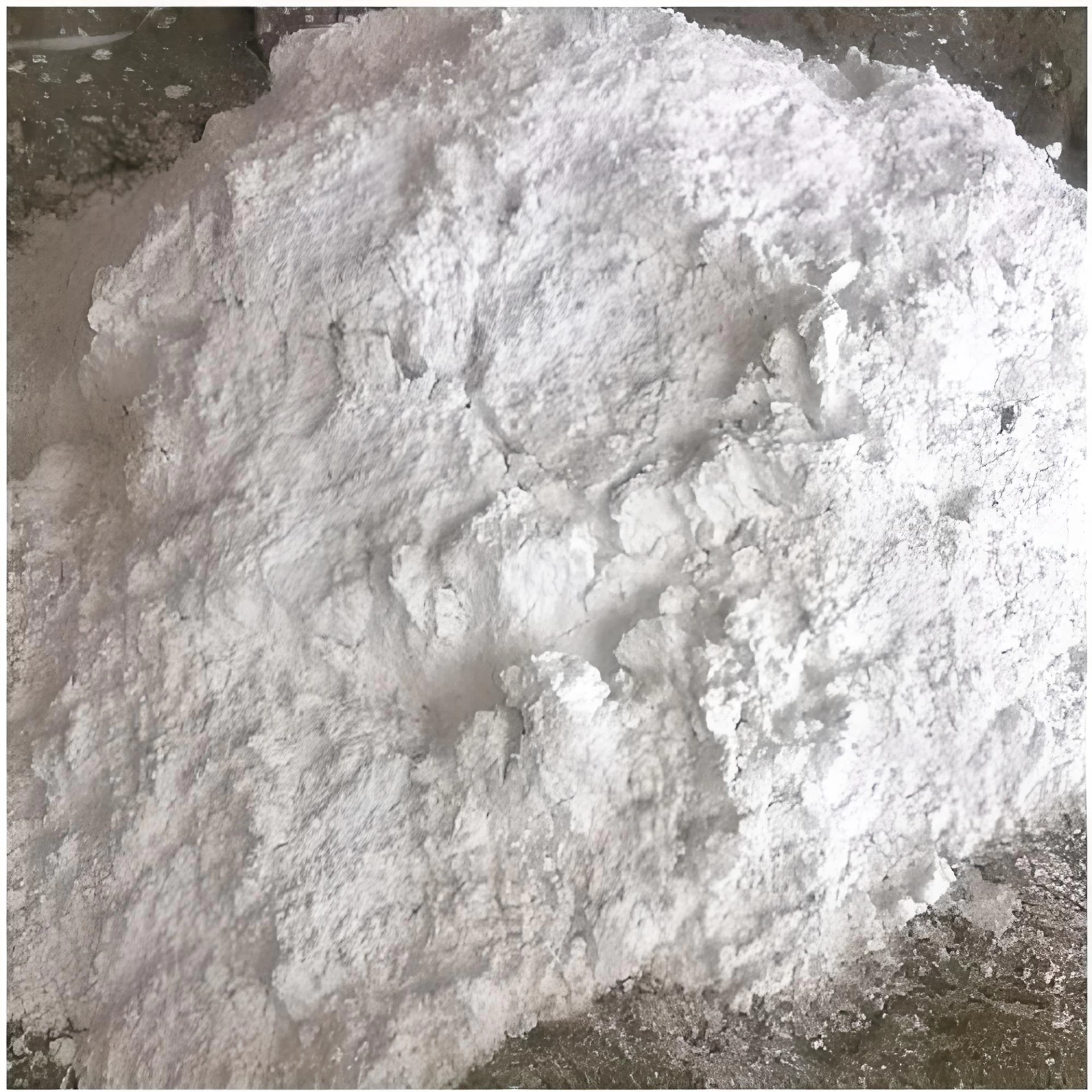
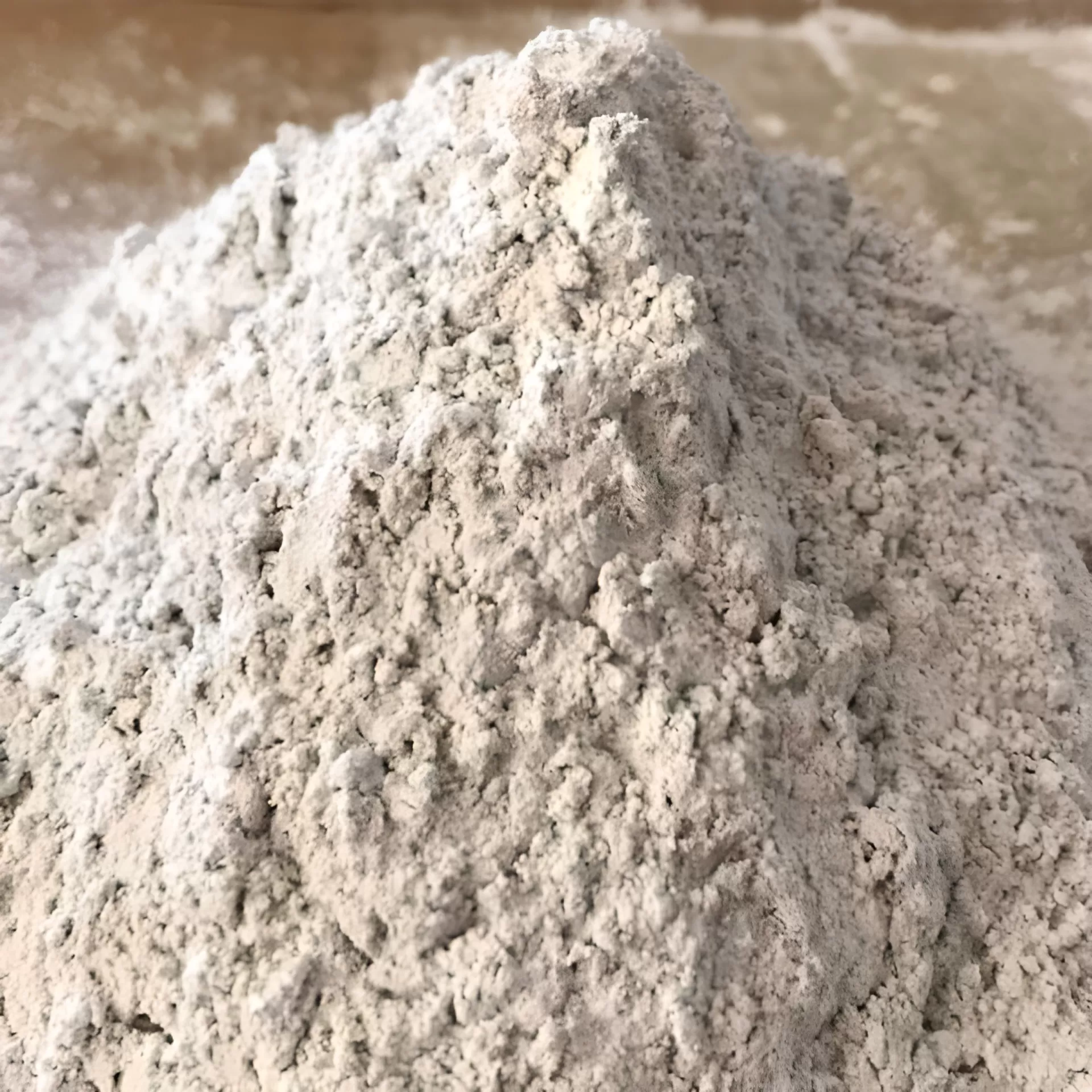
- Tetracalcium Aluminoferrite (C4AF / Ferrite): Constituting 5% to 15% of the clinker, ferrite acts as a fluxing agent during pyroprocessing, lowering the liquidus temperature inside the kiln. It hydrates at a moderate pace, imparts the characteristic gray color to the dry powder, and exhibits low overall contribution to mechanical strength.
Control of these mineral proportions governs whether the binder meets specific operational demands. High-alite formulations achieve accelerated demolding cycles in precast yards, whereas mixes containing reduced alite and celite fractions generate lower cumulative thermal output, making them suitable for moderate-heat applications.
Hydration Kinetics and Microstructural Development
The reaction between dry cement particles and water proceeds through clearly defined kinetic stages: initial dissolution, the induction period, the acceleration period, and long-term diffusion control. When mixed with water, calcium sulfate dissolves to release calcium and sulfate ions into solution. These react with the aluminate phase to precipitate crystalline ettringite needles (AFt phase) across the surfaces of the hydrating particles, retarding further rapid reaction of C3A.
Following the induction period, the main hydration surge of alite produces rigid, interconnected C-S-H fibrils alongside hexagonal plates of portlandite (calcium hydroxide, or CH). The C-S-H phase functions as the primary binding glue, featuring an amorphous, porous network with extremely high specific surface area. Portlandite occupies capillary void space, maintaining an alkaline pore solution pH above 12.5, which protects embedded reinforcing steel against corrosion. However, portlandite remains chemically vulnerable to leaching and chemical deterioration, representing the mechanically weakest phase within the hydrated cement paste.
Fineness directly influences hydration kinetics. Standard commercial grades exhibit a Blaine specific surface area typically ranging from 300 to 450 m²/kg. Increasing the Blaine value accelerates surface dissolution, expediting early compressive strength gain at the expense of accelerated early heat generation and elevated water demand.
International Quality Standards and Property Classifications
Procuring binders for complex international contracts requires precise adherence to recognized regulatory frameworks. While national standards vary, the market is primarily governed by the American Society for Testing and Materials (ASTM) and European Norms (EN).
- ASTM C150: Classifies pure clinker cements into distinct Types. Type I serves general architectural and civil engineering purposes. Type II offers moderate resistance against environmental chemical attacks and moderate heat of hydration. Type III represents high early strength formulations ground to elevated fineness levels. Type IV limits heat release for mass foundations. Type V features stringent limits on C3A content (maximum 5%) for environments exposed to aggressive underground chemical exposure.
- EN 197-1 CEM I: Defines pure Portland cement containing a minimum of 95% clinker, with up to 5% permitted minor additional constituents. Strength classes are designated as 32.5, 42.5, or 52.5 MPa at 28 days, accompanied by sub-indices denoting early strength development (N for Ordinary, R for Rapid).
Comparing these standards underscores that while ASTM relies on prescriptive mineralogical limits alongside physical performance parameters, European specifications emphasize mechanical performance classes alongside strict compositional purity boundaries. Engineering teams must evaluate whether project performance criteria lean toward prescriptive clinker chemistry limits or performance-based mechanical criteria.
Industrial Challenges and Synergistic SCM Blending
Despite its universal deployment, pure Ordinary Portland Cement exhibits intrinsic properties that complicate specialized civil applications. Large-scale structural elements—such as gravity dams, deep bridge caissons, and massive mat foundations—suffer substantial thermal gradients caused by adiabatic temperature rise during initial hydration. If internal temperatures peak significantly above ambient conditions, thermal dissipation produces high tensile stresses, causing microcracking throughout the concrete matrix.
Durability issues also arise when the cured matrix encounters aggressive chemical agents. Groundwater laden with sulfate ions reacts with available monosulfate and residual calcium aluminate hydrates, forming secondary ettringite. This expansive crystal growth generates internal osmotic pressures that initiate cracking, spalling, and progressive matrix delamination. Chlorides entering unblended paste diffuse through capillary channels, destabilizing the passivation layer on internal rebar.
To overcome these performance thresholds, modern concrete engineering increasingly integrates Ground Granulated Blast Furnace Slag (GGBS) as a complementary cementitious material. By partially replacing pure clinker with vitrified, latent-hydraulic slag, engineers optimize structural performance. GGBS consumes brittle calcium hydroxide through secondary pozzolanic reactions, converting it into high-density secondary C-S-H gel. This chemical refinement significantly reduces capillary pore diameters, diminishes permeability, limits heat generation, and optimizes resistance to chemical degradation. Entities such as Golden Fortune supply consistent mineral components that allow ready-mix producers to tailor hydration profiles to exact engineering demands.
Bulk Logistics, Storage Life, and Quality Control Protocols
Maintaining raw material integrity from the production kiln to batching silos requires rigorous supply chain management. Unhydrated cement is exceptionally hygroscopic. Atmospheric moisture exposure induces pre-hydration, causing individual particles to form agglomerates, which degrades 28-day mechanical capacity and elongates initial and final setting times.
- Silo Management: Storage infrastructure must maintain completely dry, sealed environments equipped with dehumidified pneumatic conveyance lines. Silo venting must be monitored to prevent atmospheric moisture ingestion during temperature fluctuations.
- Loss on Ignition (LOI): Bulk shipments undergo testing for LOI according to ASTM C114 or EN 196-2. An elevated LOI percentage indicates pre-hydration, carbonation, or contamination with extraneous mineral dust, necessitating load rejection before offloading.
- Sulfate Balance: Verifying optimal sulfur trioxide (SO3) percentages ensures proper retardation of the aluminate phase without causing delayed ettringite formation after curing.
- Standard Consistency and Setting Time: Vicat needle testing establishes baseline water demand and initial-to-final setting intervals. Deviation from standard setting intervals signals improper gypsum balance, excessive pre-hydration, or thermal decomposition during clinker milling.
Supply partners like Golden Fortune coordinate strict loading, marine bulk shipping, and delivery protocols to protect physical and chemical characteristics across multi-origin supply routes, ensuring that delivered materials comply with target quality specifications.
Sustainable Procurement and Carbon Reduction Strategies
The manufacturing process for pure clinker carries a substantial carbon footprint, originating from fuel combustion within kilns and the chemical calcination of calcium carbonate (CaCO3 converting to CaO and CO2). Every metric ton of clinker manufactured typically generates roughly 0.8 to 0.9 metric tons of carbon dioxide equivalent. Consequently, modern procurement programs demand pathways to lower overall embodied carbon across structural specifications.
Addressing decarbonization mandates without compromising early-age site schedules requires a strategic balance between high-grade Ordinary Portland Cement and industrial by-products. Specifying a balanced proportion of pure cement mixed on-site or at batch plants with high-purity blast furnace slag achieves structural targets while reducing project-level Scope 3 emissions. Engineering specifications that transition from prescriptive cement-content maximums to performance-based carbon intensity limits encourage optimized mix designs, lowering environmental impacts without sacrificing structural reliability.
Industrial Applications and Mixture Optimization
Selecting appropriate binder systems depends heavily on structural loading, ambient site conditions, and service-life expectations. In applications requiring extreme early load-bearing capacity—such as prestressed hollow-core slabs, precast bridge girders, and rapid repair mortars—the rapid early strength of high-grade Ordinary Portland Cement remains advantageous. Its accelerated hydration permits shorter steam-curing durations and faster cycle times for steel molds.
Conversely, for mass concrete elements and coastal marine substructures, structural engineers systematically avoid pure unblended formulations. Pairing high-grade clinker binders with secondary materials like GGBS from Golden Fortune suppresses early hydration peaks, improves ultimate paste resistivity against chloride ingress, and neutralizes alkali-silica reactivity within potentially reactive aggregate matrices. Balanced ternary and binary binder designs ensure continuous strength development spanning far beyond standard 28-day testing milestones, extending structural service life to 50 or 100 years.
Frequently Asked Questions (FAQ)
What is the primary difference between Ordinary Portland Cement and blended cements?
Ordinary Portland Cement consists almost entirely of pulverized clinker and a small percentage of gypsum added to control setting. Blended cements (such as CEM II, CEM III, or ASTM C595 types) replace an engineered percentage of the clinker with supplementary materials like granulated blast furnace slag, fly ash, silica fume, or calcined clays. Blended cements reduce embodied carbon, improve chemical resistance, and lower hydration heat, whereas the unblended product provides standard, predictable early strength profiles.
How does Blaine fineness affect concrete performance?
Blaine fineness measures the specific surface area of cement particles per unit mass. Higher fineness accelerates the surface reaction with water, producing faster early strength development and accelerating initial stiffening. However, it increases water demand for a given workability, increases early shrinkage tendencies, and amplifies the rate of thermal release during hydration.
Why is C3A content critical for sulfate-resistant applications?
Tricalcium aluminate reacts with external sulfate ions present in soils or groundwater to form expansive ettringite crystals within the hardened concrete matrix. This expansive crystalline growth generates disruptive internal stresses, causing microcracking and structural degradation. Restricting the C3A content below 5% (as required in ASTM C150 Type V specifications) minimizes the formation of expandable aluminate compounds, maximizing durability in high-sulfate environments.
How should bulk cement be tested upon arrival at a construction site or batching plant?
Incoming bulk deliveries should undergo prompt screening tests before discharge into silos. Standard tests include temperature verification, visual inspection for atmospheric lumping, Loss on Ignition (LOI) to detect pre-hydration, and Blaine air permeability to verify grinding specifications. Batch testing with a Vicat needle validates normal setting behavior and screens against premature stiffening or abnormal setting delays.
Can Ordinary Portland Cement be blended directly with slag on-site?
Yes, ready-mix concrete batching plants frequently store pure clinker cement and Ground Granulated Blast Furnace Slag in separate silos, blending them directly within the concrete mixer. This approach provides the flexibility to tailor replacement levels (typically between 30% and 70%) to specific project elements, optimizing the balance between early strength, thermal management, and long-term durability based on ambient weather and pour geometry.
Procurement and Technical Inquiries
Engineers, concrete producers, and procurement specialists require dependable, certified mineral binders that conform to exacting international performance specifications. Evaluating clinker mineralogy, optimizing blended binder matrices, and coordinating bulk logistics are critical steps in achieving cost-effective structural performance. Contact our technical team today to submit your project specifications, request material test reports, or discuss tailored supply arrangements for your upcoming industrial or infrastructure works.