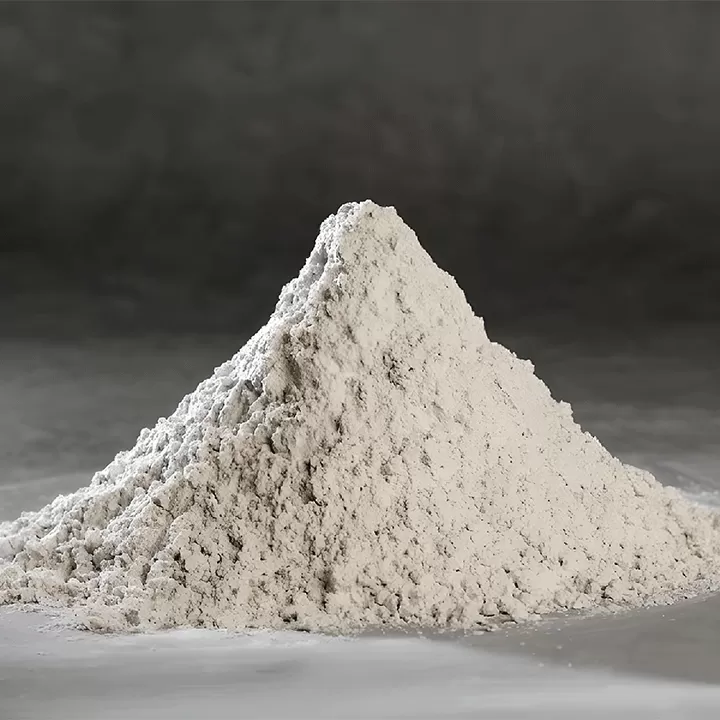
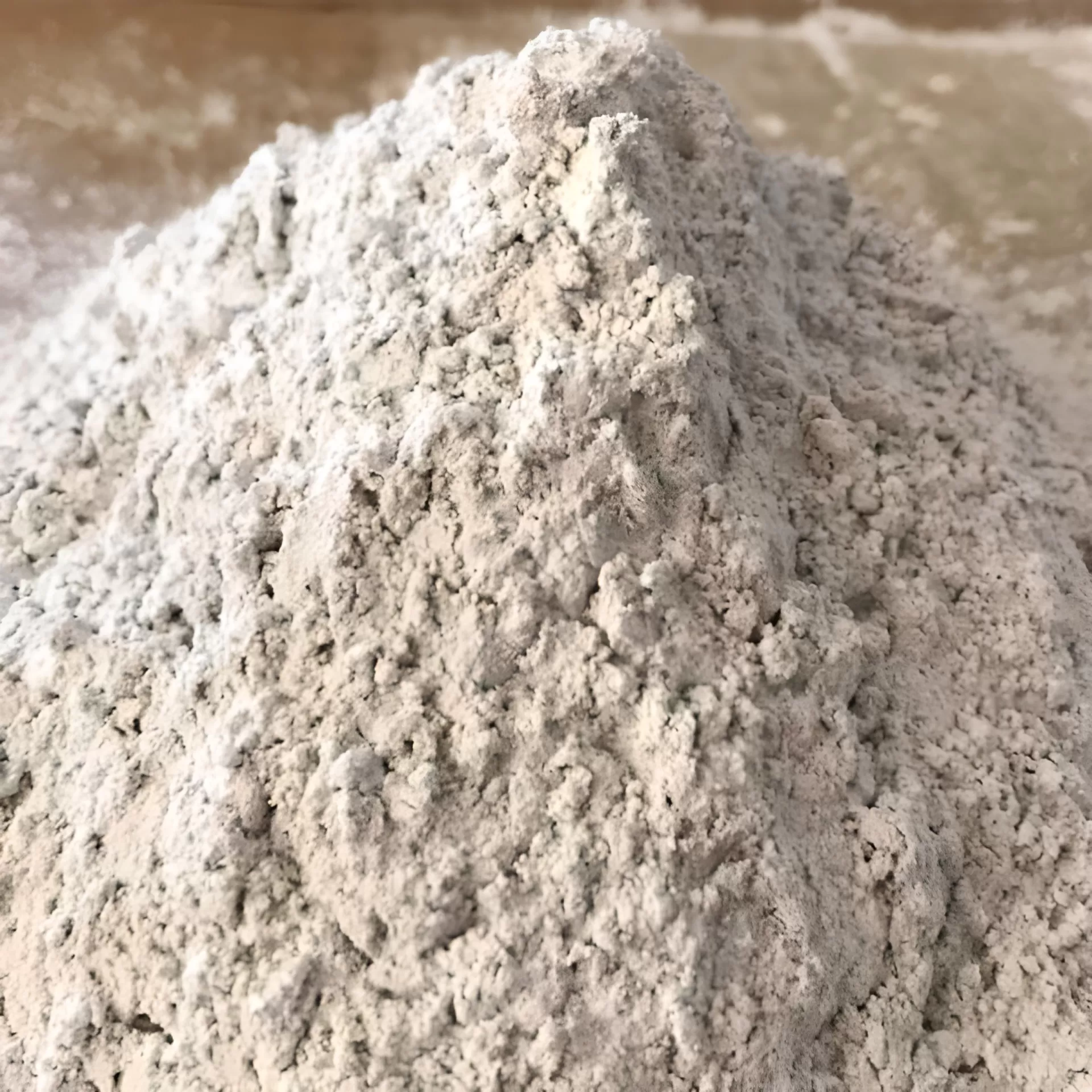
The global construction industry rests upon binder materials that can reliably develop high mechanical strength while meeting stringent structural specifications. Traditional Ordinary Portland Cement, universally designated as OPC, forms the primary hydraulic baseline against which alternative systems and composite binders are evaluated. Originating from precisely proportioned calcareous and argillaceous raw materials calcined at elevated temperatures, this hydraulic powder has driven industrial structural engineering for more than a century. Contemporary civil engineering projects demand higher structural resilience, lower permeability, and reduced environmental footprints, requiring engineering teams to evaluate the base chemical constituents, hydration behaviors, and long-term durability metrics of their core binding agents.
Meeting these elevated standards requires moving beyond empirical field observations to examine microscopic phase development and macroscopic performance interactions. Sourcing high-quality structural binders demands a nuanced understanding of how raw materials are converted in the rotary kiln, how distinct clinker phases behave upon initial contact with water, and how secondary supplementary cementitious materials can address traditional material vulnerabilities.
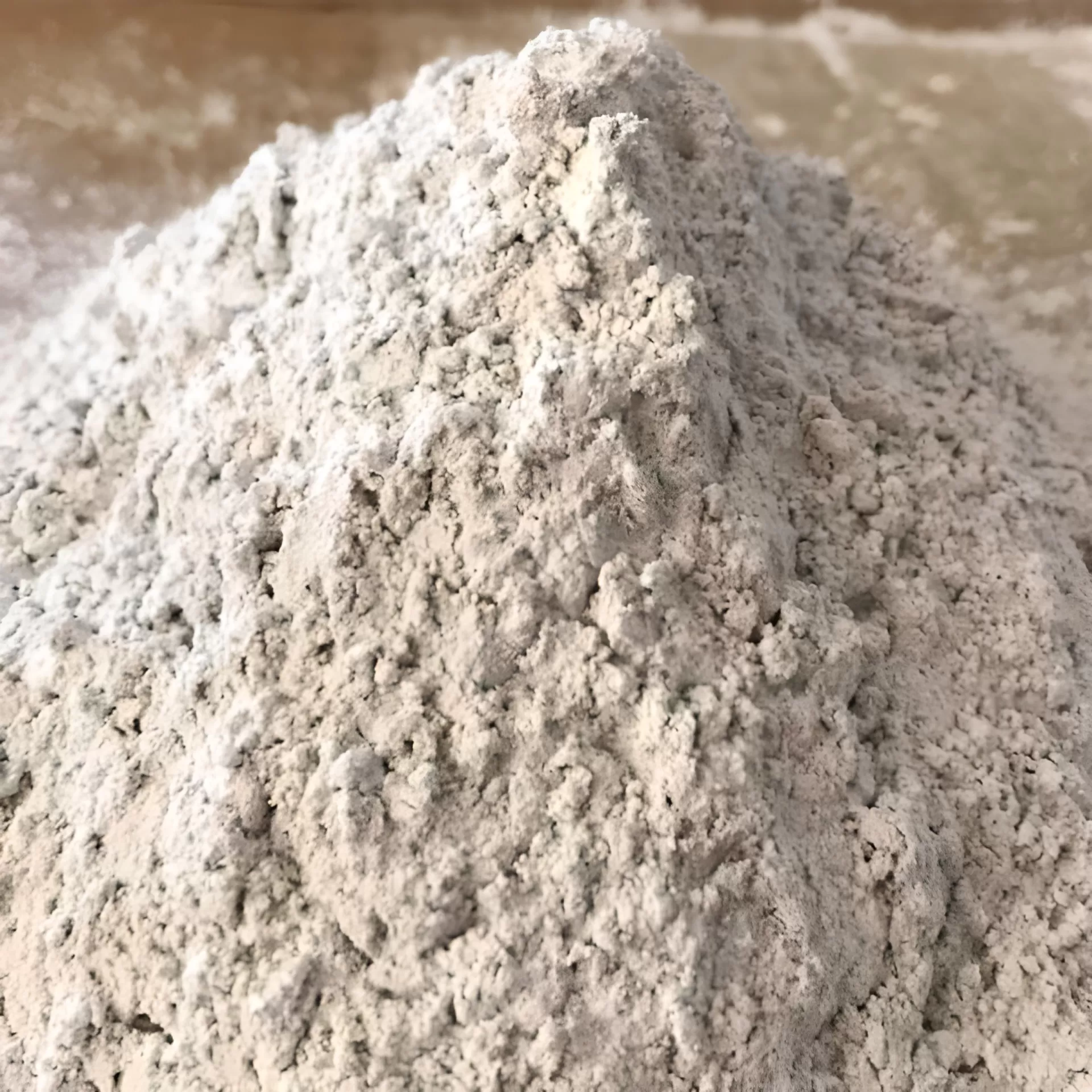
Fundamental Clinker Chemistry and Phase Composition
The manufacturing process transforms limestone (calcium carbonate) and clay or shale (sources of silica, alumina, and iron oxide) through thermal synthesis at temperatures approaching 1450°C. Within the rotary kiln, decarbonation yields reactive calcium oxide, which随后 combines with acidic oxides to form the four primary crystalline phases described by Bogue's calculations:
- Tricalcium Silicate (Alite, C3S): Typically comprising 50% to 70% of the total clinker composition, alite drives initial reactivity and early compressive strength accumulation across the first 28 days of hydration. It reacts rapidly with water, generating abundant calcium silicate hydrate gel alongside liberate calcium hydroxide.
- Dicalcium Silicate (Belite, C2S): Accounting for 15% to 30% of standard clinker, belite hydrates much more deliberately. Its slower hydration kinetics contribute to continuous microstructural densification and long-term ultimate strength past the 28-day curing mark, releasing significantly less heat during initial phases.
- Tricalcium Aluminate (Celite, C3A): Representing 5% to 10% of clinker mass, this phase initiates instantaneous reactions upon hydration. Calcium sulfate (gypsum) must be interground with the clinker to regulate flash setting by producing ettringite films over aluminate surfaces. High C3A concentrations exacerbate susceptibility to external chemical attack.
- Tetracalcium Aluminoferrite (Brownmillerite, C4AF): Comprising 5% to 15% of the system, this phase acts primarily as a flux during pyroprocessing, lowering the liquid formation temperature. It exhibits moderate hydration rates and imparts the characteristic grey coloration to structural concrete.
Careful control over the lime saturation factor, silica ratio, and alumina ratio ensures that the synthesized mineral phases retain high reactivity. Deviations in clinker burning or quenching rates alter crystalline morphology, directly impacting how particles respond to chemical grinding aids and subsequent contact with mix water.
Hydration Kinetics and Microstructural Development
When the hydraulic binder is mixed with water, an exothermic, multi-stage reaction initiates instantly. The dissolution of ionic species yields supersaturated pore solutions, triggering precipitation of solid hydration products that convert fluid paste into rigid stone.
The hydration kinetics of OPC rely predominantly on the rapid dissolution of alite and aluminate phases, followed closely by an induction period where ion concentrations align before massive nucleation occurs. As the accelerated hydration period proceeds, the primary binding phase—calcium silicate hydrate (C-S-H) gel—expands outward from clinker grains. This poorly crystalline, high-surface-area gel interlocks across the capillary pore space, serving as the primary source of mechanical load-bearing capacity.
Concurrently, the hydration process yields substantial quantities of crystalline calcium hydroxide, commonly referred to as portlandite. Portlandite occupies up to 20% to 25% of the hardened paste volume. Unlike the cohesive C-S-H gel network, portlandite forms large, hexagonal plate-like crystals with distinct cleavage planes. These crystals exhibit negligible intrinsic mechanical strength and remain chemically vulnerable to dissolution by acidic or sulfate-bearing pore solutions. The concentration and alignment of portlandite within the interfacial transition zone around aggregates frequently establishes the weakest mechanical link in cast concrete elements.
International Quality Standards and Mechanical Specifications
Structural procurement requires adherence to rigorous testing frameworks to guarantee consistency across continuous casting phases. Two predominant regulatory frameworks govern global delivery:
ASTM C150 Classifications
The American standard categorizes binders based on physical and chemical performance profiles designed for distinct operating environments:
- Type I: General-purpose binder suited for structural elements where special considerations for chemical exposure or thermal accumulation are unnecessary.
- Type II: Formulated with moderate sulfate resistance and moderate heat of hydration parameters, engineered for civil infrastructure facing moderate soil exposure or substantial mass pours.
- Type III: High early strength achieved through refined grinding to higher Blaine fineness levels and increased C3S concentrations, commonly deployed in precast plants and cold-weather construction.
- Type IV: Low-heat formulations developed specifically for massive gravity dams, minimizing thermal gradients during continuous mass placement.
- Type V: High sulfate resistance defined by strictly capped C3A levels (typically under 5%), serving foundations, coastal piers, and wastewater treatment plants.
EN 197-1 CEM Formulations
The European standard utilizes a compositional methodology. CEM I denotes pure binders containing 95% to 100% Portland clinker, categorized mechanically into strength classes: 32.5, 42.5, and 52.5, with sub-designations for early strength gain (N for normal, R for rapid). European frameworks prioritize performance-based continuous sampling, reflecting tight statistical control over standard deviations in compressive strength and Blaine surface area.
Durability Limitations in Demanding Concrete Works
Massive infrastructure designs frequently subject baseline binders to structural and environmental conditions that reveal their inherent technical boundaries.
A primary consideration in massive elements involves adiabatic temperature rise. The hydration of standard silicates and aluminates releases roughly 300 to 500 Joules of heat per gram within initial curing stages. In thick foundation slabs, bridge abutments, or structural retaining walls, core temperatures easily exceed 70°C while exterior boundaries equilibrate with ambient conditions. This thermal differential generates pronounced internal strain, prompting macro-cracking before full mechanical modulus development occurs.
Chemical degradation mechanisms also target unblended paste matrices. Soil and groundwater containing dissolved sulfate ions react directly with available portlandite to form secondary gypsum, and subsequently with monosulfoaluminate to form expansive ettringite. This mineral expansion generates high internal crystallization pressures, resulting in surface spalling, micro-cracking, and structural deterioration. Chloride ions present in marine environments migrate through connected capillary pores, breaking down the passive ferric oxide film protecting embedded reinforcement steel and accelerating internal corrosion.
Industrial Synergy: Enhancing Performance Through GGBS Integration
Modern engineering addresses the performance limitations of standard binders through secondary supplementary cementitious materials. Ground Granulated Blast-Furnace Slag (GGBS), an industrial by-product obtained by water-quenching molten iron slag from blast furnaces, functions as a latent hydraulic binder exhibiting outstanding synergy when combined with standard clinker products.
The technical mechanism relies on chemical symbiosis. The primary hydration of clinker generates free calcium hydroxide and releases alkaline species that raise pore solution pH above 12.5. This alkaline threshold dissolves the vitrified alumino-silicate network within GGBS particles. The dissolved slag species consume porous portlandite crystals, converting them into secondary, highly dense C-S-H gel matrices. Strategic supply chain partners such as Golden Fortune deliver high-grade industrial GGBS that elevates baseline structural durability far beyond the capabilities of unblended systems.
This microstructural refinement achieves three distinct structural advantages:
- Thermal Moderation: Replacing a portion of rapid-reacting clinker with latent slag shifts the hydration profile. The heat evolution curve flattens, lowering peak internal hydration temperatures and mitigating the thermal cracking common in massive structural pours.
- Pore Disconnection: The secondary pozzolanic reactions fill interconnected capillary voids with tortuous gel structures. This drastic drop in permeability impedes the diffusion of chlorides, water, and aggressive chemicals toward internal reinforcement steel.
- Sulfate Mitigation: Consuming non-structural calcium hydroxide and reducing total aluminate concentrations eliminates the chemical precursors required for destructive secondary ettringite formation, ensuring longevity in marine and industrial environments.
Decarbonization Demands and Clinker Optimization
Heavy industry faces intense pressure to curtail greenhouse gas emissions. The calcination of calcium carbonate releases stoichiometric quantities of carbon dioxide, rendering clinker production one of the most carbon-intensive manufacturing processes globally. Each metric ton of standard clinker manufactured generates roughly 0.8 to 0.9 metric tons of carbon dioxide, split between chemical process emissions and thermal fuel combustion.
The construction sector meets mandatory sustainability milestones by lowering the clinker-to-cement ratio. Partially replacing OPC with ground granulated blast-furnace slag transforms high-volume infrastructure projects into sustainable, low-carbon developments without compromising final engineering strengths. High-volume slag substitution blends (often 50% to 70% replacement for specialized marine works) lower the embodied carbon of structural mixtures by more than 50%, aligning baseline civil designs with global green building certification parameters.
Procurement Standards and Logistics Integrity
Procuring binders for extensive infrastructure projects demands uncompromising control over supply consistency. Bulk shipments must comply not only with standard compressive strength specifications at 7 and 28 days, but also with tight physical limits regarding loss on ignition, insoluble residue, alkali equivalent parameters, and sound setting times.
Global supply networks managed by Golden Fortune prioritize stringent quality management from processing facilities to vessel loading. Minor shifts in grinding efficiency can alter particle size distributions, destabilizing superplasticizer compatibility, water demand, and initial slump retention on site. Reliable bulk deliveries require rigorous pre-shipment laboratory analysis and humidity-controlled transit logistics to protect unhydrated materials from premature pre-hydration and carbonation during extended maritime journeys.
Frequently Asked Technical Questions
What distinguishes standard OPC from modified composite cements?
Standard OPC consists of at least 95% Portland cement clinker ground with a small percentage of calcium sulfate to regulate setting time. Composite cements incorporate secondary mineral components—such as blast furnace slag, natural pozzolans, limestone powder, or fly ash—replacing a portion of the clinker to modify hydration heat, chemical resistance, and carbon footprints.
How does secondary portlandite consumption improve longevity?
Portlandite, generated abundantly during silicates hydration, remains soluble and mechanically weak. When supplementary materials introduce reactive amorphous silica, this compound converts through pozzolanic reactions into additional calcium silicate hydrate gel. This process increases structural density, eliminates pathways for chemical leaching, and limits the chemical bases that react with external sulfates.
What replacement levels are recommended when pairing with GGBS for marine works?
For marine environments exposed to saline water, tidal action, and high chloride penetration, GGBS replacement rates typically range between 50% and 70% by total binder weight. This high proportion effectively refines the pore network, slows chloride ion diffusion, controls heat generation, and secures long-term resistance to coastal environments.
How does particle size distribution (Blaine fineness) influence performance?
Blaine fineness measures the specific surface area of dry powder particles. Higher fineness accelerates initial dissolution and water interaction, producing superior early compressive strength (critical for precast fabrication). However, excessive fineness increases immediate water demand, accelerates the initial rate of heat evolution, and may shorten workability retention during ready-mix transit.
What testing protocols verify clinker quality prior to dispatch?
Standard quality verification incorporates X-Ray Fluorescence (XRF) for elemental oxide quantification, X-Ray Diffraction (XRD) using Rietveld refinement to measure actual crystalline phase proportions (alite, belite, celite, and brownmillerite), and loss on ignition testing to detect pre-hydration. Physical tests track Blaine fineness, setting times via the Vicat apparatus, autoclave expansion for soundness, and early compressive strength progression via standardized mortar prisms.
Optimize Your Structural Concrete Formulations
Achieving resilient, high-performance structural designs requires balancing traditional OPC binders with high-grade supplementary materials engineered to withstand aggressive environments and stringent structural loads. Golden Fortune supplies premium-grade Ground Granulated Blast-Furnace Slag (GGBS) and comprehensive material sourcing solutions tailored to the exacting requirements of international engineering firms, ready-mix producers, and infrastructure authorities. Contact our technical engineering team today to review material specifications, obtain certified laboratory performance sheets, or request tailored quotes for high-volume project deliveries.