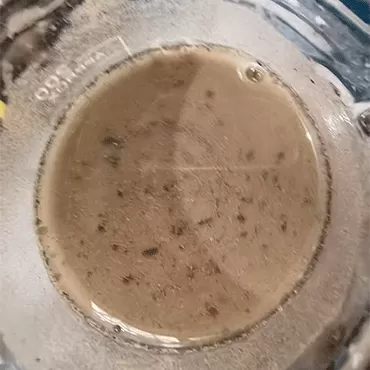
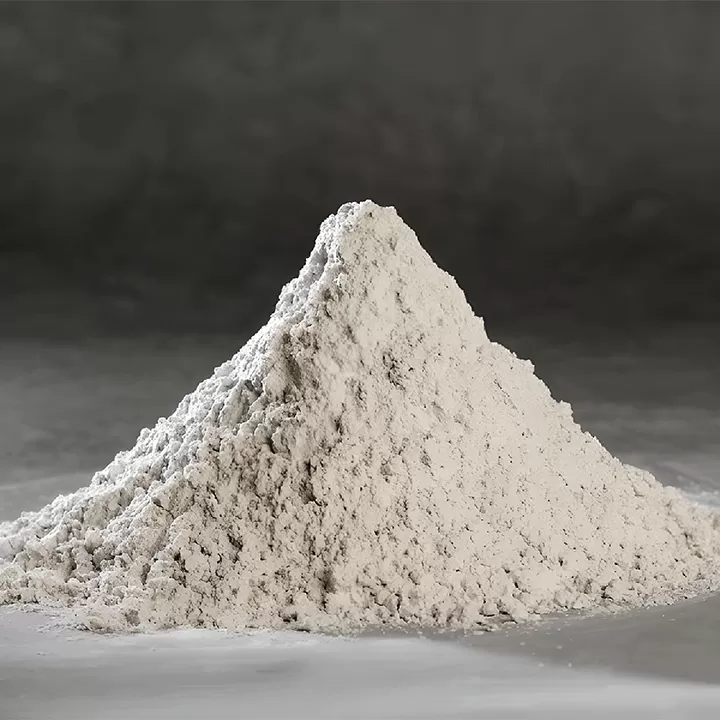
Fly ash—a primary coal combustion residual (CCR) captured from flue gases by electrostatic precipitators or mechanical baghouses—has evolved from an industrial waste management liability into a critical mineral raw material. Widely recognized for its pozzolanic behavior, fly ash is fundamental to modern concrete technology, civil infrastructure, and advanced material synthesis.
To fully capitalize on the value of raw coal ash, industrial operators must understand the chemical dynamics, physical characteristics, and processing technologies required to turn run-of-station ash into precise industrial-grade outputs. At Golden Fortune, we engineering processing and beneficiation systems designed to transform raw and ponded ash into high-performance commercial commodities.
1. Chemical Composition and Material Classification
Fly ash consists primarily of fine, spherical glassy particles collected during pulverized coal combustion. Its core mineralogy includes silicon dioxide (SiO₂), aluminum oxide (Al₂O₃), iron oxide (Fe₂O₃), and calcium oxide (CaO), alongside varying fractions of unburned carbon.
According to standard specification ASTM C618, commercial fly ash is broadly categorized into two main technical classes based on coal source and oxide content:
Class F Fly Ash: Derived from burning anthracite or bituminous coal. Class F ash contains less than 10% lime (CaO) and exhibits strictly pozzolanic properties. To form cementitious compounds, it requires calcium hydroxide released during cement hydration. It offers exceptional mitigation against alkali-silica reaction (ASR) and enhanced sulfate resistance.
Class C Fly Ash: Produced from sub-bituminous or lignite coal combustion. Containing more than 20% lime (CaO), Class C ash possesses self-cementitious properties in addition to pozzolanic behavior. It sets faster than Class F ash and provides higher early-age compressive strength development.
2. Concrete Performance Mechanics: The Chemistry of Pozzolanic Reaction
The technical justification for incorporating fly ash into Portland cement mixtures rests on two distinct mechanisms: physical particle packing and secondary chemical hydration.
Physical Action: The Ball-Bearing Effect
Unlike crushed angular aggregate or cement particles, fly ash particles are predominantly glassy, solid spheres ranging from 1 to 100 micrometers in size. This spherical geometry acts as a mechanical lubrication agent in fresh concrete, commonly referred to as the "ball-bearing effect." This physical property reduces internal inter-particle friction, decreasing the required mixing water demand by 5% to 10% for a target slump, thereby lowering the water-cementitious materials (w/cm) ratio.
Chemical Action: Secondary Pozzolanic Hydration
When primary Portland cement hydrates, it releases calcium hydroxide—Ca(OH)₂ or Portlandite—a soluble byproduct that contributes minimal structural strength and is vulnerable to chemical leaching. The reactive silica (SiO₂) within fly ash reacts chemically with this free Ca(OH)₂ in the presence of water to generate secondary Calcium Silicate Hydrate (C-S-H) gel:
Reactive Silica + Ca(OH)₂ + H₂O → C-S-H Gel
This secondary C-S-H gel fills microscopic capillary voids within the concrete matrix, refining the pore structure and dramatically lowering permeability. The practical engineering benefits include:
Reduced Heat of Hydration: Partial replacement of cement lowers peak thermal stresses in mass concrete placements, mitigating micro-cracking risk.
Enhanced Durability: Matrix densification limits the ingress of chloride ions, carbon dioxide, and external sulfates, protecting internal reinforcing steel against corrosion.
Improved Late-Age Strength: While early-age strength gain (under 7 days) can be slower, concrete modified with fly ash exhibits superior long-term strength development beyond 28 days.
3. Industrial Fly Ash Processing and Beneficiation Technologies
Raw fly ash sourced directly from power generation plants rarely meets optimal physical or chemical consistency specifications. High moisture content, elevated Loss on Ignition (LOI) due to residual unburned carbon, and wide particle size distributions require dedicated beneficiation circuits before industrial distribution.
Thermal Moisture Reduction (Fly Ash Drying)
Pond ash reclaimed from legacy tailing dams typically carries 15% to 60% moisture content. Thermal drying reduces surface moisture below 1%, restoring fluidization and bulk transport capability. Continuous rotary drum dryers operating with direct or indirect heat exchanges represent the industry standard for high-capacity moisture removal, offering high fuel efficiency and robust sealing to prevent dust emissions.
Mechanical Grinding and Surface Activation
Grinding alters the surface area (Blaine fineness) of coarse fly ash, breaking down hollow microspheres (cenospheres) and agglomerated particles to expose reactive mineral phases.
| Equipment Type | Throughput Capacity (t/h) | Output Fineness (Mesh) | Operational & Energy Efficiency Profile |
|---|---|---|---|
| Ball Mill Systems | 2 – 280 | 20 – 200 | Simple structural design, reliable operation, higher power consumption per ton. Ideal for small-to-medium output requirements. |
| Vertical Roller Mills (VRM) | 8 – 420 | 375 – 1250 | Combines grinding, drying, and air classification. Delivers 30% to 50% energy savings compared to ball mills; optimal for large industrial processing plants. |
Carbon Removal via Flotation and LOI Control
Residual unburned carbon increases the Loss on Ignition (LOI) value of fly ash. Elevated carbon absorbs chemical admixtures, particularly air-entraining agents (AEA) necessary for freeze-thaw resistant concrete. Multi-stage froth flotation and air classification systems selectively remove free carbon particles, bringing LOI values below the strict 3% to 6% limits required by standard structural concrete codes.
Wet Magnetic Separation
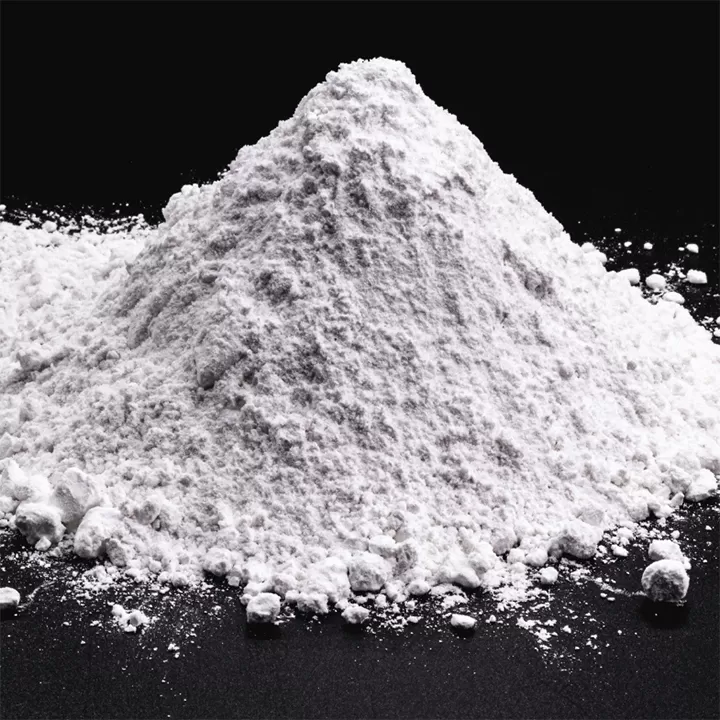
To produce specialized fillers or raw materials for technical ceramics, wet high-intensity magnetic separators (WHIMS) strip out iron oxide impurities (magnetite and hematite). This step improves the whiteness index and thermal stability of the processed fly ash.
4. Process Integration and System Configurations
Selecting the correct equipment array depends on raw feedstock characteristics and target end-market requirements. Golden Fortune designs integrated circuits configured across distinct processing tiers:
| Processing Tier | Core Equipment Circuit | Target Product Output | Primary End-Market Application |
|---|---|---|---|
| Basic Processing | Rotary Drum Dryer + Air Classifier + Ball Mill | Standard Pozzolanic Concrete Additive (ASTM C618) | Ready-mix concrete producers, cement grinding plants |
| Agglomeration & Aggregates | Drying + Binder Dosing + Disc Pelletizer + Sintering System | Lightweight Synthetic Aggregates & Masonry Blocks | Precast concrete elements, lightweight structural concrete |
| Advanced Beneficiation | Flotation Cells + Wet Grinding + WHIMS + Flash Dryer | Ultra-fine, Low-Carbon, Decolorized Mineral Fillers | Geopolymer precursors, technical ceramics, polymers |
5. Expanded Non-Construction Applications
While concrete production remains the dominant consumer of fly ash, advanced physical and chemical refining processes unlock high-value alternate applications:
Soil Remediation and Agrology: Modified fly ash adjusts soil pH in highly acidic conditions, enhances moisture-holding capacity in coarse soils, and provides essential micronutrients (Fe, B, Mo, S).
Industrial Wastewater Treatment: High porosity and active surface area allow refined fly ash geopolymers to serve as low-cost adsorbents for binding heavy metal cations and organic pollutants from industrial discharge streams.
Critical Mineral Recovery: Thermal flash heating and hydrometallurgical leaching processes extract valuable Rare Earth Elements (REEs) trapped inside silicate microspheres, offering a secondary supply chain for high-tech manufacturing materials.
Frequently Asked Questions
What is the primary difference between Class C and Class F fly ash?
The main difference lies in calcium content and cementitious capability. Class F fly ash, sourced from anthracite or bituminous coal, contains less than 10% CaO and relies strictly on pozzolanic reactions with external calcium hydroxide. Class C fly ash contains over 20% CaO, offering self-cementitious setting properties alongside pozzolanic reactions.
How does fly ash improve the long-term durability of concrete structures?
Fly ash reacts with calcium hydroxide to produce additional C-S-H gel. This reaction densifies the internal concrete pore matrix, lowering permeability to water, chloride ions, and sulfates, thereby slowing down chemical attack and internal steel reinforcement corrosion.
Why is controlling Loss on Ignition (LOI) critical for concrete applications?
LOI measures unburned carbon residue within the ash. High carbon levels absorb air-entraining admixtures added to ready-mix concrete formulations, compromising control over the air-void system needed for freeze-thaw durability.
What equipment is required to process wet pond ash into a marketable product?
Processing wet pond ash requires thermal drying system (such as a rotary drum dryer) to bring moisture down below 1%, followed by dynamic air classification and mechanical grinding systems (such as a vertical roller mill or ball mill) to achieve the target Blaine fineness.
Can fly ash completely replace Portland cement in structural concrete?
In standard structural concrete, fly ash typically replaces 15% to 35% of Portland cement by weight. However, in specialized geopolymer concrete formulations using chemical activators, fly ash can replace 100% of traditional Portland cement.
Engineering High-Yield Fly Ash Processing Solutions
Optimizing the economic yield of raw coal ash requires heavy-duty grinding, drying, and beneficiation infrastructure built to withstand abrasive operating conditions. Golden Fortune designs and manufactures complete fly ash engineering processing systems—from high-efficiency vertical roller mills to sealed rotary drying circuits—customized to meet strict international standards.
Contact our technical engineering team today to request a plant design proposal, process consultation, or equipment quotation tailored to your industrial raw material requirements.